

HSK 3 Vocabulary List: 1,000 Words (HSK 3.0)
HSK 3 has 1,000 words in HSK 3.0, 500 of them new at this level (the old HSK 2.0 list had 600). Fluentide has 293 free stories at the Elementary (HSK 3) level that use them, with transcript and pinyin.
By Haoshan Hong · Native Mandarin speaker · Updated October 2026
Hear HSK 3 words in a real story

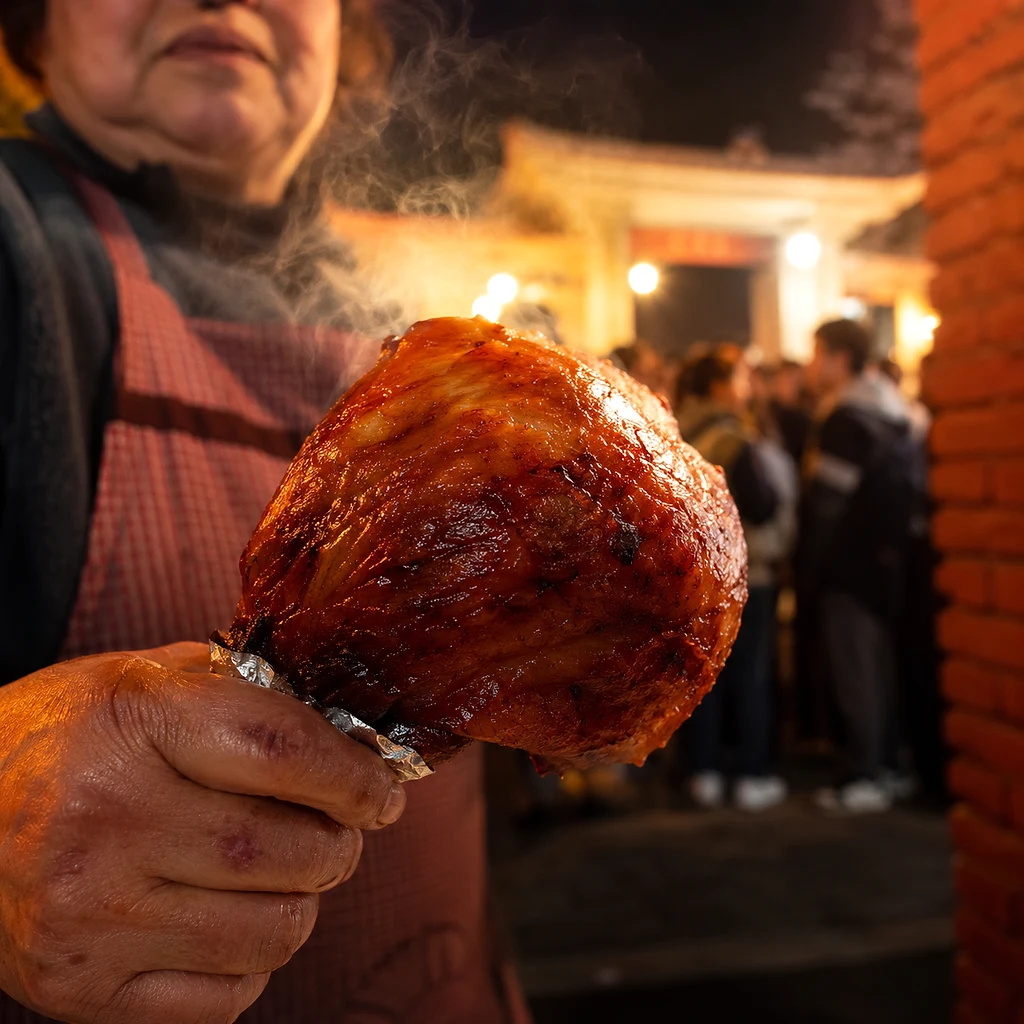
奈飞:用户肯付钱,却看得少了
Netflix Stock Falls 52.8% as Viewing Hours Drop 9% and Ad Revenue Forecast Is Cut
2 min
What is on the HSK 3 word list?
The other 500 come from HSK 1–2. They cover work, study, money, transport, and basic cause-and-effect. This is the bridge from survival phrases into actual conversation.
Scroll
HSK 3 word list
All 988 words from the official HSK 3.0 syllabus, the 491 new at HSK 3 first. The syllabus counts 1,000 because a few words are listed once per reading; here each appears once.
Pinyin from the syllabus, definitions from CC-CEDICT. Tap a word for its other senses.
Showing 601–650 of 988 · page 13 of 20
跑pǎoHSK 2to run
- to run
- to run away
- to escape
- to run around (on errands etc)
- (of a gas or liquid) to leak or evaporate
- (verb complement) away
- off
- (of an animal) to paw (the ground)
跑步pǎobùHSK 2to run
- to run
- to jog
- (military) to march at the double
票piàoHSK 2ticket
- ticket
- ballot
- banknote
- CL:张
- person held for ransom
- amateur performance of Chinese opera
- classifier for groups, batches, business transactions
妻子qīziHSK 2wife
起来qǐláiHSK 2to stand up
- to stand up
- to get up
- also pr.
前面qiánmiànHSK 2ahead
- ahead
- in front
- preceding
- above
- also pr.
晴qíngHSK 2clear
- clear
- fine (weather)
球qiúHSK 2ball used for playing games (variant of 球)
- ball used for playing games (variant of 球)
- ball
- sphere
- globe
- CL:个
- ball game
- match
- CL:场
让ràngHSK 2to let
- to let
- to allow
- to make (sb do sth)
- to yield
- to permit
- to let sb do sth
- to have sb do sth
- to make sb (feel sad etc)
- by (indicates the agent in a passive clause, like 被)
肉ròuHSK 2meat
- meat
- flesh
- pulp (of a fruit)
- (coll.) (of a fruit) squashy
- (of a person) flabby
- irresolute
- Kangxi radical 130
商场shāngchǎngHSK 2shopping mall
- shopping mall
- shopping center
- department store
- emporium
- CL:家
- the business world
上来shàngláiHSK 2to come up
- to come up
- to approach
- (verb complement indicating success)
上面shàngmiànHSK 2on top of
- on top of
- above-mentioned
- also pr.
上去shàngqùHSK 2to go up
- to go up
上网shàngwǎngHSK 2to go online
- to go online
- to connect to the Internet
- (of a document etc) to be uploaded to the Internet
- (tennis, volleyball etc) to move in close to the net
身体shēntǐHSK 2the body
- the body
- one's health
生日shēngrìHSK 2birthday
- birthday
- CL:个
时shíHSK 2o'clock
- o'clock
- time
- when
- hour
- season
- period
- surname Shi
- old variant of 时
事情shìqingHSK 2affair
- affair
- matter
- thing
- business
- CL:件,桩
手shǒuHSK 2hand
- hand
- (formal) to hold
- person engaged in certain types of work
- person skilled in certain types of work
- personal(ly)
- convenient
- classifier for skill
- CL:双,只
手表shǒubiǎoHSK 2wristwatch
- wristwatch
- CL:块,只,个
书包shūbāoHSK 2schoolbag
- schoolbag
- satchel
- bookbag
- CL:个,只
舒服shūfuHSK 2comfortable
- comfortable
- feeling well
送sòngHSK 2to send
- to send
- to deliver
- to transmit
- to give (as a present)
- to see (sb) off
- to accompany
- to go along with
虽然suīránHSK 2although
- although
- even though (often used correlatively with 可是 or 但是 etc)
所以suǒyǐHSK 2therefore
- therefore
- as a result
- so
- the reason why
疼téngHSK 2(it) hurts
- (it) hurts
- sore
- to love dearly
踢tīHSK 2to kick
- to kick
- to play (e.g. soccer)
- (slang) butch (in a lesbian relationship)
题tíHSK 2topic
- topic
- problem for discussion
- exam question
- subject
- to inscribe
- to mention
- CL:个,道
- surname Ti
条tiáoHSK 2strip
- strip
- item
- article
- clause (of law or treaty)
- classifier for long thin things (ribbon, river, road, trousers etc)
跳舞tiàowǔHSK 2to dance
头tóu / touHSK 2head
- head
- hair style
- the top
- end
- beginning or end
- a stub
- remnant
- chief
- boss
- side
- aspect
- first
- leading
- classifier for pigs or livestock
- CL:个
- suffix for nouns
外国wàiguóHSK 2foreign country
- foreign country
外面wàimiànHSK 2outside (also pr. for this sense)
- outside (also pr. for this sense)
- surface
- exterior
- external appearance
完wánHSK 2to finish
- to finish
- to be over
- whole
- complete
- entire
万wànHSK 2ten thousand
- ten thousand
- a great number
- surname Wan
- used in 万俟
网上wǎngshangHSK 2online
- online
往wǎngHSK 2to go (in a direction)
- to go (in a direction)
- to
- towards
- (of a train) bound for
- past
- previous
- old variant of 往
忘wàngHSK 2to forget
- to forget
- to overlook
- to neglect
为什么wèi shénmeHSK 2why?
- why?
- for what reason?
位wèiHSK 2position
- position
- location
- place
- seat
- classifier for people (honorific)
- classifier for binary bits (e.g. 十六位 16-bit or 2 bytes)
- (physics) potential
希望xīwàngHSK 2to hope
- to hope
- a hope
- a wish
洗xǐHSK 2to wash
- to wash
- to bathe
- to develop (photographs)
- to shuffle (cards etc)
- to erase (a recording)
- used in 洗马
洗手间xǐshǒujiānHSK 2toilet
- toilet
- lavatory
- washroom
下来xiàláiHSK 2to come down
- to come down
- (completed action marker)
- (after verb of motion, indicates motion down and towards us, also fig.)
- (indicates continuation from the past towards us)
- to be harvested (of crops)
- to be over (of a period of time)
- to go among the masses (said of leaders)
下面xiàmiànHSK 2below
- below
- under
- next
- the following
- also pr.
下去xiàqùHSK 2to go down
- to go down
- to descend
- to go on
- to continue
- (of a servant) to withdraw
小孩儿xiǎoháirHSK 2child
- child
- CL:个
小时候xiǎoshíhouHSK 2in one's childhood
- in one's childhood
笑xiàoHSK 2to laugh
- to laugh
- to smile
- to laugh at
- old variant of 笑
Stories that use these HSK 3 words
Each one is a Fluentide Elementary (HSK 3) story, written inside that word band. Press play; the first few need no account.
HSK 2 Chinese listening episodes







































































































































































































































































HSK 3 Chinese listening episodes

HSK 4 Chinese listening episodes
HSK 5+ Chinese listening episodes
How to actually learn HSK 3 vocabulary
Reading a word on a page and catching it at speed in a sentence are different skills. The HSK listening section tests the second.
Scroll
The method in practice
Hear HSK 3 vocabulary in real Mandarin
Each HSK 3 episode uses this word band, with the transcript, pinyin and line-by-line English. Five free episodes after a one-tap magic-link sign-in — no password, no payment.