

HSK 3 Vocabulary List: 1,000 Words (HSK 3.0)
HSK 3 has 1,000 words in HSK 3.0, 500 of them new at this level (the old HSK 2.0 list had 600). Fluentide has 293 free stories at the Elementary (HSK 3) level that use them, with transcript and pinyin.
By Haoshan Hong · Native Mandarin speaker · Updated October 2026
Hear HSK 3 words in a real story

奈飞:用户肯付钱,却看得少了
Netflix Stock Falls 52.8% as Viewing Hours Drop 9% and Ad Revenue Forecast Is Cut
2 min
What is on the HSK 3 word list?
The other 500 come from HSK 1–2. They cover work, study, money, transport, and basic cause-and-effect. This is the bridge from survival phrases into actual conversation.
Scroll
HSK 3 word list
All 988 words from the official HSK 3.0 syllabus, the 491 new at HSK 3 first. The syllabus counts 1,000 because a few words are listed once per reading; here each appears once.
Pinyin from the syllabus, definitions from CC-CEDICT. Tap a word for its other senses.
Showing 501–550 of 988 · page 11 of 20
笔bǐHSK 2writing brush
- writing brush
- writing implement (pen, pencil etc) (CL:支,枝)
- brushstroke
- stroke (in painting or calligraphy)
- (bound form) style of writing
- literary manner
- technique of brushwork
- (classifier) stroke of a Chinese character
- (classifier) sum of money
- financial transaction
- piece of business
- (literary) to write (with a brush or pen)
别biéHSK 2don't
- don't
- other
- to leave
- to part (from)
- (bound form) other
- another
- different
- don't ...!
- to fasten with a pin or clip
- to stick in
- to insert (in order to hinder movement)
- (noun suffix) category (as in 性别, 派别)
- (literary) to differentiate
- to distinguish
- (dialect) to turn away
- to turn aside
- to avert (one's face, gaze etc)
- to make sb change their ways, opinions etc
- surname Bie
不错búcuòHSK 2correct
- correct
- right
- not bad
- pretty good
不好意思bù hǎoyìsiHSK 2to feel embarrassed
- to feel embarrassed
- to find it embarrassing
- to be sorry (for inconveniencing sb)
车站chēzhànHSK 2rail station
- rail station
- bus stop
- CL:处,个
出chūHSK 2to go out
- to go out
- to come out
- to arise
- to occur
- to produce
- to yield
- to go beyond
- to exceed
- (used after a verb to indicate an outward direction or a positive result)
- classifier for dramas, plays, operas etc
- variant of 出 (classifier for plays or chapters of classical novels)
出国chūguóHSK 2to go abroad
- to go abroad
- to leave the country
出来chūláiHSK 2to come out
- to come out
- to appear
- to arise
出门chūménHSK 2to go out
- to go out
- to leave home
- to go on a journey
- away from home
- (of a woman) to get married
出去chūqùHSK 2to go out
- to go out
床chuángHSK 2bed
- bed
- couch (furniture that one can lie down on) (CL:张)
- bed
- bottom (of rivers, oceans, gardens etc)
- frame
- chassis
- classifier for blankets, quilts etc
- variant of 床
词cíHSK 2word
- word
- statement
- speech
- lyrics
- a form of lyric poetry, flourishing in the Song dynasty 宋朝 (CL:首)
- old variant of 词
次cìHSK 2time (occurrence)
- time (occurrence)
- next in sequence
- second
- the second (day, time etc)
- secondary
- vice-
- sub-
- infra-
- inferior quality
- substandard
- order
- sequence
- hypo- (chemistry)
- classifier for enumerated events: time
从cóngHSK 2from
- from
- through
- via
- (bound form) to follow
- (bound form) to obey
- (bound form) to engage in (an activity)
- (used before a negative) ever
- (bound form) (Taiwan pr. ) retainer
- attendant
- (bound form) (Taiwan pr. ) assistant
- auxiliary
- subordinate
- (bound form) (Taiwan pr. ) related by common paternal grandfather or earlier ancestor
- surname Cong
- variant of 从
从小cóngxiǎoHSK 2from childhood
- from childhood
- from a young age
错cuòHSK 2mistake
- mistake
- wrong
- bad
- interlocking
- complex
- to grind
- to polish
- to alternate
- to stagger
- to miss
- to let slip
- to evade
- to inlay with gold or silver
- surname Cuo
打dǎHSK 2to hit
- to hit
- to strike
- to fight
- (in many expressions) a semantically light transitive verb used with various objects to form expressions with a wide range of meanings, e.g. 打伞 "to hold an umbrella", 打电话 "to make a phone call", 打针 "to get an injection"
- (coll.) from
- since
- (loanword) dozen
- Taiwan pr.
打车dǎchēHSK 2to take a taxi (in town)
- to take a taxi (in town)
- to hitch a lift
打开dǎkāiHSK 2to open
- to open
- to show (a ticket)
- to turn on
- to switch on
但dànHSK 2but
- but
- yet
- however
- still
- merely
- only
- just
但是dànshìHSK 2but
得de / dé / děiHSK 2to obtain
- to obtain
- to get
- to gain
- to catch (a disease)
- proper
- suitable
- proud
- contented
- to allow
- to permit
- ready
- finished
- structural particle: used after a verb (or adjective as main verb), linking it to following phrase indicating effect, degree, possibility etc
- to have to
- must
- ought to
- to need to
- used in 得瑟
地de / dìHSK 2earth
- earth
- ground
- field
- place
- land
- CL:片
- -ly
- structural particle: used before a verb or adjective, linking it to preceding modifying adverbial adjunct
地铁dìtiěHSK 2underground railway
- underground railway
- subway
- subway train
等děngHSK 2to wait for
- to wait for
- to await
- by the time
- when
- till
- and so on
- etc.
- et al.
- (bound form) class
- rank
- grade
- (bound form) equal to
- same as
- (used to end an enumeration)
- (literary) (plural suffix attached to a personal pronoun or noun)
懂dǒngHSK 2to understand
- to understand
- to comprehend
动dòngHSK 2(of sth) to move
- (of sth) to move
- to set in movement
- to displace
- to touch
- to make use of
- to stir (emotions)
- to alter
- abbr. for 动词, verb
饭馆fànguǎnHSK 2restaurant
- restaurant
- CL:家
飞fēiHSK 2to fly
- to fly
高gāoHSK 2high
- high
- tall
- above average
- loud
- your (honorific)
- surname Gao
高中gāozhōngHSK 2senior high school (abbr. for 高级中学)
- senior high school (abbr. for 高级中学)
告诉gàosuHSK 2to tell
- to tell
- to inform
- to let know
个子gèziHSK 2stature
- stature
- height
- size (of a person or object)
- (agriculture) bundle of cereal stalks tied together
跟gēnHSK 2with
- with
- and
- to follow
- heel
- to follow closely
- to go with
- (of a woman) to marry sb
- with
- compared with
- to
- towards
- and (joining two nouns)
公交车gōngjiāochēHSK 2public transport vehicle
- public transport vehicle
- town bus
- CL:辆
过guò / guoHSK 2to cross
- to cross
- to go over
- to pass (time)
- to celebrate (a holiday)
- to live
- to get along
- excessively
- too-
- (experienced action marker)
- surname Guo
过来guòláiHSK 2to come over
- to come over
- to manage
- to handle
- to be able to take care of
过年guòniánHSK 2to celebrate the Chinese New Year
- to celebrate the Chinese New Year
过去guòqùHSK 2(in the) past
- (in the) past
- former
- previous
- to go over
- to pass by
还是háishiHSK 2still (as before)
- still (as before)
- had better
- unexpectedly
- or
黑色hēisèHSK 2black
- black
红茶hóngcháHSK 2black tea
- black tea
- CL:杯,壶
红色hóngsèHSK 2red (color)
- red (color)
- revolutionary
后面hòumiànHSK 2the back
- the back
- the rear
- the last bit
- behind
- near the end
- at the back
- later
- afterwards
花huāHSK 2flower
- flower
- blossom
- CL:朵,支,束,把,盆,簇
- fancy pattern
- florid
- to spend (money, time)
- (coll.) lecherous
- lustful
- flower
- blossom
- also pr.
- surname Hua
- variant of 花
- old variant of 花
画huàHSK 2to draw
- to draw
- to paint
- picture
- painting (CL:幅,张)
- to draw (a line) (variant of 划)
- stroke of a Chinese character (variant of 划)
- (calligraphy) horizontal stroke (variant of 划)
坏huàiHSK 2bad
- bad
- spoiled
- broken
- to break down
- (suffix) to the utmost
回来huíláiHSK 2to return
- to return
- to come back
回去huíqùHSK 2to return
- to return
- to go back
机场jīchǎngHSK 2airport
- airport
- airfield
- (slang) service provider for Shadowsocks or similar software for circumventing Internet censorship
- CL:家,处
Stories that use these HSK 3 words
Each one is a Fluentide Elementary (HSK 3) story, written inside that word band. Press play; the first few need no account.
HSK 2 Chinese listening episodes








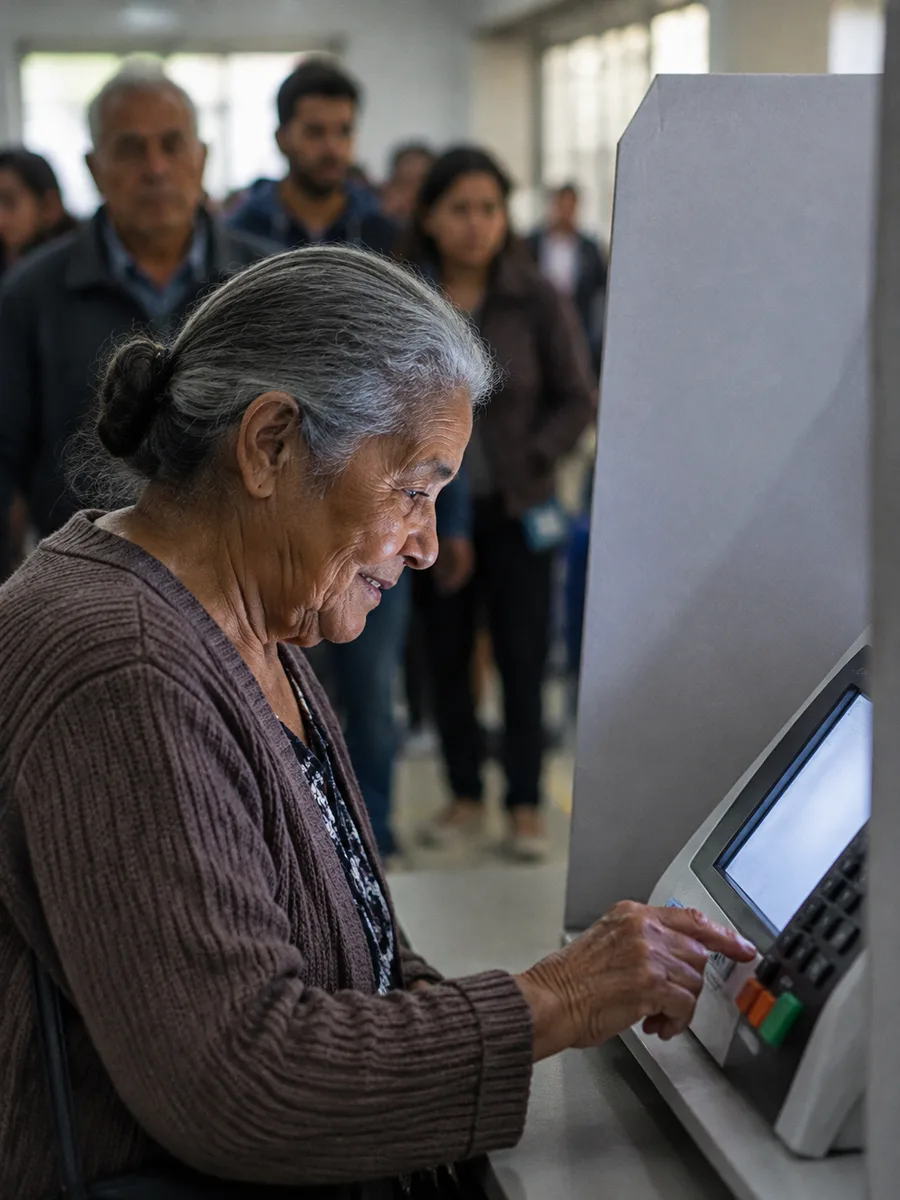









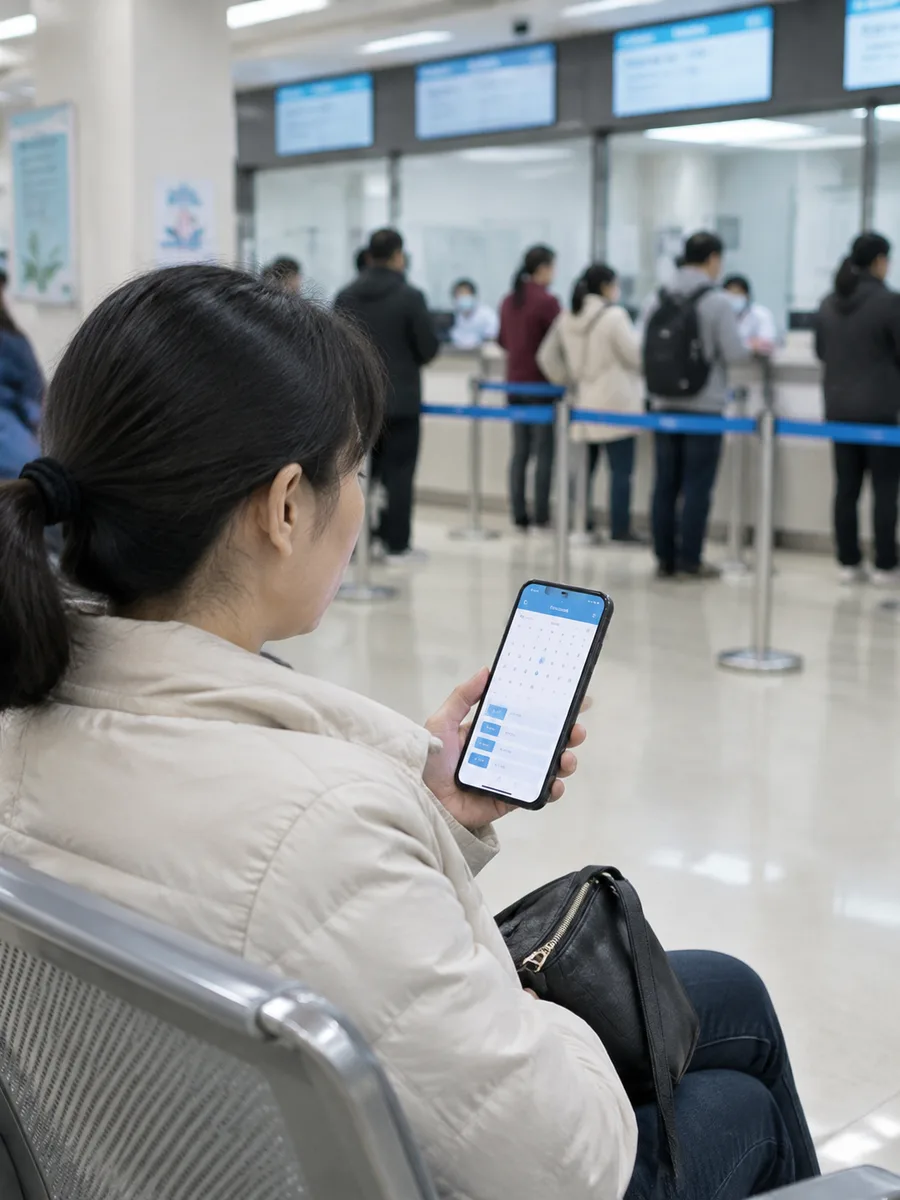



























































































































































































































































HSK 3 Chinese listening episodes

HSK 4 Chinese listening episodes
HSK 5+ Chinese listening episodes
How to actually learn HSK 3 vocabulary
Reading a word on a page and catching it at speed in a sentence are different skills. The HSK listening section tests the second.
Scroll
The method in practice
Hear HSK 3 vocabulary in real Mandarin
Each HSK 3 episode uses this word band, with the transcript, pinyin and line-by-line English. Five free episodes after a one-tap magic-link sign-in — no password, no payment.