

HSK 5 Vocabulary List: 3,599 Words (HSK 3.0)
HSK 5 has 3,599 words in HSK 3.0, 1,599 of them new at this level (the old HSK 2.0 list had 2,500). Fluentide has 292 free stories at the Advanced (HSK 5+) level that use them, with transcript and pinyin.
By Haoshan Hong · Native Mandarin speaker · Updated October 2026
Hear HSK 5 words in a real story

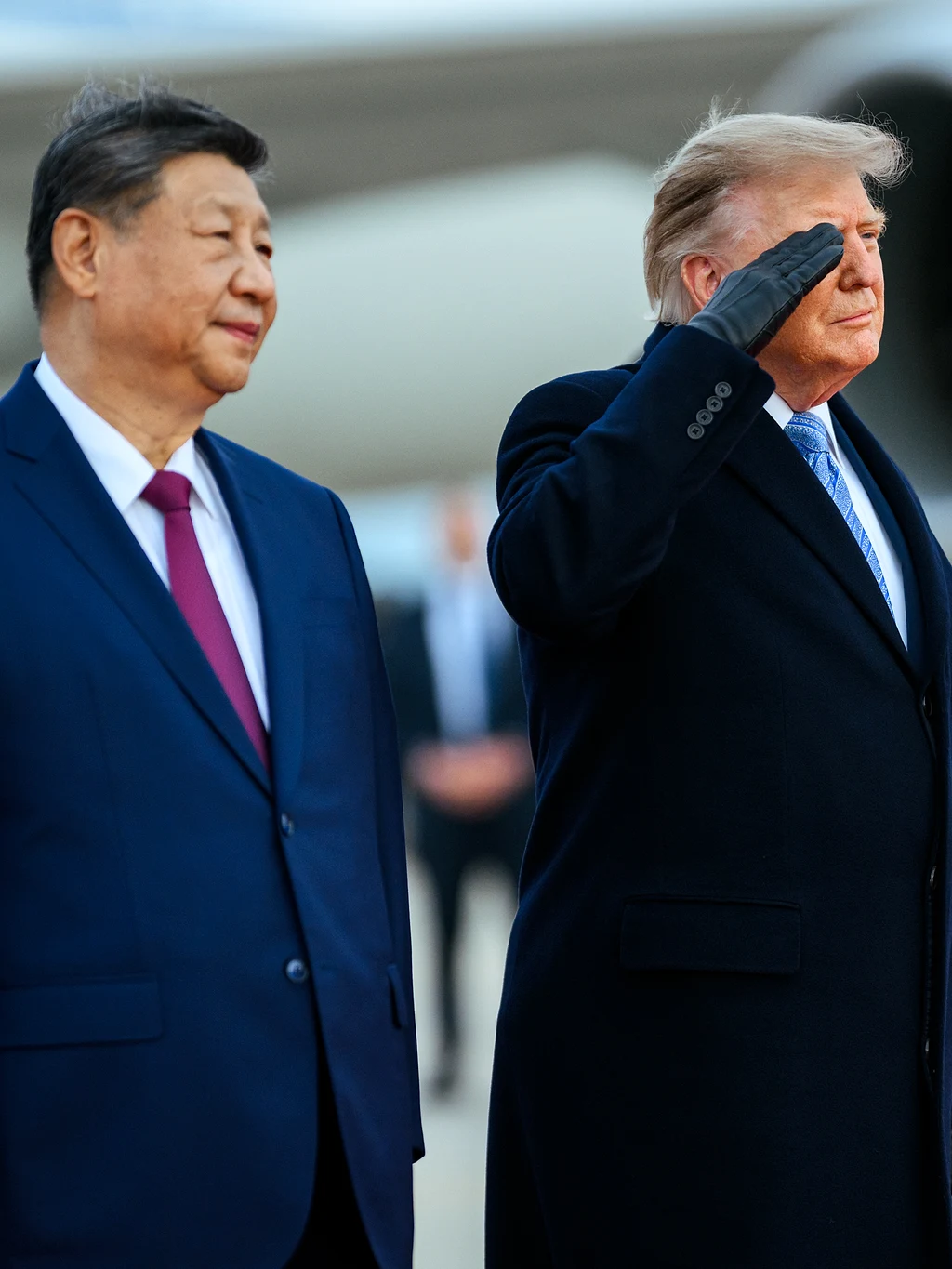
《经济学人》劝华盛顿:让中国抄美国AI
The Economist Urges Washington: Let China Copy American AI — Why Banning Distillation Would Backfire
2 min
What is on the HSK 5 word list?
The other 2,000 come from HSK 1–4. They cover news, business, academic and literary register: the vocabulary of newspapers, lectures, and film dialogue.
Scroll
HSK 5 word list
All 3,557 words from the official HSK 3.0 syllabus, the 1,579 new at HSK 5 first. The syllabus counts 3,599 because a few words are listed once per reading; here each appears once.
Pinyin from the syllabus, definitions from CC-CEDICT. Tap a word for its other senses.
Showing 2801–2850 of 3,557 · page 57 of 72
课文kèwénHSK 3text
- text
- CL:篇
空调kōngtiáoHSK 3air conditioning
- air conditioning
- air conditioner (including units that have a heating mode)
- CL:台
哭kūHSK 3to cry
- to cry
- to weep
筷子kuàiziHSK 3chopsticks
- chopsticks
- CL:对,根,把,双
矿泉水kuàngquánshuǐHSK 3mineral water
- mineral water
- CL:瓶,杯
来自láizìHSK 3to come from (a place)
- to come from (a place)
- From: (in email header)
蓝lánHSK 3blue
- blue
- indigo plant
- surname Lan
老lǎoHSK 3old
- old
- always
- very
- prefix used before the surname of a person or a numeral indicating the order of birth of the children in a family or to indicate affection or familiarity
- old (of people)
- venerable (person)
- experienced
- of long standing
- always
- all the time
- of the past
- very
- outdated
- (of meat etc) tough
老人lǎorénHSK 3old man or woman
- old man or woman
- the elderly
- one's aged parents or grandparents
了解liǎojiěHSK 3to understand
- to understand
- to know about
- to learn about
- to find out
离开líkāiHSK 3to depart
- to depart
- to leave
礼物lǐwùHSK 3gift
- gift
- present
- CL:件,份
历史lìshǐHSK 3history
- history
- CL:门,段
脸liǎnHSK 3face
练liànHSK 3to practice
- to practice
- to train
- to drill
- to perfect (one's skill)
- exercise
- to boil and scour raw silk
- (literary) white silk
练习liànxíHSK 3to practice
- to practice
- exercise
- drill
- practice
- CL:个
凉快liángkuaiHSK 3pleasantly cool (weather etc)
- pleasantly cool (weather etc)
- to cool oneself
- to cool off
- (Tw) (slang) (of clothing) scanty
- revealing
- (coll.) to stay out of it
- to butt out
辆liàngHSK 3classifier for vehicles
- classifier for vehicles
聊liáoHSK 3(coll.) to chat
- (coll.) to chat
- (literary) temporarily
- for a while
- (literary) somewhat
- slightly
- (literary) to depend upon
聊天儿liáotiānrHSK 3to chat
- to chat
- to gossip
邻居línjūHSK 3neighbor
留学liúxuéHSK 3to study abroad
- to study abroad
留学生liúxuéshēngHSK 3student studying abroad
- student studying abroad
- returned student
- foreign student
- international student
楼梯lóutīHSK 3stair
- stair
- staircase
- CL:个
路边lùbiānHSK 3curb
- curb
- roadside
- wayside
路口lùkǒuHSK 3crossing
- crossing
- intersection (of roads)
马mǎHSK 3horse
- horse
- CL:匹
- horse or cavalry piece in Chinese chess
- knight in Western chess
- surname Ma
- abbr. for Malaysia 马来西亚
马路mǎlùHSK 3street
- street
- road
- CL:条
马上mǎshàngHSK 3at once
- at once
- right away
- immediately
- on horseback (i.e. by military force)
满意mǎnyìHSK 3satisfied
- satisfied
- pleased
- to one's satisfaction
毛máoHSK 3hair
- hair
- feather
- down
- wool
- mildew
- mold
- coarse or semifinished
- young
- raw
- careless
- unthinking
- nervous
- scared
- (of currency) to devalue or depreciate
- classifier for Chinese fractional monetary unit ( = 角 , = one-tenth of a yuan or 10 fen 分)
- surname Mao
米mǐHSK 3rice
- rice
- meter
- uncooked rice
- meter (unit of length)
- (slang) Chinese yuan
- surname Mi
面前miànqiánHSK 3in front of
- in front of
- facing
- (in the) presence (of)
名单míngdānHSK 3list of names
- list of names
名人míngrénHSK 3personage
- personage
- celebrity
明白míngbaiHSK 3clear
- clear
- obvious
- unequivocal
- sensible
- reasonable
- to understand
- to realize
男人nánrénHSK 3a man
- a man
- a male
- men
- CL:个
男生nánshēngHSK 3schoolboy
- schoolboy
- male student
- boy
- guy (young adult male)
南nánHSK 3south
- south
- Taiwan pr.
- used in 南无
- surname Nan
南方nánfāngHSK 3south
- south
- southern direction
- (in China) southern regions, often referring to areas south of the Yangtze River
难nánHSK 3difficult (to...)
- difficult (to...)
- problem
- difficulty
- difficult
- not good
- disaster
- distress
- to scold
难过nánguòHSK 3to feel sad
- to feel sad
- to feel unwell
- (of life) to be difficult
难看nánkànHSK 3ugly
- ugly
- unsightly
难题nántíHSK 3difficult problem
- difficult problem
难听nántīngHSK 3unpleasant to hear
- unpleasant to hear
- coarse
- vulgar
- offensive
- shameful
年级niánjíHSK 3grade
- grade
- year (in school, college etc)
- CL:个
年轻niánqīngHSK 3young
牛niúHSK 3ox
- ox
- cow
- bull
- CL:条,头
- newton (abbr. for 牛顿)
- (slang) awesome
- surname Niu
努力nǔlìHSK 3to make an effort
- to make an effort
- to try hard
- to strive
- hard-working
- conscientious
女人nǚrénHSK 3woman
- woman
Stories that use these HSK 5 words
Each one is a Fluentide Advanced (HSK 5+) story, written inside that word band. Press play; the first few need no account.
HSK 2 Chinese listening episodes























































































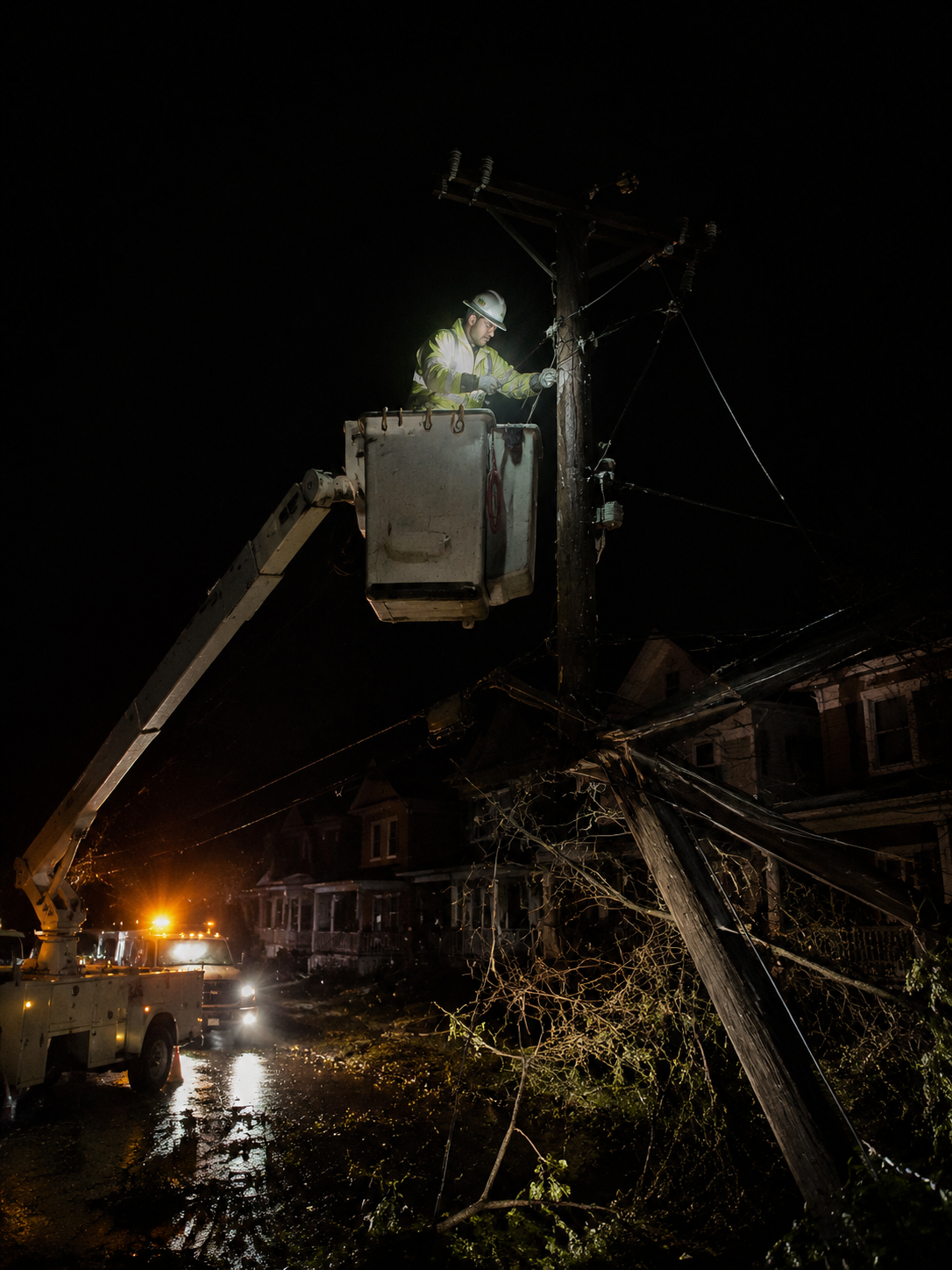














































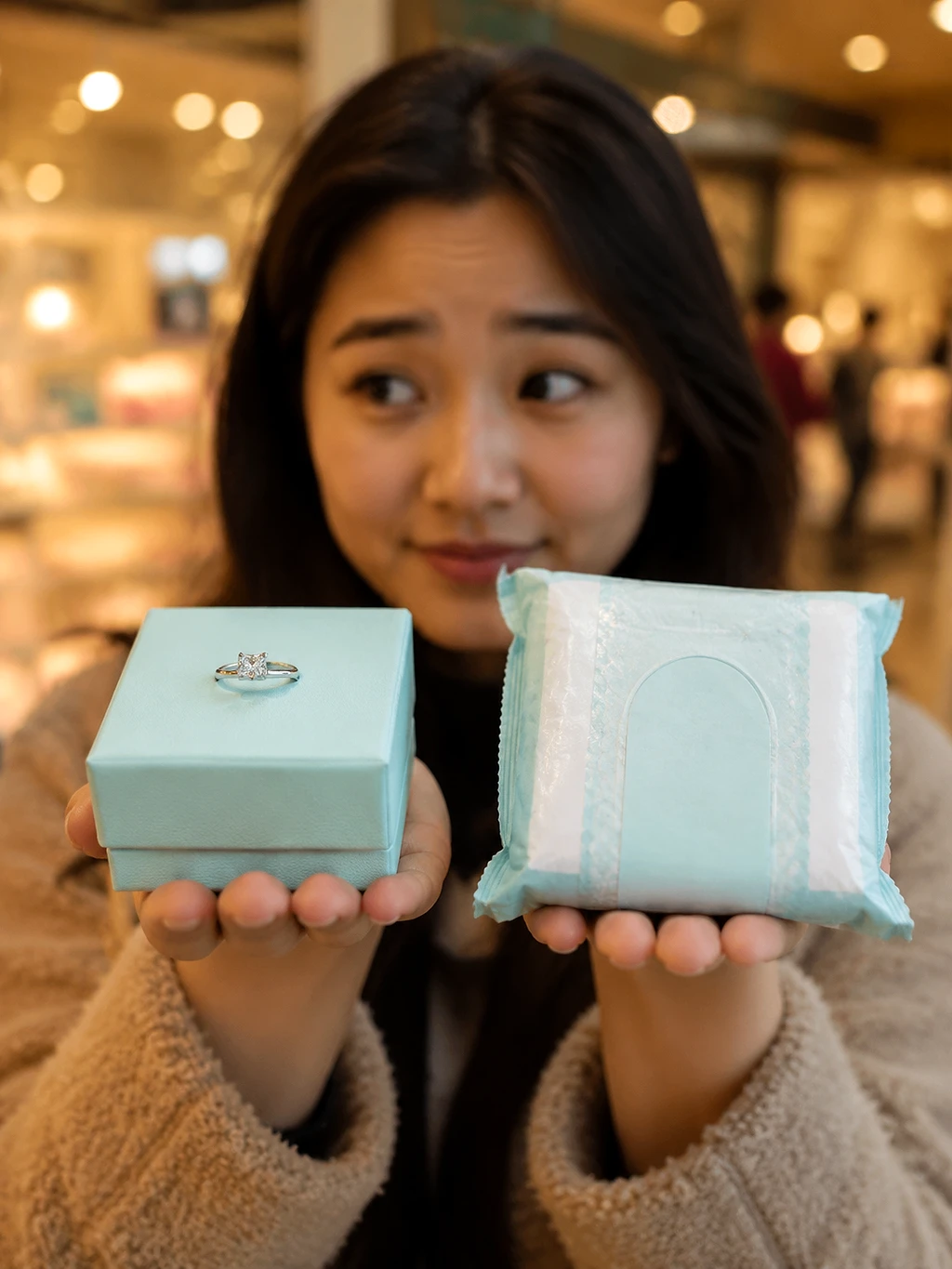










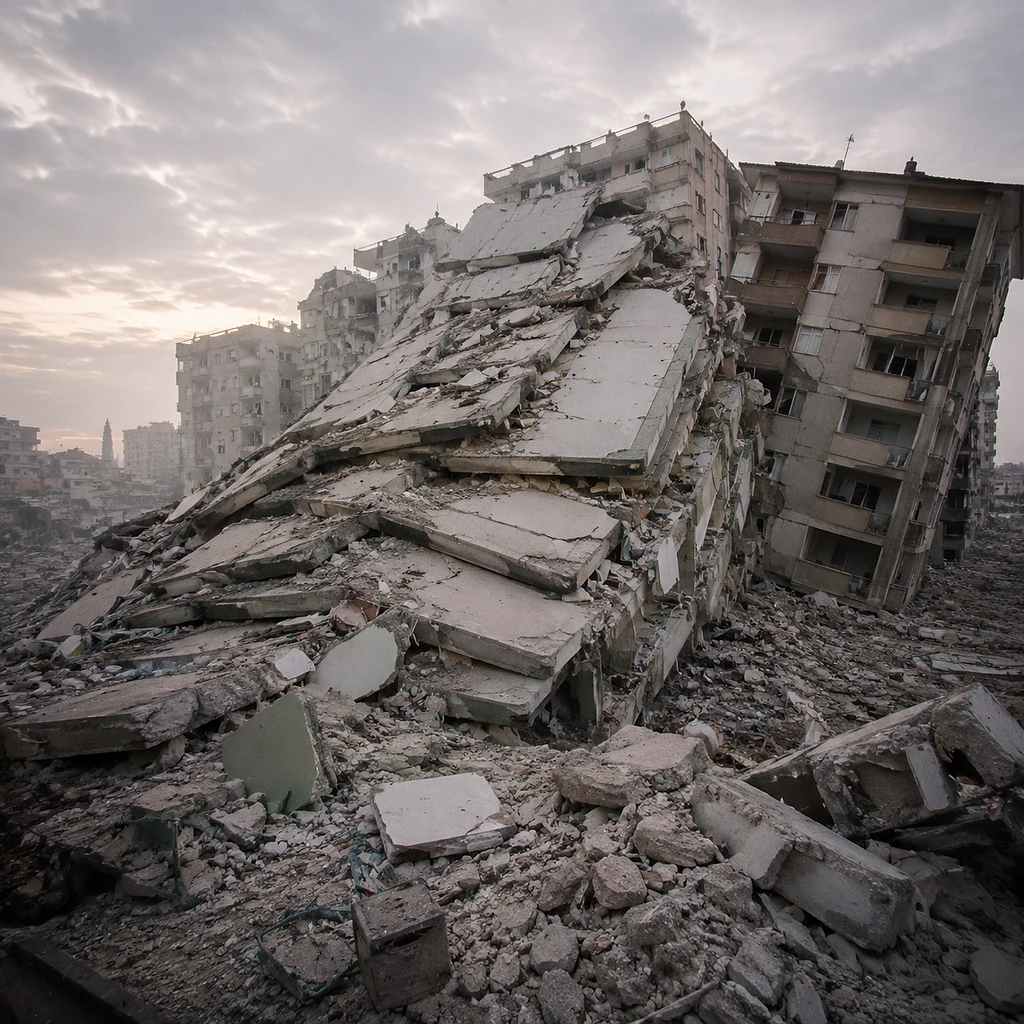
































































































HSK 3 Chinese listening episodes

HSK 4 Chinese listening episodes
HSK 5+ Chinese listening episodes
How to actually learn HSK 5 vocabulary
Reading a word on a page and catching it at speed in a sentence are different skills. The HSK listening section tests the second.
Scroll
The method in practice
Hear HSK 5 vocabulary in real Mandarin
Each HSK 5 episode uses this word band, with the transcript, pinyin and line-by-line English. Five free episodes after a one-tap magic-link sign-in — no password, no payment.