

HSK 2 Vocabulary List: 500 Words (HSK 3.0)
HSK 2 has 500 words in HSK 3.0, 200 of them new at this level (the old HSK 2.0 list had 300). Fluentide has 292 free stories at the Beginner (HSK 2) level that use them, with transcript and pinyin.
By Haoshan Hong · Native Mandarin speaker · Updated October 2026
Hear HSK 2 words in a real story

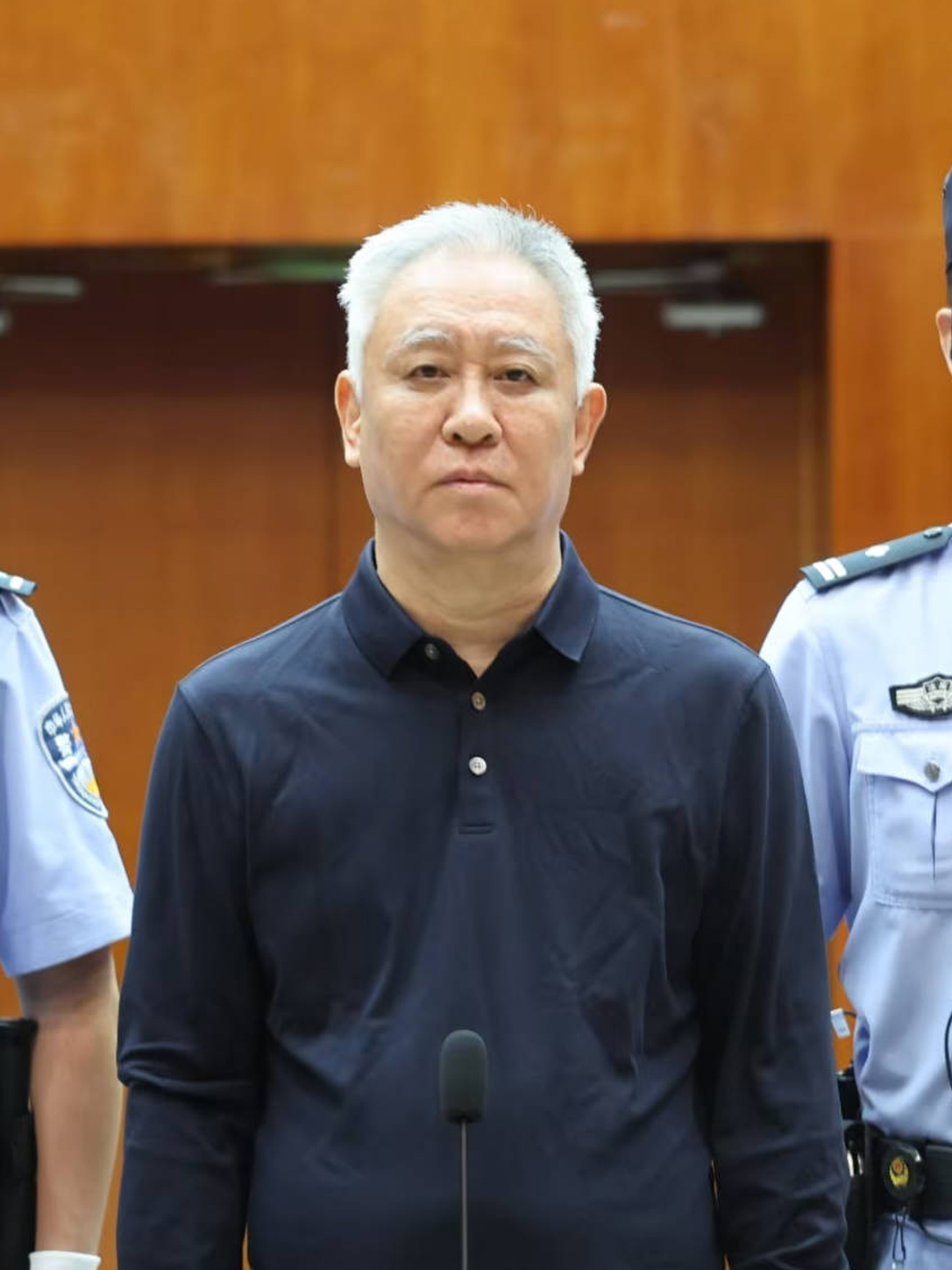
奈飞:用户肯付钱,却看得少了
Netflix Stock Falls 52.8% as Viewing Hours Drop 9% and Ad Revenue Forecast Is Cut
1 min
What is on the HSK 2 word list?
The other 300 come from HSK 1. They cover travel, shopping, weather, health, and simple plans: the first vocabulary that lets you handle a short exchange without English.
Scroll
HSK 2 word list
All 497 words from the official HSK 3.0 syllabus, the 197 new at HSK 2 first. The syllabus counts 500 because a few words are listed once per reading; here each appears once.
Pinyin from the syllabus, definitions from CC-CEDICT. Tap a word for its other senses.
Showing 351–400 of 497 · page 8 of 10
女儿nǚ’érHSK 1daughter
女朋友nǚpéngyouHSK 1girlfriend
- girlfriend
女士nǚshìHSK 1lady
- lady
- madam
- CL:个,位
- Miss
- Ms
朋友péngyouHSK 1friend
- friend
- CL:个,位
漂亮piàoliangHSK 1pretty
- pretty
- beautiful
苹果píngguǒHSK 1apple
七qīHSK 1seven
起床qǐchuángHSK 1to get out of bed
- to get out of bed
- to get up
千qiānHSK 1thousand
- thousand
- used in 秋千
前qiánHSK 1front
- front
- forward
- ahead
- first
- top (followed by a number)
- future
- ago
- before
- BC (e.g. 前293年)
- former
- formerly
钱qiánHSK 1money
- money
- coin
- money
- CL:笔
- unit of weight, one tenth of a tael 两
- surname Qian
请qǐngHSK 1to ask
- to ask
- to invite
- please (do sth)
- to treat (to a meal etc)
- to request
请问qǐngwènHSK 1Excuse me, may I ask...?
- Excuse me, may I ask...?
去qùHSK 1to go
- to go
- to go to (a place)
- (of a time etc) last
- just passed
- to send
- to remove
- to get rid of
- to reduce
- to be apart from in space or time
- to die (euphemism)
- to play (a part)
- (when used either before or after a verb) to go in order to do sth
- (after a verb of motion indicates movement away from the speaker)
- (used after certain verbs to indicate detachment or separation)
去年qùniánHSK 1last year
热rèHSK 1hot
- hot
- heat
- to warm up
- to heat up
- hot (of weather)
- heat
- fervent
人rénHSK 1person
- person
- people
- CL:个,位,名
认识rènshiHSK 1to know
- to know
- to recognize
- to be familiar with
- to get acquainted with sb
- knowledge
- understanding
- awareness
- cognition
日rìHSK 1day
- day
- sun
- (bound form) sun
- day
- day of the month
- (bound form) Japan (abbr. for 日本)
- (vulgar) to fuck
- to have sex with
三sānHSK 1three
- three
- 3
- surname San
商店shāngdiànHSK 1store
- store
- shop
- CL:家
上shàngHSK 1(bound form) up
- (bound form) up
- upper
- above
- previous
- first (of multiple parts)
- to climb
- to get onto
- to go up
- to attend (class or university)
- (directional complement) up
- (noun suffix) on
- above
- used in 上声
上班shàngbānHSK 1to go to work
- to go to work
- to be on duty
- to start work
- to go to the office
上课shàngkèHSK 1to go to class
- to go to class
- to attend class
- to go to teach a class
上午shàngwǔHSK 1morning
上学shàngxuéHSK 1to go to school
- to go to school
- to attend school
少shǎoHSK 1few
- few
- less
- to lack
- to be missing
- to stop (doing sth)
- seldom
- young
谁shéi/shuíHSK 1who
什么shénmeHSK 1what?
- what?
- something
- anything
生病shēngbìngHSK 1to fall ill
十shíHSK 1ten
时候shíhouHSK 1time
- time
- length of time
- moment
- period
时间shíjiānHSK 1(concept of) time
- (concept of) time
- (duration of) time
- (point in) time
事shìHSK 1matter
- matter
- thing
- item
- work
- affair
- CL:件,桩,回
是shìHSK 1to be (followed by substantives only)
- to be (followed by substantives only)
- correct
- right
- true
- (respectful acknowledgement of a command) very well
- (adverb for emphatic assertion)
- variant of 是
手机shǒujīHSK 1cell phone
- cell phone
- mobile phone
- CL:部,台
书shūHSK 1book
- book
- letter
- document
- CL:本,册,部
- to write
- abbr. for 书经
书店shūdiànHSK 1bookstore
- bookstore
- CL:家
水shuǐHSK 1water
- water
- (after a name) ... River
- to swim (used mostly in 会水 and 水性)
- (coll.) lacking in substance
- shoddy
- (bound form) additional cost
- extra income
- classifier for washings of a garment
- surname Shui
- Shui ethnic group
水果shuǐguǒHSK 1fruit
睡shuìHSK 1to sleep
- to sleep
- to lie down
睡觉shuìjiàoHSK 1to go to bed
- to go to bed
- to sleep
说shuōHSK 1to speak
- to speak
- to talk
- to say
- to explain
- to comment
- to scold
- to tell off
- (bound form) theory
- doctrine
- to persuade
- variant of 说
说话shuōhuàHSK 1to speak
- to speak
- to say
- to talk
- to gossip
- to tell stories
- talk
- word
四sìHSK 1four
岁suìHSK 1years old
- years old
- classifier for years (of age)
- year
- year (of crop harvests)
- variant of 岁, year
他tāHSK 1he
- he
- him
- (third-person singular) (since the early 20th century, usu. male) he
- him
- his
- (bound form) other
- another
- some other (as in 他日 and 他人)
他们tāmenHSK 1they
- they
- them
它tāHSK 1it
- it
- it (pronoun for an animal)
它们tāmenHSK 1they
- they
- them
Stories that use these HSK 2 words
Each one is a Fluentide Beginner (HSK 2) story, written inside that word band. Press play; the first few need no account.
HSK 2 Chinese listening episodes









































































































































































































































































HSK 3 Chinese listening episodes

HSK 4 Chinese listening episodes
HSK 5+ Chinese listening episodes
How to actually learn HSK 2 vocabulary
Reading a word on a page and catching it at speed in a sentence are different skills. The HSK listening section tests the second.
Scroll
The method in practice
Hear HSK 2 vocabulary in real Mandarin
Each HSK 2 episode uses this word band, with the transcript, pinyin and line-by-line English. Five free episodes after a one-tap magic-link sign-in — no password, no payment.