

HSK 4 Vocabulary List: 1,200 Words
HSK 4 assumes 1,200 cumulative words — 600 of them new at this level. They cover opinion, comparison, and evaluation — the abstract vocabulary you need to say what you think, not just what happened.
By Haoshan HongNative Mandarin speakerUpdated July 2026
Hear HSK 4 words in a real story

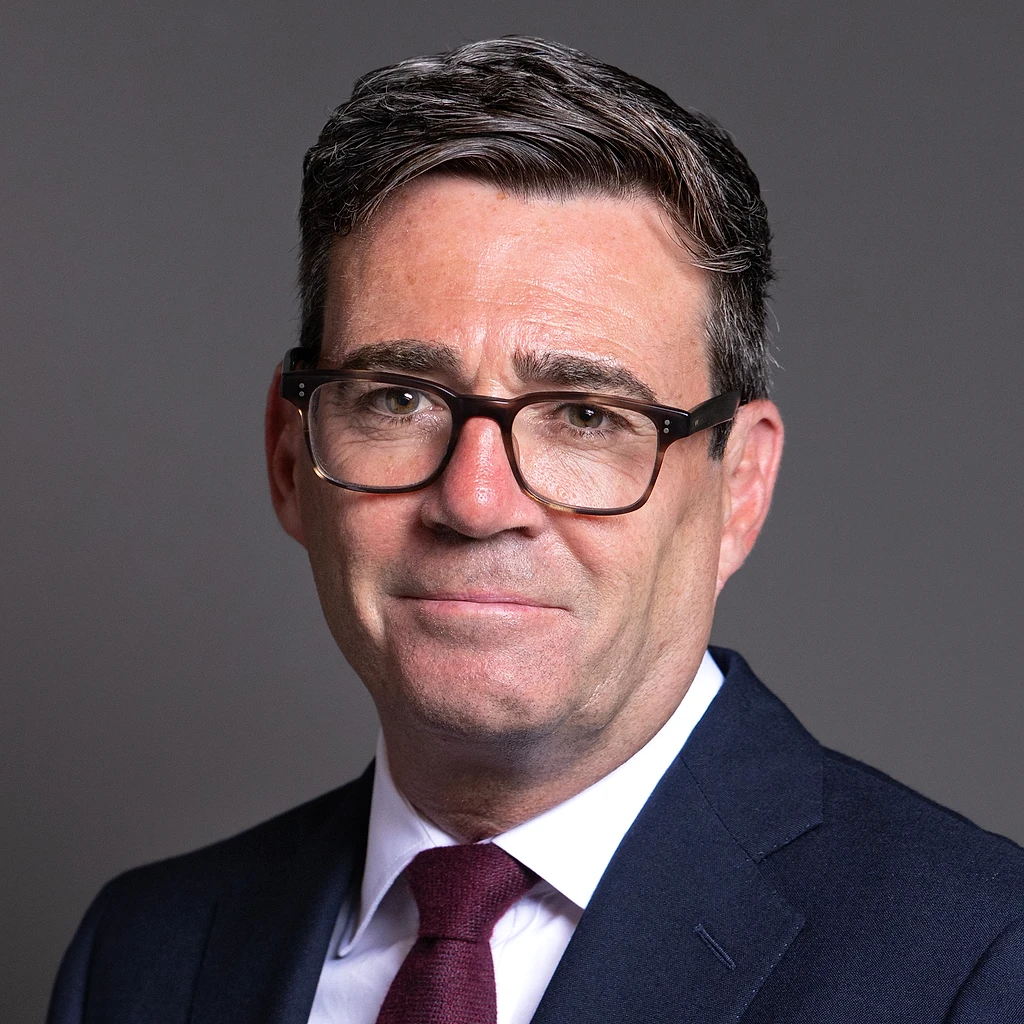
克里斯蒂安·贝尔用了二十年,盖出十二栋房子,只为让寄养的兄弟姐妹不再被分开
Christian Bale Spent Twenty Years Building Twelve Houses So Foster Brothers and Sisters Would Stop Being Split Up
3 min
What is on the HSK 4 word list?
The HSK word lists are published and cumulative, which is what makes the exam a finite target. HSK 4 assumes 1,200 words in total — 600 of them introduced at this level.
They cover opinion, comparison, and evaluation — the abstract vocabulary you need to say what you think, not just what happened.
HSK 4 word list
All 1,193 entries below, straight from the official Hanban HSK 2.0 list. The 598 words new at HSK 4 come first, then earlier levels.
Pinyin and definitions come from CC-CEDICT. Tap any word to see its other senses without leaving the list. Words with a full Fluentide entry — character breakdown, usage notes, example sentences — link out from there.
Showing 601–650 of 1,193 · page 13 of 24
矮ǎiHSK 3(of a person) short
- (of a person) short
- (of a wall etc) low
- (of rank) inferior (to)
- lower (than)
爱好àihàoHSK 3to like
- to like
- to be fond of
- to take pleasure in
- to be keen on
- interest
- hobby
安静ānjìngHSK 3quiet
- quiet
- peaceful
- calm
把bǎHSK 3to hold
- to hold
- to grasp
- to hold a baby in position to help it urinate or defecate
- handlebar
- classifier: handful, bundle, bunch
- classifier for things with handles
- (used to put the object before the verb: 把 + {noun} + {verb})
- handle
班bānHSK 3team
- team
- class
- grade
- (military) squad
- work shift
- classifier for groups of people and scheduled transport vehicles
- surname Ban
搬bānHSK 3to move (i.e. relocate oneself)
- to move (i.e. relocate oneself)
- to move (sth relatively heavy or bulky)
- to shift
- to copy indiscriminately
办法bànfǎHSK 3way of handling sth
- way of handling sth
- means
- measure
- (practical) solution to a problem
- CL:条
办公室bàngōngshìHSK 3office
- office
- business premises
半bànHSK 3half
- half
- semi-
- incomplete
- (after a number) and a half
帮忙bāngmángHSK 3to help
- to help
- to lend a hand
- to do a favor
- to do a good turn
包bāoHSK 3to cover
- to cover
- to wrap
- to hold
- to include
- to take charge of
- to contract (to or for)
- package
- wrapper
- container
- bag
- to hold or embrace
- bundle
- packet
- CL:个,只
- surname Bao
饱bǎoHSK 3to eat till full
- to eat till full
- satisfied
北方běifāngHSK 3north
- north
- the northern part a country
- China north of the Yellow River
被bèiHSK 3quilt
- quilt
- to cover (with)
- (literary) to suffer (a misfortune)
- used to indicate passive voice (placed before the doer of the action like "by" in English passive-voice sentences, or, if the doer is not mentioned, before the verb)
- (since c. 2009) (sarcastic or jocular) used to indicate that the following word should be regarded as being in air quotes (as in 被旅游 to "go on a trip")
鼻子bíziHSK 3nose
比较bǐjiàoHSK 3to compare
- to compare
- to contrast
- comparatively
- relatively
- quite
- comparison
比赛bǐsàiHSK 3competition (sports etc)
- competition (sports etc)
- match
- CL:场,次
- to compete
必须bìxūHSK 3to have to
- to have to
- must
- compulsory
- necessarily
变化biànhuàHSK 3(intransitive) to change
- (intransitive) to change
- to vary
- change
- variation
表示biǎoshìHSK 3(of sb) to express
- (of sb) to express
- to state
- to show
- (of sth) to indicate
- to signify
- to show
- expression
- manifestation
表演biǎoyǎnHSK 3play
- play
- show
- performance
- exhibition
- to perform
- to act
- to demonstrate
- CL:场
别人biérenHSK 3other people
- other people
- others
- other person
宾馆bīnguǎnHSK 3guesthouse
- guesthouse
- lodge
- hotel
- CL:个,家
冰箱bīngxiāngHSK 3refrigerator
- refrigerator
- (old) icebox
才cáiHSK 3ability
- ability
- talent
- sb of a certain type
- a capable individual
- then and only then
- just now
- (before an expression of quantity) only
- (emphatic, esp. in contrast or correction) really
- actually
- (variant of 才) just now
- (variant of 才) (before an expression of quantity) only
菜单càidānHSK 3menu
参加cānjiāHSK 3to participate
- to participate
- to take part
- to join
草cǎoHSK 3grass
- grass
- straw
- manuscript
- draft (of a document)
- careless
- rough
- CL:棵,撮,株,根
- variant of 草
- variant of 肏
层céngHSK 3to pile on top of one another
- to pile on top of one another
- layer
- stratum
- floor (of a building)
- story
- (math.) sheaf
- classifier for layers
差chàHSK 3different
- different
- wrong
- mistaken
- to fall short
- to lack
- not up to standard
- inferior
- Taiwan pr.
- difference
- discrepancy
- (math.) difference (amount remaining after a subtraction)
- (literary) a little
- somewhat
- slightly
- to send (on an errand)
- (archaic) person sent on such an errand
- job
- official post
- used in 参差
超市chāoshìHSK 3supermarket (abbr. for 超级市场)
- supermarket (abbr. for 超级市场)
- CL:家
衬衫chènshānHSK 3shirt
- shirt
- blouse
- CL:件
成绩chéngjìHSK 3achievement
- achievement
- performance records
- grades
- CL:项,个
城市chéngshìHSK 3city
- city
- town
- CL:座
迟到chídàoHSK 3to arrive late
- to arrive late
出现chūxiànHSK 3to appear
- to appear
- to arise
- to emerge
- to show up
除了chúleHSK 3apart from
- apart from
- besides
- in addition to (used to exclude, as in 除了他,除了他,谁也没来 "apart from him, nobody came", or to include, as in 除了英語,除了英语,他也会法语 "in addition to English, he also knows French")
- (used to introduce one of two habitual alternatives in the pattern 除了 + A + 就是 + B, "either A or B")
厨房chúfángHSK 3kitchen
春chūnHSK 3spring (season)
- spring (season)
- gay
- joyful
- youthful
- love
- lust
- life
- surname Chun
- old variant of 春
词语cíyǔHSK 3word (general term including monosyllables through to short phrases)
- word (general term including monosyllables through to short phrases)
- term (e.g. technical term)
- expression
聪明cōngmingHSK 3intelligent
- intelligent
- clever
- bright
- acute (of sight and hearing)
打扫dǎsǎoHSK 3to clean
- to clean
- to sweep
打算dǎsuànHSK 3to plan
- to plan
- to intend
- to calculate
- plan
- intention
- calculation
- CL:个
带dàiHSK 3band
- band
- belt
- girdle
- ribbon
- tire
- area
- zone
- region
- CL:条
- to wear
- to carry
- to take along
- to bear (i.e. to have)
- to lead
- to bring
- to look after
- to raise
担心dānxīnHSK 3anxious
- anxious
- worried
- uneasy
- to worry
- to be anxious
蛋糕dàngāoHSK 3cake
当然dāngránHSK 3only natural
- only natural
- as it should be
- certainly
- of course
- without doubt
地dìHSK 3earth
- earth
- ground
- field
- place
- land
- CL:片
- -ly
- structural particle: used before a verb or adjective, linking it to preceding modifying adverbial adjunct
地方dìfāngHSK 3region
- region
- regional (away from the central administration)
- local
地铁dìtiěHSK 3underground railway
- underground railway
- subway
- subway train
How to actually learn HSK 4 vocabulary
A word list is a checklist, not a method. Recognising a word on a page is a different skill from catching it at speed in a sentence — and the HSK listening section only tests the second one.
Read the list once, do not memorise it
You are looking for which words feel unfamiliar, not trying to learn them here.
Listen at your level daily
Fluentide's HSK 4 episodes are written inside this vocabulary band, so the words arrive in sentences instead of flashcards.
Look a word up only after you have heard it
A word you have already met in audio sticks in one reading. A word you meet cold takes many.
Come back to this list monthly
Use it as a progress check, not a study plan. The gaps you find are what to listen for next.
HSK 4 episodes to hear these words in
Every episode below is written inside the HSK 4 word band and read at HSK 4 speed. Press play — no account needed for the first few.

























































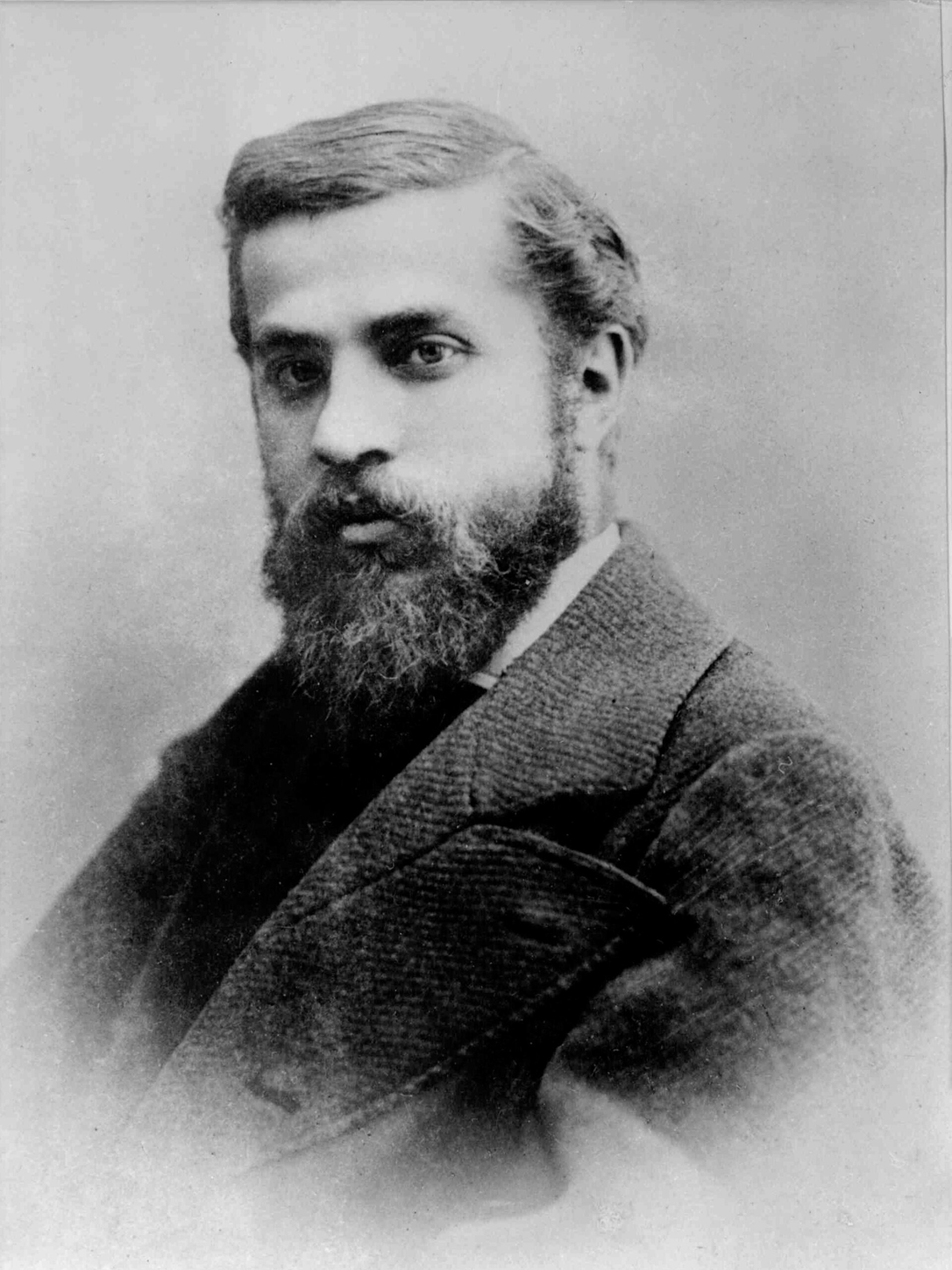
































































































































































HSK 3–4 Chinese listening episodes
Showing 12 of 245
The method in practice
Hear HSK 4 vocabulary in real Mandarin
Every HSK 4 episode is written inside this word band and read at HSK 4 speed, so words stick because you have heard them in a sentence. Full transcript, pinyin toggle, and line-by-line English on every episode. Five free episodes after a one-tap magic-link sign-in — no password, no payment.