

HSK 4 Vocabulary List: 1,200 Words
HSK 4 assumes 1,200 cumulative words — 600 of them new at this level. They cover opinion, comparison, and evaluation — the abstract vocabulary you need to say what you think, not just what happened.
By Haoshan HongNative Mandarin speakerUpdated July 2026
Hear HSK 4 words in a real story

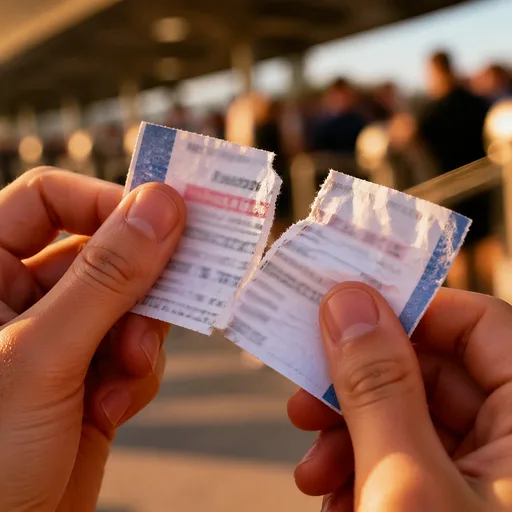
克里斯蒂安·贝尔用了二十年,盖出十二栋房子,只为让寄养的兄弟姐妹不再被分开
Christian Bale Spent Twenty Years Building Twelve Houses So Foster Brothers and Sisters Would Stop Being Split Up
3 min
What is on the HSK 4 word list?
The HSK word lists are published and cumulative, which is what makes the exam a finite target. HSK 4 assumes 1,200 words in total — 600 of them introduced at this level.
They cover opinion, comparison, and evaluation — the abstract vocabulary you need to say what you think, not just what happened.
HSK 4 word list
All 1,193 entries below, straight from the official Hanban HSK 2.0 list. The 598 words new at HSK 4 come first, then earlier levels.
Pinyin and definitions come from CC-CEDICT. Tap any word to see its other senses without leaving the list. Words with a full Fluentide entry — character breakdown, usage notes, example sentences — link out from there.
Showing 751–800 of 1,193 · page 16 of 24
辆liàngHSK 3classifier for vehicles
- classifier for vehicles
邻居línjūHSK 3neighbor
楼lóuHSK 3house with more than 1 story
- house with more than 1 story
- storied building
- floor
- CL:层,座,栋
- surname Lou
绿lu:4HSK 3green
- green
- (slang) (derived from 绿帽子) to cheat on (one's spouse or boyfriend or girlfriend)
- used in names
马mǎHSK 3horse
- horse
- CL:匹
- horse or cavalry piece in Chinese chess
- knight in Western chess
- surname Ma
- abbr. for Malaysia 马来西亚
马上mǎshàngHSK 3at once
- at once
- right away
- immediately
- on horseback (i.e. by military force)
满意mǎnyìHSK 3satisfied
- satisfied
- pleased
- to one's satisfaction
帽子màoziHSK 3hat
- hat
- cap
- (fig.) label
- bad name
- CL:顶
米mǐHSK 3uncooked rice
- uncooked rice
- meter (unit of length)
- (slang) Chinese yuan
- surname Mi
面包miànbāoHSK 3bread
面条miàntiáoHSK 3noodles
明白míngbaiHSK 3clear
- clear
- obvious
- unequivocal
- sensible
- reasonable
- to understand
- to realize
拿náHSK 3to hold
- to hold
- to seize
- to catch
- to apprehend
- to take
- (used in the same way as 把: to mark the following noun as a direct object)
- old variant of 拿
- variant of 拿
奶奶nǎinaiHSK 3(informal) grandma (paternal grandmother)
- (informal) grandma (paternal grandmother)
- (respectful) mistress of the house
- CL:位
- (coll.) boobies
- breasts
南nánHSK 3south
- south
- surname Nan
- used in 南无
- Taiwan pr.
难nánHSK 3difficult (to...)
- difficult (to...)
- problem
- difficulty
- difficult
- not good
- disaster
- distress
- to scold
难过nánguòHSK 3to feel sad
- to feel sad
- to feel unwell
- (of life) to be difficult
年级niánjíHSK 3grade
- grade
- year (in school, college etc)
- CL:个
年轻niánqīngHSK 3young
鸟niǎoHSK 3bird
- bird
- CL:只,群
- "bird" radical in Chinese characters (Kangxi radical 196)
- (dialect) to pay attention to
- (intensifier) damned
- goddamn
- penis
- variant of 屌
努力nǔlìHSK 3to make an effort
- to make an effort
- to try hard
- to strive
- hard-working
- conscientious
爬山páshānHSK 3to go for a hike (esp. in the hills or mountains)
- to go for a hike (esp. in the hills or mountains)
盘子pánziHSK 3tray
- tray
- plate
- dish
- CL:个
胖pàngHSK 3fat
- fat
- plump
- healthy
- at ease
啤酒píjiǔHSK 3beer (loanword)
- beer (loanword)
- CL:杯,瓶,罐,桶,缸
葡萄pútaoHSK 3grape
普通话pǔtōnghuàHSK 3Putonghua
- Putonghua
- standard Mandarin
其实qíshíHSK 3actually
- actually
- in fact
- really
其他qítāHSK 3other
- other
- (sth or sb) else
- the rest
奇怪qíguàiHSK 3strange
- strange
- odd
- to marvel
- to be baffled
骑qíHSK 3to sit astride
- to sit astride
- to ride (a horse, bike etc)
- classifier for saddle horses
- (Tw) saddle horse
- mounted soldier
铅笔qiānbǐHSK 3(lead) pencil
- (lead) pencil
- CL:支,枝,杆
清楚qīngchuHSK 3clear
- clear
- distinct
- to understand thoroughly
- to be clear about
秋qiūHSK 3autumn
- autumn
- fall
- harvest time
- surname Qiu
- used in 秋千
- old variant of 秋
裙子qúnziHSK 3skirt
然后ránhòuHSK 3then
- then
- after that
- afterwards
热情rèqíngHSK 3cordial
- cordial
- enthusiastic
- passion
- passionate
- passionately
认为rènwéiHSK 3to believe
- to believe
- to think
- to consider
- to feel
认真rènzhēnHSK 3conscientious
- conscientious
- earnest
- serious
- to take seriously
- to take to heart
容易róngyìHSK 3easy
- easy
- straightforward
- likely
- liable to
- apt to
如果rúguǒHSK 3if
- if
- in case
- in the event that
伞sǎnHSK 3umbrella
- umbrella
- parasol
- CL:把
- damask silk
- variant of 伞
上网shàngwǎngHSK 3to go online
- to go online
- to connect to the Internet
- (of a document etc) to be uploaded to the Internet
- (tennis, volleyball etc) to move in close to the net
生气shēngqìHSK 3to get angry
- to get angry
- to be furious
- vitality
- liveliness
声音shēngyīnHSK 3sound
使shǐHSK 3to make
- to make
- to cause
- to enable
- to use
- to employ
- to send
- to instruct sb to do sth
- envoy
- messenger
世界shìjièHSK 3world
瘦shòuHSK 3thin
- thin
- to lose weight
- (of clothing) tight
- (of meat) lean
- (of land) unproductive
叔叔shūshuHSK 3father's younger brother
- father's younger brother
- paternal uncle
- form of address used by children for a male one generation older
舒服shūfuHSK 3comfortable
- comfortable
- feeling well
How to actually learn HSK 4 vocabulary
A word list is a checklist, not a method. Recognising a word on a page is a different skill from catching it at speed in a sentence — and the HSK listening section only tests the second one.
Read the list once, do not memorise it
You are looking for which words feel unfamiliar, not trying to learn them here.
Listen at your level daily
Fluentide's HSK 4 episodes are written inside this vocabulary band, so the words arrive in sentences instead of flashcards.
Look a word up only after you have heard it
A word you have already met in audio sticks in one reading. A word you meet cold takes many.
Come back to this list monthly
Use it as a progress check, not a study plan. The gaps you find are what to listen for next.
HSK 4 episodes to hear these words in
Every episode below is written inside the HSK 4 word band and read at HSK 4 speed. Press play — no account needed for the first few.









































































































































































































































HSK 3–4 Chinese listening episodes
Showing 12 of 245
The method in practice
Hear HSK 4 vocabulary in real Mandarin
Every HSK 4 episode is written inside this word band and read at HSK 4 speed, so words stick because you have heard them in a sentence. Full transcript, pinyin toggle, and line-by-line English on every episode. Five free episodes after a one-tap magic-link sign-in — no password, no payment.