

HSK 4 Vocabulary List: 1,200 Words
HSK 4 assumes 1,200 cumulative words — 600 of them new at this level. They cover opinion, comparison, and evaluation — the abstract vocabulary you need to say what you think, not just what happened.
By Haoshan Hong · Native Mandarin speaker · Updated July 2026
Hear HSK 4 words in a real story

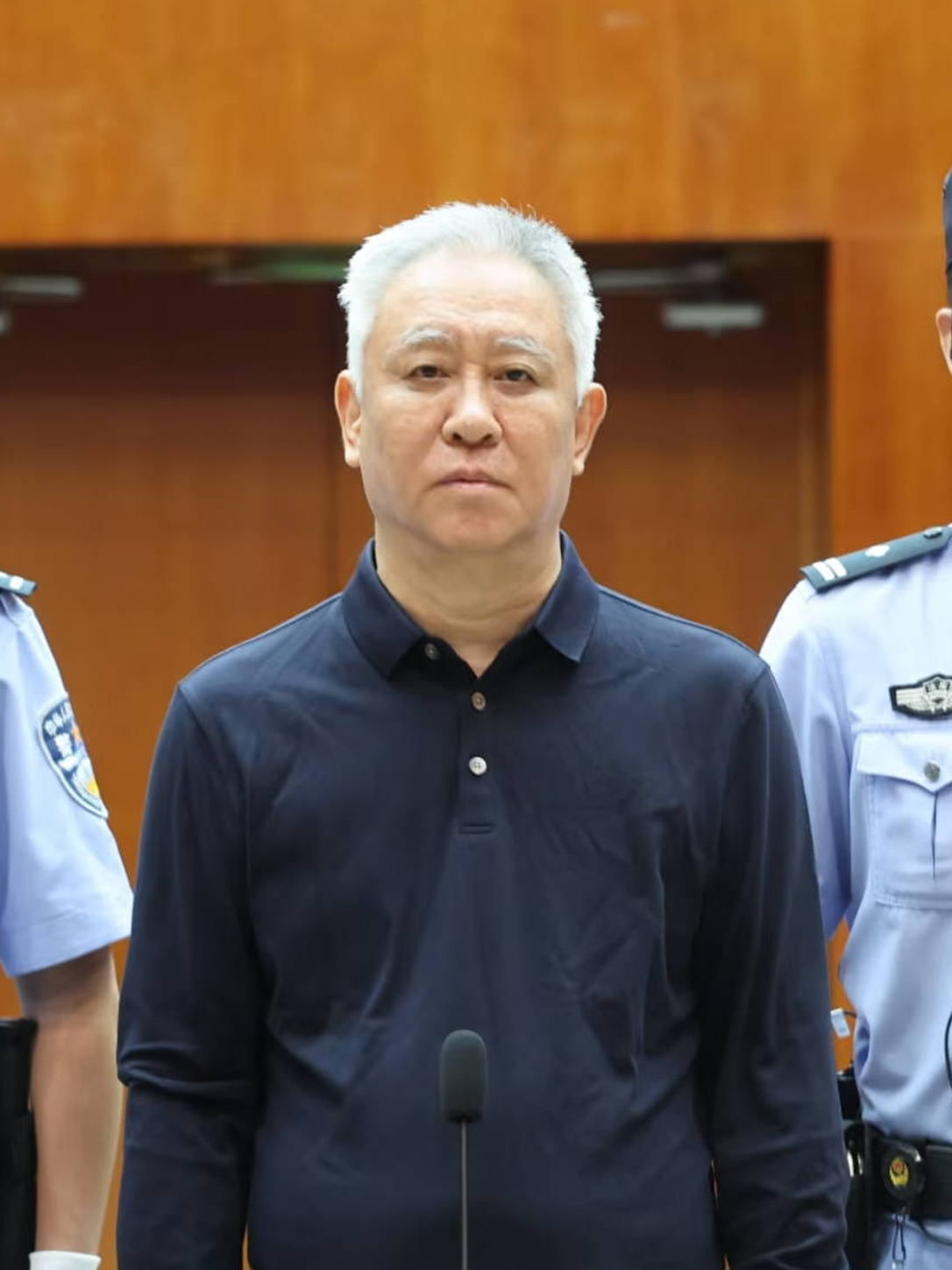
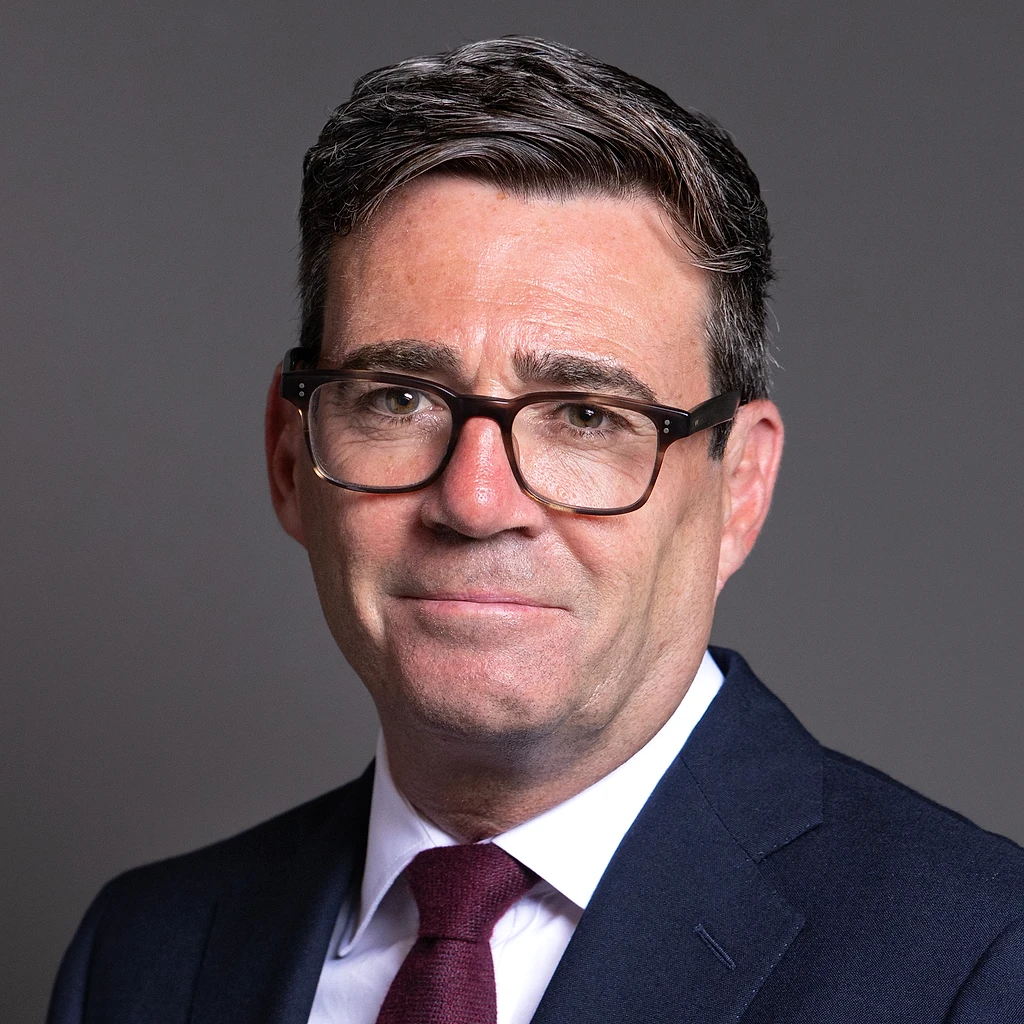
克里斯蒂安·贝尔用了二十年,盖出十二栋房子,只为让寄养的兄弟姐妹不再被分开
Christian Bale Spent Twenty Years Building Twelve Houses So Foster Brothers and Sisters Would Stop Being Split Up
3 min
What is on the HSK 4 word list?
The HSK word lists are published and cumulative, which is what makes the exam a finite target. HSK 4 assumes 1,200 words in total — 600 of them introduced at this level.
They cover opinion, comparison, and evaluation — the abstract vocabulary you need to say what you think, not just what happened.
HSK 4 word list
All 1,193 entries below, straight from the official Hanban HSK 2.0 list. The 598 words new at HSK 4 come first, then earlier levels.
Pinyin and definitions come from CC-CEDICT. Tap any word to see its other senses without leaving the list. Words with a full Fluentide entry — character breakdown, usage notes, example sentences — link out from there.
Showing 801–850 of 1,193 · page 17 of 24
树shùHSK 3tree
- tree
- CL:棵
- to cultivate
- to set up
数学shùxuéHSK 3mathematics
刷shuāHSK 3a brush
- a brush
- to paint
- to daub
- to brush
- to scrub
- (fig.) to remove
- to eliminate (from a contest)
- to fire (from a job)
- (onom.) swish
- rustle
- to swipe (a card)
- to scroll on (a phone)
- (gaming) to grind
- to farm (for experience points, equipment, levels etc)
- to select
双shuāngHSK 3two
- two
- double
- pair
- both
- even (number)
- surname Shuang
- variant of 双
水平shuǐpíngHSK 3horizontal
- horizontal
- level
- a standard
- a level (of ability, development etc)
司机sījīHSK 3chauffeur
- chauffeur
- driver
虽然suīránHSK 3although
- although
- even though (often used correlatively with 可是 or 但是 etc)
太阳tàiyangHSK 3sun
- sun
- sunlight
- sunshine
- temple (on the side of the human head) (abbr. for 太阳穴)
糖tángHSK 3sugar
- sugar
- sweets
- candy
- CL:颗,块
- old variant of 糖
特别tèbiéHSK 3unusual
- unusual
- special
- very
- especially
- particularly
- expressly
- for a specific purpose
- (often followed by 是) in particular
疼téngHSK 3(it) hurts
- (it) hurts
- sore
- to love dearly
提高tígāoHSK 3to raise
- to raise
- to increase
- to improve
体育tǐyùHSK 3sports
- sports
- physical education
甜tiánHSK 3sweet
- sweet
- (fig.) pleasant
- endearing
- lovely
条tiáoHSK 3strip
- strip
- item
- article
- clause (of law or treaty)
- classifier for long thin things (ribbon, river, road, trousers etc)
同事tóngshìHSK 3colleague
- colleague
- co-worker
同意tóngyìHSK 3to agree
- to agree
- to consent
- to approve
头发tóufaHSK 3hair (on the head)
- hair (on the head)
突然tūránHSK 3sudden
- sudden
- abrupt
- unexpected
图书馆túshūguǎnHSK 3library
- library
- CL:家,个
腿tuǐHSK 3leg
- leg
- CL:条
- hip bone
- old variant of 腿
完成wánchéngHSK 3to complete
- to complete
- to accomplish
碗wǎnHSK 3bowl
- bowl
- cup
- CL:只,个
- variant of 碗
- variant of 碗
- variant of 碗
万wànHSK 3ten thousand
- ten thousand
- a great number
- surname Wan
- used in 万俟
忘记wàngjìHSK 3to forget
为了wèileHSK 3for
- for
- for the purpose of
- in order to
为什么wèishénmeHSK 3why?
- why?
- for what reason?
位wèiHSK 3position
- position
- location
- place
- seat
- classifier for people (honorific)
- classifier for binary bits (e.g. 十六位 16-bit or 2 bytes)
- (physics) potential
文化wénhuàHSK 3culture
- culture
- civilization
- cultural
- CL:个,种
西xīHSK 3west
- west
- the West
- Spanish
- abbr. for Spain 西班牙
习惯xíguànHSK 3habit
- habit
- custom
- usual practice
- to be used to
- CL:个
洗手间xǐshǒujiānHSK 3toilet
- toilet
- lavatory
- washroom
洗澡xǐzǎoHSK 3to bathe
- to bathe
- to take a shower
夏xiàHSK 3summer
- summer
- the Xia or Hsia dynasty c. 2000 BC
- Xia of the Sixteen Kingdoms (407–432)
- surname Xia
先xiānHSK 3beforehand
- beforehand
- first
- earlier
- at first
- originally
- for the time being
- for now
- (prefix) my late (in referring to deceased relatives older than oneself)
相同xiāngtóngHSK 3identical
- identical
- same
相信xiāngxìnHSK 3to believe
- to believe
- to be convinced
- to accept as true
香蕉xiāngjiāoHSK 3banana
- banana
- CL:根,把
像xiàngHSK 3to resemble
- to resemble
- to be like
- to look as if
- such as
- appearance
- image
- portrait
- image under a mapping (math.)
小心xiǎoxīnHSK 3to be careful
- to be careful
- to take care
校长xiàozhǎngHSK 3(college, university) president
- (college, university) president
- headmaster
- CL:个,位,名
鞋xiéHSK 3shoe
- shoe
- CL:双,只
- variant of 鞋
新闻xīnwénHSK 3news
新鲜xīnxiānHSK 3fresh (experience, food etc)
- fresh (experience, food etc)
- freshness
- novel
- uncommon
信xìnHSK 3letter
- letter
- CL:封
- to trust
- to believe
- to profess faith in
- truthful
- confidence
- trust
- at will
- at random
行李箱xínglixiāngHSK 3suitcase
- suitcase
- baggage compartment
- overhead bin
- (car) trunk
- boot
兴趣xìngqùHSK 3interest (desire to know about sth)
- interest (desire to know about sth)
- interest (thing in which one is interested)
- hobby
熊猫xióngmāoHSK 3panda
需要xūyàoHSK 3to need
- to need
- to want
- to demand
- to require
- needs
选择xuǎnzéHSK 3to select
- to select
- to pick
- choice
- option
- alternative
How to actually learn HSK 4 vocabulary
A word list is a checklist, not a method. Recognising a word on a page is a different skill from catching it at speed in a sentence — and the HSK listening section only tests the second one.
Read the list once, do not memorise it
You are looking for which words feel unfamiliar, not trying to learn them here.
Listen at your level daily
Fluentide's HSK 4 episodes are written inside this vocabulary band, so the words arrive in sentences instead of flashcards.
Look a word up only after you have heard it
A word you have already met in audio sticks in one reading. A word you meet cold takes many.
Come back to this list monthly
Use it as a progress check, not a study plan. The gaps you find are what to listen for next.
HSK 4 episodes to hear these words in
Every episode below is written inside the HSK 4 word band and read at HSK 4 speed. Press play — no account needed for the first few.
HSK 1 Chinese listening episodes





























































































































































































































HSK 2 Chinese listening episodes

HSK 3–4 Chinese listening episodes
Showing 12 of 245
HSK 5–6 Chinese listening episodes
Showing 12 of 246
The method in practice
Hear HSK 4 vocabulary in real Mandarin
Every HSK 4 episode is written inside this word band and read at HSK 4 speed, so words stick because you have heard them in a sentence. Full transcript, pinyin toggle, and line-by-line English on every episode. Five free episodes after a one-tap magic-link sign-in — no password, no payment.