

HSK 4 Vocabulary List: 1,200 Words
HSK 4 assumes 1,200 cumulative words — 600 of them new at this level. They cover opinion, comparison, and evaluation — the abstract vocabulary you need to say what you think, not just what happened.
By Haoshan HongNative Mandarin speakerUpdated July 2026
Hear HSK 4 words in a real story

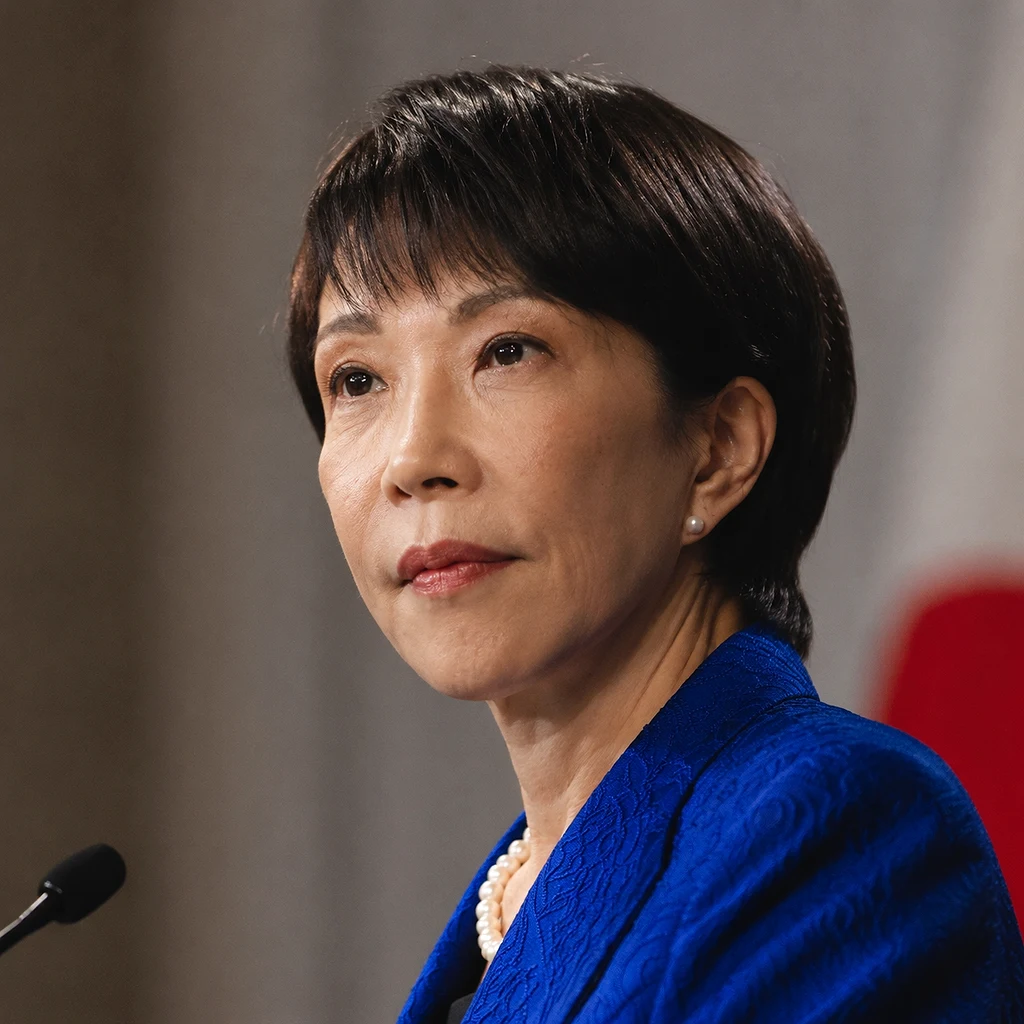
克里斯蒂安·贝尔用了二十年,盖出十二栋房子,只为让寄养的兄弟姐妹不再被分开
Christian Bale Spent Twenty Years Building Twelve Houses So Foster Brothers and Sisters Would Stop Being Split Up
3 min
What is on the HSK 4 word list?
The HSK word lists are published and cumulative, which is what makes the exam a finite target. HSK 4 assumes 1,200 words in total — 600 of them introduced at this level.
They cover opinion, comparison, and evaluation — the abstract vocabulary you need to say what you think, not just what happened.
HSK 4 word list
All 1,193 entries below, straight from the official Hanban HSK 2.0 list. The 598 words new at HSK 4 come first, then earlier levels.
Pinyin and definitions come from CC-CEDICT. Tap any word to see its other senses without leaving the list. Words with a full Fluentide entry — character breakdown, usage notes, example sentences — link out from there.
Showing 851–900 of 1,193 · page 18 of 24
眼镜yǎnjìngHSK 3spectacles
- spectacles
- eyeglasses
- CL:副
要求yāoqiúHSK 3to request
- to request
- to require
- requirement
- to stake a claim
- to ask
- to demand
- CL:点
爷爷yéyeHSK 3(coll.) paternal grandfather
- (coll.) paternal grandfather
- grandpa
一般yībānHSK 3same
- same
- ordinary
- so-so
- common
- general
- generally
- in general
一边yībiānHSK 3one side
- one side
- either side
- on the one hand
- on the other hand
- doing while
一定yīdìngHSK 3surely
- surely
- certainly
- definitely
- fixed
- settled
- a certain ...
- a given ...
一共yīgòngHSK 3in total
- in total
- altogether
一会儿yīhuìrHSK 3a moment
- a moment
- a while
- in a moment
- now...now...
- also pr.
一样yīyàngHSK 3same
- same
- like
- equal to
- the same as
- just like
一直yīzhíHSK 3straight (in a straight line)
- straight (in a straight line)
- continuously
- always
- all the way through
以后yǐhòuHSK 3after
- after
- later
- afterwards
- following
- later on
- in the future
以前yǐqiánHSK 3before
- before
- formerly
- previous
- ago
以为yǐwéiHSK 3to think
- to think
- to believe (often with the implication that the belief is mistaken – unless referring to one's own current belief)
音乐yīnyuèHSK 3music
- music
- CL:张,曲,段
银行yínhángHSK 3bank
应该yīnggāiHSK 3ought to
- ought to
- should
- must
影响yǐngxiǎngHSK 3influence
- influence
- effect
- to influence
- to affect (usually adversely)
- to disturb
- CL:股
用yòngHSK 3to use
- to use
- to make use of
- to employ
- (coverb) with
- using
- to need
- to have to (usu. used in the negative or in questions)
- usefulness
- utility
- (bound form) expense
- outlay
- (courteous) to eat
- to drink
- (literary) hence
- therefore
游戏yóuxìHSK 3game (CL:场)
- game (CL:场)
- to play
有名yǒumíngHSK 3famous
- famous
- well-known
又yòuHSK 3(once) again
- (once) again
- also
- both... and...
- and yet
- (used for emphasis) anyway
遇到yùdàoHSK 3to meet
- to meet
- to run into
- to come across
愿意yuànyìHSK 3to wish
- to wish
- to want
- ready
- willing (to do sth)
月亮yuèliangHSK 3the moon
越yuèHSK 3to exceed
- to exceed
- to climb over
- to surpass
- the more... the more
- generic word for peoples or states of south China or south Asia at different historical periods
- abbr. for Vietnam 越南
云yúnHSK 3(classical) to say
- (classical) to say
- cloud
- CL:朵
- surname Yun
- short name for Yunnan 云南
站zhànHSK 3station
- station
- to stand
- to halt
- to stop
- branch of a company or organization
- website
照顾zhàoguHSK 3to take care of
- to take care of
- to show consideration
- to attend to
- to look after
照片zhàopiànHSK 3photograph
- photograph
- CL:张,幅
照相机zhàoxiàngjīHSK 3camera
- camera
- CL:台,部,架
着急zháojíHSK 3to worry
- to worry
- to feel anxious
- to feel a sense of urgency
- to be in a hurry
- Taiwan pr.
只zhīHSK 3grain that has begun to ripen
- grain that has begun to ripen
- classifier for birds and certain animals, one of a pair, some utensils, vessels etc
- only
- merely
- just
- variant of 只
- variant of 只
- variant of 只
中间zhōngjiānHSK 3the middle
- the middle
- the inside
- in the middle
- within
- between
- among
- during
- in the meantime
终于zhōngyúHSK 3at last
- at last
- in the end
- finally
- eventually
种zhǒngHSK 3seed
- seed
- species
- kind
- type
- classifier for types, kinds, sorts
- to plant
- to grow
- to cultivate
重要zhòngyàoHSK 3important
- important
- significant
- major
周末zhōumòHSK 3weekend
主要zhǔyàoHSK 3main
- main
- principal
- major
- primary
注意zhùyìHSK 3to take note of
- to take note of
- to pay attention to
祝zhùHSK 3to pray for
- to pray for
- to wish (sb bon voyage, happy birthday etc)
- person who invokes the spirits during sacrificial ceremonies
- surname Zhu
字典zìdiǎnHSK 3Chinese character dictionary (containing entries for single characters, contrasted with a 词典, which has entries for words of one or more characters)
- Chinese character dictionary (containing entries for single characters, contrasted with a 词典, which has entries for words of one or more characters)
- (coll.) dictionary
- CL:本
自己zìjǐHSK 3oneself
- oneself
- (attributive) one's own
总是zǒngshìHSK 3always
最近zuìjìnHSK 3recently
- recently
- soon
- nearest
作业zuòyèHSK 3school assignment
- school assignment
- homework
- work
- task
- operation
- CL:个
- to operate
作用zuòyòngHSK 3to act on
- to act on
- to affect
- action
- function
- activity
- impact
- result
- effect
- purpose
- intent
- (suffix) -ation, -tion etc, as in 抑制作用, inhibition
吧baHSK 2(modal particle indicating suggestion or surmise)
- (modal particle indicating suggestion or surmise)
- ...right?
- ...OK?
- ...I presume.
- bar (loanword) (serving drinks, or providing Internet access etc)
- to puff (on a pipe etc)
- (onom.) bang
- (onom.) smack!
- abbr. for 贴吧
白báiHSK 2white
- white
- in vain
- free of charge
- (bound form) (of facts, the truth, a situation) clear
- evident (e.g. 真相大白)
- (bound form) plain
- without additions (e.g. 白饭)
- (bound form) to explain
- to state (e.g. 辩白)
- (bound form) to give a disdainful look (e.g. 白了他一眼)
- (bound form) vernacular (e.g. 白话)
- (bound form) spoken lines in opera (e.g. 念白)
- (bound form) reactionary
- anti-communist (e.g. 白区)
- surname Bai
- Bai ethnic group
百bǎiHSK 2hundred
- hundred
- numerous
- all kinds of
- surname Bai
帮助bāngzhùHSK 2assistance
- assistance
- aid
- to help
- to assist
How to actually learn HSK 4 vocabulary
A word list is a checklist, not a method. Recognising a word on a page is a different skill from catching it at speed in a sentence — and the HSK listening section only tests the second one.
Read the list once, do not memorise it
You are looking for which words feel unfamiliar, not trying to learn them here.
Listen at your level daily
Fluentide's HSK 4 episodes are written inside this vocabulary band, so the words arrive in sentences instead of flashcards.
Look a word up only after you have heard it
A word you have already met in audio sticks in one reading. A word you meet cold takes many.
Come back to this list monthly
Use it as a progress check, not a study plan. The gaps you find are what to listen for next.
HSK 4 episodes to hear these words in
Every episode below is written inside the HSK 4 word band and read at HSK 4 speed. Press play — no account needed for the first few.



















































































































































































































HSK 3–4 Chinese listening episodes
Showing 12 of 245
The method in practice
Hear HSK 4 vocabulary in real Mandarin
Every HSK 4 episode is written inside this word band and read at HSK 4 speed, so words stick because you have heard them in a sentence. Full transcript, pinyin toggle, and line-by-line English on every episode. Five free episodes after a one-tap magic-link sign-in — no password, no payment.