

HSK 4 Vocabulary List: 1,200 Words
HSK 4 assumes 1,200 cumulative words — 600 of them new at this level. They cover opinion, comparison, and evaluation — the abstract vocabulary you need to say what you think, not just what happened.
By Haoshan HongNative Mandarin speakerUpdated July 2026
Hear HSK 4 words in a real story

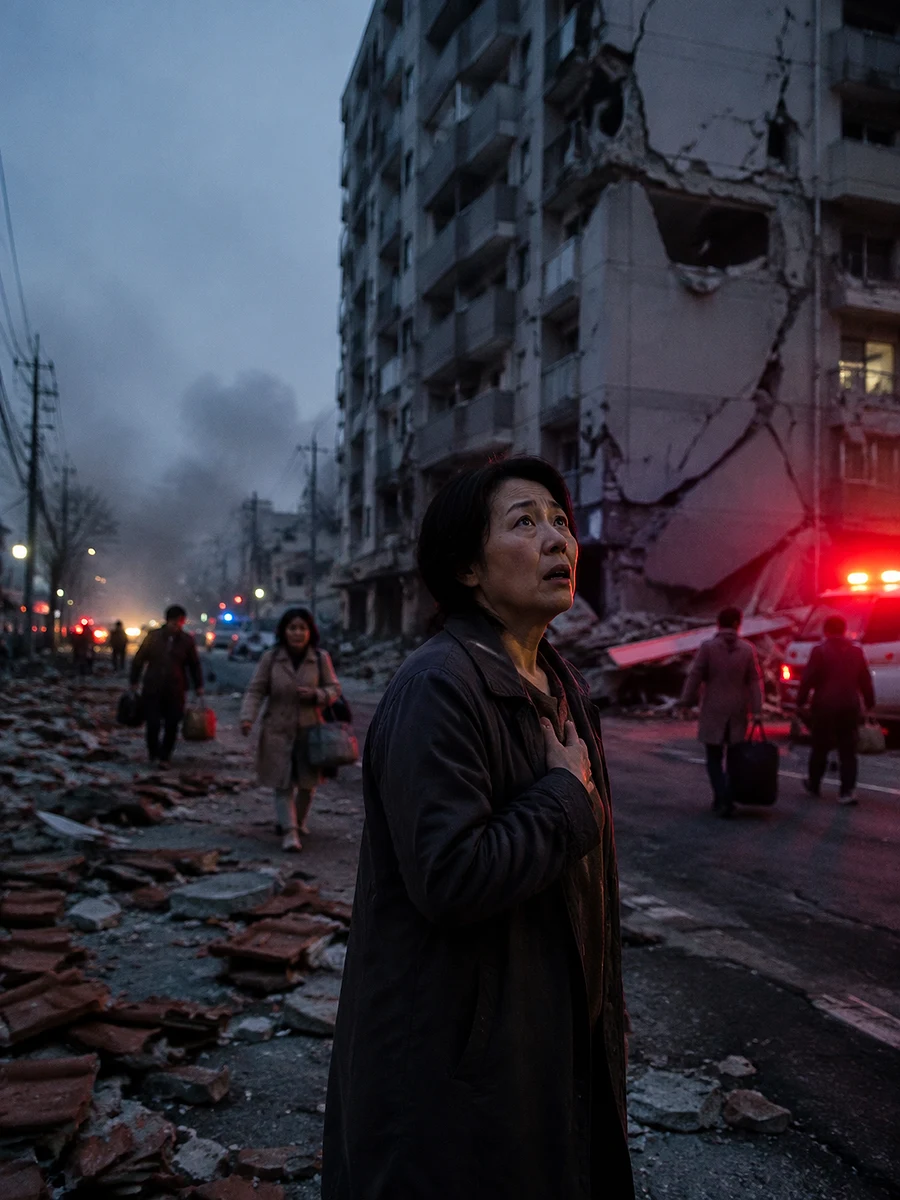
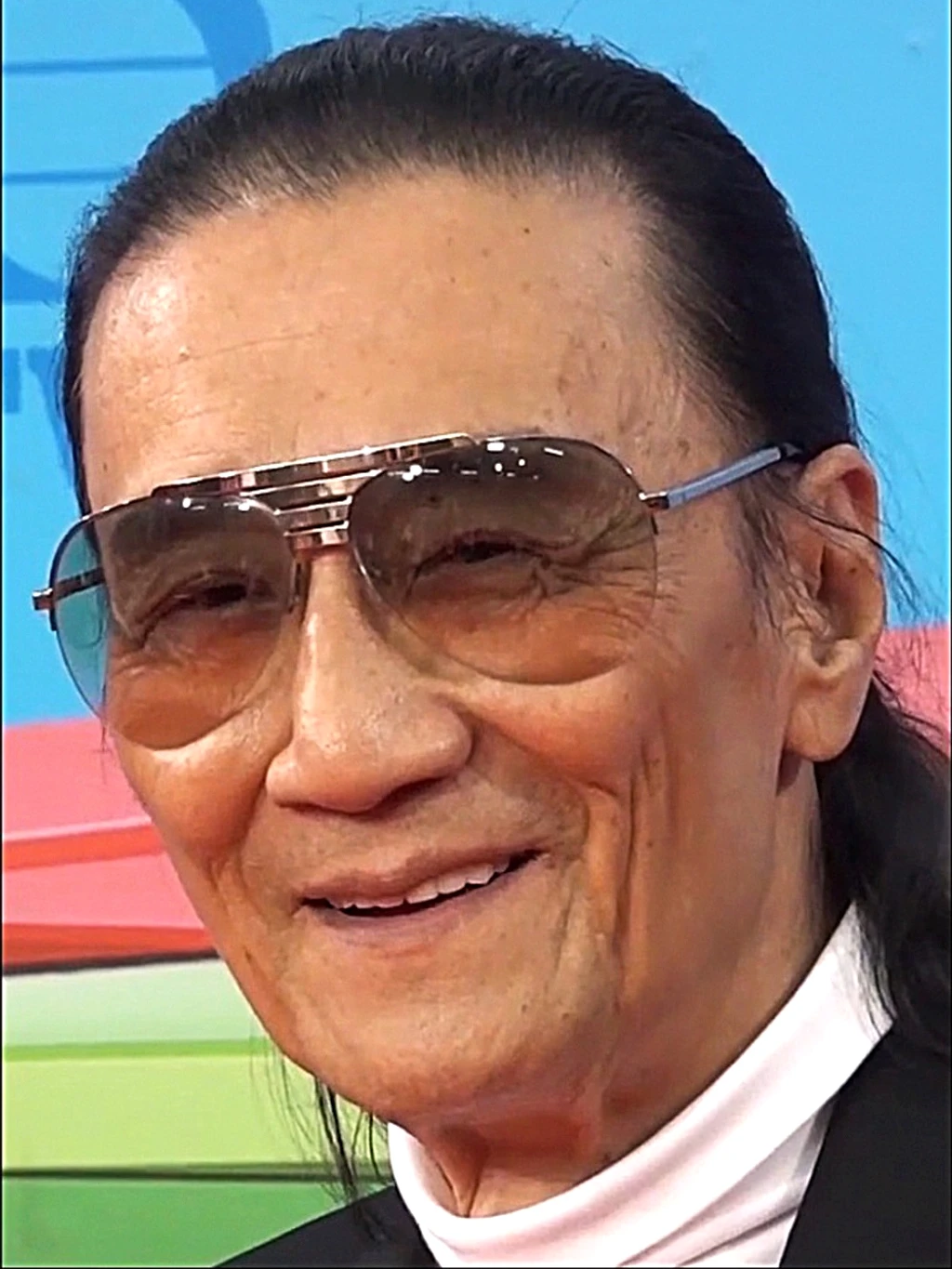
克里斯蒂安·贝尔用了二十年,盖出十二栋房子,只为让寄养的兄弟姐妹不再被分开
Christian Bale Spent Twenty Years Building Twelve Houses So Foster Brothers and Sisters Would Stop Being Split Up
3 min
What is on the HSK 4 word list?
The HSK word lists are published and cumulative, which is what makes the exam a finite target. HSK 4 assumes 1,200 words in total — 600 of them introduced at this level.
They cover opinion, comparison, and evaluation — the abstract vocabulary you need to say what you think, not just what happened.
HSK 4 word list
All 1,193 entries below, straight from the official Hanban HSK 2.0 list. The 598 words new at HSK 4 come first, then earlier levels.
Pinyin and definitions come from CC-CEDICT. Tap any word to see its other senses without leaving the list. Words with a full Fluentide entry — character breakdown, usage notes, example sentences — link out from there.
Showing 951–1000 of 1,193 · page 20 of 24
考试kǎoshìHSK 2to take an exam
- to take an exam
- exam
- CL:次
可能kěnéngHSK 2might (happen)
- might (happen)
- possible
- probable
- possibility
- probability
- maybe
- perhaps
- CL:个
可以kěyǐHSK 2can
- can
- may
- possible
- able to
- not bad
- pretty good
课kèHSK 2subject
- subject
- course
- CL:门
- class
- lesson
- CL:堂,节
- to levy
- tax
- form of divination
快kuàiHSK 2rapid
- rapid
- quick
- speed
- rate
- soon
- almost
- to make haste
- clever
- sharp (of knives or wits)
- forthright
- plainspoken
- gratified
- pleased
- pleasant
快乐kuàilèHSK 2happy
累lèiHSK 2tired
- tired
- weary
- to strain
- to wear out
- to work hard
- to accumulate
- to involve or implicate (Taiwan pr. )
- continuous
- repeated
- rope
- to bind together
- to twist around
离líHSK 2to leave
- to leave
- to part from
- to be away from
- (in giving distances) from
- without (sth)
- independent of
- one of the Eight Trigrams 八卦, symbolizing fire
- ☲
- mythical beast (archaic)
- surname Li
两liǎngHSK 2two
- two
- both
- some
- a few
- tael, unit of weight equal to 50 grams (modern) or 1⁄16 of a catty 斤 (old)
路lùHSK 2road (CL:条)
- road (CL:条)
- journey
- route
- line (bus etc)
- sort
- kind
- surname Lu
旅游lu:3yóuHSK 2trip
- trip
- journey
- tourism
- travel
- tour
- to travel
卖màiHSK 2to sell
- to sell
- to betray
- to spare no effort
- to show off or flaunt
慢mànHSK 2slow
忙mángHSK 2busy
- busy
- hurriedly
- to hurry
- to rush
每měiHSK 2each
妹妹mèimeiHSK 2younger sister
- younger sister
- young woman
- CL:个
门ménHSK 2gate
- gate
- door
- doorway
- gateway
- opening (CL:扇)
- valve
- switch
- other door-like or gate-like structure
- way to do sth
- knack
- method
- approach
- family
- household
- lineage
- (bound form) sect
- school
- faction (religious or academic)
- (bound form) class
- category
- division
- phylum
- classifier for courses, fields of study, branches of technology, relatives by marriage, guns etc
- (suffix) -gate (scandal)
- surname Men
男人nánrénHSK 2a man
- a man
- a male
- men
- CL:个
您nínHSK 2you (courteous, as opposed to informal 你)
- you (courteous, as opposed to informal 你)
牛奶niúnǎiHSK 2cow's milk
- cow's milk
- CL:瓶,杯
女人nu:3rénHSK 2woman
- woman
旁边pángbiānHSK 2side
- side
- adjacent place
跑步pǎobùHSK 2to run
- to run
- to jog
- (military) to march at the double
票piàoHSK 2ticket
- ticket
- ballot
- banknote
- CL:张
- person held for ransom
- amateur performance of Chinese opera
- classifier for groups, batches, business transactions
妻子qīzǐHSK 2wife and children
- wife and children
起床qǐchuángHSK 2to get out of bed
- to get out of bed
- to get up
千qiānHSK 2thousand
- thousand
- used in 秋千
晴qíngHSK 2clear
- clear
- fine (weather)
去年qùniánHSK 2last year
让ràngHSK 2to yield
- to yield
- to permit
- to let sb do sth
- to have sb do sth
- to make sb (feel sad etc)
- by (indicates the agent in a passive clause, like 被)
上班shàngbānHSK 2to go to work
- to go to work
- to be on duty
- to start work
- to go to the office
身体shēntǐHSK 2the body
- the body
- one's health
生病shēngbìngHSK 2to fall ill
生日shēngrìHSK 2birthday
- birthday
- CL:个
时间shíjiānHSK 2(concept of) time
- (concept of) time
- (duration of) time
- (point in) time
事情shìqingHSK 2affair
- affair
- matter
- thing
- business
- CL:件,桩
手表shǒubiǎoHSK 2wristwatch
- wristwatch
- CL:块,只,个
手机shǒujīHSK 2cell phone
- cell phone
- mobile phone
- CL:部,台
送sòngHSK 2to send
- to send
- to deliver
- to transmit
- to give (as a present)
- to see (sb) off
- to accompany
- to go along with
所以suǒyǐHSK 2therefore
- therefore
- as a result
- so
- the reason why
它tāHSK 2it
- it
- it (pronoun for an animal)
踢tīHSK 2to kick
- to kick
- to play (e.g. soccer)
- (slang) butch (in a lesbian relationship)
题tíHSK 2topic
- topic
- problem for discussion
- exam question
- subject
- to inscribe
- to mention
- CL:个,道
- surname Ti
跳舞tiàowǔHSK 2to dance
外wàiHSK 2outside
- outside
- in addition
- foreign
- external
完wánHSK 2to finish
- to finish
- to be over
- whole
- complete
- entire
玩wánHSK 2to play
- to play
- to have fun
- to trifle with
- toy
- sth used for amusement
- curio or antique (Taiwan pr. )
- to keep sth for entertainment
- Taiwan pr.
- variant of 玩
晚上wǎnshangHSK 2evening
- evening
- night
- CL:个
- in the evening
为wèiHSK 2because of
- because of
- for
- to
- as (in the capacity of)
- to take sth as
- to act as
- to serve as
- to behave as
- to become
- to be
- to do
- by (in the passive voice)
- variant of 为
- variant of 为
问wènHSK 2to ask
- to ask
- to inquire
How to actually learn HSK 4 vocabulary
A word list is a checklist, not a method. Recognising a word on a page is a different skill from catching it at speed in a sentence — and the HSK listening section only tests the second one.
Read the list once, do not memorise it
You are looking for which words feel unfamiliar, not trying to learn them here.
Listen at your level daily
Fluentide's HSK 4 episodes are written inside this vocabulary band, so the words arrive in sentences instead of flashcards.
Look a word up only after you have heard it
A word you have already met in audio sticks in one reading. A word you meet cold takes many.
Come back to this list monthly
Use it as a progress check, not a study plan. The gaps you find are what to listen for next.
HSK 4 episodes to hear these words in
Every episode below is written inside the HSK 4 word band and read at HSK 4 speed. Press play — no account needed for the first few.






















































































































































































































HSK 3–4 Chinese listening episodes
Showing 12 of 245
The method in practice
Hear HSK 4 vocabulary in real Mandarin
Every HSK 4 episode is written inside this word band and read at HSK 4 speed, so words stick because you have heard them in a sentence. Full transcript, pinyin toggle, and line-by-line English on every episode. Five free episodes after a one-tap magic-link sign-in — no password, no payment.