

HSK 4 Vocabulary List: 1,200 Words
HSK 4 assumes 1,200 cumulative words — 600 of them new at this level. They cover opinion, comparison, and evaluation — the abstract vocabulary you need to say what you think, not just what happened.
By Haoshan HongNative Mandarin speakerUpdated July 2026
Hear HSK 4 words in a real story

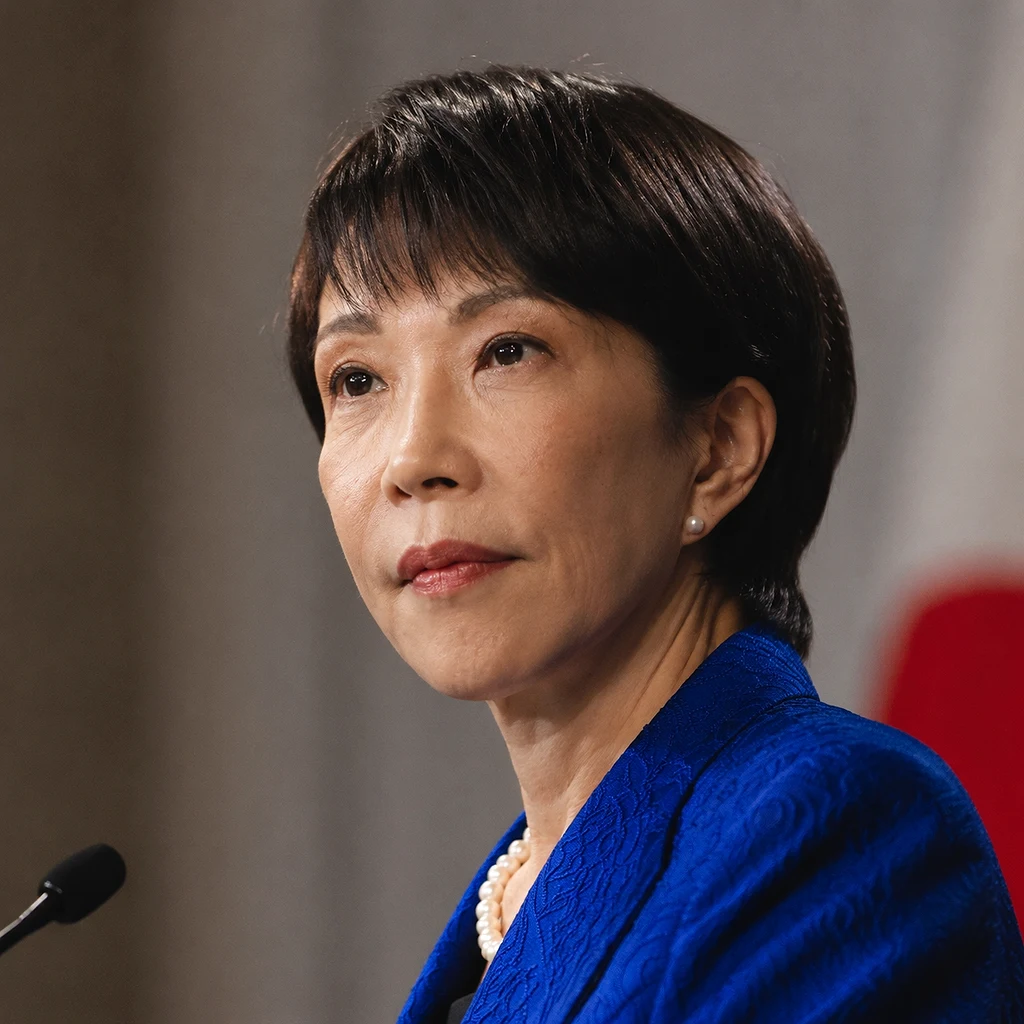
克里斯蒂安·贝尔用了二十年,盖出十二栋房子,只为让寄养的兄弟姐妹不再被分开
Christian Bale Spent Twenty Years Building Twelve Houses So Foster Brothers and Sisters Would Stop Being Split Up
3 min
What is on the HSK 4 word list?
The HSK word lists are published and cumulative, which is what makes the exam a finite target. HSK 4 assumes 1,200 words in total — 600 of them introduced at this level.
They cover opinion, comparison, and evaluation — the abstract vocabulary you need to say what you think, not just what happened.
HSK 4 word list
All 1,193 entries below, straight from the official Hanban HSK 2.0 list. The 598 words new at HSK 4 come first, then earlier levels.
Pinyin and definitions come from CC-CEDICT. Tap any word to see its other senses without leaving the list. Words with a full Fluentide entry — character breakdown, usage notes, example sentences — link out from there.
Showing 51–100 of 1,193 · page 2 of 24
出生chūshēngHSK 4to be born
传真chuánzhēnHSK 4to fax
- to fax
- a fax
- (literary) to portray vividly in painting
窗户chuānghuHSK 4window
- window
- CL:个,扇
词典cídiǎnHSK 4dictionary
- dictionary
- CL:本,部
从来cóngláiHSK 4always
- always
- at all times
- never (if used in negative sentence)
粗心cūxīnHSK 4careless
- careless
- thoughtless
答案dáànHSK 4answer
- answer
- solution
- CL:个
打扮dǎbanHSK 4to decorate
- to decorate
- to dress
- to make up
- to adorn
- manner of dressing
- style of dress
打扰dǎrǎoHSK 4to disturb
- to disturb
- to bother
- to trouble
打印dǎyìnHSK 4to affix a seal
- to affix a seal
- to stamp
- to print out (with a printer)
打折dǎzhéHSK 4to give a discount
- to give a discount
打针dǎzhēnHSK 4to give or get an injection
- to give or get an injection
大夫dàifuHSK 4doctor
- doctor
- physician
大概dàgàiHSK 4roughly
- roughly
- probably
- rough
- approximate
- about
- general idea
大使馆dàshǐguǎnHSK 4embassy
- embassy
- CL:座,个
大约dàyuēHSK 4approximately
- approximately
- probably
代表dàibiǎoHSK 4representative
- representative
- delegate
- CL:位,个,名
- to represent
- to stand for
- on behalf of
- in the name of
代替dàitìHSK 4to replace
- to replace
- to take the place of
戴dàiHSK 4to put on or wear (glasses, hat, gloves etc)
- to put on or wear (glasses, hat, gloves etc)
- to respect
- to bear
- to support
- surname Dai
弹tánHSK 4to pluck (a string)
- to pluck (a string)
- to play (a string instrument)
- to spring or leap
- to shoot (e.g. with a catapult)
- (of cotton) to fluff or tease
- to flick
- to flip
- to accuse
- to impeach
- elastic (of materials)
- crossball
- bullet
- shot
- shell
- ball
当dāngHSK 4(onom.) dong
- (onom.) dong
- ding dong (bell)
- to be
- to act as
- manage
- withstand
- when
- during
- ought
- should
- match equally
- equal
- same
- obstruct
- just at (a time or place)
- on the spot
- right
- just at
- at or in the very same...
- suitable
- adequate
- fitting
- proper
- to replace
- to regard as
- to think
- to pawn
- (coll.) to fail (a student)
当地dāngdìHSK 4local
当时dāngshíHSK 4then
- then
- at that time
刀dāoHSK 4knife
- knife
- blade
- single-edged sword
- cutlass (CL:把)
- (slang) (loanword) dollar
- classifier for sets of one hundred sheets (of paper)
- classifier for knife cuts or stabs
- (Internet slang) to bargain
- to ask for a small discount (esp. on second-hand marketplaces)
- (Internet slang) to knife (sb) (often used hyperbolically, as in 想刀他 "I could kill him!")
- surname Dao
导游dǎoyóuHSK 4tour guide
- tour guide
- guidebook
- to conduct a tour
到处dàochùHSK 4everywhere
到底dàodǐHSK 4finally
- finally
- in the end
- when all is said and done
- after all
- to the end
- to the last
道歉dàoqiànHSK 4to apologize
- to apologize
得意déyìHSK 4proud of oneself
- proud of oneself
- pleased with oneself
- complacent
地球dìqiúHSK 4the earth
地址dìzhǐHSK 4address
等děngHSK 4to wait for
- to wait for
- to await
- by the time
- when
- till
- and so on
- etc.
- et al.
- (bound form) class
- rank
- grade
- (bound form) equal to
- same as
- (used to end an enumeration)
- (literary) (plural suffix attached to a personal pronoun or noun)
底dǐHSK 4bottom
- bottom
- base
- background
- foundation
- copy (of a manuscript or receipt etc) kept as a record
- (suffix) end of a year or month
- (math.) radix
- base (abbr. for 底数)
- (equivalent to 的 as possessive particle)
调查diàocháHSK 4investigation
- investigation
- inquiry
- to investigate
- to survey
- survey
- (opinion) poll
- CL:项,个
掉diàoHSK 4to fall
- to fall
- to drop
- to lag behind
- to lose
- to go missing
- to reduce
- fall (in prices)
- to lose (value, weight etc)
- to wag
- to swing
- to turn
- to change
- to exchange
- to swap
- to show off
- to shed (hair)
- (used after certain verbs to express completion, fulfillment, removal etc)
丢diūHSK 4to lose
- to lose
- to put aside
- to throw
动作dòngzuòHSK 4movement
- movement
- motion
- action
- to act
- to move
堵车dǔchēHSK 4traffic jam
- traffic jam
- (of traffic) to get congested
肚子dùziHSK 4belly
- belly
- abdomen
- stomach
- CL:个
断duànHSK 4to break
- to break
- to snap
- to cut off
- to give up or abstain from sth
- to judge
- (usu. used in the negative) absolutely
- definitely
- decidedly
对duìHSK 4right
- right
- correct
- towards
- at
- for
- concerning
- regarding
- to treat (sb a certain way)
- to face
- (bound form) opposite
- facing
- matching
- to match together
- to adjust
- to fit
- to suit
- to answer
- to reply
- to add
- to pour in (a fluid)
- to check
- to compare
- classifier: couple
- pair
对话duìhuàHSK 4to talk (with sb)
- to talk (with sb)
- dialogue
- conversation
对面duìmiànHSK 4opposite
- opposite
- across (the street etc)
- directly in front of one
- up ahead
- face to face
顿dùnHSK 4to stop
- to stop
- to pause
- to arrange
- to lay out
- to kowtow
- to stamp (one's foot)
- at once
- classifier for meals, beatings, scoldings etc: time, bout, spell, meal
朵duǒHSK 4flower
- flower
- earlobe
- fig. item on both sides
- classifier for flowers, clouds etc
- variant of 朵
儿童értóngHSK 4child
- child
而érHSK 4and
- and
- as well as
- and so
- but (not)
- yet (not)
- (indicates causal relation)
- (indicates change of state)
- (indicates contrast)
发fāHSK 4to send out
- to send out
- to show (one's feeling)
- to issue
- to develop
- to make a bundle of money
- classifier for gunshots (rounds)
- hair
- Taiwan pr.
发生fāshēngHSK 4to happen
- to happen
- to occur
- to take place
- to arise (e.g. 发生问题 "a problem arises")
发展fāzhǎnHSK 4development
- development
- growth
- to develop
- to grow
- to expand
How to actually learn HSK 4 vocabulary
A word list is a checklist, not a method. Recognising a word on a page is a different skill from catching it at speed in a sentence — and the HSK listening section only tests the second one.
Read the list once, do not memorise it
You are looking for which words feel unfamiliar, not trying to learn them here.
Listen at your level daily
Fluentide's HSK 4 episodes are written inside this vocabulary band, so the words arrive in sentences instead of flashcards.
Look a word up only after you have heard it
A word you have already met in audio sticks in one reading. A word you meet cold takes many.
Come back to this list monthly
Use it as a progress check, not a study plan. The gaps you find are what to listen for next.
HSK 4 episodes to hear these words in
Every episode below is written inside the HSK 4 word band and read at HSK 4 speed. Press play — no account needed for the first few.








































































































































































































































HSK 3–4 Chinese listening episodes
Showing 12 of 242
The method in practice
Hear HSK 4 vocabulary in real Mandarin
Every HSK 4 episode is written inside this word band and read at HSK 4 speed, so words stick because you have heard them in a sentence. Full transcript, pinyin toggle, and line-by-line English on every episode. Five free episodes after a one-tap magic-link sign-in — no password, no payment.