

HSK 4 Vocabulary List: 1,200 Words
HSK 4 assumes 1,200 cumulative words — 600 of them new at this level. They cover opinion, comparison, and evaluation — the abstract vocabulary you need to say what you think, not just what happened.
By Haoshan HongNative Mandarin speakerUpdated July 2026
Hear HSK 4 words in a real story

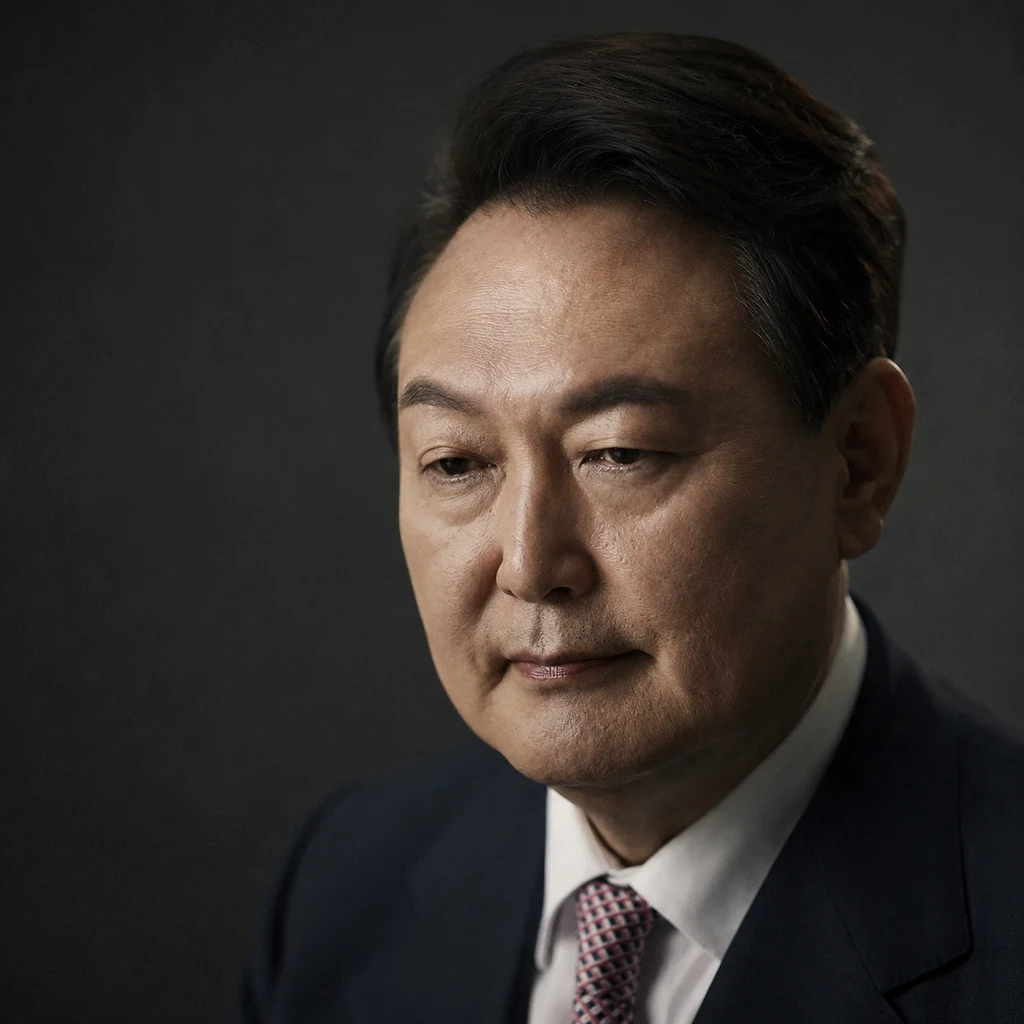
克里斯蒂安·贝尔用了二十年,盖出十二栋房子,只为让寄养的兄弟姐妹不再被分开
Christian Bale Spent Twenty Years Building Twelve Houses So Foster Brothers and Sisters Would Stop Being Split Up
3 min
What is on the HSK 4 word list?
The HSK word lists are published and cumulative, which is what makes the exam a finite target. HSK 4 assumes 1,200 words in total — 600 of them introduced at this level.
They cover opinion, comparison, and evaluation — the abstract vocabulary you need to say what you think, not just what happened.
HSK 4 word list
All 1,193 entries below, straight from the official Hanban HSK 2.0 list. The 598 words new at HSK 4 come first, then earlier levels.
Pinyin and definitions come from CC-CEDICT. Tap any word to see its other senses without leaving the list. Words with a full Fluentide entry — character breakdown, usage notes, example sentences — link out from there.
Showing 101–150 of 1,193 · page 3 of 24
法律fǎlu:4HSK 4law
- law
- CL:条, 套, 个
翻译fānyìHSK 4to translate
- to translate
- to interpret
- translator
- interpreter
- translation
- interpretation
- CL:个,位,名
烦恼fánnǎoHSK 4to be worried
- to be worried
- to be distressed
- worries
反对fǎnduìHSK 4to oppose
- to oppose
- to be against
- to object to
反映fǎnyìngHSK 4to mirror
- to mirror
- to reflect
- mirror image
- reflection
- (fig.) to report
- to make known
- to render
范围fànwéiHSK 4range
- range
- scope
- limit
- extent
- CL:个
方法fāngfǎHSK 4method
- method
- way
- technique
- procedure
方面fāngmiànHSK 4respect
- respect
- aspect
- field
- side
- CL:个
方向fāngxiàngHSK 4direction
- direction
- orientation
访问fǎngwènHSK 4to visit
- to visit
- to call on (a person or place)
- (computing) to visit (a website)
- to access (a network resource etc)
- (Tw) to interview (e.g. for a report or feature story)
- CL:次
放弃fàngqìHSK 4to renounce
- to renounce
- to abandon
- to give up
放暑假fàngshǔjiàHSK 4to be on summer vacation
- to be on summer vacation
分之fēnzhīHSK 4(indicating a fraction)
- (indicating a fraction)
份fènHSK 4classifier for gifts, newspaper, magazine, papers, reports, contracts etc
- classifier for gifts, newspaper, magazine, papers, reports, contracts etc
- variant of 分
丰富fēngfùHSK 4to enrich
- to enrich
- rich
- plentiful
- abundant
风景fēngjǐngHSK 4scenery
- scenery
- landscape
否则fǒuzéHSK 4otherwise
- otherwise
- if not
- or (else)
符合fúhéHSK 4in accordance with
- in accordance with
- to agree with
- to conform to
- to meet (a requirement)
- (physics) coincidence
父亲fùqīnHSK 4father
- father
- also pr.
- CL:个
负责fùzéHSK 4to be responsible for
- to be responsible for
- to be in charge of
- to bear responsibility for
- conscientious
复印fùyìnHSK 4to photocopy
- to photocopy
- to duplicate a document
复杂fùzáHSK 4complicated
- complicated
- complex
富fùHSK 4rich
- rich
- abundant
- wealthy
- surname Fu
改变gǎibiànHSK 4to change
- to change
- to alter
- to transform
感动gǎndòngHSK 4to move (sb)
- to move (sb)
- to touch (sb emotionally)
- moving
感觉gǎnjuéHSK 4feeling
- feeling
- impression
- sensation
- to feel
- to perceive
感情gǎnqíngHSK 4emotion
- emotion
- sentiment
- affection
- feelings between two persons
感谢gǎnxièHSK 4to thank
- to thank
- to be grateful
干gānHSK 4dry
- dry
- dried food
- empty
- hollow
- taken in to nominal kinship
- adoptive
- foster
- futile
- in vain
- (dialect) rude
- blunt
- (dialect) to cold-shoulder
- (bound form) to have to do with
- to concern oneself with
- one of the ten heavenly stems 天干
- (archaic) shield
- tree trunk
- main part of sth
- to manage
- to work
- to do
- capable
- cadre
- to kill (slang)
- to fuck (vulgar)
- (coll.) pissed off
- annoyed
- surname Gan
- surname Gan
- old variant of 干
- variant of 干
干杯gānbēiHSK 4to drink a toast
- to drink a toast
- Cheers! (proposing a toast)
- Here's to you!
- Bottoms up!
- lit. dry cup
干燥gānzàoHSK 4(of weather, climate, soil etc) dry
- (of weather, climate, soil etc) dry
- arid
- (of skin, mouth etc) dry
- (fig.) dull
- dry
- boring
- (of timber etc) to dry out
- to season
- to cure
刚刚gānggangHSK 4just recently
- just recently
- just a moment ago
高级gāojíHSK 4high level
- high level
- high grade
- advanced
- high-ranking
个子gèziHSK 4stature
- stature
- height
- size (of a person or object)
- (agriculture) bundle of cereal stalks tied together
各gèHSK 4each
工具gōngjùHSK 4tool
- tool
- instrument
- utensil
- means (to achieve a goal etc)
工资gōngzīHSK 4wages
- wages
- pay
- CL:份
公里gōnglǐHSK 4kilometer
共同gòngtóngHSK 4common
- common
- joint
- jointly
- together
- collaborative
购物gòuwùHSK 4shopping
够gòuHSK 4enough (sufficient)
- enough (sufficient)
- enough (too much)
- (coll.) (before adj.) really
- (coll.) to reach by stretching out
估计gūjìHSK 4to estimate
- to estimate
- to assess
- to calculate
- (coll.) to reckon
- to think (that ...)
孤单gūdānHSK 4lone
- lone
- lonely
- loneliness
鼓励gǔlìHSK 4to encourage
- to encourage
鼓掌gǔzhǎngHSK 4to applaud
- to applaud
- to clap
故意gùyìHSK 4deliberately
- deliberately
- on purpose
顾客gùkèHSK 4customer
- customer
- client
- CL:位
挂guàHSK 4to hang
- to hang
- to suspend (from a hook etc)
- to hang up (the phone)
- (of a line) to be dead
- to be worried
- to be concerned
- (dialect) to make a phone call
- to register (at a hospital)
- to make an appointment (with a doctor)
- (slang) to kill
- to die
- to be finished
- to fail (an exam)
- classifier for sets or clusters of objects
关键guānjiànHSK 4crucial point
- crucial point
- crux
- CL:个
- key
- crucial
- pivotal
观众guānzhòngHSK 4spectators
- spectators
- audience
- visitors (to an exhibition etc)
How to actually learn HSK 4 vocabulary
A word list is a checklist, not a method. Recognising a word on a page is a different skill from catching it at speed in a sentence — and the HSK listening section only tests the second one.
Read the list once, do not memorise it
You are looking for which words feel unfamiliar, not trying to learn them here.
Listen at your level daily
Fluentide's HSK 4 episodes are written inside this vocabulary band, so the words arrive in sentences instead of flashcards.
Look a word up only after you have heard it
A word you have already met in audio sticks in one reading. A word you meet cold takes many.
Come back to this list monthly
Use it as a progress check, not a study plan. The gaps you find are what to listen for next.
HSK 4 episodes to hear these words in
Every episode below is written inside the HSK 4 word band and read at HSK 4 speed. Press play — no account needed for the first few.








































































































































































































































HSK 3–4 Chinese listening episodes
Showing 12 of 242
The method in practice
Hear HSK 4 vocabulary in real Mandarin
Every HSK 4 episode is written inside this word band and read at HSK 4 speed, so words stick because you have heard them in a sentence. Full transcript, pinyin toggle, and line-by-line English on every episode. Five free episodes after a one-tap magic-link sign-in — no password, no payment.