

HSK 4 Vocabulary List: 1,200 Words
HSK 4 assumes 1,200 cumulative words — 600 of them new at this level. They cover opinion, comparison, and evaluation — the abstract vocabulary you need to say what you think, not just what happened.
By Haoshan Hong · Native Mandarin speaker · Updated July 2026
Hear HSK 4 words in a real story

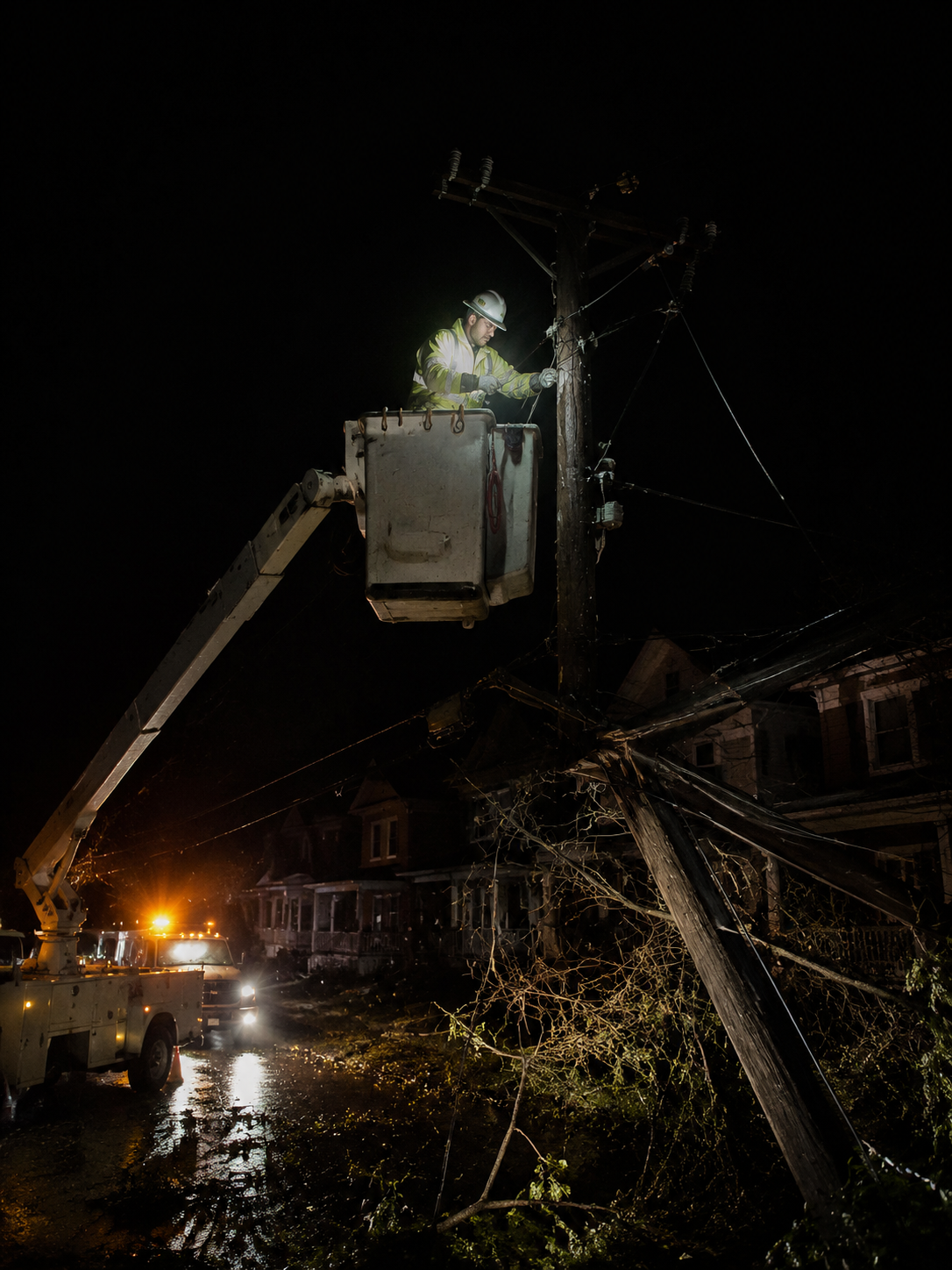
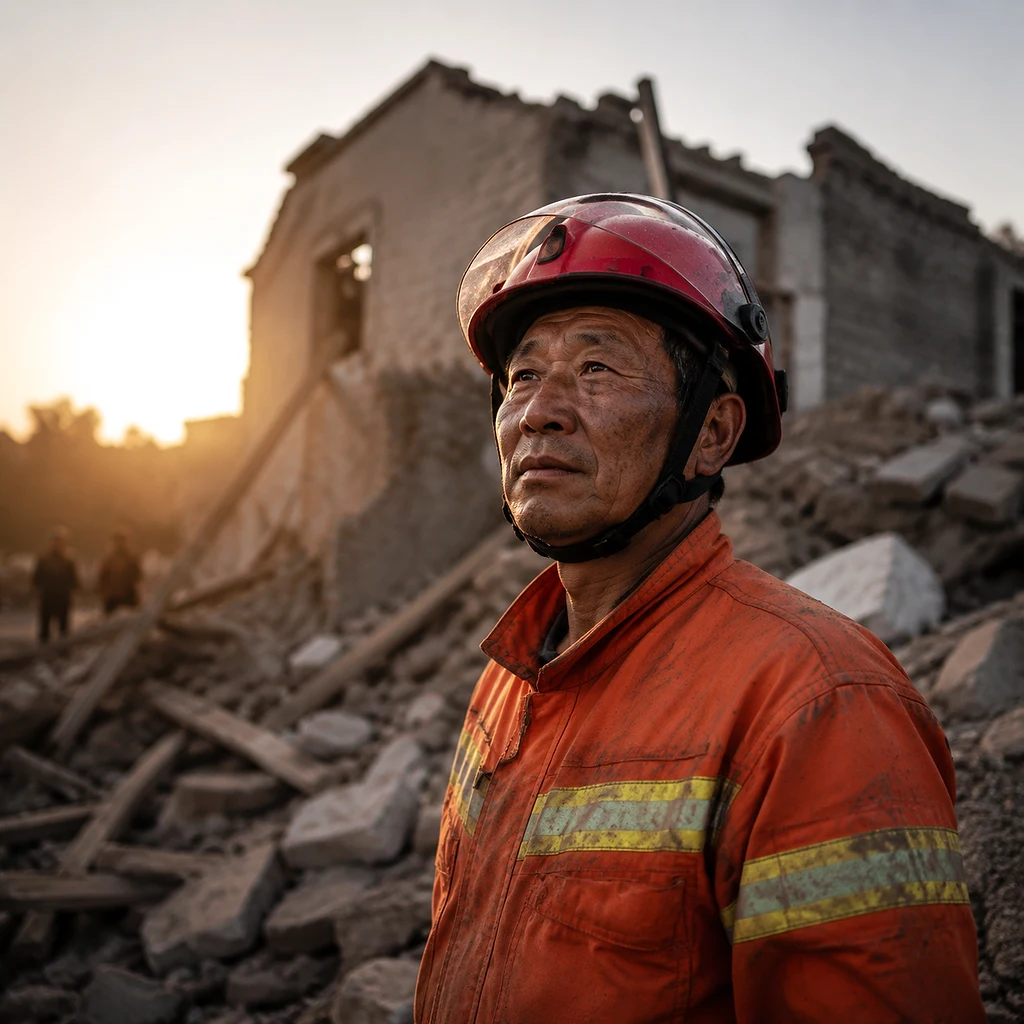
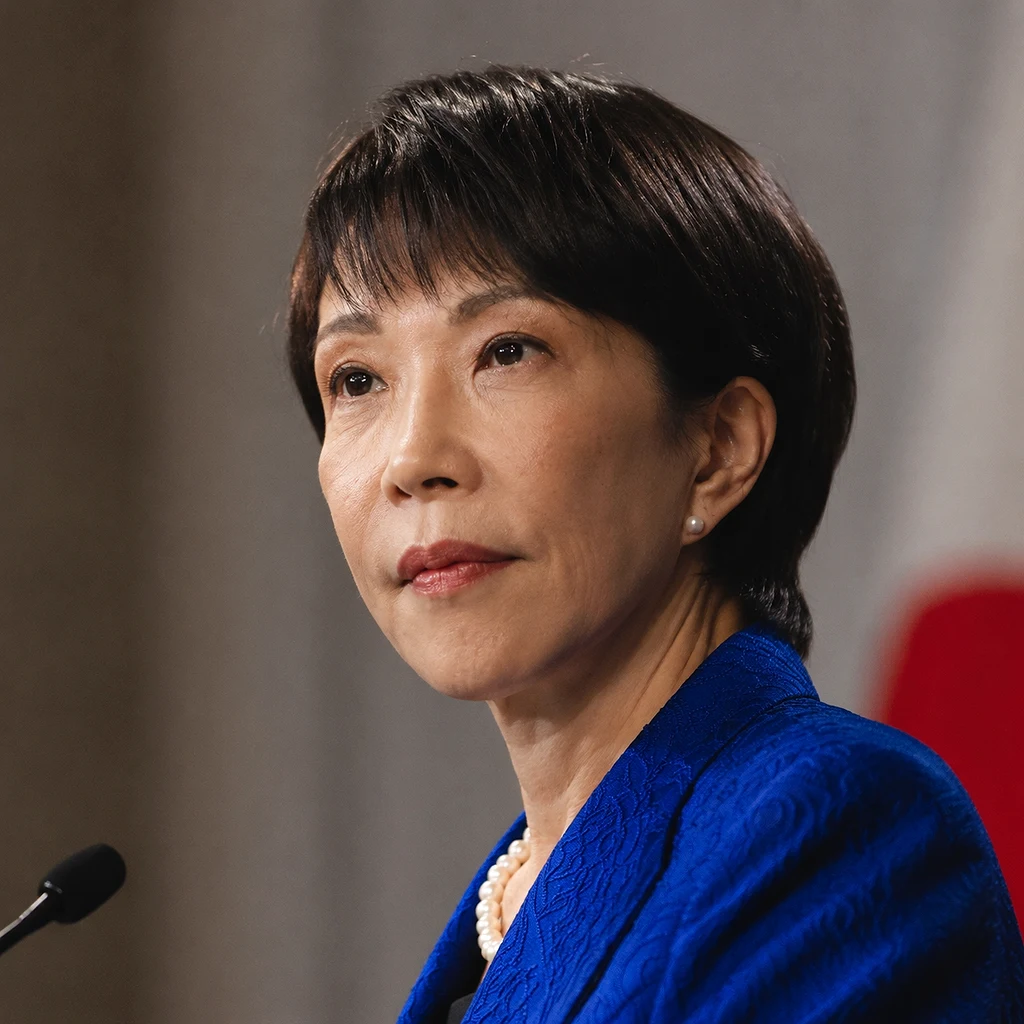
克里斯蒂安·贝尔用了二十年,盖出十二栋房子,只为让寄养的兄弟姐妹不再被分开
Christian Bale Spent Twenty Years Building Twelve Houses So Foster Brothers and Sisters Would Stop Being Split Up
3 min
What is on the HSK 4 word list?
The HSK word lists are published and cumulative, which is what makes the exam a finite target. HSK 4 assumes 1,200 words in total — 600 of them introduced at this level.
They cover opinion, comparison, and evaluation — the abstract vocabulary you need to say what you think, not just what happened.
HSK 4 word list
All 1,193 entries below, straight from the official Hanban HSK 2.0 list. The 598 words new at HSK 4 come first, then earlier levels.
Pinyin and definitions come from CC-CEDICT. Tap any word to see its other senses without leaving the list. Words with a full Fluentide entry — character breakdown, usage notes, example sentences — link out from there.
Showing 401–450 of 1,193 · page 9 of 24
顺利shùnlìHSK 4smoothly
- smoothly
- without a hitch
顺序shùnxùHSK 4sequence
- sequence
- order
说明shuōmíngHSK 4to explain
- to explain
- to illustrate
- to indicate
- to show
- to prove
- explanation
- directions
- caption
- CL:个
硕士shuòshìHSK 4master's degree
- master's degree
- person who has a master's degree
- learned person
死sǐHSK 4to die
- to die
- impassable
- uncrossable
- inflexible
- rigid
- extremely
- damned
速度sùdùHSK 4speed
- speed
- rate
- velocity
- (music) tempo
塑料袋sùliàodàiHSK 4plastic bag
- plastic bag
酸suānHSK 4sour
- sour
- tart
- sick at heart
- grieved
- sore
- aching
- pedantic
- impractical
- to make sarcastic remarks about sb
- an acid
算suànHSK 4to calculate
- to calculate
- to figure out
- to include
- to count in
- to count
- to be valid
- to carry weight
- to regard as
- to consider (to be ...)
随便suíbiànHSK 4as one wishes
- as one wishes
- as one pleases
- at random
- negligent
- casual
- wanton
随着suízheHSK 4along with
- along with
- in the wake of
- following
孙子sūnziHSK 4grandson
- grandson
- son's son
所有suǒyǒuHSK 4all
- all
- to have
- to possess
- to own
台táiHSK 4(classical) you (in letters)
- (classical) you (in letters)
- desk
- table
- counter
- platform
- stage
- terrace
- stand
- support
- station
- broadcasting station
- classifier for vehicles or machines
- typhoon
- Taiwan (abbr.)
- surname Tai
- Taiwan (abbr.)
- used in place names
- variant of 台
抬táiHSK 4to lift
- to lift
- to raise
- (of two or more persons) to carry
- variant of 抬
态度tàiduHSK 4manner
- manner
- bearing
- attitude
- approach
- CL:个
谈tánHSK 4to speak
- to speak
- to talk
- to converse
- to chat
- to discuss
- surname Tan
汤tāngHSK 4soup
- soup
- hot or boiling water
- decoction of medicinal herbs
- water in which sth has been boiled
- rushing current
- surname Tang
躺tǎngHSK 4to recline
- to recline
- to lie down
趟tàngHSK 4classifier for times, round trips or rows
- classifier for times, round trips or rows
- a time
- a trip
- to wade
- to trample
- to turn the soil
- old variant of 趟
讨论tǎolùnHSK 4to discuss
- to discuss
- to talk over
讨厌tǎoyànHSK 4to dislike
- to dislike
- to loathe
- disagreeable
- troublesome
- annoying
特点tèdiǎnHSK 4characteristic
- characteristic
- trait
- feature
提供tígōngHSK 4to offer
- to offer
- to supply
- to provide
- to furnish
提前tíqiánHSK 4to shift to an earlier date
- to shift to an earlier date
- to do sth ahead of time
- in advance
提醒tíxǐngHSK 4to remind
- to remind
- to call attention to
- to warn of
填空tiánkòngHSK 4to fill a job vacancy
- to fill a job vacancy
- to fill in a blank (e.g. on a form, questionnaire or exam paper)
条件tiáojiànHSK 4condition
- condition
- circumstance
- term
- factor
- requirement
- prerequisite
- qualification
- situation
- state
- condition
- CL:个
停止tíngzhǐHSK 4to stop
- to stop
- to halt
- to cease
挺tǐngHSK 4straight
- straight
- erect
- to stick out (a part of the body)
- to (physically) straighten up
- to support
- to withstand
- outstanding
- (coll.) quite
- very
- classifier for machine guns
通过tōngguòHSK 4to pass through
- to pass through
- to get through
- to adopt (a resolution)
- to pass (legislation)
- to pass (a test)
- by means of
- through
- via
通知tōngzhīHSK 4to notify
- to notify
- to inform
- notice
- notification
- CL:个
同情tóngqíngHSK 4to sympathize with
- to sympathize with
- sympathy
推tuīHSK 4to push
- to push
- to cut
- to refuse
- to reject
- to decline
- to shirk (responsibility)
- to put off
- to delay
- to push forward
- to nominate
- to elect
- massage
推迟tuīchíHSK 4to postpone
- to postpone
- to put off
- to defer
脱tuōHSK 4to shed
- to shed
- to take off
- to escape
- to get away from
袜子wàziHSK 4socks
- socks
- stockings
- CL:只,对,双
完全wánquánHSK 4complete
- complete
- whole
- totally
- entirely
网球wǎngqiúHSK 4tennis
- tennis
- tennis ball
- CL:个
网站wǎngzhànHSK 4website
- website
往wǎngHSK 4to go (in a direction)
- to go (in a direction)
- to
- towards
- (of a train) bound for
- past
- previous
- old variant of 往
往往wǎngwǎngHSK 4usually
- usually
- in many cases
- more often than not
危险wēixiǎnHSK 4danger
- danger
- dangerous
味道wèidaoHSK 4flavor
- flavor
- taste
- (fig.) feeling (of ...)
- sense (of ...)
- hint (of ...)
- (fig.) interest
- delight
- (dialect) smell
- odor
温度wēndùHSK 4temperature
- temperature
- CL:个
文章wénzhāngHSK 4article
- article
- essay
- literary works
- writings
- hidden meaning
- CL:篇,段,页
握手wòshǒuHSK 4to shake hands
- to shake hands
污染wūrǎnHSK 4(lit. and fig.) to pollute
- (lit. and fig.) to pollute
- to contaminate
无wúHSK 4not to have
- not to have
- no
- none
- not
- to lack
- un-
- -less
- used in 南无
无聊wúliáoHSK 4bored
- bored
- boring
- senseless
How to actually learn HSK 4 vocabulary
A word list is a checklist, not a method. Recognising a word on a page is a different skill from catching it at speed in a sentence — and the HSK listening section only tests the second one.
Read the list once, do not memorise it
You are looking for which words feel unfamiliar, not trying to learn them here.
Listen at your level daily
Fluentide's HSK 4 episodes are written inside this vocabulary band, so the words arrive in sentences instead of flashcards.
Look a word up only after you have heard it
A word you have already met in audio sticks in one reading. A word you meet cold takes many.
Come back to this list monthly
Use it as a progress check, not a study plan. The gaps you find are what to listen for next.
HSK 4 episodes to hear these words in
Every episode below is written inside the HSK 4 word band and read at HSK 4 speed. Press play — no account needed for the first few.
HSK 1 Chinese listening episodes






































































































































































































































HSK 2 Chinese listening episodes

HSK 3–4 Chinese listening episodes
Showing 12 of 245
HSK 5–6 Chinese listening episodes
Showing 12 of 246
The method in practice
Hear HSK 4 vocabulary in real Mandarin
Every HSK 4 episode is written inside this word band and read at HSK 4 speed, so words stick because you have heard them in a sentence. Full transcript, pinyin toggle, and line-by-line English on every episode. Five free episodes after a one-tap magic-link sign-in — no password, no payment.