

HSK 4 Vocabulary List: 2,000 Words (HSK 3.0)
HSK 4 has 2,000 words in HSK 3.0, 1,000 of them new at this level (the old HSK 2.0 list had 1,200). Fluentide has 302 free stories at the Intermediate (HSK 4) level that use them, with transcript and pinyin.
By Haoshan Hong · Native Mandarin speaker · Updated October 2026
Hear HSK 4 words in a real story

胡迪尼的大象与好奇心
Economist Bartleby Column: Andrew Palmer on the Hidden Costs of Workplace Curiosity
2 min
What is on the HSK 4 word list?
The other 1,000 come from HSK 1–3. They cover opinion, comparison, and evaluation: the words you need to say what you think, not just what happened.
Scroll
HSK 4 word list
All 1,978 words from the official HSK 3.0 syllabus, the 990 new at HSK 4 first. The syllabus counts 2,000 because a few words are listed once per reading; here each appears once.
Pinyin from the syllabus, definitions from CC-CEDICT. Tap a word for its other senses.
Showing 1651–1700 of 1,978 · page 34 of 40
意思yìsiHSK 2idea
- idea
- opinion
- meaning
- wish
- desire
- interest
- fun
- token of appreciation, affection etc
- CL:个
- to give as a small token
- to do sth as a gesture of goodwill etc
因为yīnwèiHSK 2because
- because
- owing to
- on account of
阴yīnHSK 2overcast (weather)
- overcast (weather)
- cloudy
- shady
- Yin (the negative principle of Yin and Yang)
- negative (electric.)
- feminine
- moon
- implicit
- hidden
- genitalia
- surname Yin
- variant of 阴
游yóuHSK 2to swim
- to swim
- to walk
- to tour
- to roam
- to travel
- surname You
- variant of 游
游泳yóuyǒngHSK 2swimming
- swimming
- to swim
有时yǒushíHSK 2sometimes
- sometimes
- now and then
有意思yǒu yìsiHSK 2interesting
- interesting
- meaningful
- enjoyable
- fun
右yòuHSK 2(bound form) right
- (bound form) right
- right-hand side
- (bound form) (politics) right of center
- (bound form) (old) west
- (literary) the right side as the side of precedence
右边yòubianHSK 2right side
- right side
- right, to the right
鱼yúHSK 2fish (CL:条,尾)
- fish (CL:条,尾)
- used in the names of various aquatic animals that are not fish (including abalone 鲍鱼, alligators and crocodiles 鳄鱼 and octopi 章鱼)
- surname Yu
远yuǎnHSK 2far
- far
- distant
- remote
- (intensifier in a comparison) by far
- much (lower etc)
- to distance oneself from (classical)
运动yùndòngHSK 2to move
- to move
- to exercise
- sports
- exercise
- motion
- movement
- campaign
- CL:场
站zhànHSK 2station
- station
- to stand
- to halt
- to stop
- branch of a company or organization
- website
长cháng / zhǎngHSK 2long
- long
- (bound form) length
- (bound form) strong point
- forte
- (bound form) to be good at
- (literary) surplus
- spare (Taiwan pr. )
- chief
- head
- elder
- to grow
- to develop
- to increase
- to enhance
丈夫zhàngfuHSK 2husband
这么zhèmeHSK 2so much
- so much
- this much
- how much?
- this way
- like this
这样zhèyàngHSK 2this way
- this way
- like this
- so
- (before a noun) this kind of
- such
着zhe / zháoHSK 2aspect particle indicating action in progress or ongoing state
- aspect particle indicating action in progress or ongoing state
- a move in chess (Taiwan pr. )
- trick
- tactic
- (dialect) okay
- all right
- (dialect) to put in
- to add
- to touch
- to come in contact with
- to feel
- to be affected by
- to catch fire
- to burn
- (coll.) to fall asleep
- (after a verb) hitting the mark
- succeeding in
- to wear (clothes)
- to contact
- to use
- to apply
- variant of 着
- variant of 着
- variant of 着
- variant of 着
正zhèngHSK 2straight
- straight
- upright
- proper
- main
- principal
- to correct
- to rectify
- exactly
- just (at that time)
- right (in that place)
- (math.) positive
- first month of the lunar year
周zhōuHSK 2week
- week
- circle
- to make a circuit
- to circle
- circle
- circumference
- lap
- cycle
- complete
- all
- all over
- thorough
- to help financially
- week
- weekly
- surname Zhou
- Zhou Dynasty (1046–256 BC)
- variant of 周
准备zhǔnbèiHSK 2preparation
- preparation
- to prepare
- to intend
- to be about to
- reserve (fund)
自己zìjǐHSK 2oneself
- oneself
- (attributive) one's own
走zǒuHSK 2to walk
- to walk
- to go
- to run
- to move (of vehicle)
- to visit
- to leave
- to go away
- to die (euph.)
- from
- through
- away (in compound verbs, such as 撤走)
- to change (shape, form, meaning)
走路zǒulùHSK 2to walk
- to walk
- to go on foot
- to leave
- to depart
- (informal) to clear off
- to beat it
- (of sb who gets fired or resigns) to leave the job
- to get out
足球zúqiúHSK 2soccer
- soccer
- football
- a soccer ball
- a football
最zuìHSK 2(before an adjective or verb) to the highest degree
- (before an adjective or verb) to the highest degree
- (the) most ...
- -est
- (after 之) best or most extreme example (e.g. 世界之最 "the greatest in the world")
- variant of 最
- old variant of 最
左zuǒHSK 2left
- left
- the Left (politics)
- east
- unorthodox
- queer
- wrong
- differing
- opposite
- surname Zuo
- variant of 佐
左边zuǒbianHSK 2left
- left
- the left side
- to the left of
爱àiHSK 1to love
- to love
- to be fond of
- to like
- affection
- to be inclined (to do sth)
- to tend to (happen)
八bāHSK 1eight
爸爸bàbaHSK 1(coll.) father
- (coll.) father
- dad
- CL:位
吧baHSK 1(modal particle indicating suggestion or surmise)
- (modal particle indicating suggestion or surmise)
- ...right?
- ...OK?
- ...I presume.
- bar (loanword) (serving drinks, or providing Internet access etc)
- to puff (on a pipe etc)
- (onom.) bang
- (onom.) smack!
- abbr. for 贴吧
白天báitiānHSK 1daytime
- daytime
- during the day
- day
- CL:个
百bǎiHSK 1hundred
- hundred
- numerous
- all kinds of
- surname Bai
半bànHSK 1half
- half
- semi-
- incomplete
- (after a number) and a half
包子bāoziHSK 1baozi
- baozi
- bao (steamed stuffed bun)
杯子bēiziHSK 1cup
- cup
- glass
- CL:个,只
本běnHSK 1classifier for books
- classifier for books
- this
- origin
- (bound form) root
- stem
- (bound form) origin
- source
- (bound form) one's own
- this
- (bound form) this
- the current (year etc)
- (bound form) original
- (bound form) inherent
- originally
- initially
- capital
- principal
- classifier for books, periodicals, files etc
边biānHSK 1side
- side
- edge
- margin
- border
- boundary
- CL:个
- simultaneously
- suffix of a noun of locality
便宜piányiHSK 1cheap
- cheap
- inexpensive
- a petty advantage
- to let sb off lightly
病bìngHSK 1illness
- illness
- CL:场
- disease
- to fall ill
- defect
不bùHSK 1no
- no
- not so
- (bound form) not
- un-
不客气bú kèqiHSK 1you're welcome
- you're welcome
- don't mention it
- impolite
- rude
- blunt
不要búyàoHSK 1don't!
- don't!
- must not
菜càiHSK 1vegetable
- vegetable
- greens (CL:棵)
- dish (of food) (CL:样,道,盘)
- (of one's skills etc) weak
- poor
- (coll.) (one's) type
茶cháHSK 1tea
- tea
- tea plant
- CL:杯,壶
唱chàngHSK 1to sing
- to sing
- to call loudly
- to chant
超市chāoshìHSK 1supermarket (abbr. for 超级市场)
- supermarket (abbr. for 超级市场)
- CL:家
车chēHSK 1car
- car
- vehicle
- CL:辆
- machine
- to shape with a lathe
- Kangxi radical 159
- war chariot (archaic)
- rook (in Chinese chess)
- rook (in chess)
- surname Che
吃chīHSK 1to eat
- to eat
- to consume
- to eat at (a cafeteria etc)
- to eradicate
- to destroy
- to absorb
- to suffer (shock, injury, defeat etc)
- variant of 吃
Stories that use these HSK 4 words
Each one is a Fluentide Intermediate (HSK 4) story, written inside that word band. Press play; the first few need no account.
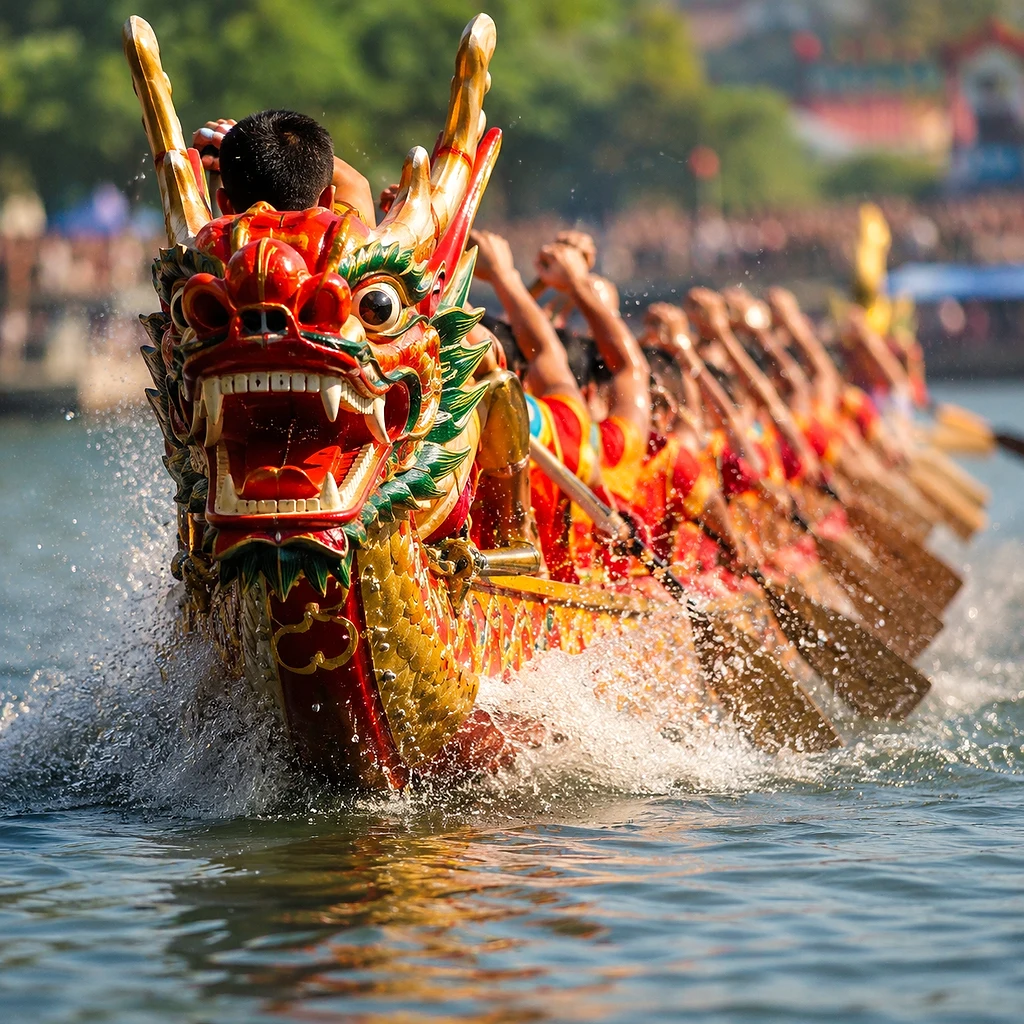
HSK 2 Chinese listening episodes






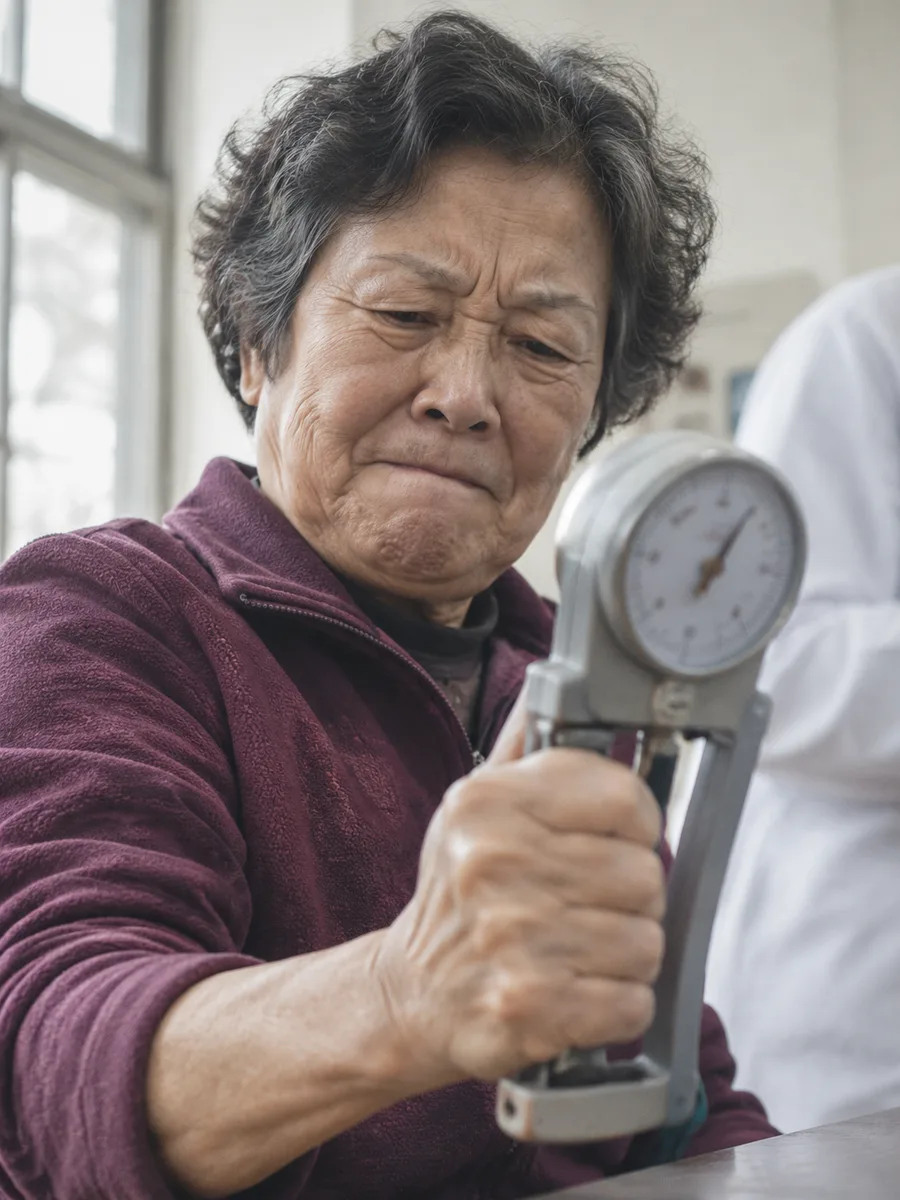












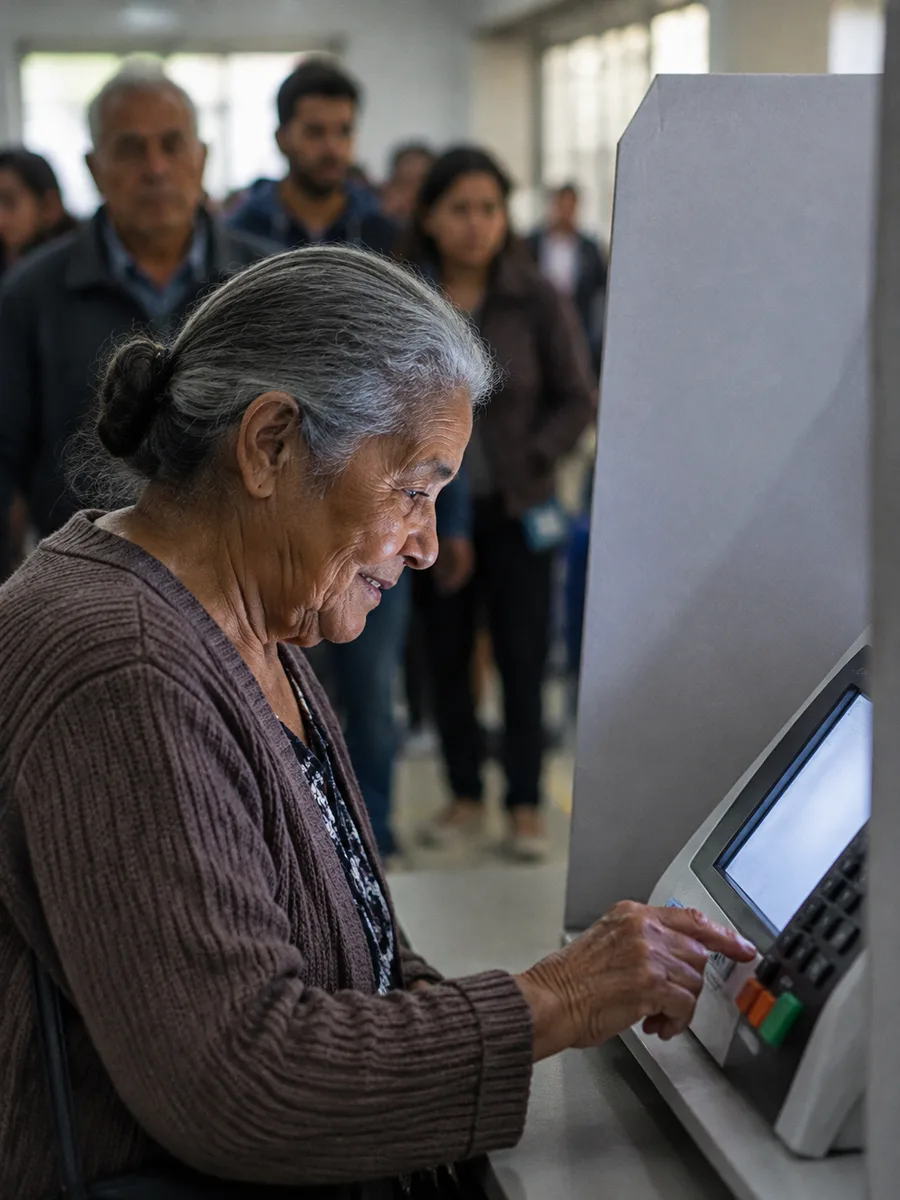






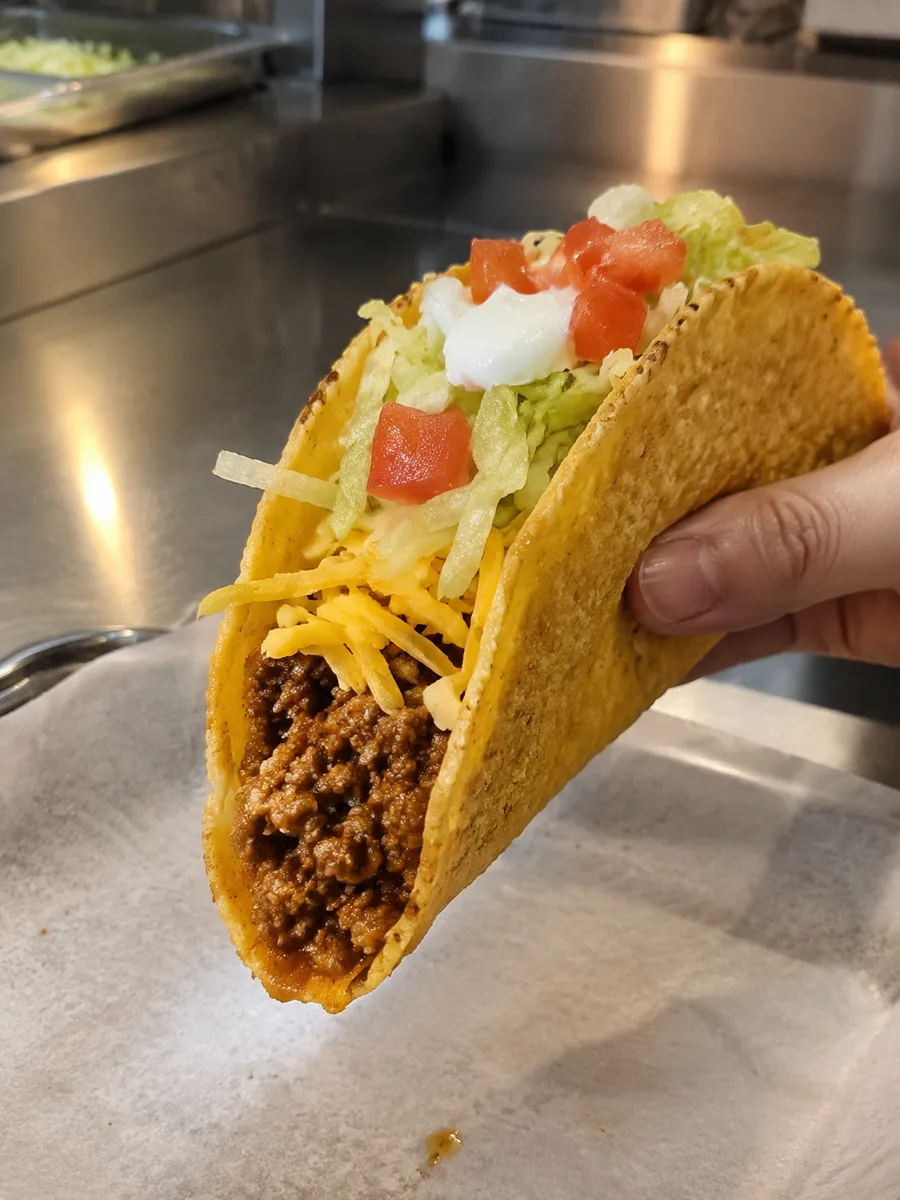

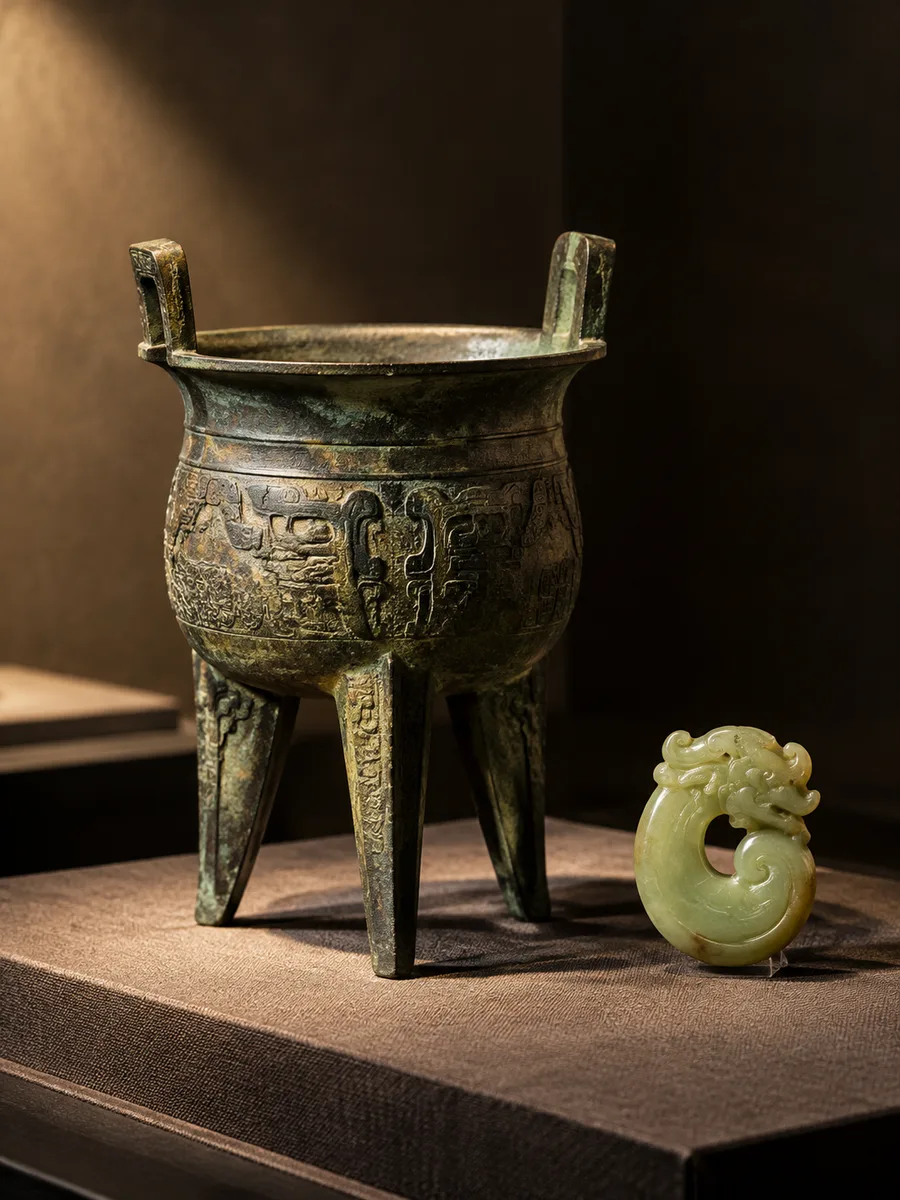




















































































































































































































































HSK 3 Chinese listening episodes

HSK 4 Chinese listening episodes
HSK 5+ Chinese listening episodes
How to actually learn HSK 4 vocabulary
Reading a word on a page and catching it at speed in a sentence are different skills. The HSK listening section tests the second.
Scroll
The method in practice
Hear HSK 4 vocabulary in real Mandarin
Each HSK 4 episode uses this word band, with the transcript, pinyin and line-by-line English. Five free episodes after a one-tap magic-link sign-in — no password, no payment.