

HSK 4 Vocabulary List: 2,000 Words (HSK 3.0)
HSK 4 has 2,000 words in HSK 3.0, 1,000 of them new at this level (the old HSK 2.0 list had 1,200). Fluentide has 302 free stories at the Intermediate (HSK 4) level that use them, with transcript and pinyin.
By Haoshan Hong · Native Mandarin speaker · Updated October 2026
Hear HSK 4 words in a real story

胡迪尼的大象与好奇心
Economist Bartleby Column: Andrew Palmer on the Hidden Costs of Workplace Curiosity
2 min
What is on the HSK 4 word list?
The other 1,000 come from HSK 1–3. They cover opinion, comparison, and evaluation: the words you need to say what you think, not just what happened.
Scroll
HSK 4 word list
All 1,978 words from the official HSK 3.0 syllabus, the 990 new at HSK 4 first. The syllabus counts 2,000 because a few words are listed once per reading; here each appears once.
Pinyin from the syllabus, definitions from CC-CEDICT. Tap a word for its other senses.
Showing 1551–1600 of 1,978 · page 32 of 40
经常jīngchángHSK 2frequently
- frequently
- constantly
- regularly
- often
- day-to-day
- everyday
- daily
酒店jiǔdiànHSK 2wine shop
- wine shop
- pub (public house)
- hotel
- restaurant
- (Tw) hostess club
就jiùHSK 2then
- then
- just
- right away
- (after a suppositional clause) in that case
- then
- (after a clause of action) as soon as
- immediately after
- (same as 就是) merely
- nothing else but
- simply
- just
- precisely
- exactly
- only
- as little as
- as much as
- as many as
- to approach
- to move towards
- to undertake
- to engage in
- (often followed by 着) taking advantage of
- (of food) to go with
- with regard to
- concerning
- (bound form) to reach
- to attain (as in 一蹴而就)
- (pattern: 就 ... 也 ...) even if ... still ...
- (pattern: 不 ... 就 ...) if not ... then must be ...
咖啡kāfēiHSK 2(loanword) coffee
- (loanword) coffee
- CL:杯
开始kāishǐHSK 2to begin
- to begin
- to start
- beginning
- start
开学kāixuéHSK 2(of a student) to start school
- (of a student) to start school
- (of a semester) to begin
- the start of a new term
- (old) to found a school
考kǎoHSK 2to take an exam
- to take an exam
- to test
- to beat
- to hit
- to inspect
- to test
- to take an exam
- to check
- to verify
- to test
- to examine
- to take an exam
- to take an entrance exam for
- deceased father
- variant of 考
考试kǎoshìHSK 2to take an exam
- to take an exam
- exam
- CL:次
可能kěnéngHSK 2might (happen)
- might (happen)
- possible
- probable
- possibility
- probability
- maybe
- perhaps
- CL:个
裤子kùziHSK 2trousers
- trousers
- pants
- CL:条
快kuàiHSK 2rapid
- rapid
- quick
- speed
- rate
- soon
- almost
- to make haste
- clever
- sharp (of knives or wits)
- forthright
- plainspoken
- gratified
- pleased
- pleasant
快乐kuàilèHSK 2happy
快要kuàiyàoHSK 2nearly at the point of (doing sth)
- nearly at the point of (doing sth)
- about to (do sth)
篮球lánqiúHSK 2basketball
- basketball
- CL:个,只
累lèiHSK 2tired
- tired
- weary
- to strain
- to wear out
- to work hard
- to accumulate
- to involve or implicate (Taiwan pr. )
- continuous
- repeated
- used in 累累
- used in 累赘 and 累坠
- used in 累累
离líHSK 2away from
- away from
- to leave
- to leave
- to part from
- to be away from
- (in giving distances) from
- without (sth)
- independent of
- one of the Eight Trigrams 八卦, symbolizing fire
- ☲
- mythical beast (archaic)
- surname Li
里面lǐmiànHSK 2inside
- inside
- interior
- also pr.
楼lóuHSK 2building
- building
- floor
- house with more than 1 story
- storied building
- floor
- CL:层,座,栋
- surname Lou
路lùHSK 2road (CL:条)
- road (CL:条)
- journey
- route
- line (bus etc)
- sort
- kind
- surname Lu
路上lùshangHSK 2on the road
- on the road
- on the way
- en route
旅游lǚyóuHSK 2trip
- trip
- journey
- tourism
- travel
- tour
- to travel
绿茶lǜcháHSK 2green tea
- green tea
- (slang) (of a girl) seemingly innocent and charming but actually calculating and manipulative
- a girl who has these qualities
绿色lǜsèHSK 2green
- green
慢mànHSK 2slow
没意思méi yìsiHSK 2boring
- boring
- of no interest
每měiHSK 2each
门ménHSK 2door
- door
- gate
- gate
- door
- doorway
- gateway
- opening (CL:扇)
- valve
- switch
- other door-like or gate-like structure
- way to do sth
- knack
- method
- approach
- family
- household
- lineage
- (bound form) sect
- school
- faction (religious or academic)
- (bound form) class
- category
- division
- phylum
- classifier for courses, fields of study, branches of technology, relatives by marriage, guns etc
- (suffix) -gate (scandal)
- surname Men
门口ménkǒuHSK 2doorway
- doorway
- gate
- CL:个
门票ménpiàoHSK 2ticket (for theater, cinema etc)
- ticket (for theater, cinema etc)
面miànHSK 2face
- face
- side
- surface
- aspect
- top
- classifier for objects with flat surfaces such as drums, mirrors, flags etc
- flour
- noodles
- (of food) soft (not crunchy)
- (slang) (of a person) ineffectual
- spineless
- variant of 面
名míngHSK 2name
- name
- noun (part of speech)
- place (e.g. among winners)
- famous
- classifier for people
拿náHSK 2to hold
- to hold
- to seize
- to catch
- to apprehend
- to take
- (used in the same way as 把: to mark the following noun as a direct object)
- old variant of 拿
- variant of 拿
那么nàmeHSK 2like that
- like that
- in that way
- to that extent
- (before a number) ... or so
- about ...
- then
- in that case
那样nàyàngHSK 2that kind
- that kind
- that sort
奶茶nǎicháHSK 2milk tea
- milk tea
奶奶nǎinaiHSK 2(informal) grandma (paternal grandmother)
- (informal) grandma (paternal grandmother)
- (respectful) mistress of the house
- CL:位
- (coll.) boobies
- breasts
男孩儿nánháirHSK 2erhua form of 男孩
- erhua form of 男孩
鸟niǎoHSK 2bird
- bird
- CL:只,群
- "bird" radical in Chinese characters (Kangxi radical 196)
- (intensifier) damned
- goddamn
- (dialect) to pay attention to
- penis
- variant of 屌
女孩儿nǚháirHSK 2erhua form of 女孩
- erhua form of 女孩
旁边pángbiānHSK 2side
- side
- adjacent place
跑pǎoHSK 2to run
- to run
- to run away
- to escape
- to run around (on errands etc)
- (of a gas or liquid) to leak or evaporate
- (verb complement) away
- off
- (of an animal) to paw (the ground)
跑步pǎobùHSK 2to run
- to run
- to jog
- (military) to march at the double
票piàoHSK 2ticket
- ticket
- ballot
- banknote
- CL:张
- person held for ransom
- amateur performance of Chinese opera
- classifier for groups, batches, business transactions
妻子qīziHSK 2wife
起来qǐláiHSK 2to stand up
- to stand up
- to get up
- also pr.
前面qiánmiànHSK 2ahead
- ahead
- in front
- preceding
- above
- also pr.
晴qíngHSK 2clear
- clear
- fine (weather)
球qiúHSK 2ball used for playing games (variant of 球)
- ball used for playing games (variant of 球)
- ball
- sphere
- globe
- CL:个
- ball game
- match
- CL:场
让ràngHSK 2to let
- to let
- to allow
- to make (sb do sth)
- to yield
- to permit
- to let sb do sth
- to have sb do sth
- to make sb (feel sad etc)
- by (indicates the agent in a passive clause, like 被)
肉ròuHSK 2meat
- meat
- flesh
- pulp (of a fruit)
- (coll.) (of a fruit) squashy
- (of a person) flabby
- irresolute
- Kangxi radical 130
Stories that use these HSK 4 words
Each one is a Fluentide Intermediate (HSK 4) story, written inside that word band. Press play; the first few need no account.
HSK 2 Chinese listening episodes






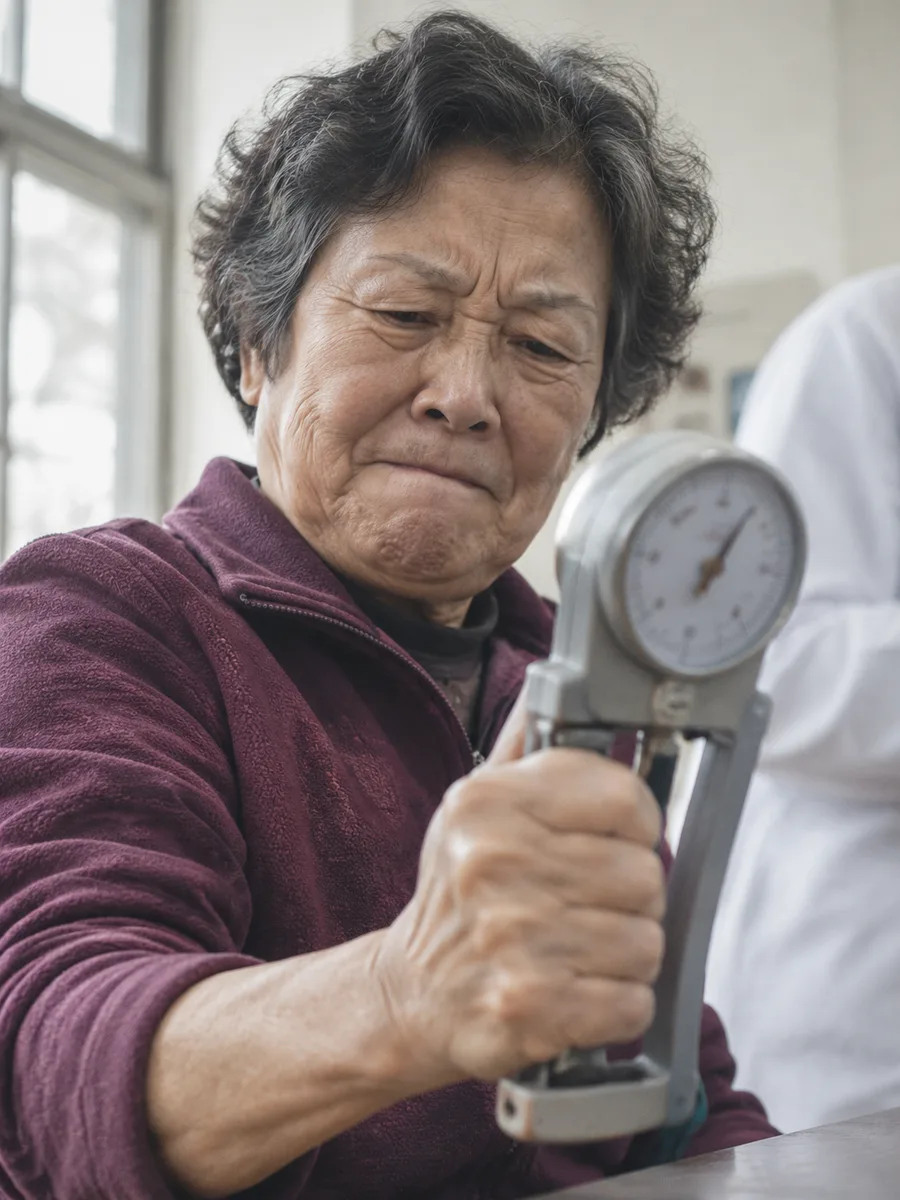









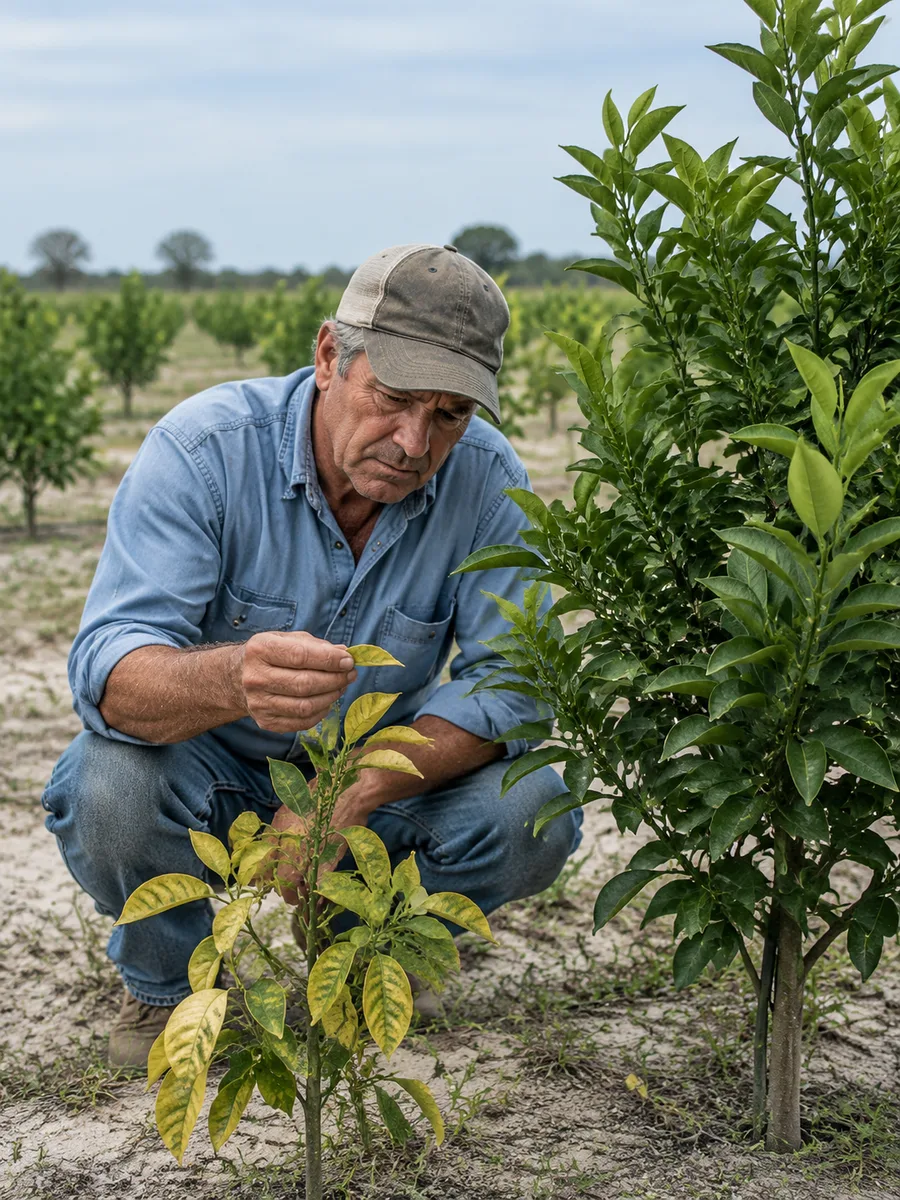


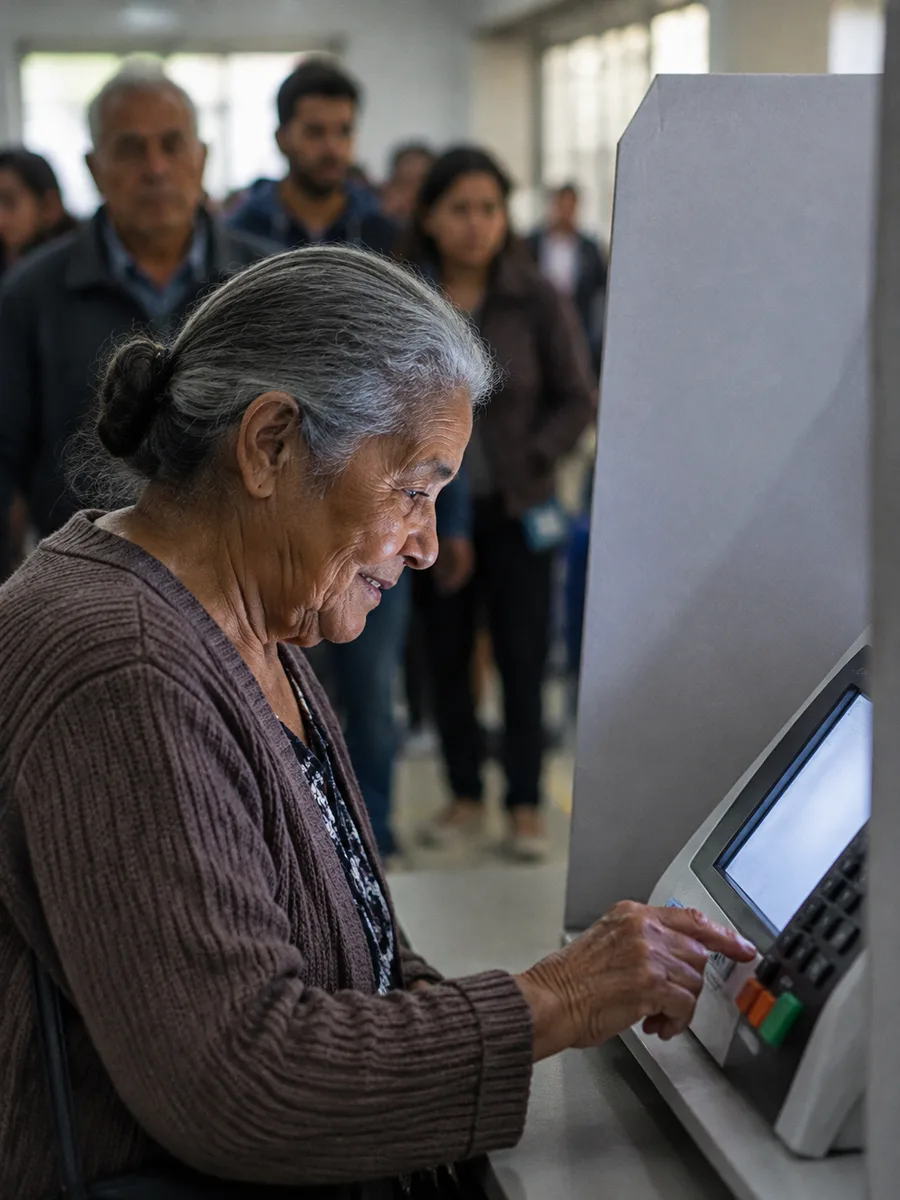

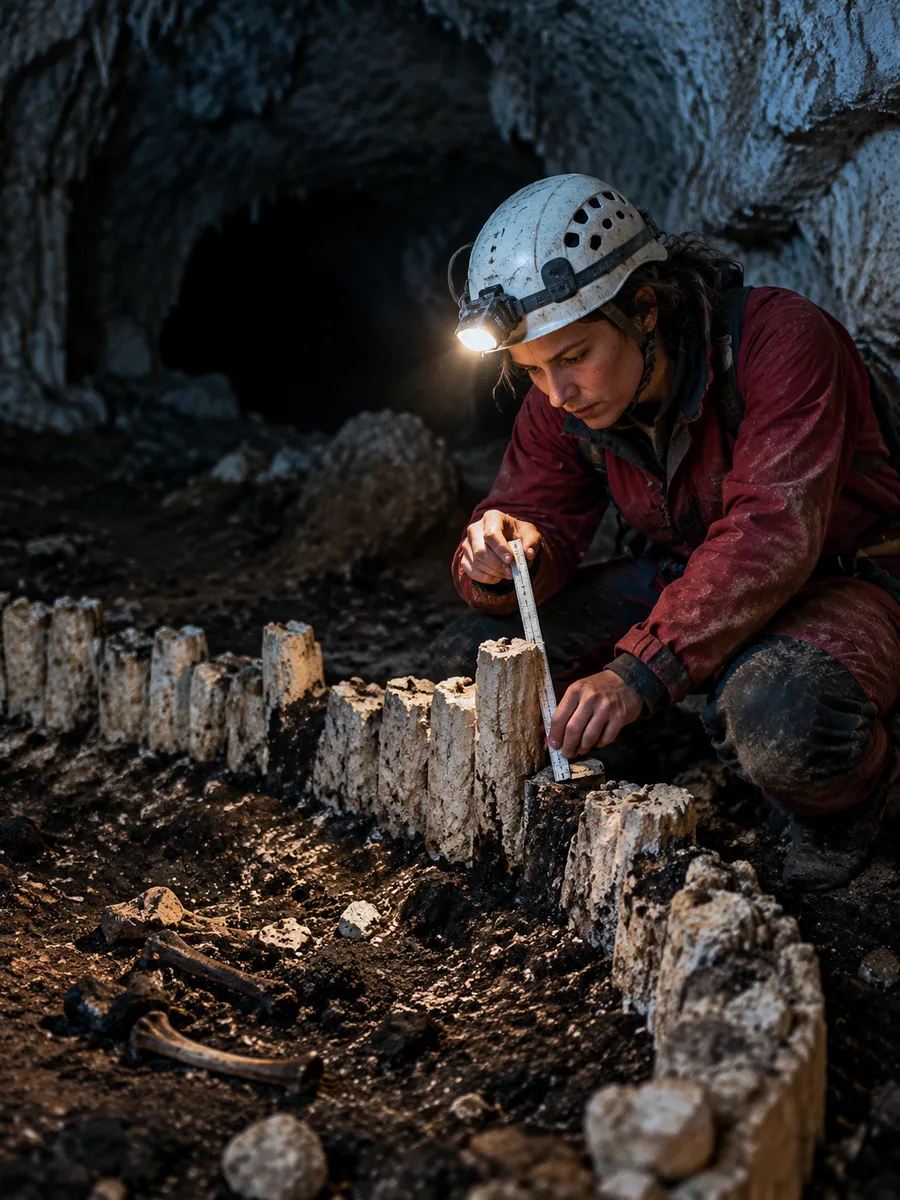




































































































































































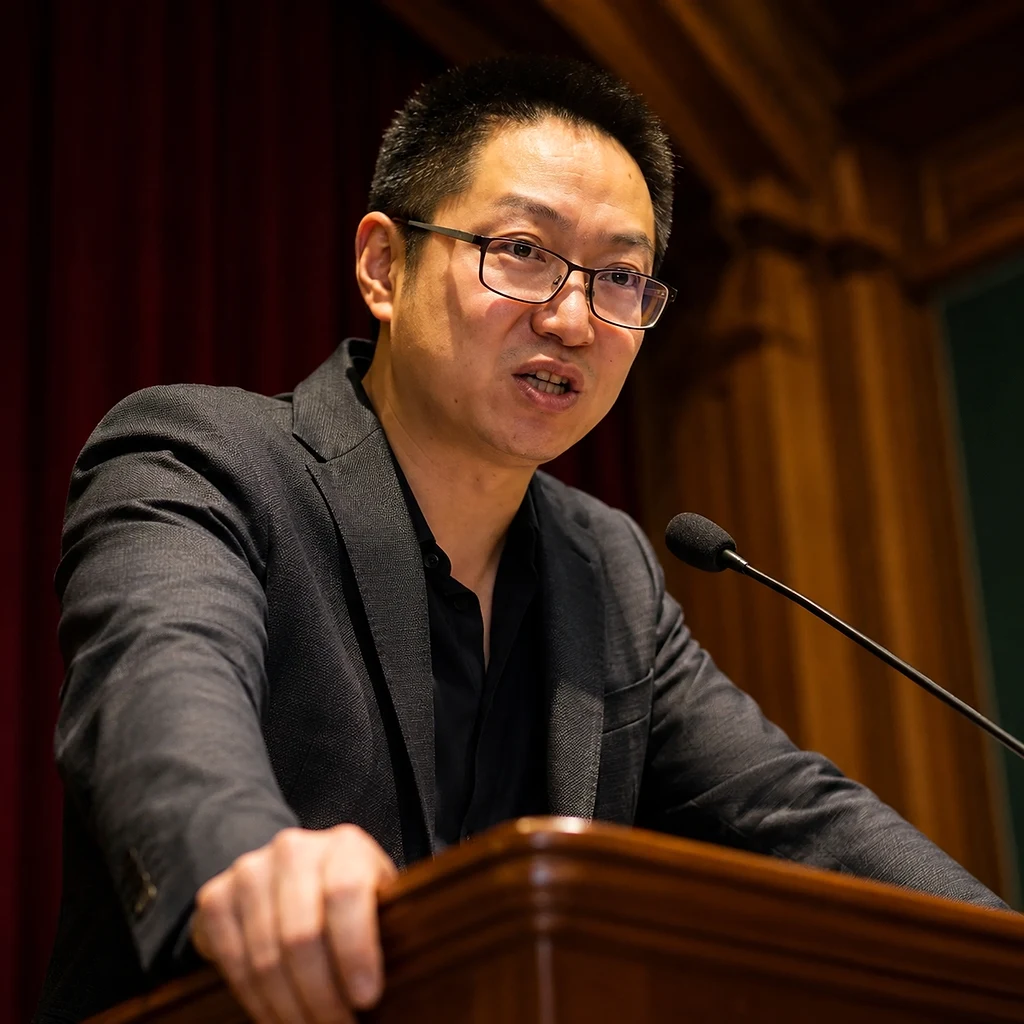

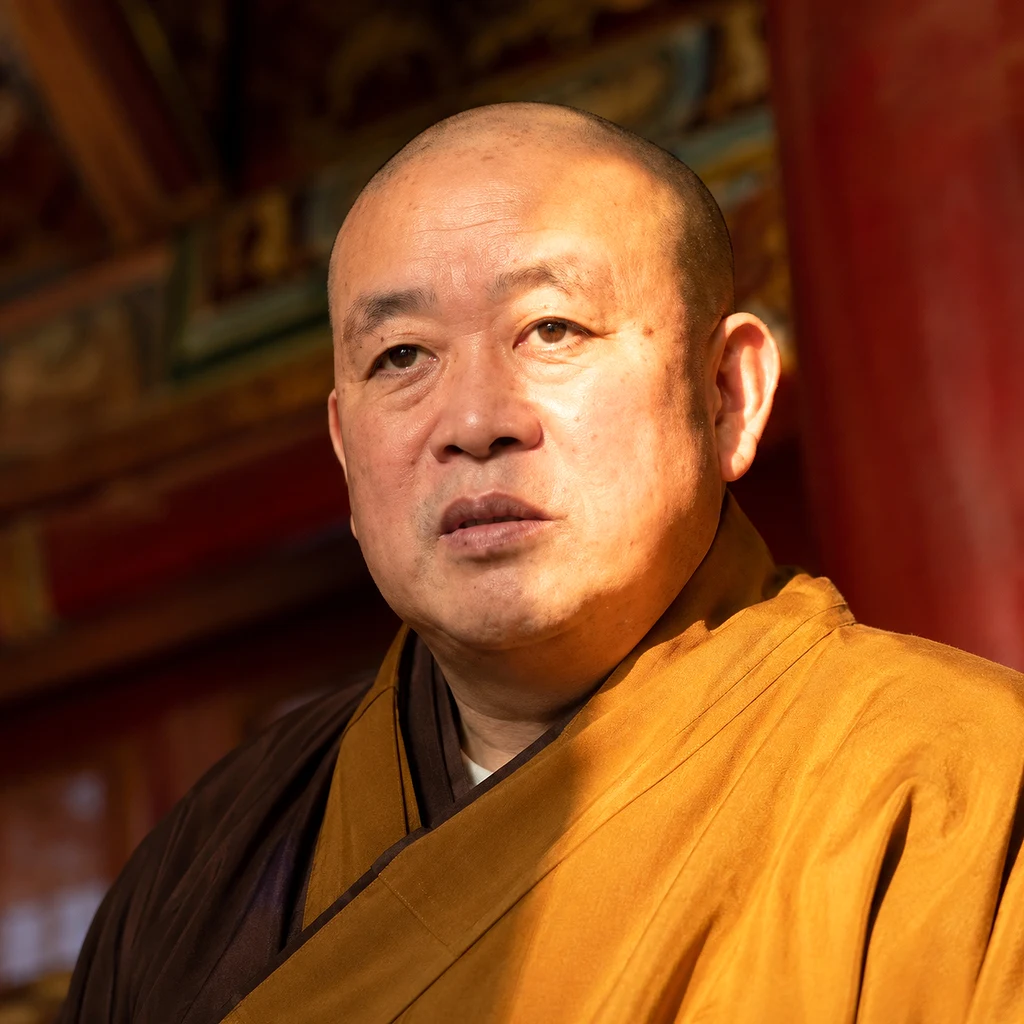









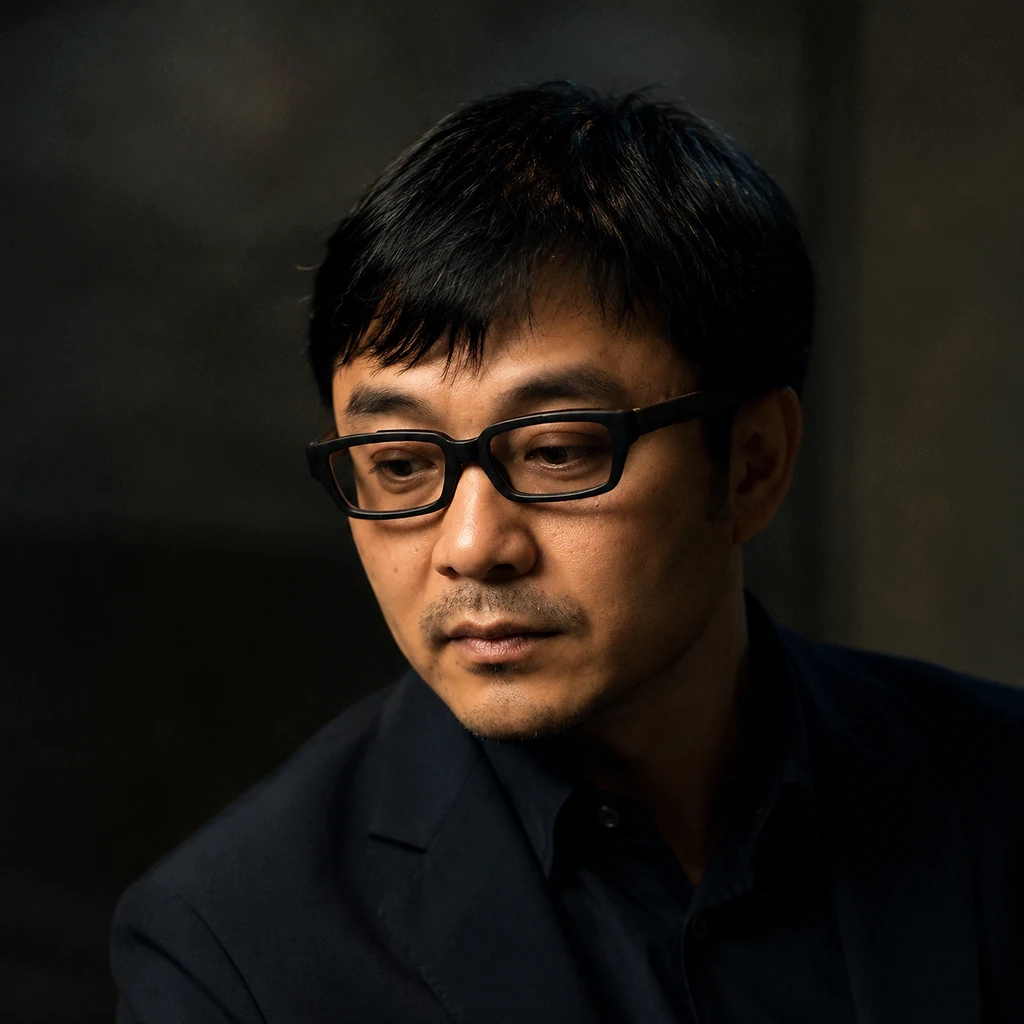




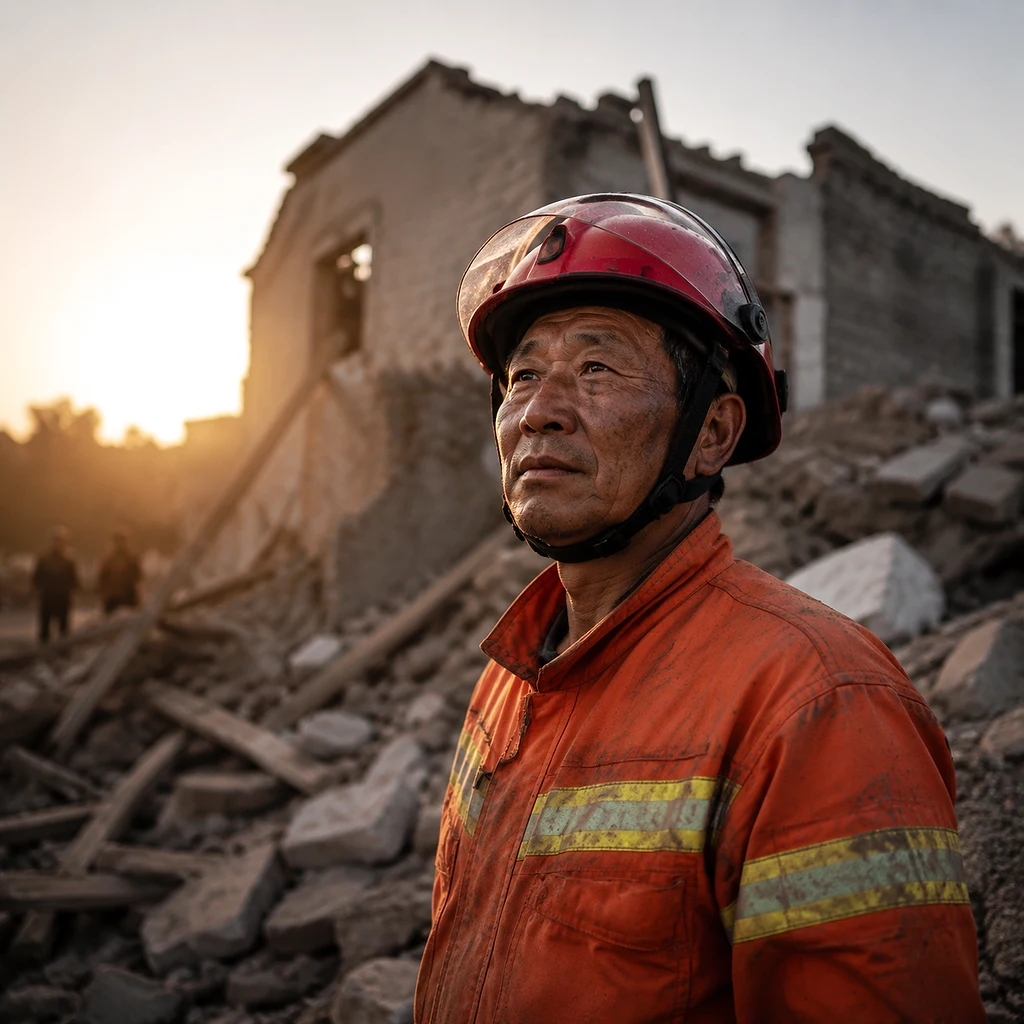











































































HSK 3 Chinese listening episodes

HSK 4 Chinese listening episodes
HSK 5+ Chinese listening episodes
How to actually learn HSK 4 vocabulary
Reading a word on a page and catching it at speed in a sentence are different skills. The HSK listening section tests the second.
Scroll
The method in practice
Hear HSK 4 vocabulary in real Mandarin
Each HSK 4 episode uses this word band, with the transcript, pinyin and line-by-line English. Five free episodes after a one-tap magic-link sign-in — no password, no payment.