

HSK 4 Vocabulary List: 2,000 Words (HSK 3.0)
HSK 4 has 2,000 words in HSK 3.0, 1,000 of them new at this level (the old HSK 2.0 list had 1,200). Fluentide has 302 free stories at the Intermediate (HSK 4) level that use them, with transcript and pinyin.
By Haoshan Hong · Native Mandarin speaker · Updated October 2026
Hear HSK 4 words in a real story

胡迪尼的大象与好奇心
Economist Bartleby Column: Andrew Palmer on the Hidden Costs of Workplace Curiosity
2 min
What is on the HSK 4 word list?
The other 1,000 come from HSK 1–3. They cover opinion, comparison, and evaluation: the words you need to say what you think, not just what happened.
Scroll
HSK 4 word list
All 1,978 words from the official HSK 3.0 syllabus, the 990 new at HSK 4 first. The syllabus counts 2,000 because a few words are listed once per reading; here each appears once.
Pinyin from the syllabus, definitions from CC-CEDICT. Tap a word for its other senses.
Showing 1851–1900 of 1,978 · page 38 of 40
三sānHSK 1three
- three
- 3
- surname San
商店shāngdiànHSK 1store
- store
- shop
- CL:家
上shàngHSK 1(bound form) up
- (bound form) up
- upper
- above
- previous
- first (of multiple parts)
- to climb
- to get onto
- to go up
- to attend (class or university)
- (directional complement) up
- (noun suffix) on
- above
- used in 上声
上班shàngbānHSK 1to go to work
- to go to work
- to be on duty
- to start work
- to go to the office
上课shàngkèHSK 1to go to class
- to go to class
- to attend class
- to go to teach a class
上午shàngwǔHSK 1morning
上学shàngxuéHSK 1to go to school
- to go to school
- to attend school
少shǎoHSK 1few
- few
- less
- to lack
- to be missing
- to stop (doing sth)
- seldom
- young
谁shéi/shuíHSK 1who
什么shénmeHSK 1what?
- what?
- something
- anything
生病shēngbìngHSK 1to fall ill
十shíHSK 1ten
时候shíhouHSK 1time
- time
- length of time
- moment
- period
时间shíjiānHSK 1(concept of) time
- (concept of) time
- (duration of) time
- (point in) time
事shìHSK 1matter
- matter
- thing
- item
- work
- affair
- CL:件,桩,回
是shìHSK 1to be (followed by substantives only)
- to be (followed by substantives only)
- correct
- right
- true
- (respectful acknowledgement of a command) very well
- (adverb for emphatic assertion)
- variant of 是
手机shǒujīHSK 1cell phone
- cell phone
- mobile phone
- CL:部,台
书shūHSK 1book
- book
- letter
- document
- CL:本,册,部
- to write
- abbr. for 书经
书店shūdiànHSK 1bookstore
- bookstore
- CL:家
水shuǐHSK 1water
- water
- (after a name) ... River
- to swim (used mostly in 会水 and 水性)
- (coll.) lacking in substance
- shoddy
- (bound form) additional cost
- extra income
- classifier for washings of a garment
- surname Shui
- Shui ethnic group
水果shuǐguǒHSK 1fruit
睡shuìHSK 1to sleep
- to sleep
- to lie down
睡觉shuìjiàoHSK 1to go to bed
- to go to bed
- to sleep
说shuōHSK 1to speak
- to speak
- to talk
- to say
- to explain
- to comment
- to scold
- to tell off
- (bound form) theory
- doctrine
- to persuade
- variant of 说
说话shuōhuàHSK 1to speak
- to speak
- to say
- to talk
- to gossip
- to tell stories
- talk
- word
四sìHSK 1four
岁suìHSK 1years old
- years old
- classifier for years (of age)
- year
- year (of crop harvests)
- variant of 岁, year
他tāHSK 1he
- he
- him
- (third-person singular) (since the early 20th century, usu. male) he
- him
- his
- (bound form) other
- another
- some other (as in 他日 and 他人)
他们tāmenHSK 1they
- they
- them
它tāHSK 1it
- it
- it (pronoun for an animal)
它们tāmenHSK 1they
- they
- them
她tāHSK 1she
她们tāmenHSK 1they
- they
- them (females)
太tàiHSK 1too (much)
- too (much)
- very
- highest
- greatest
- too (much)
- very
- extremely
天tiānHSK 1day
- day
- sky
- heaven
天气tiānqìHSK 1weather
听tīngHSK 1to listen to
- to listen to
- to hear
- to heed
- to obey
- a can (loanword from English "tin")
- classifier for canned beverages
- to let be
- to allow (Taiwan pr. )
- (literary) to administer
- to deal with (Taiwan pr. )
- smile (archaic)
听见tīngjiànHSK 1to hear
- to hear
同学tóngxuéHSK 1to study at the same school
- to study at the same school
- fellow student
- classmate
- CL:位,个
外wàiHSK 1outside
- outside
- in addition
- foreign
- external
外边wàibianHSK 1outside
- outside
- outer surface
- abroad
- place other than one's home
玩wánHSK 1to play
- to play
- to have fun
- to trifle with
- toy
- sth used for amusement
- curio or antique (Taiwan pr. )
- to keep sth for entertainment
- Taiwan pr.
- variant of 玩
晚wǎnHSK 1evening
- evening
- night
- late
晚饭wǎnfànHSK 1evening meal
- evening meal
- dinner
- supper
- CL:份,顿,次,餐
晚上wǎnshangHSK 1evening
- evening
- night
- CL:个
- in the evening
喂wèiHSK 1hey
- hey
- to feed (an animal, baby, invalid etc)
- to feed
- hello (when answering the phone)
- variant of 喂
问wènHSK 1to ask
- to ask
- to inquire
问题wèntíHSK 1question
- question
- problem
- issue
- topic
- CL:个
我wǒHSK 1I
我们wǒmenHSK 1we
- we
- us
- ourselves
Stories that use these HSK 4 words
Each one is a Fluentide Intermediate (HSK 4) story, written inside that word band. Press play; the first few need no account.
HSK 2 Chinese listening episodes






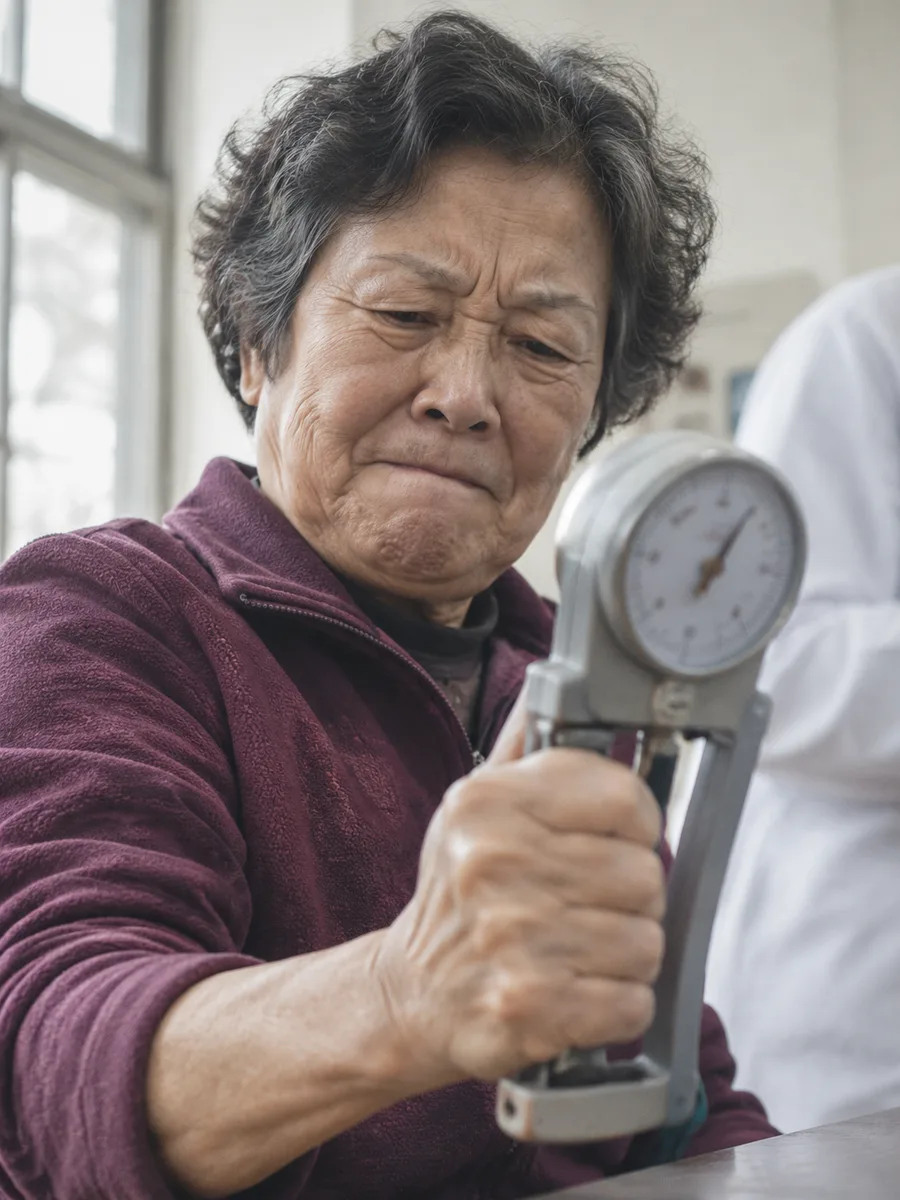











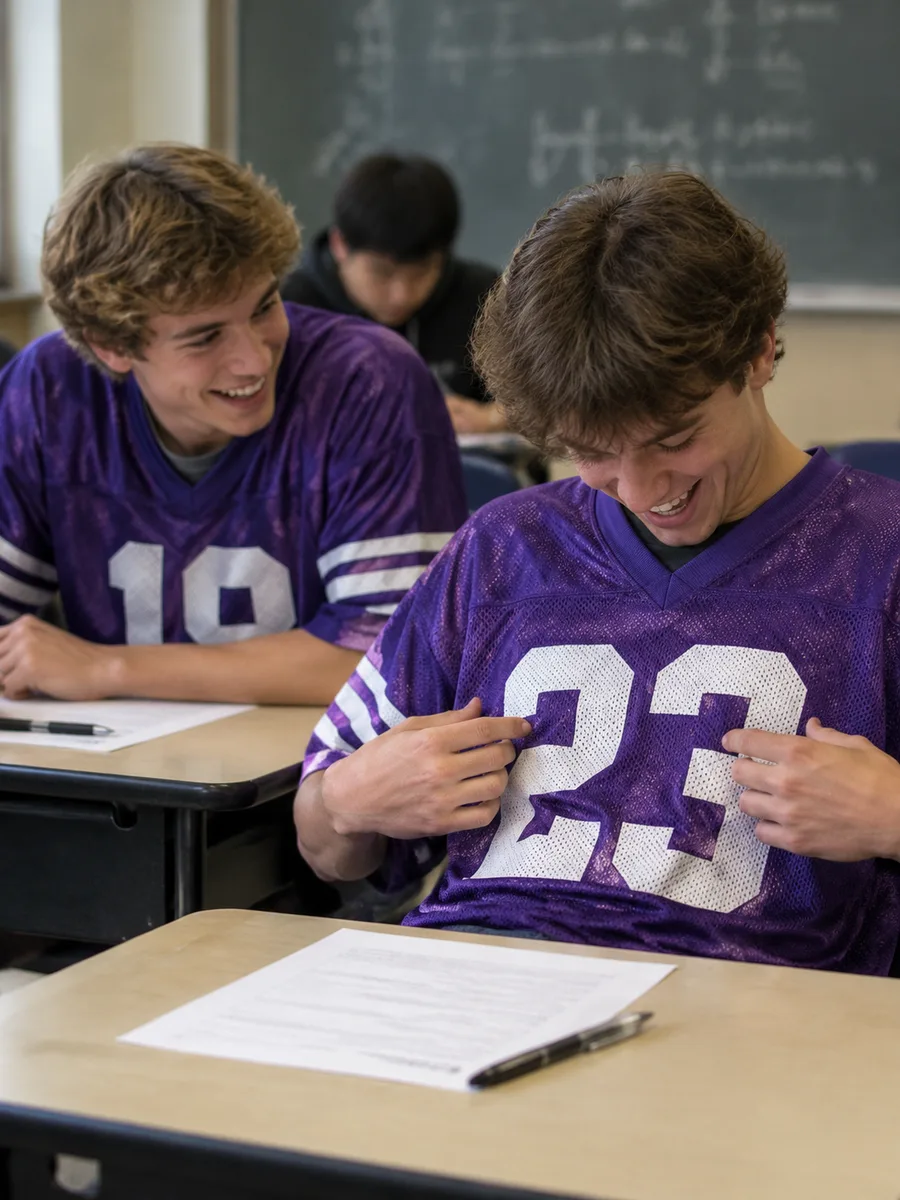
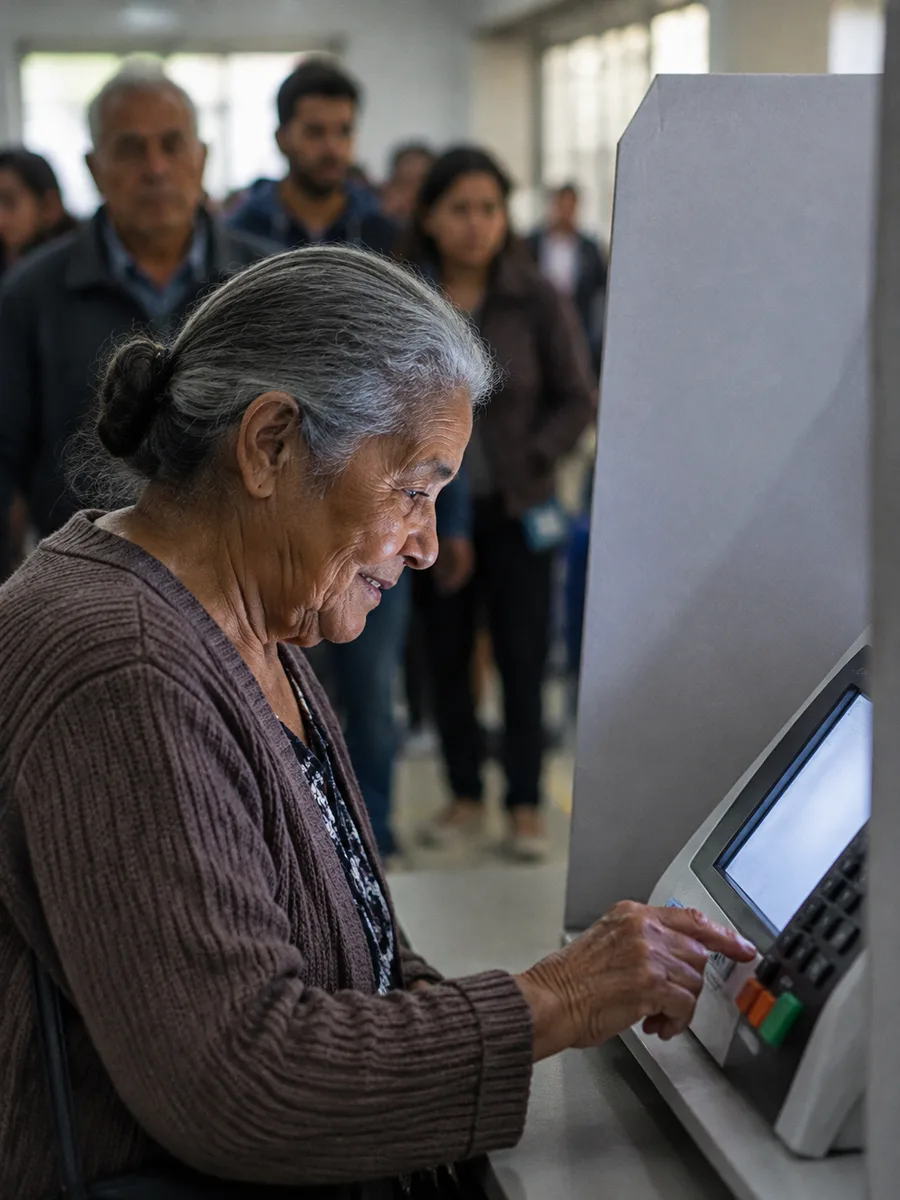

















































































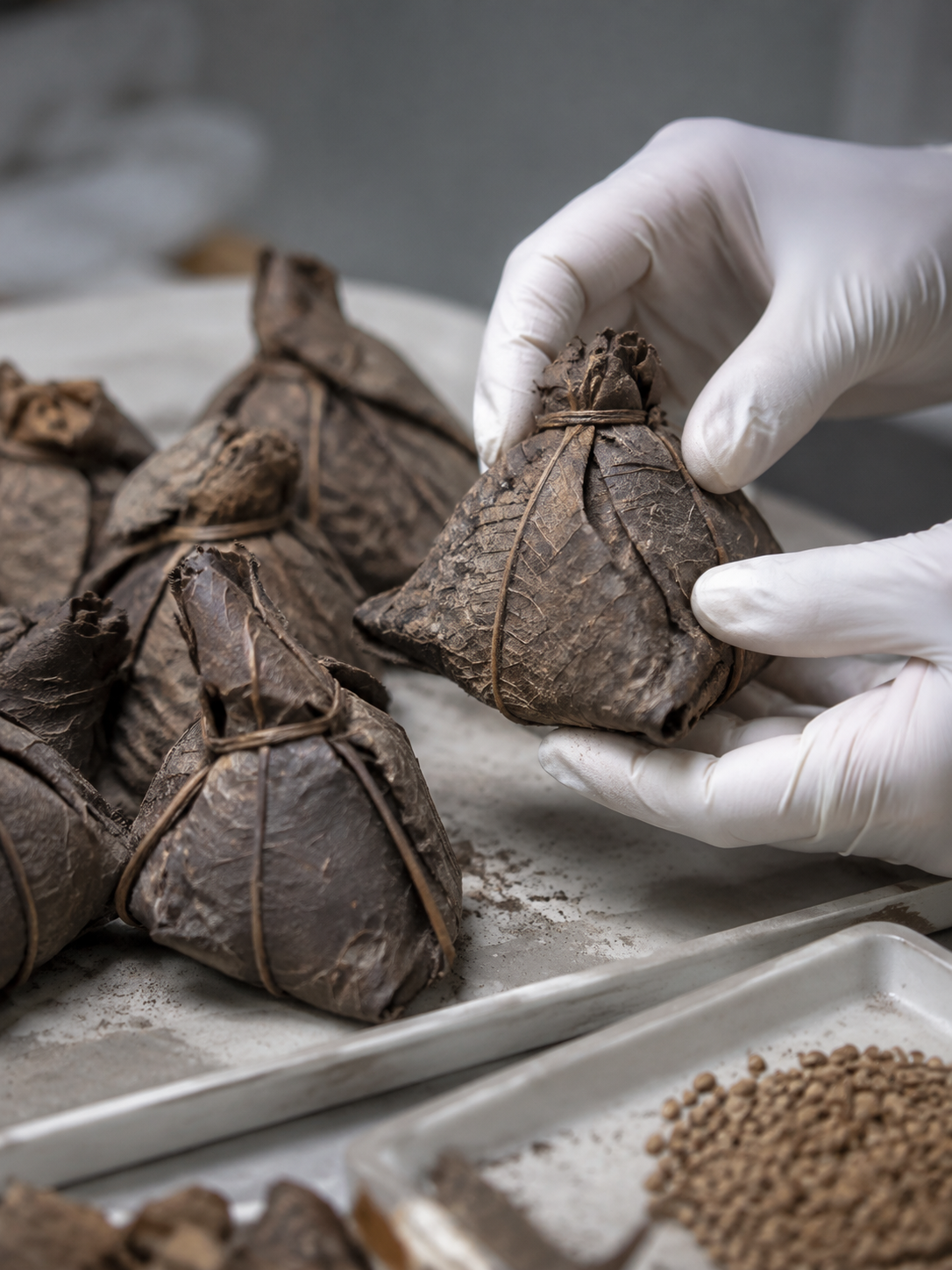







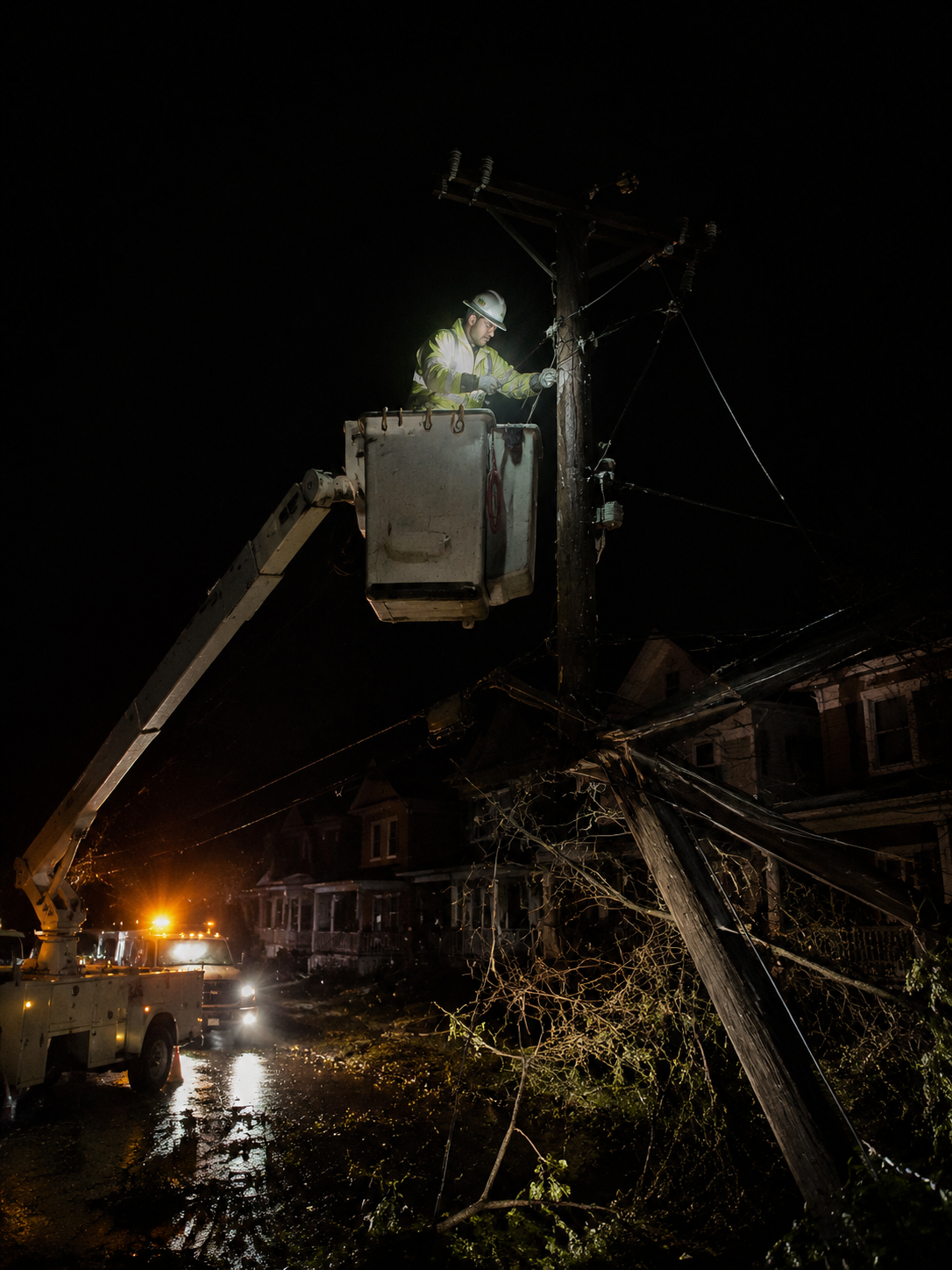
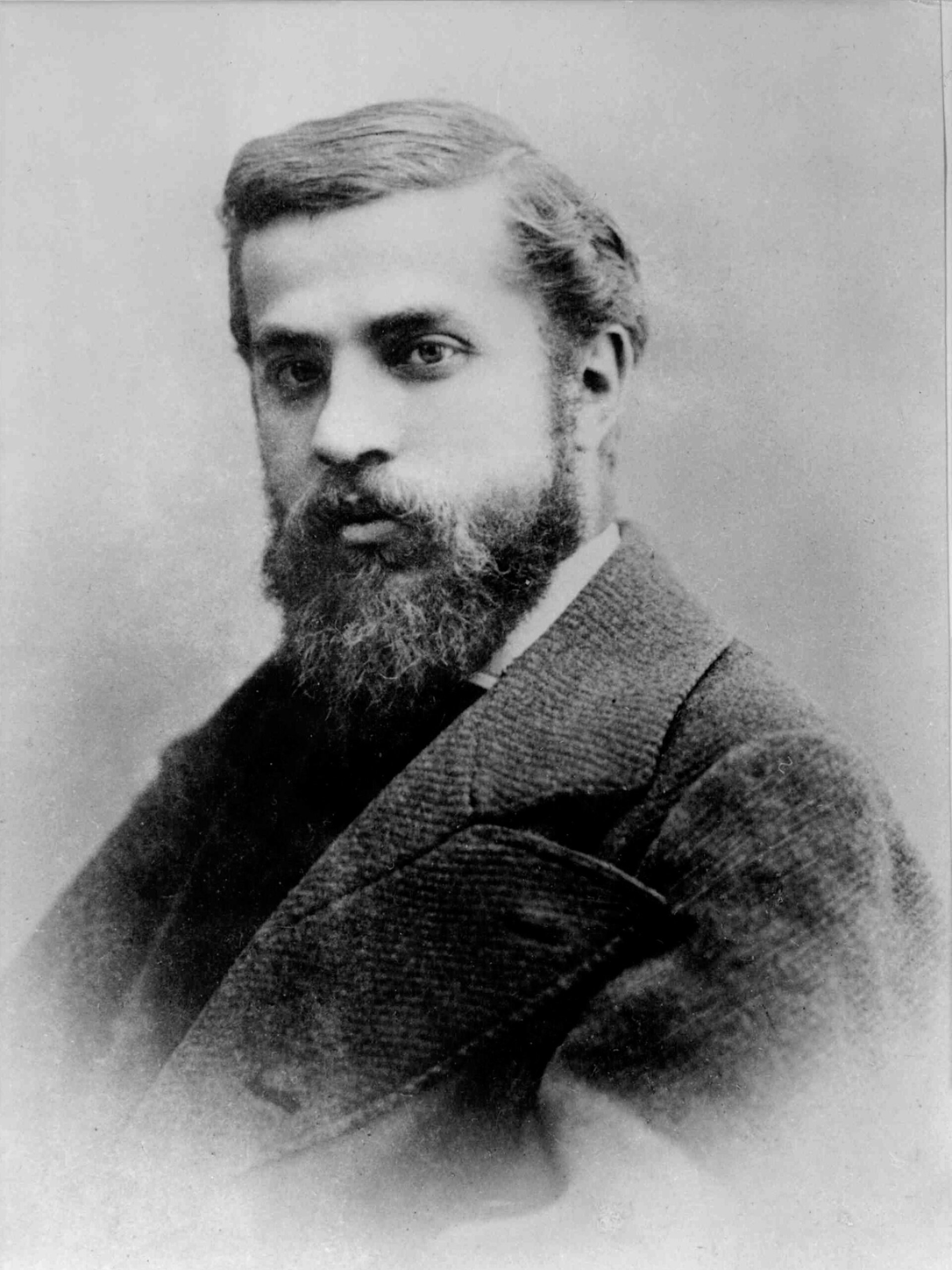
















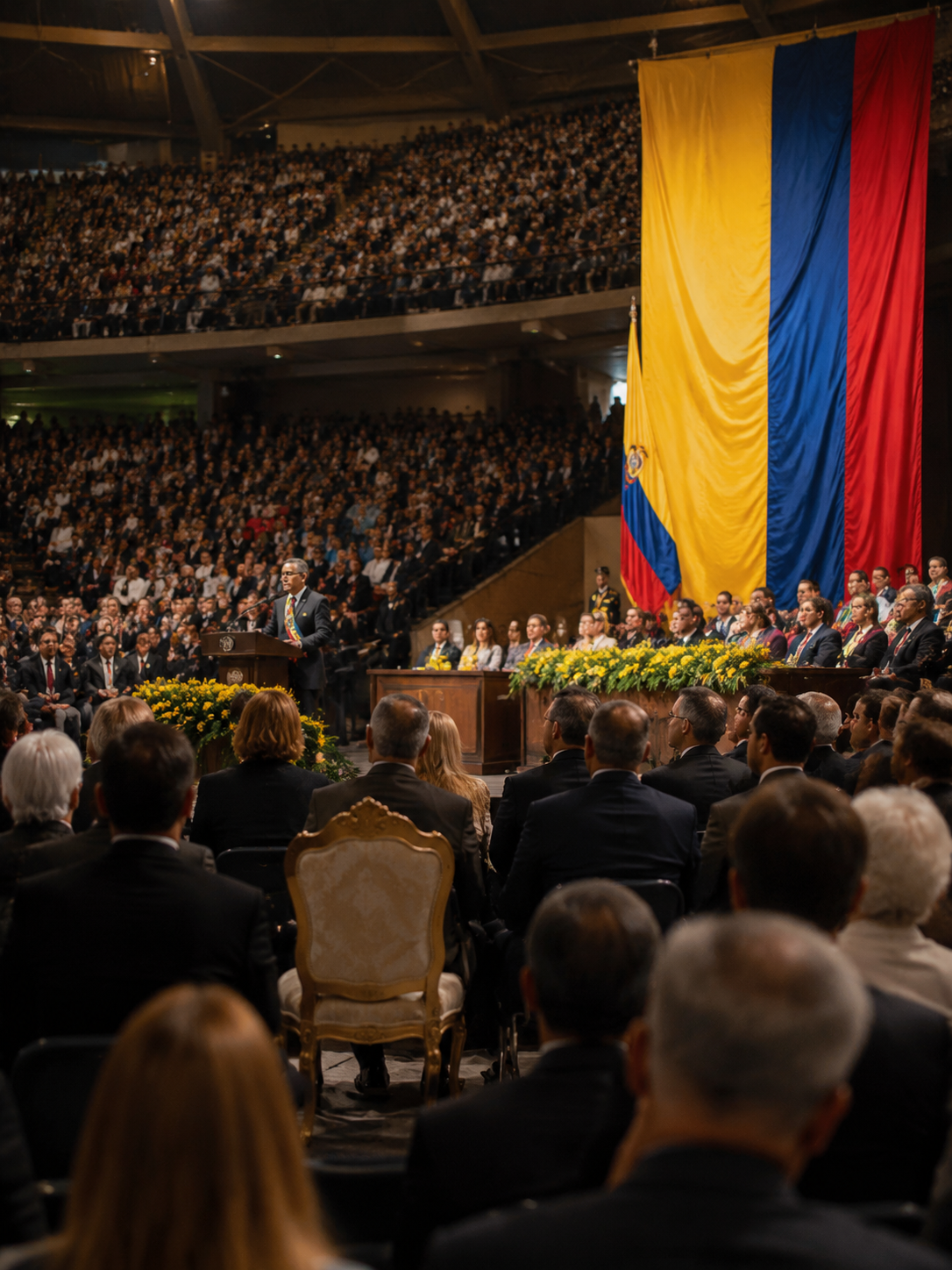


























































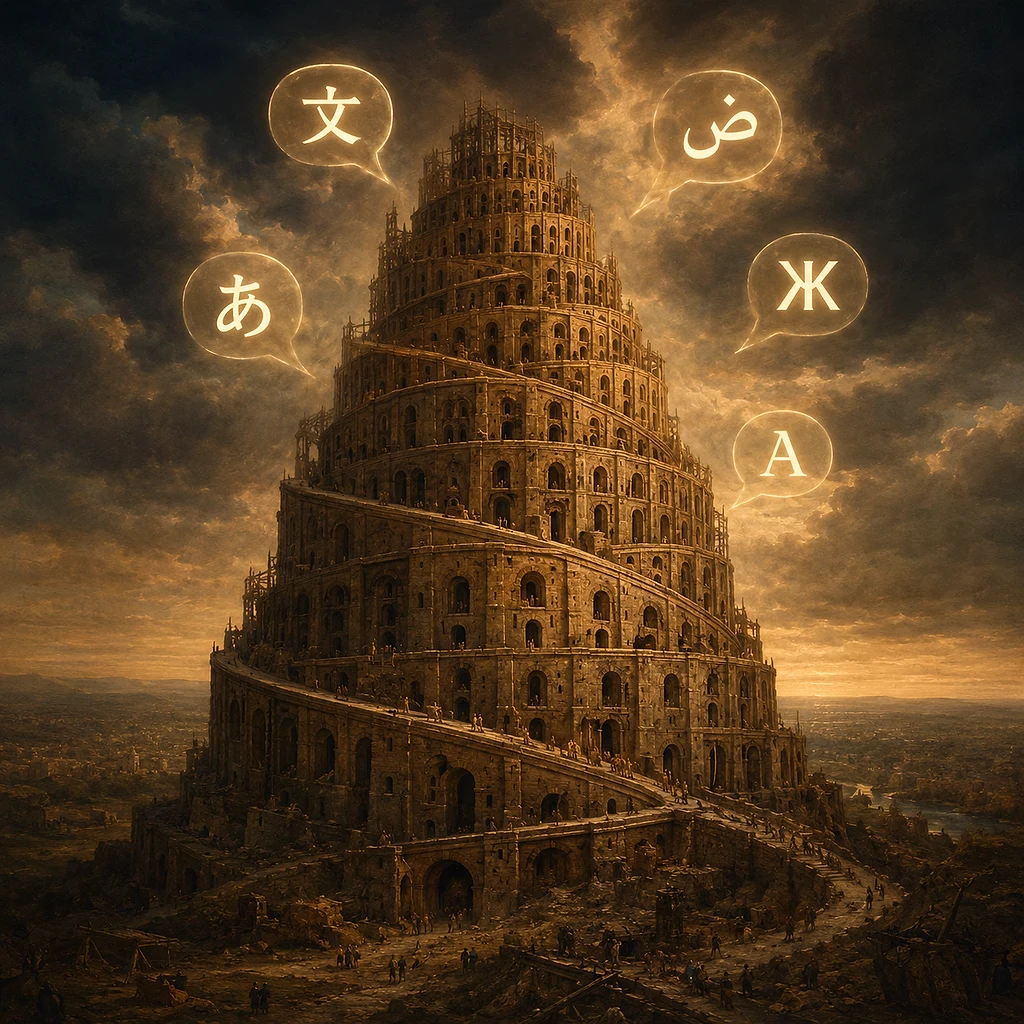

















































































HSK 3 Chinese listening episodes

HSK 4 Chinese listening episodes
HSK 5+ Chinese listening episodes
How to actually learn HSK 4 vocabulary
Reading a word on a page and catching it at speed in a sentence are different skills. The HSK listening section tests the second.
Scroll
The method in practice
Hear HSK 4 vocabulary in real Mandarin
Each HSK 4 episode uses this word band, with the transcript, pinyin and line-by-line English. Five free episodes after a one-tap magic-link sign-in — no password, no payment.