

HSK 4 Vocabulary List: 1,200 Words
HSK 4 assumes 1,200 cumulative words — 600 of them new at this level. They cover opinion, comparison, and evaluation — the abstract vocabulary you need to say what you think, not just what happened.
By Haoshan HongNative Mandarin speakerUpdated July 2026
Hear HSK 4 words in a real story

克里斯蒂安·贝尔用了二十年,盖出十二栋房子,只为让寄养的兄弟姐妹不再被分开
Christian Bale Spent Twenty Years Building Twelve Houses So Foster Brothers and Sisters Would Stop Being Split Up
3 min
What is on the HSK 4 word list?
The HSK word lists are published and cumulative, which is what makes the exam a finite target. HSK 4 assumes 1,200 words in total — 600 of them introduced at this level.
They cover opinion, comparison, and evaluation — the abstract vocabulary you need to say what you think, not just what happened.
HSK 4 word list
All 1,193 entries below, straight from the official Hanban HSK 2.0 list. The 598 words new at HSK 4 come first, then earlier levels.
Pinyin and definitions come from CC-CEDICT. Tap any word to see its other senses without leaving the list. Words with a full Fluentide entry — character breakdown, usage notes, example sentences — link out from there.
Showing 1101–1150 of 1,193 · page 23 of 24
零língHSK 1zero
- zero
- nought
- zero sign
- fractional
- fragmentary
- odd (of numbers)
- (placed between two numbers to indicate a smaller quantity followed by a larger one)
- fraction
- (in mathematics) remainder (after division)
- extra
- to wither and fall
- to wither
六liùHSK 1six
- six
- 6
- used in place names
妈妈māmaHSK 1mama
- mama
- mommy
- mother
- CL:个,位
吗maHSK 1(question particle for "yes-no" questions)
- (question particle for "yes-no" questions)
- (coll.) what?
- used in 吗啡
买mǎiHSK 1to buy
- to buy
- to purchase
猫māoHSK 1cat (CL:只)
- cat (CL:只)
- (dialect) to hide oneself
- (loanword) (coll.) modem
- used in 猫腰
没méiHSK 1(negative prefix for verbs) have not
- (negative prefix for verbs) have not
- not
- drowned
- to end
- to die
- to inundate
没关系méiguānxiHSK 1it doesn't matter
- it doesn't matter
米饭mǐfànHSK 1(cooked) rice
- (cooked) rice
名字míngziHSK 1name (of a person or thing)
- name (of a person or thing)
明天míngtiānHSK 1tomorrow
哪nǎHSK 1how
- how
- which
- (emphatic sentence-final particle, used instead of 啊 after a word ending in "n")
- which? (interrogative, followed by classifier or numeral-classifier)
- used in 哪吒
- Taiwan pr.
那nàHSK 1(specifier) that
- (specifier) that
- the
- those (colloquial pr. )
- (pronoun) that (referring to persons, things or situations)
- then (in that case)
- surname Na
- surname Nuo
- (archaic) many
- beautiful
- how
- variant of 哪
- old variant of 挪
呢neHSK 1(sentence-final particle) used in questions to link back to prior discourse or context ("what about...?", "and...?")
- (sentence-final particle) used in questions to link back to prior discourse or context ("what about...?", "and...?")
- (sentence-final particle) indicating that a state or situation still holds
- (discourse particle) used to mark a slight pause or emphasis in speech
- dense wool fabric (used for coats and jackets)
能néngHSK 1can
- can
- to be able to
- might possibly
- ability
- (physics) energy
- surname Neng
你nǐHSK 1you (informal, as opposed to courteous 您)
- you (informal, as opposed to courteous 您)
- you (Note: In Taiwan, 妳 is used to address females, but in mainland China, it is not commonly used. Instead, 你 is used to address both males and females.)
年niánHSK 1year
- year
- CL:个
- grain
- harvest (old)
- surname Nian
- variant of 年
女儿nu:3érHSK 1daughter
朋友péngyouHSK 1friend
- friend
- CL:个,位
漂亮piàoliangHSK 1pretty
- pretty
- beautiful
苹果píngguǒHSK 1apple
七qīHSK 1seven
前面qiánmiànHSK 1ahead
- ahead
- in front
- preceding
- above
- also pr.
钱qiánHSK 1coin
- coin
- money
- CL:笔
- unit of weight, one tenth of a tael 两
- surname Qian
请qǐngHSK 1to ask
- to ask
- to invite
- please (do sth)
- to treat (to a meal etc)
- to request
去qùHSK 1to go
- to go
- to go to (a place)
- (of a time etc) last
- just passed
- to send
- to remove
- to get rid of
- to reduce
- to be apart from in space or time
- to die (euphemism)
- to play (a part)
- (when used either before or after a verb) to go in order to do sth
- (after a verb of motion indicates movement away from the speaker)
- (used after certain verbs to indicate detachment or separation)
热rèHSK 1to warm up
- to warm up
- to heat up
- hot (of weather)
- heat
- fervent
人rénHSK 1person
- person
- people
- CL:个,位,名
认识rènshiHSK 1to know
- to know
- to recognize
- to be familiar with
- to get acquainted with sb
- knowledge
- understanding
- awareness
- cognition
日rìHSK 1(bound form) sun
- (bound form) sun
- day
- day of the month
- (bound form) Japan (abbr. for 日本)
- (vulgar) to fuck
- to have sex with
三sānHSK 1three
- three
- 3
- surname San
商店shāngdiànHSK 1store
- store
- shop
- CL:家
上shàngHSK 1(bound form) up
- (bound form) up
- upper
- above
- previous
- first (of multiple parts)
- to climb
- to get onto
- to go up
- to attend (class or university)
- (directional complement) up
- (noun suffix) on
- above
- used in 上声
上午shàngwǔHSK 1morning
少shǎoHSK 1few
- few
- less
- to lack
- to be missing
- to stop (doing sth)
- seldom
- young
谁shéiHSK 1who
什么shénmeHSK 1what?
- what?
- something
- anything
十shíHSK 1ten
时候shíhouHSK 1time
- time
- length of time
- moment
- period
是shìHSK 1to be (followed by substantives only)
- to be (followed by substantives only)
- correct
- right
- true
- (respectful acknowledgement of a command) very well
- (adverb for emphatic assertion)
- variant of 是
书shūHSK 1book
- book
- letter
- document
- CL:本,册,部
- to write
- abbr. for 书经
水shuǐHSK 1water
- water
- (after a name) ... River
- to swim (used mostly in 会水 and 水性)
- (coll.) lacking in substance
- shoddy
- (bound form) additional cost
- extra income
- classifier for washings of a garment
- surname Shui
- Shui ethnic group
水果shuǐguǒHSK 1fruit
睡觉shuìjiàoHSK 1to go to bed
- to go to bed
- to sleep
说话shuōhuàHSK 1to speak
- to speak
- to say
- to talk
- to gossip
- to tell stories
- talk
- word
四sìHSK 1four
岁suìHSK 1classifier for years (of age)
- classifier for years (of age)
- year
- year (of crop harvests)
- years old
- variant of 岁, year
他tāHSK 1(third-person singular) (since the early 20th century, usu. male) he
- (third-person singular) (since the early 20th century, usu. male) he
- him
- his
- (bound form) other
- another
- some other (as in 他日 and 他人)
她tāHSK 1she
太tàiHSK 1highest
- highest
- greatest
- too (much)
- very
- extremely
How to actually learn HSK 4 vocabulary
A word list is a checklist, not a method. Recognising a word on a page is a different skill from catching it at speed in a sentence — and the HSK listening section only tests the second one.
Read the list once, do not memorise it
You are looking for which words feel unfamiliar, not trying to learn them here.
Listen at your level daily
Fluentide's HSK 4 episodes are written inside this vocabulary band, so the words arrive in sentences instead of flashcards.
Look a word up only after you have heard it
A word you have already met in audio sticks in one reading. A word you meet cold takes many.
Come back to this list monthly
Use it as a progress check, not a study plan. The gaps you find are what to listen for next.
HSK 4 episodes to hear these words in
Every episode below is written inside the HSK 4 word band and read at HSK 4 speed. Press play — no account needed for the first few.














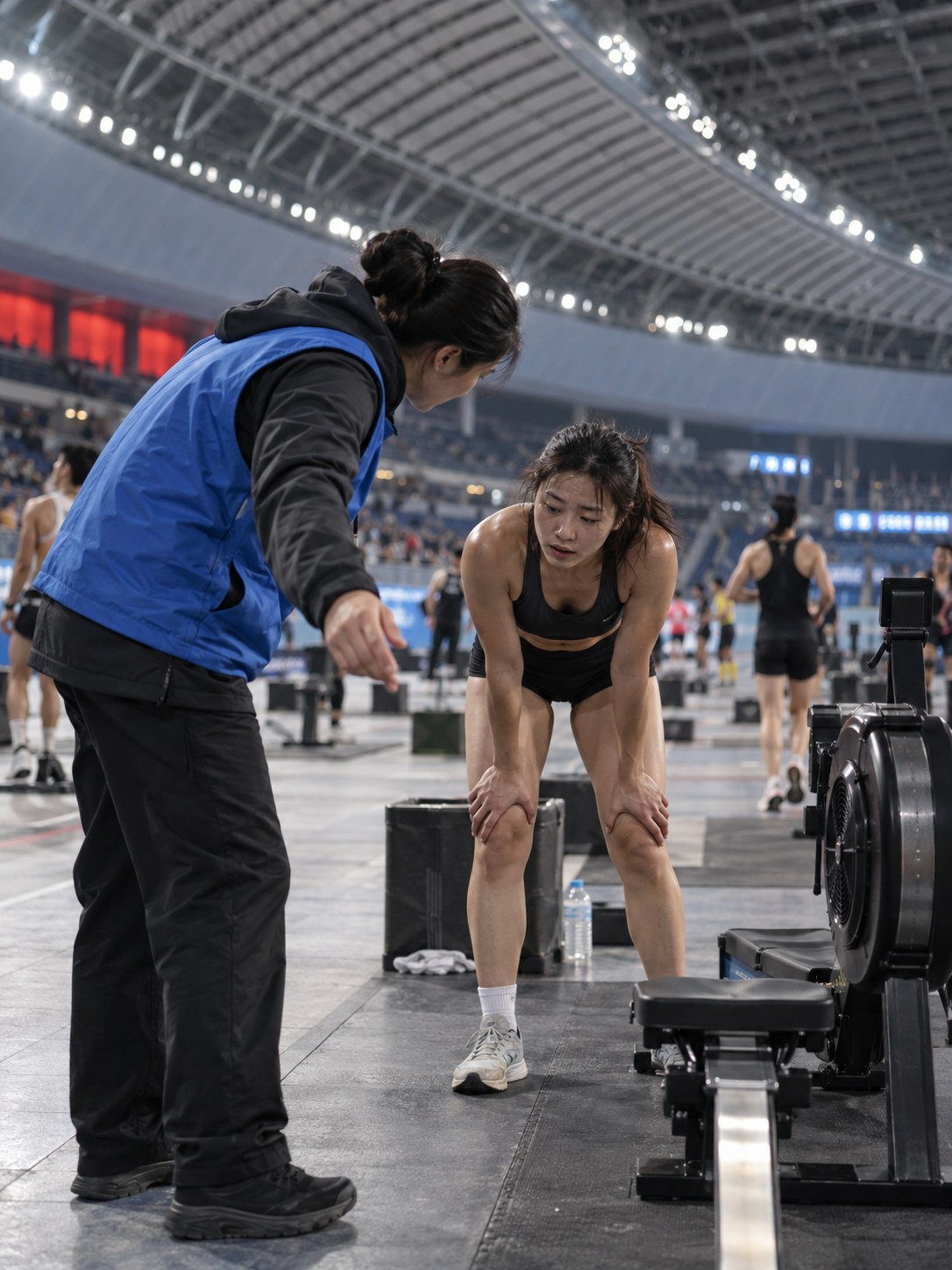








































































































































































































HSK 3–4 Chinese listening episodes
Showing 12 of 245
The method in practice
Hear HSK 4 vocabulary in real Mandarin
Every HSK 4 episode is written inside this word band and read at HSK 4 speed, so words stick because you have heard them in a sentence. Full transcript, pinyin toggle, and line-by-line English on every episode. Five free episodes after a one-tap magic-link sign-in — no password, no payment.