

HSK 6 Vocabulary List: 5,000 Words
HSK 6 assumes 5,000 cumulative words — 2500 of them new at this level. They cover chengyu, formal and classical register, and the layered vocabulary of serious written Chinese.
By Haoshan Hong · Native Mandarin speaker · Updated July 2026
Hear HSK 6 words in a real story
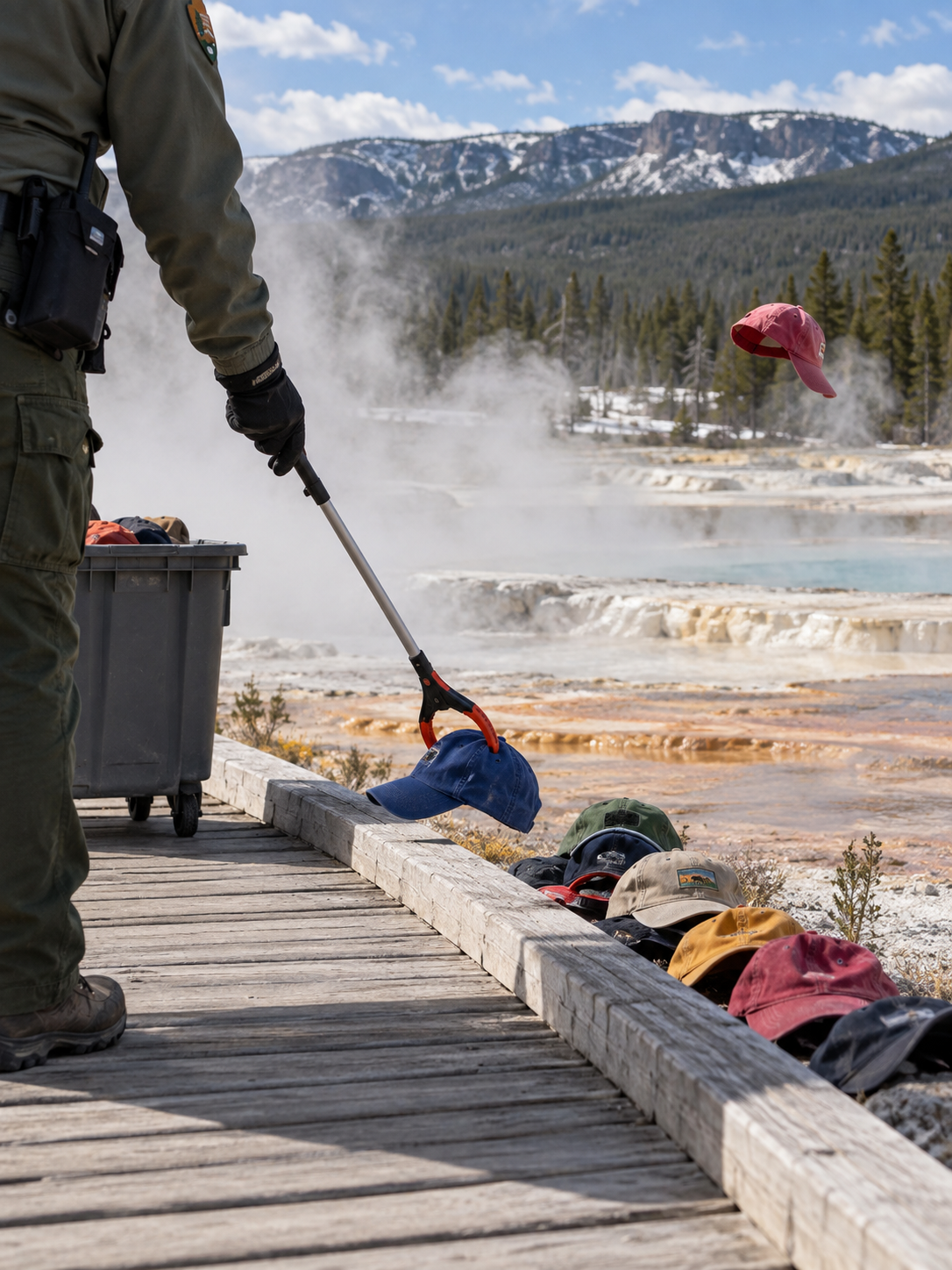
黄石公园热泉区清出280多顶帽子
Yellowstone Finds Over 280 Hats in Hot-Spring Areas
1 min
What is on the HSK 6 word list?
The HSK word lists are published and cumulative, which is what makes the exam a finite target. HSK 6 assumes 5,000 words in total — 2,500 of them introduced at this level.
They cover chengyu, formal and classical register, and the layered vocabulary of serious written Chinese.
HSK 6 word list
All 4,991 entries below, straight from the official Hanban HSK 2.0 list. The 2,500 words new at HSK 6 come first, then earlier levels.
Pinyin and definitions come from CC-CEDICT. Tap any word to see its other senses without leaving the list. Words with a full Fluentide entry — character breakdown, usage notes, example sentences — link out from there.
Showing 401–450 of 4,991 · page 9 of 100
档案dàngànHSK 6file
- file
- record
- archive
档次dàngcìHSK 6grade
- grade
- class
- quality
- level
导弹dǎodànHSK 6(guided) missile
- (guided) missile
- CL:枚
导航dǎohángHSK 6(lit. and fig.) to navigate
- (lit. and fig.) to navigate
导向dǎoxiàngHSK 6to be oriented towards
- to be oriented towards
- orientation
岛屿dǎoyǔHSK 6island
- island
捣乱dǎoluànHSK 6to disturb
- to disturb
- to look for trouble
- to stir up a row
- to bother sb intentionally
倒闭dǎobìHSK 6to go bankrupt
- to go bankrupt
- to close down
盗窃dàoqièHSK 6to steal
- to steal
稻谷dàogǔHSK 6unhusked rice
- unhusked rice
- paddy
得不偿失débùchángshīHSK 6the gains do not make up for the losses (idiom)
- the gains do not make up for the losses (idiom)
得力délìHSK 6able
- able
- capable
- competent
- efficient
得天独厚détiāndúhòuHSK 6blessed by heaven (idiom)
- blessed by heaven (idiom)
- enjoying exceptional advantages
- favored by nature
得罪dézuìHSK 6to commit an offense
- to commit an offense
- to violate the law
- excuse me! (formal)
- see also 得罪
地步dìbùHSK 6stage
- stage
- degree (to which a situation has evolved)
- a (usu. bad) situation
- leeway
地势dìshìHSK 6terrain
- terrain
- topography relief
地质dìzhìHSK 6geology
- geology
灯笼dēnglóngHSK 6lantern
- lantern
登陆dēnglùHSK 6to land
- to land
- to come ashore
- to make landfall (of typhoon etc)
- to log in (frequently used erroneous variant of 登录)
登录dēnglùHSK 6to register
- to register
- to log in
蹬dēngHSK 6to step on
- to step on
- to tread on
- to put on
- to wear (shoes, trousers etc)
- (slang) to dump (sb)
- Taiwan pr.
- used in 蹭蹬
等级děngjíHSK 6grade
- grade
- rank
- status
瞪dèngHSK 6to open (one's eyes) wide
- to open (one's eyes) wide
- to stare at
- to glare at
堤坝dībàHSK 6dam
- dam
- dike
敌视díshìHSK 6hostile
- hostile
- malevolence
- antagonism
- to view as enemy
- to stand against
抵达dǐdáHSK 6to arrive
- to arrive
- to reach (a destination)
抵抗dǐkàngHSK 6to resist
- to resist
- resistance
抵制dǐzhìHSK 6to resist
- to resist
- to boycott
- to refuse (to cooperate)
- to reject
- resistance
- refusal
递增dìzēngHSK 6to increase by degrees
- to increase by degrees
- in increasing order
- incremental
- progressive
颠簸diānbǒHSK 6to be jolted around (car on a bumpy road, boat on a rough sea, aircraft experiencing turbulence)
- to be jolted around (car on a bumpy road, boat on a rough sea, aircraft experiencing turbulence)
- (fig.) to undergo a rough experience
颠倒diāndǎoHSK 6to turn upside down
- to turn upside down
- to reverse
- back to front
- confused
- deranged
- crazy
典礼diǎnlǐHSK 6ceremony
- ceremony
- celebration
典型diǎnxíngHSK 6model
- model
- typical case
- archetype
- typical
- representative
点缀diǎnzhuìHSK 6to decorate
- to decorate
- to adorn
- sprinkled
- studded
- only for show
电源diànyuánHSK 6electric power source
- electric power source
垫diànHSK 6pad
- pad
- cushion
- mat
- to pad out
- to fill a gap
- to pay for sb
- to advance (money)
惦记diànjìHSK 6to think of
- to think of
- to keep thinking about
- to be concerned about
奠定diàndìngHSK 6to establish
- to establish
- to fix
- to settle
叼diāoHSK 6to hold with one's mouth (as a smoker with a cigarette or a dog with a bone)
- to hold with one's mouth (as a smoker with a cigarette or a dog with a bone)
雕刻diāokèHSK 6to carve
- to carve
- to engrave
- carving
雕塑diāosùHSK 6a statue
- a statue
- a Buddhist image
- sculpture
- to carve
吊diàoHSK 6to suspend
- to suspend
- to hang up
- to hang a person
- a string of 100 cash (arch.)
- to lament
- to condole with
- variant of 吊
调动diàodòngHSK 6to transfer
- to transfer
- to maneuver (troops etc)
- movement of personnel
- to mobilize
- to bring into play
调和tiáohéHSK 6harmonious
- harmonious
- to mediate
- to reconcile
- mediation
- to compromise
- to mix
- to blend
- blended
- to season
- seasoning
- to placate
调剂tiáojìHSK 6to adjust
- to adjust
- to redistribute (resources etc)
- (fig.) (of an activity) to provide variety in one's daily life
- to serve as a change of pace
- (of a pharmacist) to fill a prescription
调节tiáojiéHSK 6to adjust
- to adjust
- to regulate
- to harmonize
- to reconcile (accountancy etc)
调解tiáojiěHSK 6to mediate
- to mediate
- to bring parties to an agreement
调料tiáoliàoHSK 6condiment
- condiment
- seasoning
- flavoring
跌diēHSK 6to fall
- to fall
- to tumble
- to trip
- (of prices etc) to drop
- Taiwan pr.
叮嘱dīngzhǔHSK 6to warn repeatedly
- to warn repeatedly
- to urge
- to exhort again and again
How to actually learn HSK 6 vocabulary
A word list is a checklist, not a method. Recognising a word on a page is a different skill from catching it at speed in a sentence — and the HSK listening section only tests the second one.
Read the list once, do not memorise it
You are looking for which words feel unfamiliar, not trying to learn them here.
Listen at your level daily
Fluentide's HSK 6 episodes are written inside this vocabulary band, so the words arrive in sentences instead of flashcards.
Look a word up only after you have heard it
A word you have already met in audio sticks in one reading. A word you meet cold takes many.
Come back to this list monthly
Use it as a progress check, not a study plan. The gaps you find are what to listen for next.
HSK 6 episodes to hear these words in
Every episode below is written inside the HSK 6 word band and read at HSK 6 speed. Press play — no account needed for the first few.
HSK 1 Chinese listening episodes



























































































































































































































HSK 2 Chinese listening episodes

HSK 3–4 Chinese listening episodes
Showing 12 of 245
HSK 5–6 Chinese listening episodes
Showing 12 of 246
The method in practice
Hear HSK 6 vocabulary in real Mandarin
Every HSK 6 episode is written inside this word band and read at HSK 6 speed, so words stick because you have heard them in a sentence. Full transcript, pinyin toggle, and line-by-line English on every episode. Five free episodes after a one-tap magic-link sign-in — no password, no payment.