

HSK 6 Vocabulary List: 5,000 Words
HSK 6 assumes 5,000 cumulative words — 2500 of them new at this level. They cover chengyu, formal and classical register, and the layered vocabulary of serious written Chinese.
By Haoshan Hong · Native Mandarin speaker · Updated July 2026
Hear HSK 6 words in a real story

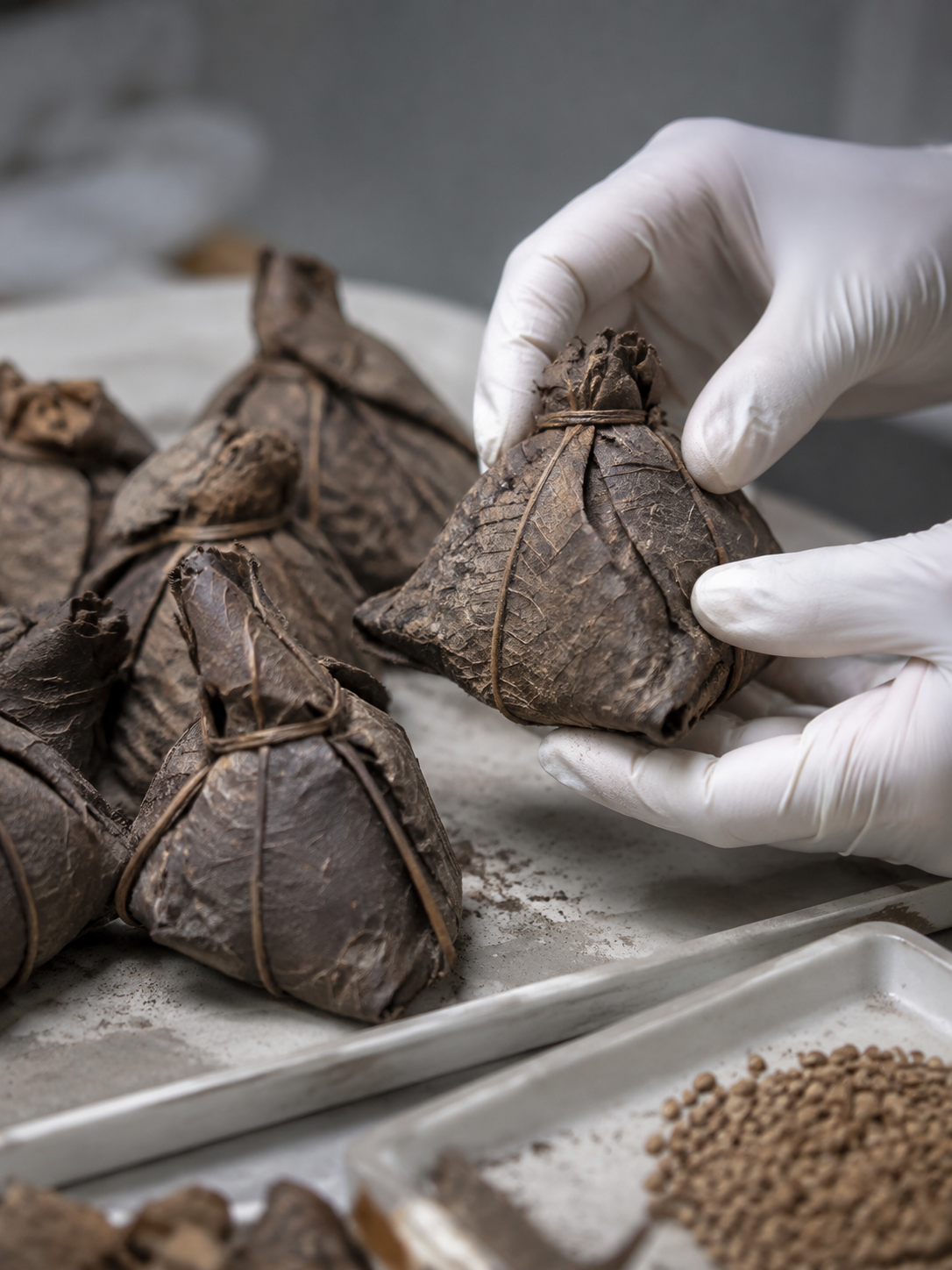
黄石公园热泉区清出280多顶帽子
Yellowstone Finds Over 280 Hats in Hot-Spring Areas
1 min
What is on the HSK 6 word list?
The HSK word lists are published and cumulative, which is what makes the exam a finite target. HSK 6 assumes 5,000 words in total — 2,500 of them introduced at this level.
They cover chengyu, formal and classical register, and the layered vocabulary of serious written Chinese.
HSK 6 word list
All 4,991 entries below, straight from the official Hanban HSK 2.0 list. The 2,500 words new at HSK 6 come first, then earlier levels.
Pinyin and definitions come from CC-CEDICT. Tap any word to see its other senses without leaving the list. Words with a full Fluentide entry — character breakdown, usage notes, example sentences — link out from there.
Showing 101–150 of 4,991 · page 3 of 100
比方bǐfangHSK 6analogy
- analogy
- illustrative example
- for instance
比喻bǐyùHSK 6to compare
- to compare
- to liken to
- metaphor
- analogy
- figure of speech
- figuratively
比重bǐzhòngHSK 6proportion
- proportion
- (physics) specific gravity
必定bìdìngHSK 6to be bound to
- to be bound to
- to be sure to
闭塞bìsèHSK 6to stop up
- to stop up
- to close up
- hard to get to
- out of the way
- inaccessible
- unenlightened
- blocking
弊病bìbìngHSK 6malady
- malady
- evil
- malpractice
- drawback
- disadvantage
弊端bìduānHSK 6systemic problem (sometimes refers specifically to corrupt practices)
- systemic problem (sometimes refers specifically to corrupt practices)
碧玉bìyùHSK 6jasper
- jasper
臂bìHSK 6arm
- arm
边疆biānjiāngHSK 6border area
- border area
- borderland
- frontier
- frontier region
边界biānjièHSK 6boundary
- boundary
- border
边境biānjìngHSK 6frontier
- frontier
- border
边缘biānyuánHSK 6edge
- edge
- fringe
- verge
- brink
- periphery
- marginal
- borderline
编织biānzhīHSK 6to weave
- to weave
- to knit
- to plait
- to braid
- (fig.) to create (sth abstract, e.g. a dream, a lie etc)
鞭策biāncèHSK 6to spur on
- to spur on
- to urge on
- to encourage sb (e.g. to make progress)
贬低biǎndīHSK 6to belittle
- to belittle
- to disparage
- to play down
- to demean
- to degrade
- to devalue
贬义biǎnyìHSK 6derogatory sense
- derogatory sense
- negative connotation
扁biǎnHSK 6flat
- flat
- (coll.) to beat (sb) up
- (bound form) small
- surname Pian
- old variant of 匾
变故biàngùHSK 6an unforeseen event
- an unforeseen event
- accident
- misfortune
变迁biànqiānHSK 6changes
- changes
- vicissitudes
变质biànzhìHSK 6to degenerate
- to degenerate
- to deteriorate
- (of food) to go bad
- to go off
- (geology) metamorphism
便利biànlìHSK 6convenient
- convenient
- easy
- to facilitate
便条biàntiáoHSK 6(informal) note
- (informal) note
- CL:张,个
便于biànyúHSK 6easy to
- easy to
- convenient for
遍布biànbùHSK 6to cover the whole (area)
- to cover the whole (area)
- to be found throughout
辨认biànrènHSK 6to recognize
- to recognize
- to identify
辩护biànhùHSK 6to speak in defense of
- to speak in defense of
- to argue in favor of
- to defend
- to plead
辩解biànjiěHSK 6to explain
- to explain
- to justify
- to defend (a point of view etc)
- to provide an explanation
- to try to defend oneself
辩证biànzhèngHSK 6to investigate
- to investigate
- dialectical
辫子biànziHSK 6plait
- plait
- braid
- pigtail
- a mistake or shortcoming that may be exploited by an opponent
- handle
- CL:根,条
标本biāoběnHSK 6specimen
- specimen
- sample
- the root cause and symptoms of a disease
标记biāojìHSK 6sign
- sign
- mark
- symbol
- to mark up
- (computing) token
标题biāotíHSK 6title
- title
- heading
- headline
- caption
- subject
飙升biāoshēngHSK 6to rise rapidly
- to rise rapidly
- to soar
表决biǎojuéHSK 6to decide by vote
- to decide by vote
- to vote
表态biǎotàiHSK 6to declare one's position
- to declare one's position
- to say where one stands
表彰biǎozhāngHSK 6to honor
- to honor
- to commend
- to cite (in dispatches)
憋biēHSK 6to choke
- to choke
- to stifle
- to restrain
- to hold back
- to hold in (urine)
- to hold (one's breath)
别扭bièniuHSK 6awkward
- awkward
- difficult
- uncomfortable
- not agreeing
- at loggerheads
- gauche
别墅biéshùHSK 6villa
- villa
- CL:幢,座
别致biézhìHSK 6unusual
- unusual
- unique
濒临bīnlínHSK 6on the edge of
- on the edge of
- (fig.) on the verge of
- close to
冰雹bīngbáoHSK 6hail
- hail
- hailstone
- CL:场,粒
并存bìngcúnHSK 6to exist at the same time
- to exist at the same time
- to coexist
并非bìngfēiHSK 6really isn't
- really isn't
并列bìnglièHSK 6to stand side by side
- to stand side by side
- to be juxtaposed
拨打bōdǎHSK 6to call
- to call
- to dial
波浪bōlàngHSK 6wave
- wave
波涛汹涌bōtāoxiōngyǒngHSK 6waves surging forth
- waves surging forth
- roaring sea
剥削bōxuēHSK 6to exploit
- to exploit
- exploitation
How to actually learn HSK 6 vocabulary
A word list is a checklist, not a method. Recognising a word on a page is a different skill from catching it at speed in a sentence — and the HSK listening section only tests the second one.
Read the list once, do not memorise it
You are looking for which words feel unfamiliar, not trying to learn them here.
Listen at your level daily
Fluentide's HSK 6 episodes are written inside this vocabulary band, so the words arrive in sentences instead of flashcards.
Look a word up only after you have heard it
A word you have already met in audio sticks in one reading. A word you meet cold takes many.
Come back to this list monthly
Use it as a progress check, not a study plan. The gaps you find are what to listen for next.
HSK 6 episodes to hear these words in
Every episode below is written inside the HSK 6 word band and read at HSK 6 speed. Press play — no account needed for the first few.
HSK 1 Chinese listening episodes










































































































































































































































HSK 2 Chinese listening episodes

HSK 3–4 Chinese listening episodes
Showing 12 of 245
HSK 5–6 Chinese listening episodes
Showing 12 of 246
The method in practice
Hear HSK 6 vocabulary in real Mandarin
Every HSK 6 episode is written inside this word band and read at HSK 6 speed, so words stick because you have heard them in a sentence. Full transcript, pinyin toggle, and line-by-line English on every episode. Five free episodes after a one-tap magic-link sign-in — no password, no payment.