

HSK 6 Vocabulary List: 5,000 Words
HSK 6 assumes 5,000 cumulative words — 2500 of them new at this level. They cover chengyu, formal and classical register, and the layered vocabulary of serious written Chinese.
By Haoshan Hong · Native Mandarin speaker · Updated July 2026
Hear HSK 6 words in a real story

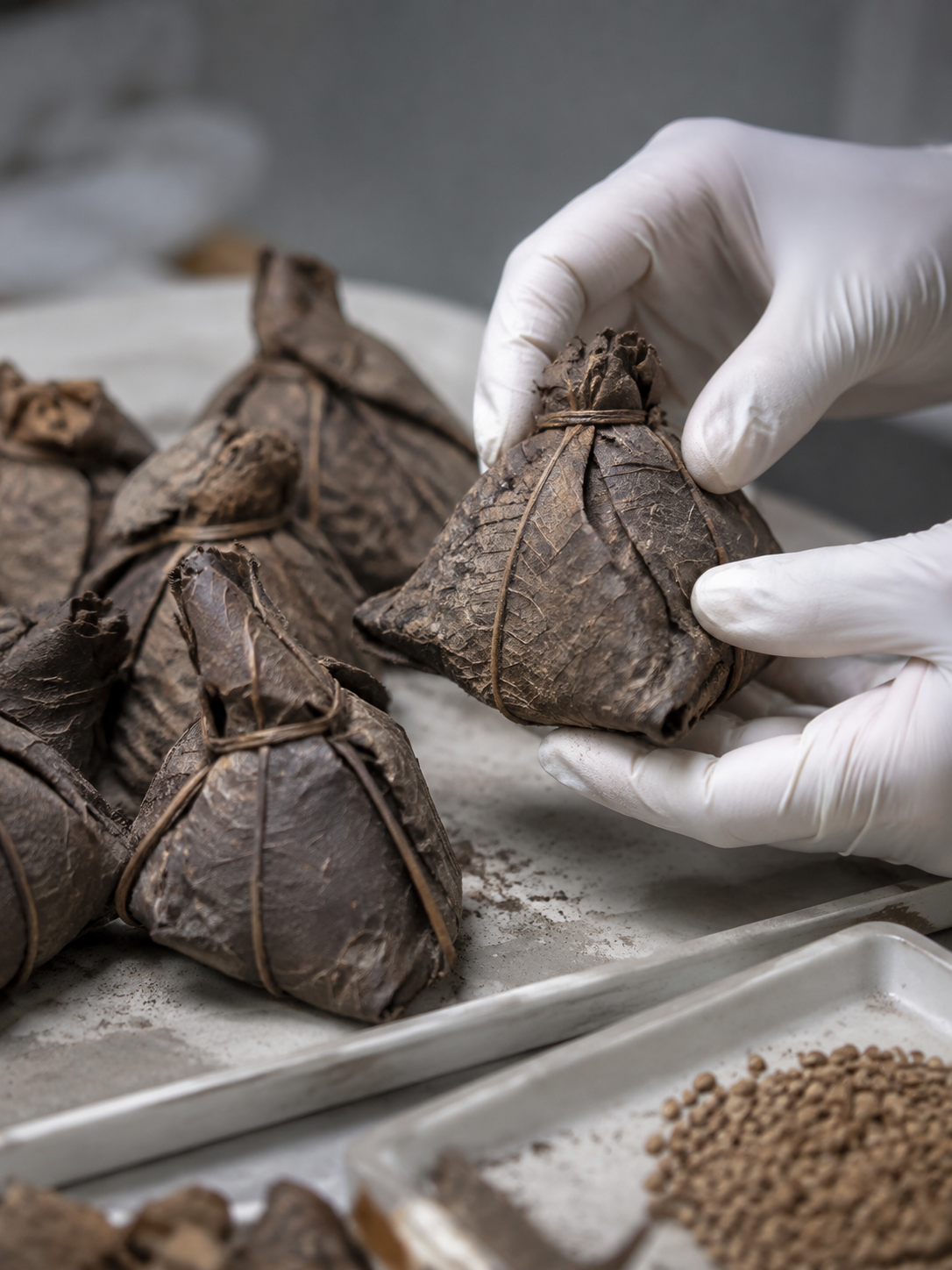
黄石公园热泉区清出280多顶帽子
Yellowstone Finds Over 280 Hats in Hot-Spring Areas
1 min
What is on the HSK 6 word list?
The HSK word lists are published and cumulative, which is what makes the exam a finite target. HSK 6 assumes 5,000 words in total — 2,500 of them introduced at this level.
They cover chengyu, formal and classical register, and the layered vocabulary of serious written Chinese.
HSK 6 word list
All 4,991 entries below, straight from the official Hanban HSK 2.0 list. The 2,500 words new at HSK 6 come first, then earlier levels.
Pinyin and definitions come from CC-CEDICT. Tap any word to see its other senses without leaving the list. Words with a full Fluentide entry — character breakdown, usage notes, example sentences — link out from there.
Showing 151–200 of 4,991 · page 4 of 100
播放bōfàngHSK 6to broadcast
- to broadcast
- to transmit (by radio or TV)
播种bōzhǒngHSK 6to sow seeds
- to sow seeds
伯母bómǔHSK 6wife of father's elder brother
- wife of father's elder brother
- aunt
- (polite form of address for a woman who is about the age of one's mother)
- CL:个
博大精深bódàjīngshēnHSK 6(idiom) wide-ranging and profound
- (idiom) wide-ranging and profound
博览会bólǎnhuìHSK 6an exposition
- an exposition
- an international fair
搏斗bódòuHSK 6to wrestle
- to wrestle
- to fight
- to struggle
补偿bǔchángHSK 6to compensate
- to compensate
- to make up
补救bǔjiùHSK 6to remedy
- to remedy
补贴bǔtiēHSK 6to subsidize
- to subsidize
- subsidy
- allowance
- to supplement (one's salary etc)
- benefit
哺乳bǔrǔHSK 6breastfeeding
- breastfeeding
- to suckle
- to nurse
捕捉bǔzhuōHSK 6to catch
- to catch
- to seize
- to capture
不得已bùdéyǐHSK 6to act against one's will
- to act against one's will
- to have no alternative but to
- to have to
- to have no choice
- must
不妨bùfángHSK 6there is no harm in
- there is no harm in
- might as well
不敢当bùgǎndāngHSK 6lit. I dare not (accept the honor)
- lit. I dare not (accept the honor)
- fig. I don't deserve your praise
- you flatter me
不顾bùgùHSK 6in spite of
- in spite of
- regardless of
不禁bùjīnHSK 6can't help (doing sth)
- can't help (doing sth)
- can't refrain from
不堪bùkānHSK 6cannot bear
- cannot bear
- cannot stand
- utterly
- extremely
不可思议bùkěsīyìHSK 6(idiom) inconceivable
- (idiom) inconceivable
- unimaginable
- unfathomable
不愧bùkuìHSK 6to be worthy of
- to be worthy of
- to deserve to be called
- to prove oneself to be
不料bùliàoHSK 6unexpectedly
- unexpectedly
- to one's surprise
不时bùshíHSK 6from time to time
- from time to time
- now and then
- occasionally
- frequently
不惜bùxīHSK 6not stint
- not stint
- not spare
- not hesitate (to do sth)
- not scruple (to do sth)
不相上下bùxiāngshàngxiàHSK 6equally matched
- equally matched
- about the same
不像话bùxiànghuàHSK 6unreasonable
- unreasonable
- shocking
- outrageous
不屑一顾bùxièyīgùHSK 6to disdain as beneath contempt (idiom)
- to disdain as beneath contempt (idiom)
不言而喻bùyánéryùHSK 6(idiom) it goes without saying
- (idiom) it goes without saying
- it is self-evident
不由得bùyóudeHSK 6can't help
- can't help
- cannot but
不择手段bùzéshǒuduànHSK 6by fair means or foul
- by fair means or foul
- by hook or by crook
- unscrupulously
不止bùzhǐHSK 6incessantly
- incessantly
- without end
- more than
- not limited to
布告bùgàoHSK 6posting on a bulletin board
- posting on a bulletin board
- notice
- bulletin
- to announce
布局bùjúHSK 6arrangement
- arrangement
- composition
- layout
- opening (chess jargon)
布置bùzhìHSK 6to arrange
- to arrange
- to set up
- to lay out
- to assign (tasks, homework etc)
步伐bùfáHSK 6pace
- pace
- (measured) step
- march
部署bùshǔHSK 6to dispose
- to dispose
- to deploy
- deployment
部位bùwèiHSK 6part (esp. of the body, but also of a vegetable, e.g. the root, or a garment, e.g. the sleeve, etc)
- part (esp. of the body, but also of a vegetable, e.g. the root, or a garment, e.g. the sleeve, etc)
才干cáigànHSK 6ability
- ability
- competence
财富cáifùHSK 6wealth
- wealth
- riches
财务cáiwùHSK 6financial affairs
- financial affairs
- finance
财政cáizhèngHSK 6public finance
- public finance
- government finance
裁缝cáifengHSK 6tailor
- tailor
- dressmaker
裁判cáipànHSK 6(law) to judge
- (law) to judge
- to adjudicate
- verdict
- judgement
- (sports) to referee
- (sports) umpire
- referee
- judge
裁员cáiyuánHSK 6to cut staff
- to cut staff
- to lay off employees
采购cǎigòuHSK 6to procure (for an enterprise etc)
- to procure (for an enterprise etc)
- to purchase
采集cǎijíHSK 6to gather
- to gather
- to collect
- to harvest
采纳cǎinàHSK 6to accept
- to accept
- to adopt
彩票cǎipiàoHSK 6lottery ticket
- lottery ticket
参谋cānmóuHSK 6staff officer
- staff officer
- to give advice
参照cānzhàoHSK 6to consult a reference
- to consult a reference
- to refer to (another document)
残酷cánkùHSK 6cruel
- cruel
- harsh
- merciless
残留cánliúHSK 6to remain
- to remain
- to be left over
- residual
- remnant
- residue
How to actually learn HSK 6 vocabulary
A word list is a checklist, not a method. Recognising a word on a page is a different skill from catching it at speed in a sentence — and the HSK listening section only tests the second one.
Read the list once, do not memorise it
You are looking for which words feel unfamiliar, not trying to learn them here.
Listen at your level daily
Fluentide's HSK 6 episodes are written inside this vocabulary band, so the words arrive in sentences instead of flashcards.
Look a word up only after you have heard it
A word you have already met in audio sticks in one reading. A word you meet cold takes many.
Come back to this list monthly
Use it as a progress check, not a study plan. The gaps you find are what to listen for next.
HSK 6 episodes to hear these words in
Every episode below is written inside the HSK 6 word band and read at HSK 6 speed. Press play — no account needed for the first few.
HSK 1 Chinese listening episodes











































































































































































































































HSK 2 Chinese listening episodes

HSK 3–4 Chinese listening episodes
Showing 12 of 245
HSK 5–6 Chinese listening episodes
Showing 12 of 246
The method in practice
Hear HSK 6 vocabulary in real Mandarin
Every HSK 6 episode is written inside this word band and read at HSK 6 speed, so words stick because you have heard them in a sentence. Full transcript, pinyin toggle, and line-by-line English on every episode. Five free episodes after a one-tap magic-link sign-in — no password, no payment.