

HSK 6 Vocabulary List: 5,000 Words
HSK 6 assumes 5,000 cumulative words — 2500 of them new at this level. They cover chengyu, formal and classical register, and the layered vocabulary of serious written Chinese.
By Haoshan Hong · Native Mandarin speaker · Updated July 2026
Hear HSK 6 words in a real story

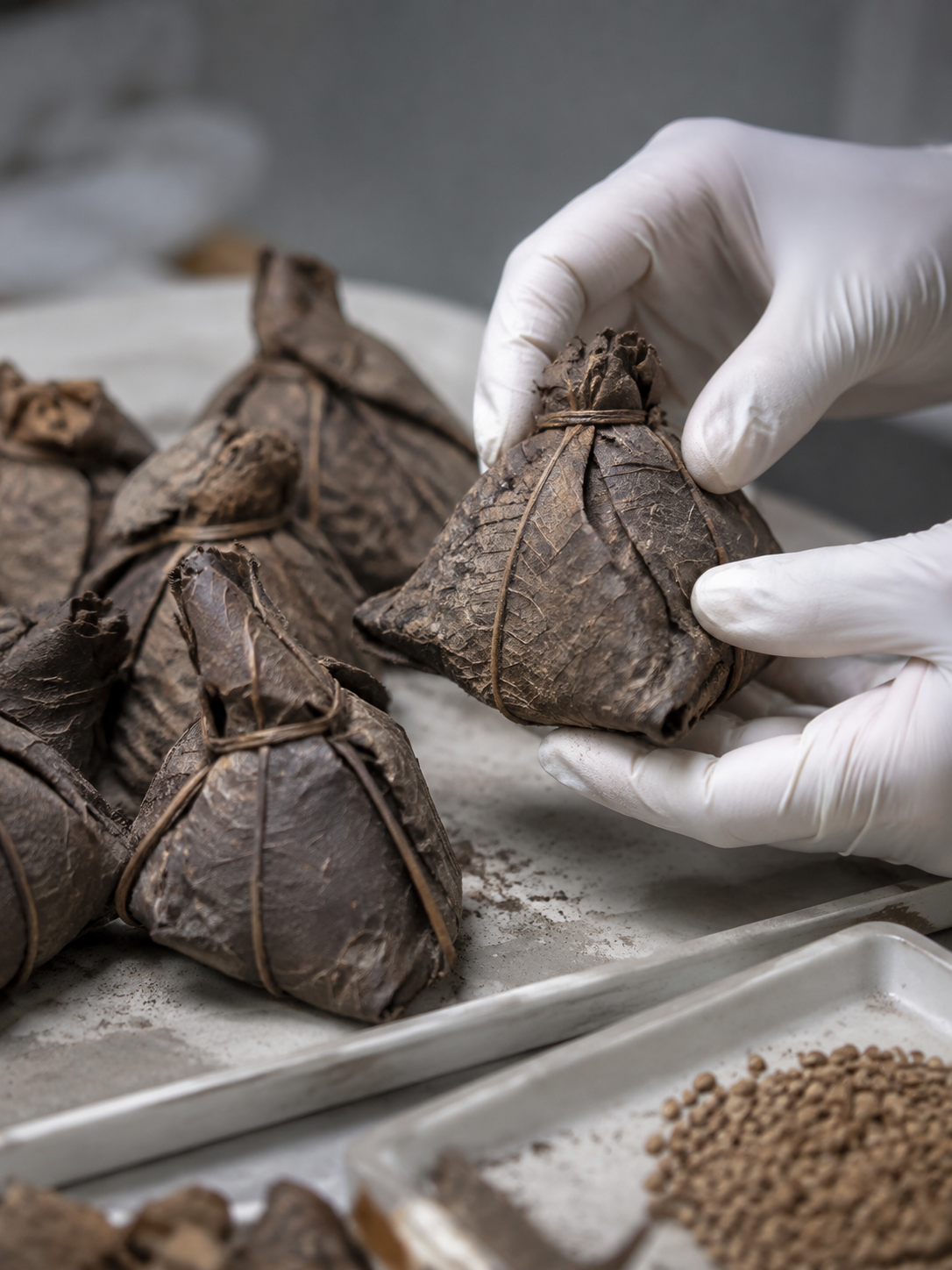
黄石公园热泉区清出280多顶帽子
Yellowstone Finds Over 280 Hats in Hot-Spring Areas
1 min
What is on the HSK 6 word list?
The HSK word lists are published and cumulative, which is what makes the exam a finite target. HSK 6 assumes 5,000 words in total — 2,500 of them introduced at this level.
They cover chengyu, formal and classical register, and the layered vocabulary of serious written Chinese.
HSK 6 word list
All 4,991 entries below, straight from the official Hanban HSK 2.0 list. The 2,500 words new at HSK 6 come first, then earlier levels.
Pinyin and definitions come from CC-CEDICT. Tap any word to see its other senses without leaving the list. Words with a full Fluentide entry — character breakdown, usage notes, example sentences — link out from there.
Showing 4301–4350 of 4,991 · page 87 of 100
艺术yìshùHSK 4art
意见yìjiànHSK 4idea
- idea
- opinion
- suggestion
- objection
- complaint
- CL:点,条
因此yīncǐHSK 4thus
- thus
- consequently
- as a result
引起yǐnqǐHSK 4to give rise to
- to give rise to
- to lead to
- to cause
- to arouse
饮料yǐnliàoHSK 4drink
- drink
- beverage
印象yìnxiàngHSK 4impression (sth that stays in one's mind)
- impression (sth that stays in one's mind)
- a memory
赢yíngHSK 4to beat
- to beat
- to win
- to profit
硬yìngHSK 4hard
- hard
- stiff
- solid
- (fig.) strong
- firm
- resolutely
- uncompromisingly
- laboriously
- with great difficulty
- good (quality)
- able (person)
- (of food) filling
- substantial
永远yǒngyuǎnHSK 4forever
- forever
- eternal
勇敢yǒnggǎnHSK 4brave
- brave
- courageous
优点yōudiǎnHSK 4merit
- merit
- benefit
- strong point
- advantage
- CL:个,项
优秀yōuxiùHSK 4outstanding
- outstanding
- excellent
幽默yōumòHSK 4(loanword) humor
- (loanword) humor
- humorous
尤其yóuqíHSK 4especially
- especially
- particularly
由yóuHSK 4to follow
- to follow
- from
- because of
- due to
- by
- via
- through
- (before a noun and a verb) it is for ... to ...
由于yóuyúHSK 4due to
- due to
- as a result of
- thanks to
- owing to
- since
- because
友好yǒuhǎoHSK 4friendly
- friendly
- amicable
- close friend
友谊yǒuyìHSK 4companionship
- companionship
- fellowship
- friendship
有趣yǒuqùHSK 4interesting
- interesting
- fascinating
- amusing
于是yúshìHSK 4thereupon
- thereupon
- as a result
- consequently
- thus
- hence
愉快yúkuàiHSK 4cheerful
- cheerful
- happy
- pleasant
- delighted
与yǔHSK 4(formal) and
- (formal) and
- together with (linking parallel nouns, verbs, or phrases)
- (formal) with
- from (marking the other participant in an interaction, comparison, or contrast, e.g. 与他握手 "shake hands with him", 与去年不同 "different from last year")
- (literary) to give
- to grant
- to bestow
- to take part in
- variant of 欤
羽毛球yǔmáoqiúHSK 4badminton
- badminton
- shuttlecock
语法yǔfǎHSK 4grammar
- grammar
- (computing) syntax
语言yǔyánHSK 4language
- language
- CL:门,种
预习yùxíHSK 4to prepare a lesson
- to prepare a lesson
原来yuánláiHSK 4original
- original
- former
- originally
- formerly
- at first
- so, actually, as it turns out
原谅yuánliàngHSK 4to excuse
- to excuse
- to forgive
- to pardon
原因yuányīnHSK 4cause
- cause
- origin
- root cause
- reason
- CL:个
圆yuánHSK 4circle
- circle
- round
- circular
- spherical
- (of the moon) full
- unit of Chinese currency (yuan)
- tactful
- to make consistent and whole (the narrative of a dream or a lie)
约会yuēhuìHSK 4appointment
- appointment
- engagement
- date
- CL:次,个
- to arrange to meet
阅读yuèdúHSK 4to read
- to read
- reading
允许yǔnxǔHSK 4to permit
- to permit
- to allow
杂志zázhìHSK 4magazine
- magazine
- CL:本,份,期
咱们zánmenHSK 4we or us (including both the speaker and the person(s) spoken to)
- we or us (including both the speaker and the person(s) spoken to)
- (dialect) I or me
- (dialect) (in a coaxing or familiar way) you
- also pr.
暂时zànshíHSK 4temporary
- temporary
- provisional
- for the time being
脏zāngHSK 4dirty
- dirty
- filthy
- to get (sth) dirty
- viscera
- (anatomy) organ
责任zérènHSK 4responsibility
- responsibility
- duty
- liability
增加zēngjiāHSK 4to raise
- to raise
- to increase
增长zēngzhǎngHSK 4to grow
- to grow
- to increase
窄zhǎiHSK 4narrow
- narrow
- narrow-minded
- badly off
长城chángchéngHSK 4the Great Wall
- the Great Wall
长江chángjiāngHSK 4Yangtze River, or Chang Jiang
- Yangtze River, or Chang Jiang
招聘zhāopìnHSK 4to invite applications for a job
- to invite applications for a job
- to recruit
真正zhēnzhèngHSK 4genuine
- genuine
- real
- true
- really
- indeed
整理zhěnglǐHSK 4to arrange
- to arrange
- to tidy up
- to sort out
- to straighten out
- to list systematically
- to collate (data, files)
- to pack (luggage)
整齐zhěngqíHSK 4orderly
- orderly
- neat
- even
- tidy
正常zhèngchángHSK 4normal
- normal
- regular
正好zhènghǎoHSK 4just (in time)
- just (in time)
- just right
- just enough
- to happen to
- to chance to
- by chance
- it just so happens that
正确zhèngquèHSK 4correct
- correct
- sound
- right
- proper
How to actually learn HSK 6 vocabulary
A word list is a checklist, not a method. Recognising a word on a page is a different skill from catching it at speed in a sentence — and the HSK listening section only tests the second one.
Read the list once, do not memorise it
You are looking for which words feel unfamiliar, not trying to learn them here.
Listen at your level daily
Fluentide's HSK 6 episodes are written inside this vocabulary band, so the words arrive in sentences instead of flashcards.
Look a word up only after you have heard it
A word you have already met in audio sticks in one reading. A word you meet cold takes many.
Come back to this list monthly
Use it as a progress check, not a study plan. The gaps you find are what to listen for next.
HSK 6 episodes to hear these words in
Every episode below is written inside the HSK 6 word band and read at HSK 6 speed. Press play — no account needed for the first few.
HSK 1 Chinese listening episodes











































































































































































































































HSK 2 Chinese listening episodes

HSK 3–4 Chinese listening episodes
Showing 12 of 245
HSK 5–6 Chinese listening episodes
Showing 12 of 246
The method in practice
Hear HSK 6 vocabulary in real Mandarin
Every HSK 6 episode is written inside this word band and read at HSK 6 speed, so words stick because you have heard them in a sentence. Full transcript, pinyin toggle, and line-by-line English on every episode. Five free episodes after a one-tap magic-link sign-in — no password, no payment.