

HSK 6 Vocabulary List: 5,000 Words
HSK 6 assumes 5,000 cumulative words — 2500 of them new at this level. They cover chengyu, formal and classical register, and the layered vocabulary of serious written Chinese.
By Haoshan Hong · Native Mandarin speaker · Updated July 2026
Hear HSK 6 words in a real story

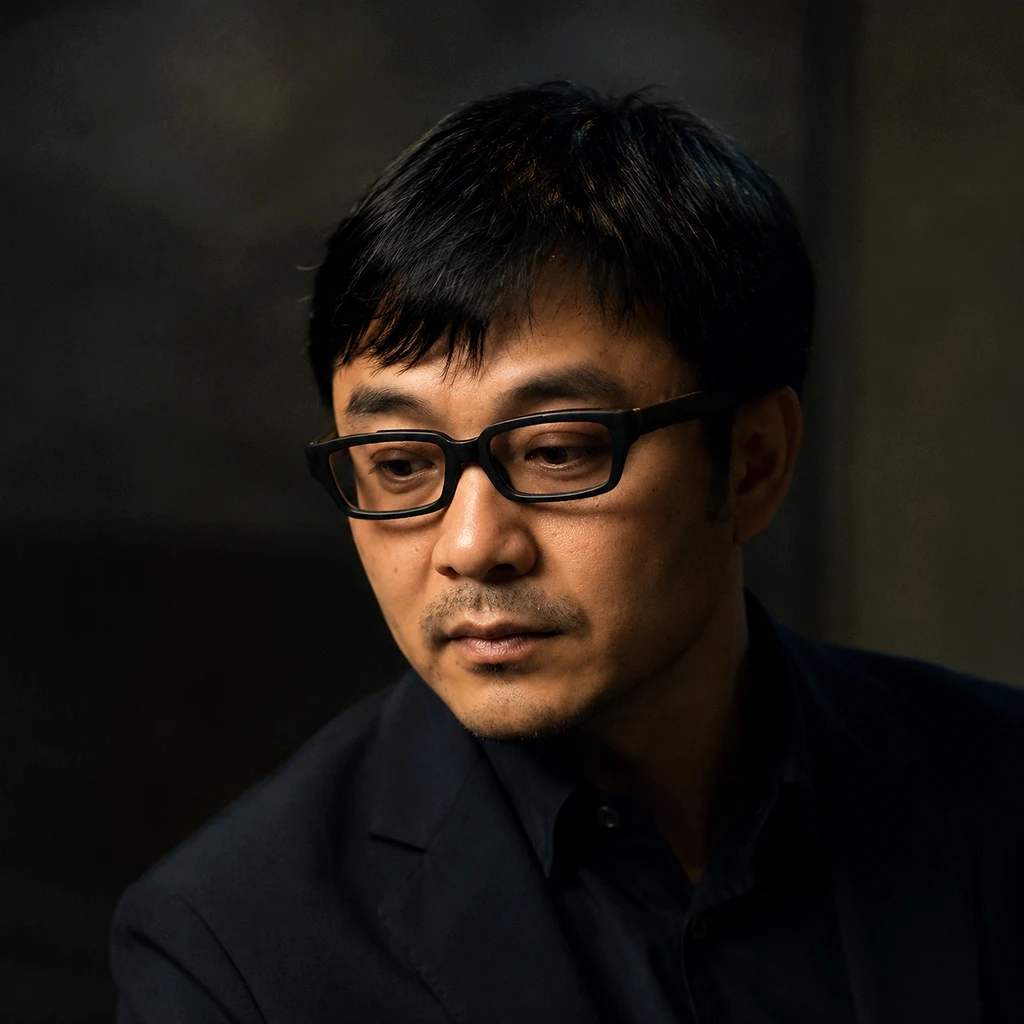
唱北京奥运会主题歌《我和你》的歌手刘欢去世,享年63岁
Liu Huan, Who Sang the 2008 Beijing Olympics Theme 'You and Me,' Dies at 63
3 min
What is on the HSK 6 word list?
The HSK word lists are published and cumulative, which is what makes the exam a finite target. HSK 6 assumes 5,000 words in total — 2,500 of them introduced at this level.
They cover chengyu, formal and classical register, and the layered vocabulary of serious written Chinese.
HSK 6 word list
All 4,991 entries below, straight from the official Hanban HSK 2.0 list. The 2,500 words new at HSK 6 come first, then earlier levels.
Pinyin and definitions come from CC-CEDICT. Tap any word to see its other senses without leaving the list. Words with a full Fluentide entry — character breakdown, usage notes, example sentences — link out from there.
Showing 901–950 of 4,991 · page 19 of 100
加工jiāgōngHSK 6to process
- to process
- processing
- working (of machinery)
加剧jiājùHSK 6to intensify
- to intensify
夹杂jiāzáHSK 6to mix together (disparate substances)
- to mix together (disparate substances)
- to mingle
- a mix
- to be tangled up with
佳肴jiāyáoHSK 6fine food
- fine food
- delicacies
- delicious food
家常jiāchángHSK 6the daily life of a family
- the daily life of a family
家伙jiāhuoHSK 6household dish, implement or furniture
- household dish, implement or furniture
- domestic animal
- (coll.) guy
- chap
- weapon
家属jiāshǔHSK 6family member
- family member
- (family) dependent
家喻户晓jiāyùhùxiǎoHSK 6understood by everyone (idiom)
- understood by everyone (idiom)
- well known
- a household name
假设jiǎshèHSK 6to suppose
- to suppose
- to presume
- to assume
- supposing that ...
- if
- hypothesis
- conjecture
假使jiǎshǐHSK 6if
- if
- in case
- suppose
- given ...
尖端jiānduānHSK 6sharp pointed end
- sharp pointed end
- the tip
- the cusp
- tip-top
- most advanced and sophisticated
- highest peak
- the best
坚定jiāndìngHSK 6firm
- firm
- steady
- staunch
- resolute
坚固jiāngùHSK 6firm
- firm
- firmly
- hard
- stable
坚韧jiānrènHSK 6tough and durable
- tough and durable
- tenacious
坚实jiānshíHSK 6firm and substantial
- firm and substantial
- solid
坚硬jiānyìngHSK 6hard
- hard
- solid
间谍jiàndiéHSK 6spy
- spy
间隔jiàngéHSK 6gap
- gap
- interval
- compartment
- to divide
- to separate
- to leave a gap of (two weeks, three meters etc)
间接jiànjiēHSK 6indirect
- indirect
艰难jiānnánHSK 6difficult
- difficult
- arduous
- hard
兼职jiānzhíHSK 6to hold concurrent posts
- to hold concurrent posts
- concurrent job
- moonlighting
监督jiāndūHSK 6to supervise
- to supervise
- to oversee
- to inspect
监视jiānshìHSK 6to monitor
- to monitor
- to keep a close watch over
- surveillance
监狱jiānyùHSK 6prison
- prison
拣jiǎnHSK 6to choose
- to choose
- to pick
- to sort out
- to pick up
剪彩jiǎncǎiHSK 6to cut the ribbon (at a launching or opening ceremony)
- to cut the ribbon (at a launching or opening ceremony)
检讨jiǎntǎoHSK 6to examine or inspect
- to examine or inspect
- self-criticism
- review
检验jiǎnyànHSK 6to inspect
- to inspect
- to examine
- to test
简化jiǎnhuàHSK 6to simplify
- to simplify
简陋jiǎnlòuHSK 6simple and crude
- simple and crude
简体字jiǎntǐzìHSK 6simplified Chinese character, as opposed to traditional Chinese character 繁体字
- simplified Chinese character, as opposed to traditional Chinese character 繁体字
简要jiǎnyàoHSK 6concise
- concise
- brief
见多识广jiànduōshíguǎngHSK 6(idiom) experienced and knowledgeable
- (idiom) experienced and knowledgeable
见解jiànjiěHSK 6opinion
- opinion
- view
- understanding
见闻jiànwénHSK 6what one has seen and heard
- what one has seen and heard
- knowledge
- one's experience
见义勇为jiànyìyǒngwéiHSK 6(idiom, from the Analects) (usu. of a passer-by who comes across a critical situation) to step in and help
- (idiom, from the Analects) (usu. of a passer-by who comes across a critical situation) to step in and help
- to take brave or selfless action
健全jiànquánHSK 6robust
- robust
- sound
舰艇jiàntǐngHSK 6warship
- warship
- naval vessel
溅jiànHSK 6to splash
- to splash
践踏jiàntàHSK 6to trample
- to trample
鉴别jiànbiéHSK 6to differentiate
- to differentiate
- to distinguish
鉴定jiàndìngHSK 6to examine sth to determine its authenticity, quality, value etc
- to examine sth to determine its authenticity, quality, value etc
- to appraise
- to evaluate
- to authenticate
鉴于jiànyúHSK 6in view of
- in view of
- seeing that
- considering
- whereas
将近jiāngjìnHSK 6almost
- almost
- nearly
- close to
将军jiāngjūnHSK 6general
- general
- high-ranking military officer
- to check or checkmate
- fig. to embarrass
- to challenge
- to put sb on the spot
僵硬jiāngyìngHSK 6stiff
- stiff
- rigid
奖励jiǎnglìHSK 6to reward
- to reward
- reward (as encouragement)
奖赏jiǎngshǎngHSK 6reward
- reward
- prize
- award
桨jiǎngHSK 6oar
- oar
- paddle
- CL:只
降临jiànglínHSK 6to descend
- to descend
- to arrive
- to come
How to actually learn HSK 6 vocabulary
A word list is a checklist, not a method. Recognising a word on a page is a different skill from catching it at speed in a sentence — and the HSK listening section only tests the second one.
Read the list once, do not memorise it
You are looking for which words feel unfamiliar, not trying to learn them here.
Listen at your level daily
Fluentide's HSK 6 episodes are written inside this vocabulary band, so the words arrive in sentences instead of flashcards.
Look a word up only after you have heard it
A word you have already met in audio sticks in one reading. A word you meet cold takes many.
Come back to this list monthly
Use it as a progress check, not a study plan. The gaps you find are what to listen for next.
HSK 6 episodes to hear these words in
Every episode below is written inside the HSK 6 word band and read at HSK 6 speed. Press play — no account needed for the first few.
HSK 1 Chinese listening episodes
















































































































































































































































HSK 2 Chinese listening episodes

HSK 3–4 Chinese listening episodes

Showing 12 of 250
HSK 5–6 Chinese listening episodes
Showing 12 of 251
The method in practice
Hear HSK 6 vocabulary in real Mandarin
Every HSK 6 episode is written inside this word band and read at HSK 6 speed, so words stick because you have heard them in a sentence. Full transcript, pinyin toggle, and line-by-line English on every episode. Five free episodes after a one-tap magic-link sign-in — no password, no payment.