

HSK 6 Vocabulary List: 5,399 Words (HSK 3.0)
In HSK 3.0, HSK 6 has 5,399 words in total, 1,800 of them new at this level. They cover chengyu, formal and classical register, and the layered vocabulary of serious written Chinese.
By Haoshan Hong · Native Mandarin speaker · Updated September 2026
Hear HSK 6 words in a real story

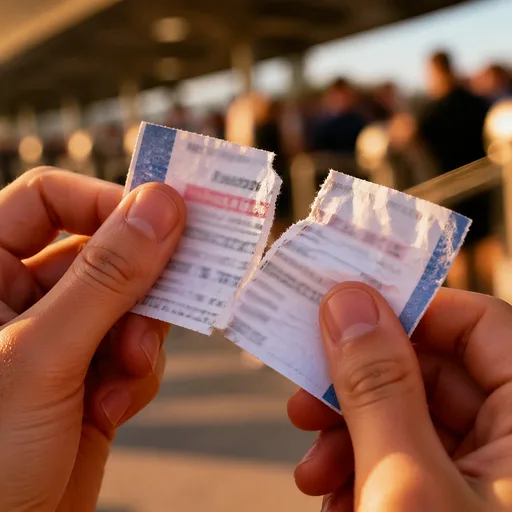
天上掉快递:亚马逊无人机让得州小城居民受不了
Boxes Falling From the Sky: Amazon's Delivery Drones Are Driving a Texas Suburb Up the Wall
3 min
What is on the HSK 6 word list?
In HSK 3.0, the exam from 13 December 2026, HSK 6 has 5,399 words. Of those, 1,800 are new at this level and the rest come from HSK 1–5. The old HSK 2.0 list had 5,000.
They cover chengyu, formal and classical register, and the layered vocabulary of serious written Chinese.
HSK 6 word list
All 5,334 words below, straight from the official HSK 3.0 syllabus. The 1,777 words new at HSK 6 come first, then earlier levels. The syllabus counts 5,399 entries because a few words are listed once per reading; each appears here once, with every reading.
Pinyin comes from the syllabus and definitions from CC-CEDICT. Tap any word to see its other senses without leaving the list. Words with a full Fluentide entry — character breakdown, usage notes, example sentences — link out from there.
Showing 2351–2400 of 5,334 · page 48 of 107
角度jiǎodùHSK 5angle
- angle
- (fig.) point of view
角色juésèHSK 5role
- role
- part (in a play or movie etc)
- also pr.
脚步jiǎobùHSK 5footstep
- footstep
- step
较jiàoHSK 5(bound form) to compare
- (bound form) to compare
- (literary) to dispute
- compared to
- (before an adjective) relatively
- comparatively
- rather
- also pr.
教材jiàocáiHSK 5teaching material
- teaching material
- CL:本
阶段jiēduànHSK 5stage
- stage
- section
- phase
- period
- CL:个
接触jiēchùHSK 5to touch
- to touch
- to contact
- access
- in touch with
接待jiēdàiHSK 5to receive
- to receive
- to entertain
- to host (guests, visitors or clients)
接近jiējìnHSK 5to approach
- to approach
- to get close to
接收jiēshōuHSK 5reception (of transmitted signal)
- reception (of transmitted signal)
- to receive
- to accept
- to admit
- to take over (e.g. a factory)
- to expropriate
节省jiéshěngHSK 5saving
- saving
- to save
- to use sparingly
- to cut down on
结jié / jiēHSK 5knot
- knot
- sturdy
- bond
- to tie
- to bind
- to check out (of a hotel)
- (of a plant) to produce (fruit or seeds)
- Taiwan pr.
结构jiégòuHSK 5structure
- structure
- composition
- makeup
- architecture
- CL:座,个
结合jiéhéHSK 5to combine
- to combine
- to link
- to integrate
- binding
- CL:次
结论jiélùnHSK 5conclusion
- conclusion
- verdict
- CL:个
- to conclude
- to reach a verdict
届jièHSK 5to arrive at (place or time)
- to arrive at (place or time)
- period
- to become due
- classifier for events, meetings, elections, sporting fixtures, years (of graduation)
今日jīnrìHSK 5today
- today
尽快jǐnkuàiHSK 5as quickly as possible
- as quickly as possible
- as soon as possible
尽力jìnlìHSK 5to strive one's hardest
- to strive one's hardest
- to spare no effort
尽量jǐnliàngHSK 5as much as possible
- as much as possible
- to the greatest extent
紧jǐnHSK 5tight
- tight
- strict
- close at hand
- near
- urgent
- tense
- hard up
- short of money
- to tighten
紧急jǐnjíHSK 5urgent
- urgent
- emergency
紧密jǐnmìHSK 5inseparably close
- inseparably close
谨慎jǐnshènHSK 5cautious
- cautious
- prudent
近代jìndàiHSK 5the not-very-distant past
- the not-very-distant past
- modern times, excluding recent decades
- (in the context of Chinese history) the period from the Opium Wars until the May 4th Movement (mid-19th century to 1919)
- capitalist times (pre-1949)
近年来jìnnián láiHSK 5for the past few years
- for the past few years
近期jìnqīHSK 5near in time
- near in time
- in the near future
- very soon
- recent
近日jìnrìHSK 5(in) the past few days
- (in) the past few days
- recently
- (within) the next few days
进步jìnbùHSK 5progress
- progress
- improvement
- to improve
- to progress
进口jìnkǒuHSK 5to import
- to import
- imported
- entrance
- inlet (for the intake of air, water etc)
进一步jìnyíbùHSK 5to go a step further
- to go a step further
- (develop, understand, improve etc) more
- further
经典jīngdiǎnHSK 5the classics
- the classics
- scriptures
- classical
- classic (example, case etc)
- typical
经营jīngyíngHSK 5to engage in (business etc)
- to engage in (business etc)
- to run
- to operate
惊喜jīngxǐHSK 5nice surprise
- nice surprise
- to be pleasantly surprised
精力jīnglìHSK 5energy
- energy
精神jīngshenHSK 5spirit
- spirit
- mind
- consciousness
- thought
- mental
- psychological
- essence
- gist
- CL:个
静jìngHSK 5still
- still
- calm
- quiet
- not moving
久远jiǔyuǎnHSK 5lasting
- lasting
- enduring
- extending over a long period of time
酒吧jiǔbāHSK 5bar (place to buy drinks)
- bar (place to buy drinks)
- CL:家
救jiùHSK 5to save
- to save
- to assist
- to rescue
- variant of 救
救护车jiùhùchēHSK 5ambulance
- ambulance
- CL:辆
就业jiùyèHSK 5to get a job
- to get a job
- employment
居民jūmínHSK 5resident
- resident
- inhabitant
居然jūránHSK 5unexpectedly
- unexpectedly
- to one's surprise
- go so far as to
居住jūzhùHSK 5to reside
- to reside
- to dwell
- to live in a place
- resident in
橘子júziHSK 5tangerine
- tangerine
- CL:个,瓣
巨大jùdàHSK 5huge
- huge
- immense
- enormous
- gigantic
具备jùbèiHSK 5to possess
- to possess
- to have
- equipped with
- able to fulfill (conditions or requirements)
具体jùtǐHSK 5concrete
- concrete
- specific
- detailed
具有jùyǒuHSK 5to have
- to have
- to possess
How to actually learn HSK 6 vocabulary
A word list is a checklist, not a method. Recognising a word on a page is a different skill from catching it at speed in a sentence — and the HSK listening section only tests the second one.
Read the list once, do not memorise it
You are looking for which words feel unfamiliar, not trying to learn them here.
Listen at your level daily
Fluentide's HSK 6 episodes are written inside this vocabulary band, so the words arrive in sentences instead of flashcards.
Look a word up only after you have heard it
A word you have already met in audio sticks in one reading. A word you meet cold takes many.
Come back to this list monthly
Use it as a progress check, not a study plan. The gaps you find are what to listen for next.
HSK 6 episodes to hear these words in
Every episode below is written inside the HSK 6 word band and read at HSK 6 speed. Press play — no account needed for the first few.
HSK 1 Chinese listening episodes

















































































































































































































































HSK 2 Chinese listening episodes
HSK 3–4 Chinese listening episodes

Showing 12 of 250
HSK 5–6 Chinese listening episodes
Showing 12 of 250
The method in practice
Hear HSK 6 vocabulary in real Mandarin
Every HSK 6 episode is written inside this word band and read at HSK 6 speed, so words stick because you have heard them in a sentence. Full transcript, pinyin toggle, and line-by-line English on every episode. Five free episodes after a one-tap magic-link sign-in — no password, no payment.