

HSK 6 Vocabulary List: 5,399 Words (HSK 3.0)
In HSK 3.0, HSK 6 has 5,399 words in total, 1,800 of them new at this level. They cover chengyu, formal and classical register, and the layered vocabulary of serious written Chinese.
By Haoshan Hong · Native Mandarin speaker · Updated September 2026
Hear HSK 6 words in a real story

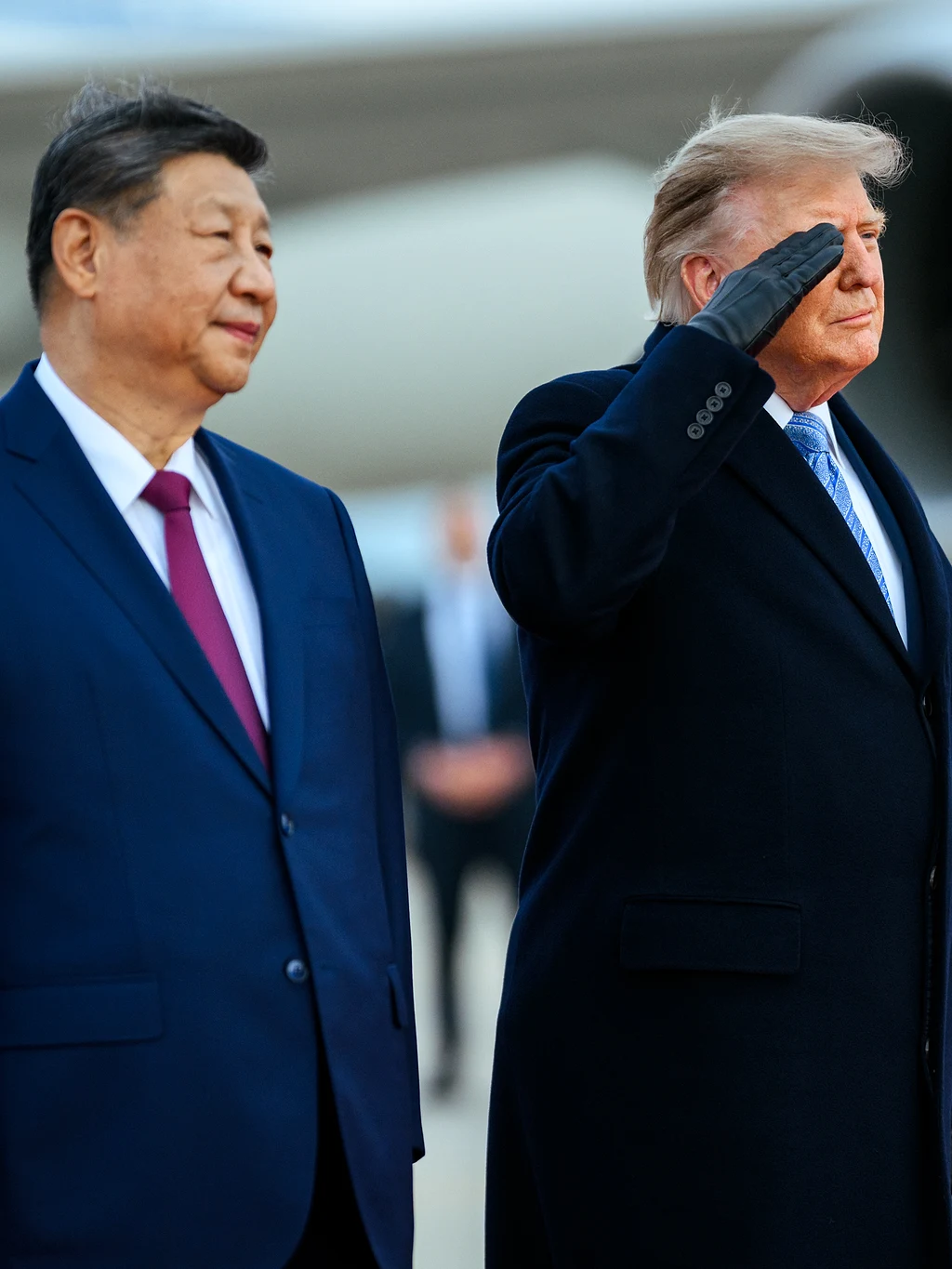
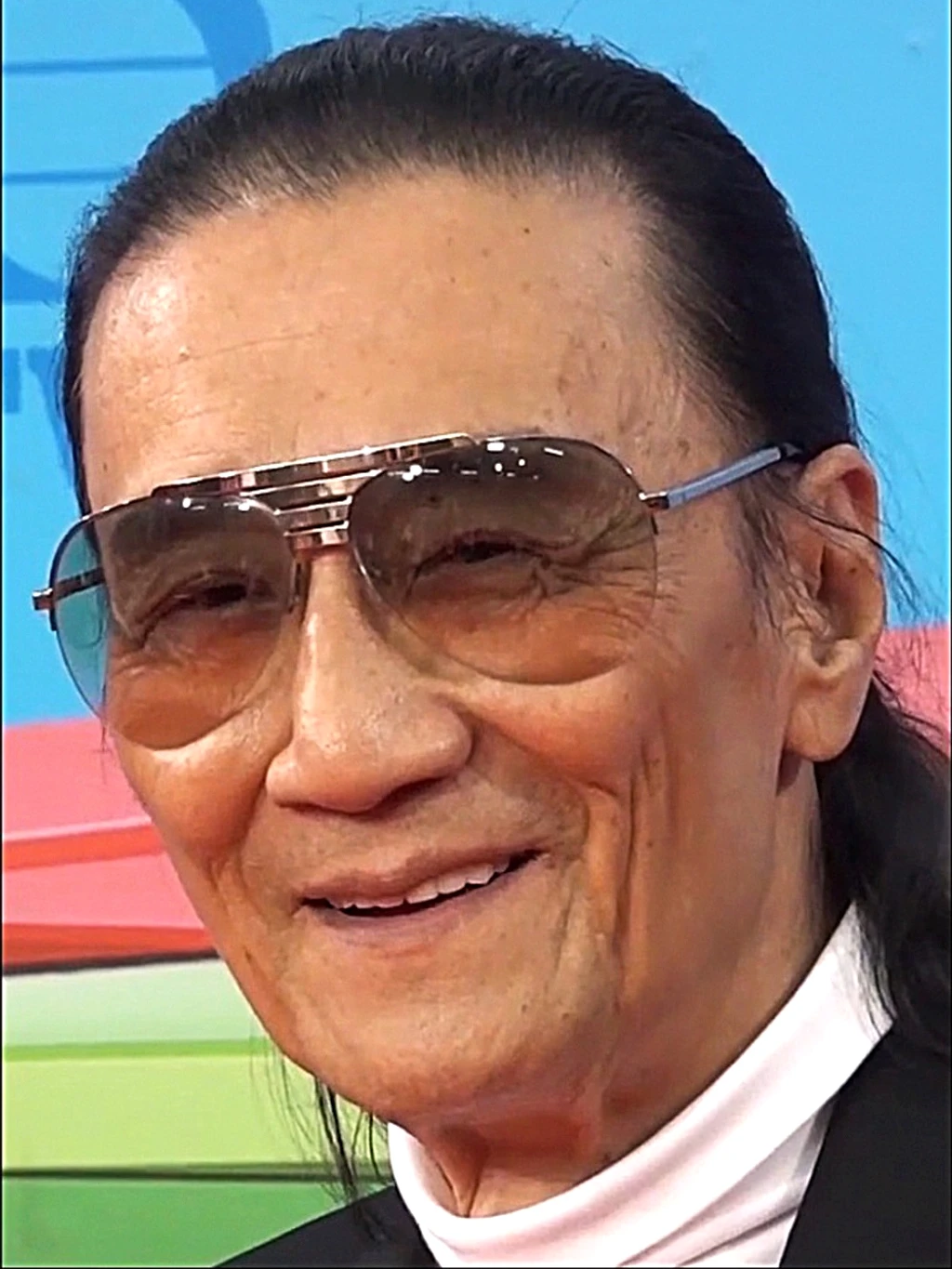
唱北京奥运会主题歌《我和你》的歌手刘欢去世,享年63岁
Liu Huan, Who Sang the 2008 Beijing Olympics Theme 'You and Me,' Dies at 63
3 min
What is on the HSK 6 word list?
In HSK 3.0, the exam from 13 December 2026, HSK 6 has 5,399 words. Of those, 1,800 are new at this level and the rest come from HSK 1–5. The old HSK 2.0 list had 5,000.
They cover chengyu, formal and classical register, and the layered vocabulary of serious written Chinese.
HSK 6 word list
All 5,334 words below, straight from the official HSK 3.0 syllabus. The 1,777 words new at HSK 6 come first, then earlier levels. The syllabus counts 5,399 entries because a few words are listed once per reading; each appears here once, with every reading.
Pinyin comes from the syllabus and definitions from CC-CEDICT. Tap any word to see its other senses without leaving the list. Words with a full Fluentide entry — character breakdown, usage notes, example sentences — link out from there.
Showing 5301–5334 of 5,334 · page 107 of 107
雨yǔHSK 1rain
- rain
- CL:阵,场
- (literary) to rain
- (of rain, snow etc) to fall
- to precipitate
- to wet
元yuánHSK 1currency unit (esp. Chinese yuan)
- currency unit (esp. Chinese yuan)
- (bound form) first
- original
- primary
- (bound form) basic
- fundamental
- (bound form) constituent
- part
- (prefix) meta-
- (math.) argument
- variable
- era (of a reign)
- (Tw) (geology) eon
- surname Yuan
- Yuan dynasty (1279–1368)
月yuèHSK 1moon
- moon
- month
- monthly
- CL:个,轮
再zàiHSK 1again
- again
- once more
- re-
- further
- beyond this point of time
- (before an adjective) more
- then (after sth, and not until then)
- no matter how ... (followed by an adjective or verb, and then (usually) 也 or 都 for emphasis)
- (used to introduce additional information, as in 再则, 再就是 etc)
- (literary) to reappear
- to reoccur
再见zàijiànHSK 1goodbye
- goodbye
- see you again later
在zàiHSK 1to exist
- to exist
- to be alive
- (of sb or sth) to be (located) at
- (used before a verb to indicate an action in progress)
早zǎoHSK 1early
- early
- morning
- Good morning!
- long ago
- prematurely
早饭zǎofànHSK 1breakfast
- breakfast
- CL:份,顿,次,餐
早上zǎoshangHSK 1early morning
- early morning
- CL:个
怎么zěnmeHSK 1how?
- how?
- what?
- why?
怎么样zěnmeyàngHSK 1how?
- how?
- how about?
- how was it?
- how are things?
找zhǎoHSK 1to try to find
- to try to find
- to look for
- to call on sb
- to find
- to seek
- to return
- to give change
这zhèHSK 1(pronoun) this
- (pronoun) this
- these
- (bound form) this
- the (followed by a noun)
- (bound form) this
- these (followed by a classifier) (in this sense, commonly pr. , esp. in Beijing)
- (coll.) this
这边zhèbiānHSK 1this side
- this side
- here
这儿zhèrHSK 1here
- here
这个zhègeHSK 1(pronoun) this
- (pronoun) this
- (adjective) this
这里zhèlǐHSK 1here
- here
这些zhèxiēHSK 1these
- these
真zhēnHSK 1really
- really
- truly
- indeed
- real
- true
- genuine
正在zhèngzàiHSK 1to be in the process of (doing sth)
- to be in the process of (doing sth)
- to be currently ...-ing
知道zhīdàoHSK 1to know
- to know
- to become aware of
- also pr.
只zhī / zhǐHSK 1grain that has begun to ripen
- grain that has begun to ripen
- classifier for birds and certain animals, one of a pair, some utensils, vessels etc
- only
- merely
- just
- variant of 只
- variant of 只
- variant of 只
中国ZhōngguóHSK 1China
中文ZhōngwénHSK 1Chinese language
- Chinese language
中午zhōngwǔHSK 1noon
- noon
- midday
- CL:个
中学zhōngxuéHSK 1middle school
- middle school
中学生zhōngxuéshēngHSK 1middle-school student
- middle-school student
- high school student
住zhùHSK 1to live
- to live
- to reside
- to stay
- to stop
- to cease
- (result complement indicating firmness or a stable achieved state)
桌子zhuōziHSK 1table
- table
- desk
- CL:张,套
字zìHSK 1letter
- letter
- symbol
- character
- word
- CL:个
- courtesy or style name traditionally given to males aged 20 in dynastic China
昨天zuótiānHSK 1yesterday
坐zuòHSK 1to sit
- to sit
- to take a seat
- to take (a bus, airplane etc)
- to bear fruit
- surname Zuo
- variant of 座
做zuòHSK 1to make
- to make
- to produce
- to write
- to compose
- to do
- to engage in
- to hold (a party etc)
- (of a person) to be (an intermediary, a good student etc)
- to become (husband and wife, friends etc)
- (of a thing) to serve as
- to be used for
- to assume (an air or manner)
做饭zuò fànHSK 1to prepare a meal
- to prepare a meal
- to cook
How to actually learn HSK 6 vocabulary
A word list is a checklist, not a method. Recognising a word on a page is a different skill from catching it at speed in a sentence — and the HSK listening section only tests the second one.
Read the list once, do not memorise it
You are looking for which words feel unfamiliar, not trying to learn them here.
Listen at your level daily
Fluentide's HSK 6 episodes are written inside this vocabulary band, so the words arrive in sentences instead of flashcards.
Look a word up only after you have heard it
A word you have already met in audio sticks in one reading. A word you meet cold takes many.
Come back to this list monthly
Use it as a progress check, not a study plan. The gaps you find are what to listen for next.
HSK 6 episodes to hear these words in
Every episode below is written inside the HSK 6 word band and read at HSK 6 speed. Press play — no account needed for the first few.
HSK 1 Chinese listening episodes











































































































































































































































HSK 2 Chinese listening episodes

HSK 3–4 Chinese listening episodes

Showing 12 of 250
HSK 5–6 Chinese listening episodes
Showing 12 of 251
The method in practice
Hear HSK 6 vocabulary in real Mandarin
Every HSK 6 episode is written inside this word band and read at HSK 6 speed, so words stick because you have heard them in a sentence. Full transcript, pinyin toggle, and line-by-line English on every episode. Five free episodes after a one-tap magic-link sign-in — no password, no payment.