

HSK 6 Vocabulary List: 5,399 Words (HSK 3.0)
In HSK 3.0, HSK 6 has 5,399 words in total, 1,800 of them new at this level. They cover chengyu, formal and classical register, and the layered vocabulary of serious written Chinese.
By Haoshan Hong · Native Mandarin speaker · Updated September 2026
Hear HSK 6 words in a real story

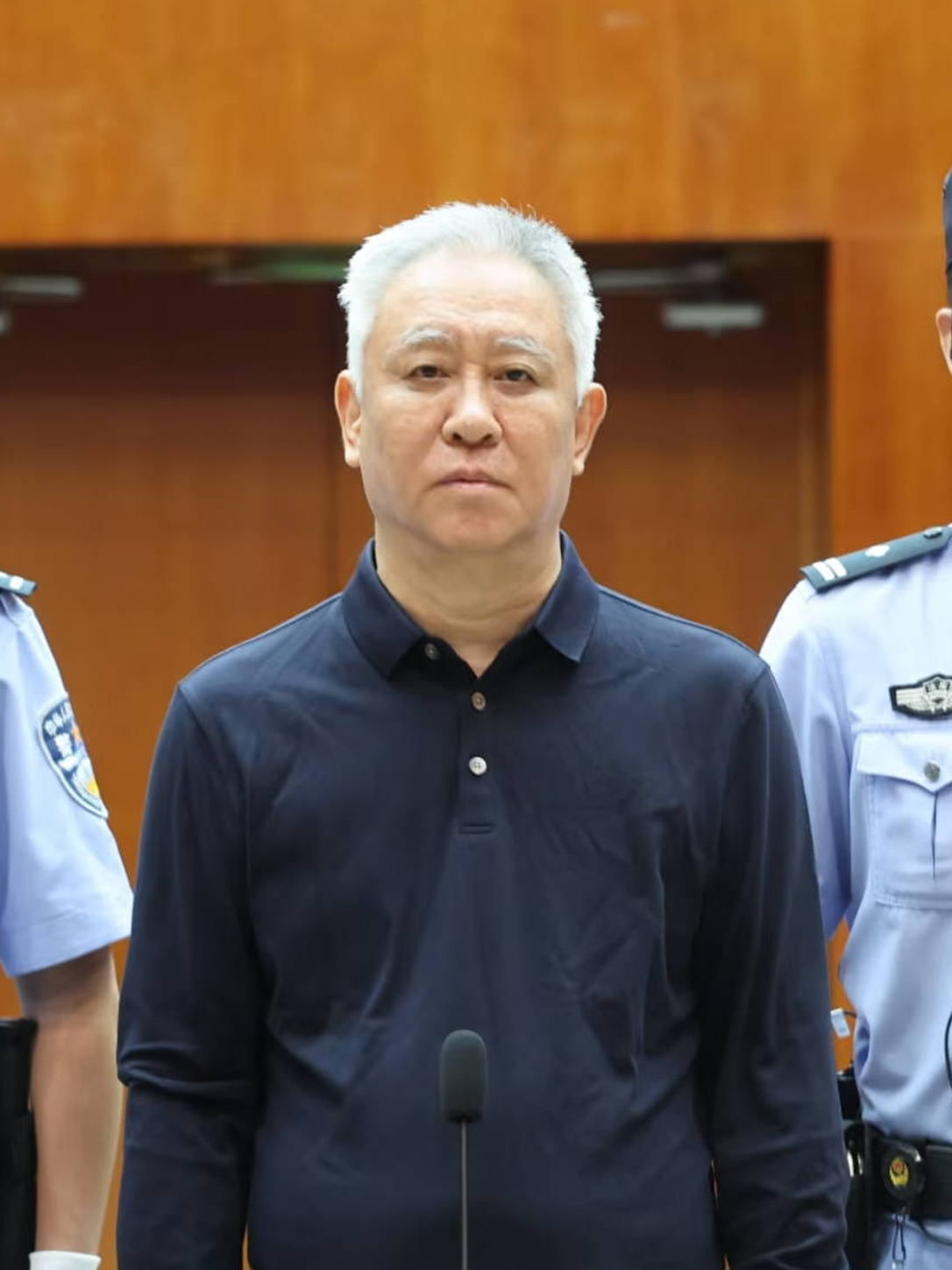
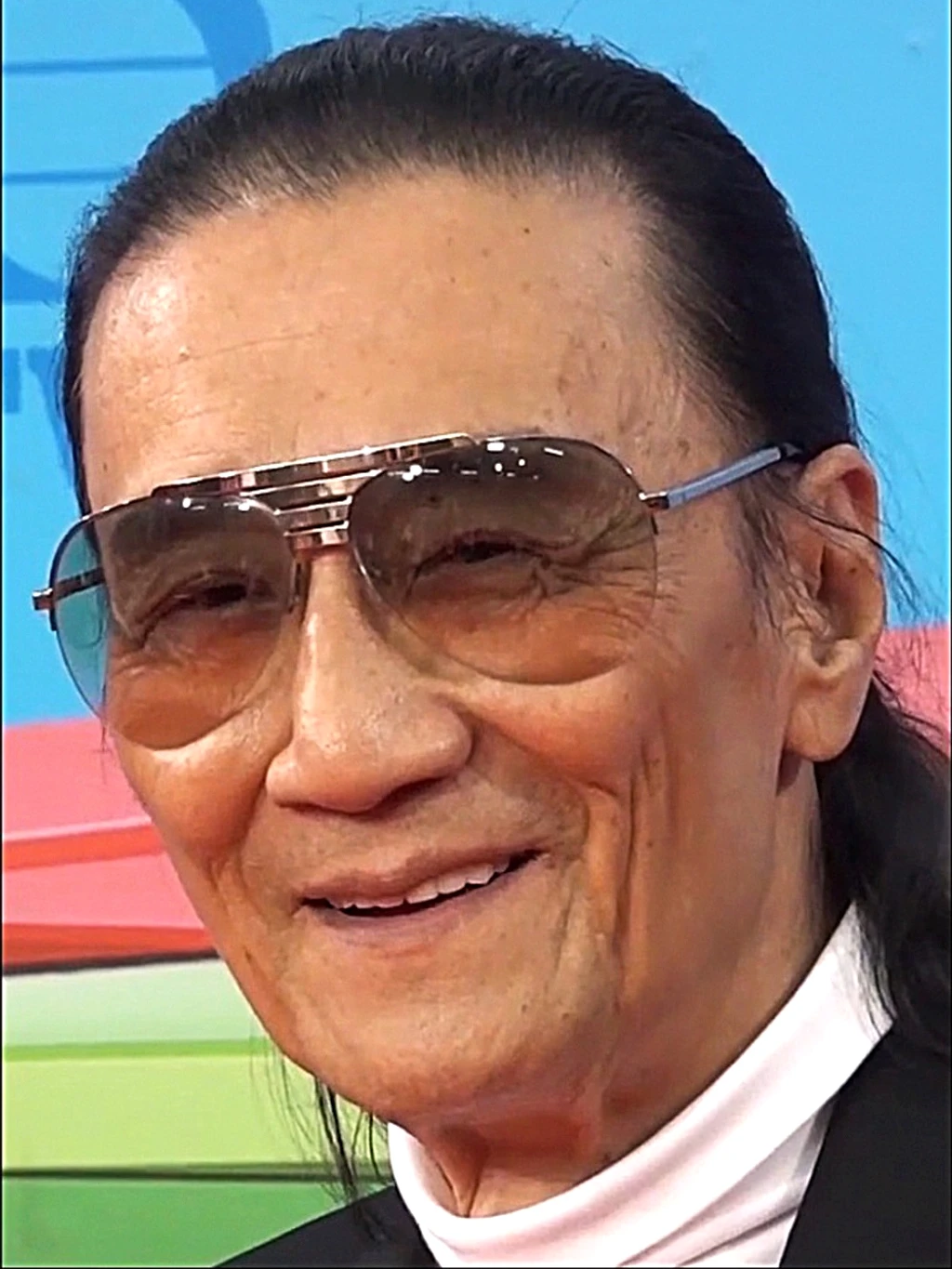
唱北京奥运会主题歌《我和你》的歌手刘欢去世,享年63岁
Liu Huan, Who Sang the 2008 Beijing Olympics Theme 'You and Me,' Dies at 63
3 min
What is on the HSK 6 word list?
In HSK 3.0, the exam from 13 December 2026, HSK 6 has 5,399 words. Of those, 1,800 are new at this level and the rest come from HSK 1–5. The old HSK 2.0 list had 5,000.
They cover chengyu, formal and classical register, and the layered vocabulary of serious written Chinese.
HSK 6 word list
All 5,334 words below, straight from the official HSK 3.0 syllabus. The 1,777 words new at HSK 6 come first, then earlier levels. The syllabus counts 5,399 entries because a few words are listed once per reading; each appears here once, with every reading.
Pinyin comes from the syllabus and definitions from CC-CEDICT. Tap any word to see its other senses without leaving the list. Words with a full Fluentide entry — character breakdown, usage notes, example sentences — link out from there.
Showing 5201–5250 of 5,334 · page 105 of 107
去qùHSK 1to go
- to go
- to go to (a place)
- (of a time etc) last
- just passed
- to send
- to remove
- to get rid of
- to reduce
- to be apart from in space or time
- to die (euphemism)
- to play (a part)
- (when used either before or after a verb) to go in order to do sth
- (after a verb of motion indicates movement away from the speaker)
- (used after certain verbs to indicate detachment or separation)
去年qùniánHSK 1last year
热rèHSK 1to warm up
- to warm up
- to heat up
- hot (of weather)
- heat
- fervent
人rénHSK 1person
- person
- people
- CL:个,位,名
认识rènshiHSK 1to know
- to know
- to recognize
- to be familiar with
- to get acquainted with sb
- knowledge
- understanding
- awareness
- cognition
日rìHSK 1(bound form) sun
- (bound form) sun
- day
- day of the month
- (bound form) Japan (abbr. for 日本)
- (vulgar) to fuck
- to have sex with
三sānHSK 1three
- three
- 3
- surname San
商店shāngdiànHSK 1store
- store
- shop
- CL:家
上shàngHSK 1(bound form) up
- (bound form) up
- upper
- above
- previous
- first (of multiple parts)
- to climb
- to get onto
- to go up
- to attend (class or university)
- (directional complement) up
- (noun suffix) on
- above
- used in 上声
上班shàngbānHSK 1to go to work
- to go to work
- to be on duty
- to start work
- to go to the office
上课shàngkèHSK 1to go to class
- to go to class
- to attend class
- to go to teach a class
上午shàngwǔHSK 1morning
上学shàngxuéHSK 1to go to school
- to go to school
- to attend school
少shǎoHSK 1few
- few
- less
- to lack
- to be missing
- to stop (doing sth)
- seldom
- young
谁shéi/shuíHSK 1who
什么shénmeHSK 1what?
- what?
- something
- anything
生病shēngbìngHSK 1to fall ill
十shíHSK 1ten
时候shíhouHSK 1time
- time
- length of time
- moment
- period
时间shíjiānHSK 1(concept of) time
- (concept of) time
- (duration of) time
- (point in) time
事shìHSK 1matter
- matter
- thing
- item
- work
- affair
- CL:件,桩,回
是shìHSK 1to be (followed by substantives only)
- to be (followed by substantives only)
- correct
- right
- true
- (respectful acknowledgement of a command) very well
- (adverb for emphatic assertion)
- variant of 是
手机shǒujīHSK 1cell phone
- cell phone
- mobile phone
- CL:部,台
书shūHSK 1book
- book
- letter
- document
- CL:本,册,部
- to write
- abbr. for 书经
书店shūdiànHSK 1bookstore
- bookstore
- CL:家
水shuǐHSK 1water
- water
- (after a name) ... River
- to swim (used mostly in 会水 and 水性)
- (coll.) lacking in substance
- shoddy
- (bound form) additional cost
- extra income
- classifier for washings of a garment
- surname Shui
- Shui ethnic group
水果shuǐguǒHSK 1fruit
睡shuìHSK 1to sleep
- to sleep
- to lie down
睡觉shuìjiàoHSK 1to go to bed
- to go to bed
- to sleep
说shuōHSK 1to speak
- to speak
- to talk
- to say
- to explain
- to comment
- to scold
- to tell off
- (bound form) theory
- doctrine
- to persuade
- variant of 说
说话shuōhuàHSK 1to speak
- to speak
- to say
- to talk
- to gossip
- to tell stories
- talk
- word
四sìHSK 1four
岁suìHSK 1classifier for years (of age)
- classifier for years (of age)
- year
- year (of crop harvests)
- years old
- variant of 岁, year
他tāHSK 1(third-person singular) (since the early 20th century, usu. male) he
- (third-person singular) (since the early 20th century, usu. male) he
- him
- his
- (bound form) other
- another
- some other (as in 他日 and 他人)
他们tāmenHSK 1they
- they
- them
它tāHSK 1it
- it
- it (pronoun for an animal)
它们tāmenHSK 1they
- they
- them
她tāHSK 1she
她们tāmenHSK 1they
- they
- them (females)
太tàiHSK 1highest
- highest
- greatest
- too (much)
- very
- extremely
天tiānHSK 1day
- day
- sky
- heaven
天气tiānqìHSK 1weather
听tīngHSK 1to listen to
- to listen to
- to hear
- to heed
- to obey
- a can (loanword from English "tin")
- classifier for canned beverages
- to let be
- to allow (Taiwan pr. )
- (literary) to administer
- to deal with (Taiwan pr. )
- smile (archaic)
听见tīngjiànHSK 1to hear
- to hear
同学tóngxuéHSK 1to study at the same school
- to study at the same school
- fellow student
- classmate
- CL:位,个
外wàiHSK 1outside
- outside
- in addition
- foreign
- external
外边wàibianHSK 1outside
- outside
- outer surface
- abroad
- place other than one's home
玩wánHSK 1to play
- to play
- to have fun
- to trifle with
- toy
- sth used for amusement
- curio or antique (Taiwan pr. )
- to keep sth for entertainment
- Taiwan pr.
- variant of 玩
晚wǎnHSK 1evening
- evening
- night
- late
晚饭wǎnfànHSK 1evening meal
- evening meal
- dinner
- supper
- CL:份,顿,次,餐
How to actually learn HSK 6 vocabulary
A word list is a checklist, not a method. Recognising a word on a page is a different skill from catching it at speed in a sentence — and the HSK listening section only tests the second one.
Read the list once, do not memorise it
You are looking for which words feel unfamiliar, not trying to learn them here.
Listen at your level daily
Fluentide's HSK 6 episodes are written inside this vocabulary band, so the words arrive in sentences instead of flashcards.
Look a word up only after you have heard it
A word you have already met in audio sticks in one reading. A word you meet cold takes many.
Come back to this list monthly
Use it as a progress check, not a study plan. The gaps you find are what to listen for next.
HSK 6 episodes to hear these words in
Every episode below is written inside the HSK 6 word band and read at HSK 6 speed. Press play — no account needed for the first few.
HSK 1 Chinese listening episodes



































































































































































































































HSK 2 Chinese listening episodes

HSK 3–4 Chinese listening episodes

Showing 12 of 250
HSK 5–6 Chinese listening episodes
Showing 12 of 251
The method in practice
Hear HSK 6 vocabulary in real Mandarin
Every HSK 6 episode is written inside this word band and read at HSK 6 speed, so words stick because you have heard them in a sentence. Full transcript, pinyin toggle, and line-by-line English on every episode. Five free episodes after a one-tap magic-link sign-in — no password, no payment.