

HSK 6 Vocabulary List: 5,399 Words (HSK 3.0)
In HSK 3.0, HSK 6 has 5,399 words in total, 1,800 of them new at this level. They cover chengyu, formal and classical register, and the layered vocabulary of serious written Chinese.
By Haoshan Hong · Native Mandarin speaker · Updated September 2026
Hear HSK 6 words in a real story

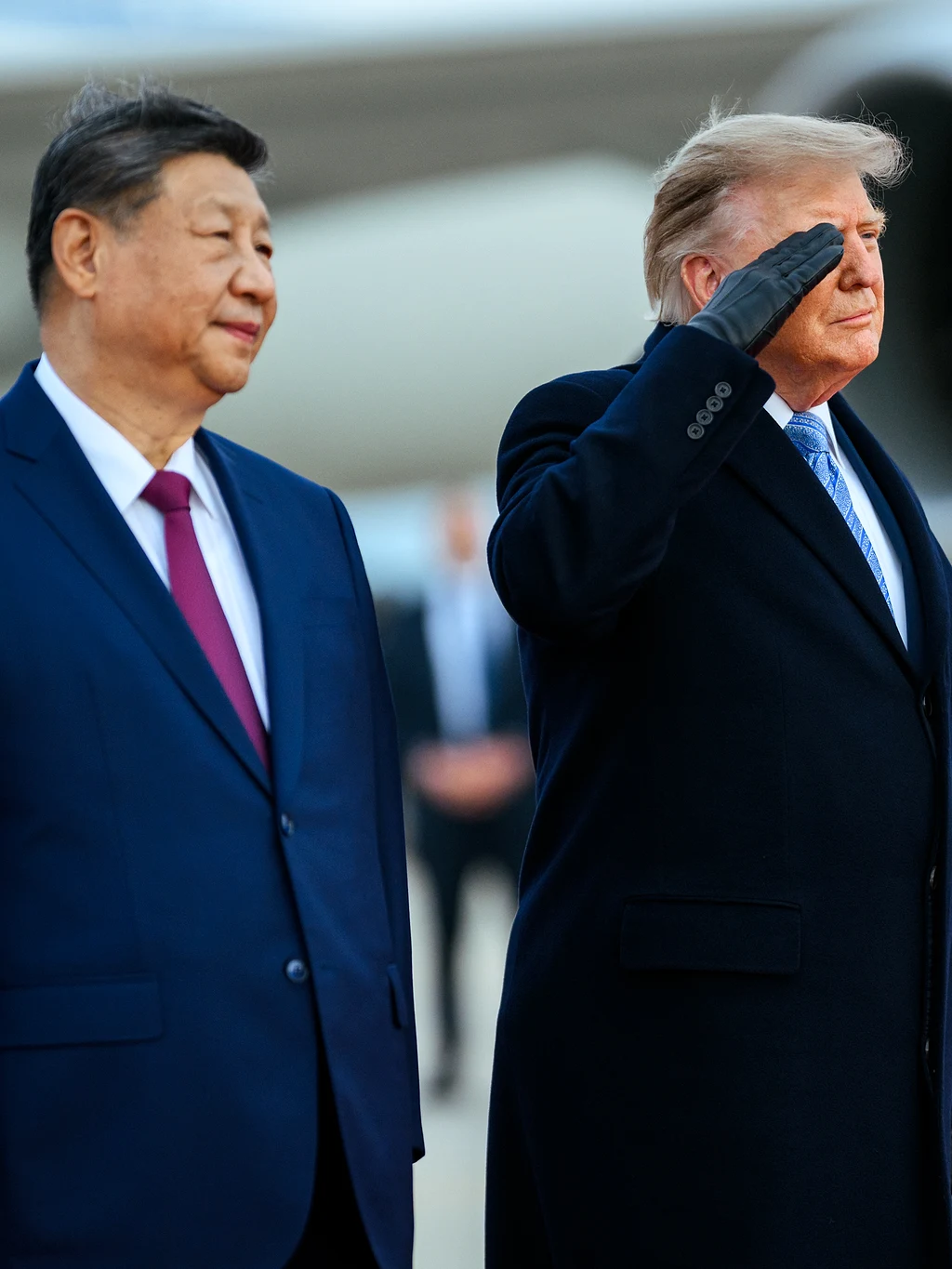
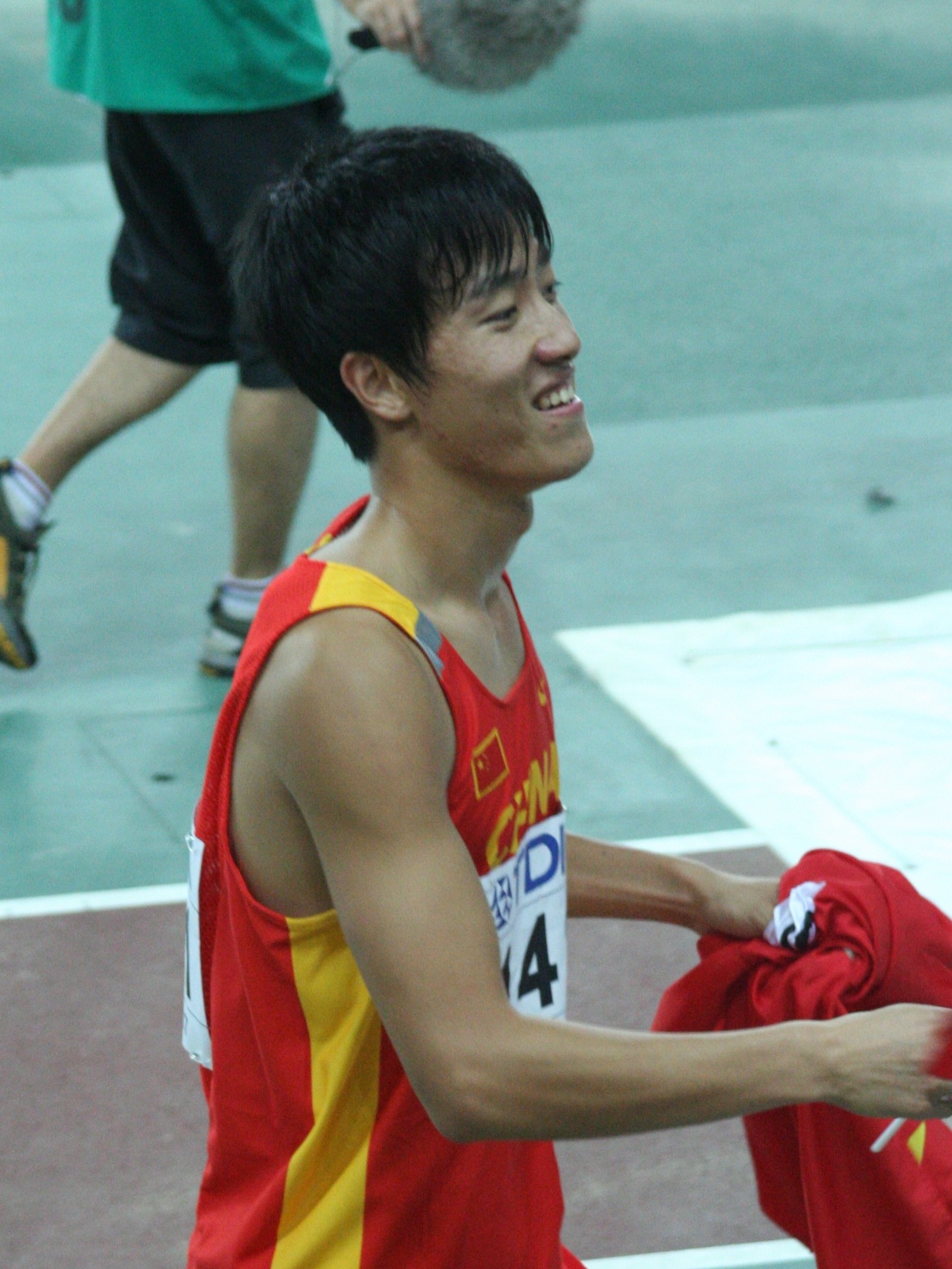
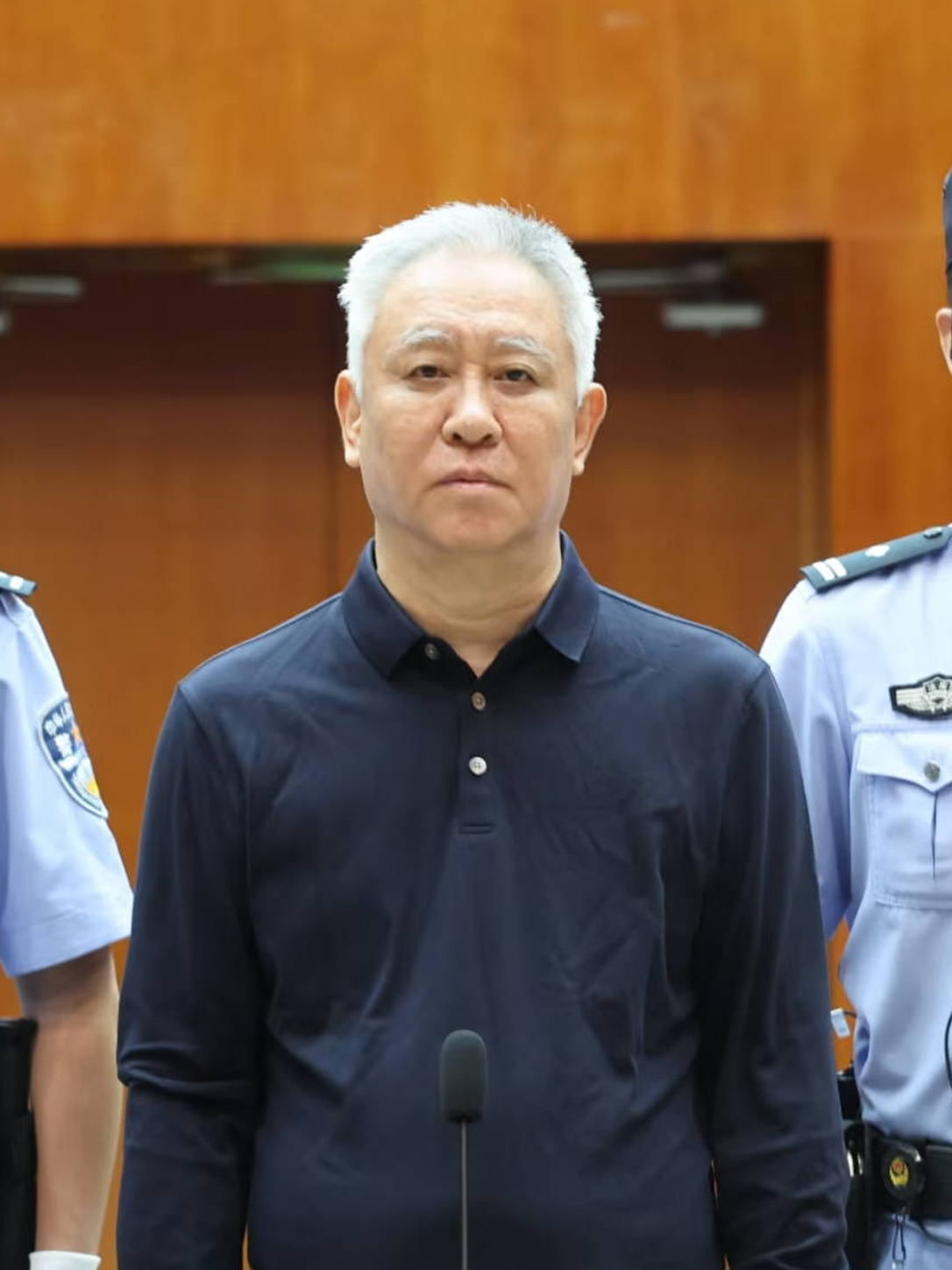
唱北京奥运会主题歌《我和你》的歌手刘欢去世,享年63岁
Liu Huan, Who Sang the 2008 Beijing Olympics Theme 'You and Me,' Dies at 63
3 min
What is on the HSK 6 word list?
In HSK 3.0, the exam from 13 December 2026, HSK 6 has 5,399 words. Of those, 1,800 are new at this level and the rest come from HSK 1–5. The old HSK 2.0 list had 5,000.
They cover chengyu, formal and classical register, and the layered vocabulary of serious written Chinese.
HSK 6 word list
All 5,334 words below, straight from the official HSK 3.0 syllabus. The 1,777 words new at HSK 6 come first, then earlier levels. The syllabus counts 5,399 entries because a few words are listed once per reading; each appears here once, with every reading.
Pinyin comes from the syllabus and definitions from CC-CEDICT. Tap any word to see its other senses without leaving the list. Words with a full Fluentide entry — character breakdown, usage notes, example sentences — link out from there.
Showing 5151–5200 of 5,334 · page 104 of 107
买mǎiHSK 1to buy
- to buy
- to purchase
卖màiHSK 1to sell
- to sell
- to betray
- to spare no effort
- to show off or flaunt
忙mángHSK 1busy
- busy
- hurriedly
- to hurry
- to rush
猫māoHSK 1cat (CL:只)
- cat (CL:只)
- (dialect) to hide oneself
- (loanword) (coll.) modem
- used in 猫腰
没关系méi guānxiHSK 1it doesn't matter
- it doesn't matter
没事méishìHSK 1it's not important
- it's not important
- it's nothing
- never mind
- to have nothing to do
- to be free
- to be all right (out of danger or trouble)
没有méiyǒuHSK 1haven't
- haven't
- hasn't
- doesn't exist
- to not have
- to not be
妹妹mèimeiHSK 1younger sister
- younger sister
- young woman
- CL:个
们menHSK 1plural marker for pronouns, and nouns referring to individuals
- plural marker for pronouns, and nouns referring to individuals
米饭mǐfànHSK 1(cooked) rice
- (cooked) rice
面包miànbāoHSK 1bread
面条儿miàntiáorHSK 1erhua variant of 面条
- erhua variant of 面条
名字míngziHSK 1name (of a person or thing)
- name (of a person or thing)
明年míngniánHSK 1next year
- next year
明天míngtiānHSK 1tomorrow
哪nǎHSK 1how
- how
- which
- (emphatic sentence-final particle, used instead of 啊 after a word ending in "n")
- which? (interrogative, followed by classifier or numeral-classifier)
- used in 哪吒
- Taiwan pr.
哪儿nǎrHSK 1where?
- where?
- wherever
- anywhere
- somewhere
- (used in rhetorical questions) how can ...?
- how could ...?
哪个nǎgeHSK 1which
- which
- who
哪里nǎlǐHSK 1where?
- where?
- somewhere
- anywhere
- wherever
- nowhere (negative answer to question)
- humble expression denying compliment
- also written 哪里
哪些nǎxiēHSK 1which ones?
- which ones?
- who?
- what?
那nàHSK 1(specifier) that
- (specifier) that
- the
- those (colloquial pr. )
- (pronoun) that (referring to persons, things or situations)
- then (in that case)
- surname Na
- surname Nuo
- (archaic) many
- beautiful
- how
- variant of 哪
- old variant of 挪
那边nàbiānHSK 1over there
- over there
- yonder
那儿nàrHSK 1there
- there
那个nàgeHSK 1that one
- that one
- that thing
- that (as opposed to this)
- (used before a verb or adjective for emphasis)
- (used to humorously or indirectly refer to sth embarrassing, funny etc, or when one can't think of the right word)
- (used in speech as a filler, similar to "umm", "you know" etc)
- (euph.) menstruation
- sex
- also pr.
那里nàlǐHSK 1there
- there
- that place
那些nàxiēHSK 1those
- those
男nánHSK 1(bound form) male
- (bound form) male
- baron, the lowest of the five ranks of nobility 五等爵位
男朋友nánpéngyouHSK 1boyfriend
- boyfriend
呢neHSK 1(sentence-final particle) used in questions to link back to prior discourse or context ("what about...?", "and...?")
- (sentence-final particle) used in questions to link back to prior discourse or context ("what about...?", "and...?")
- (sentence-final particle) indicating that a state or situation still holds
- (discourse particle) used to mark a slight pause or emphasis in speech
- dense wool fabric (used for coats and jackets)
能néngHSK 1can
- can
- to be able to
- might possibly
- ability
- (physics) energy
- surname Neng
你nǐHSK 1you (informal, as opposed to courteous 您)
- you (informal, as opposed to courteous 您)
- you (Note: In Taiwan, 妳 is used to address females, but in mainland China, it is not commonly used. Instead, 你 is used to address both males and females.)
你好nǐ hǎoHSK 1hello
你们nǐmenHSK 1you (plural)
- you (plural)
年niánHSK 1year
- year
- CL:个
- grain
- harvest (old)
- surname Nian
- variant of 年
您nínHSK 1you (courteous, as opposed to informal 你)
- you (courteous, as opposed to informal 你)
牛奶niúnǎiHSK 1cow's milk
- cow's milk
- CL:瓶,杯
女nǚHSK 1female
- female
- woman
- daughter
- old variant of 汝
女儿nǚ’érHSK 1daughter
女朋友nǚpéngyouHSK 1girlfriend
- girlfriend
女士nǚshìHSK 1lady
- lady
- madam
- CL:个,位
- Miss
- Ms
朋友péngyouHSK 1friend
- friend
- CL:个,位
漂亮piàoliangHSK 1pretty
- pretty
- beautiful
苹果píngguǒHSK 1apple
七qīHSK 1seven
起床qǐchuángHSK 1to get out of bed
- to get out of bed
- to get up
千qiānHSK 1thousand
- thousand
- used in 秋千
前qiánHSK 1front
- front
- forward
- ahead
- first
- top (followed by a number)
- future
- ago
- before
- BC (e.g. 前293年)
- former
- formerly
钱qiánHSK 1coin
- coin
- money
- CL:笔
- unit of weight, one tenth of a tael 两
- surname Qian
请qǐngHSK 1to ask
- to ask
- to invite
- please (do sth)
- to treat (to a meal etc)
- to request
请问qǐngwènHSK 1Excuse me, may I ask...?
- Excuse me, may I ask...?
How to actually learn HSK 6 vocabulary
A word list is a checklist, not a method. Recognising a word on a page is a different skill from catching it at speed in a sentence — and the HSK listening section only tests the second one.
Read the list once, do not memorise it
You are looking for which words feel unfamiliar, not trying to learn them here.
Listen at your level daily
Fluentide's HSK 6 episodes are written inside this vocabulary band, so the words arrive in sentences instead of flashcards.
Look a word up only after you have heard it
A word you have already met in audio sticks in one reading. A word you meet cold takes many.
Come back to this list monthly
Use it as a progress check, not a study plan. The gaps you find are what to listen for next.
HSK 6 episodes to hear these words in
Every episode below is written inside the HSK 6 word band and read at HSK 6 speed. Press play — no account needed for the first few.
HSK 1 Chinese listening episodes


























































































































































































































HSK 2 Chinese listening episodes

HSK 3–4 Chinese listening episodes

Showing 12 of 250
HSK 5–6 Chinese listening episodes
Showing 12 of 251
The method in practice
Hear HSK 6 vocabulary in real Mandarin
Every HSK 6 episode is written inside this word band and read at HSK 6 speed, so words stick because you have heard them in a sentence. Full transcript, pinyin toggle, and line-by-line English on every episode. Five free episodes after a one-tap magic-link sign-in — no password, no payment.