

HSK 6 Vocabulary List: 5,399 Words (HSK 3.0)
In HSK 3.0, HSK 6 has 5,399 words in total, 1,800 of them new at this level. They cover chengyu, formal and classical register, and the layered vocabulary of serious written Chinese.
By Haoshan Hong · Native Mandarin speaker · Updated September 2026
Hear HSK 6 words in a real story

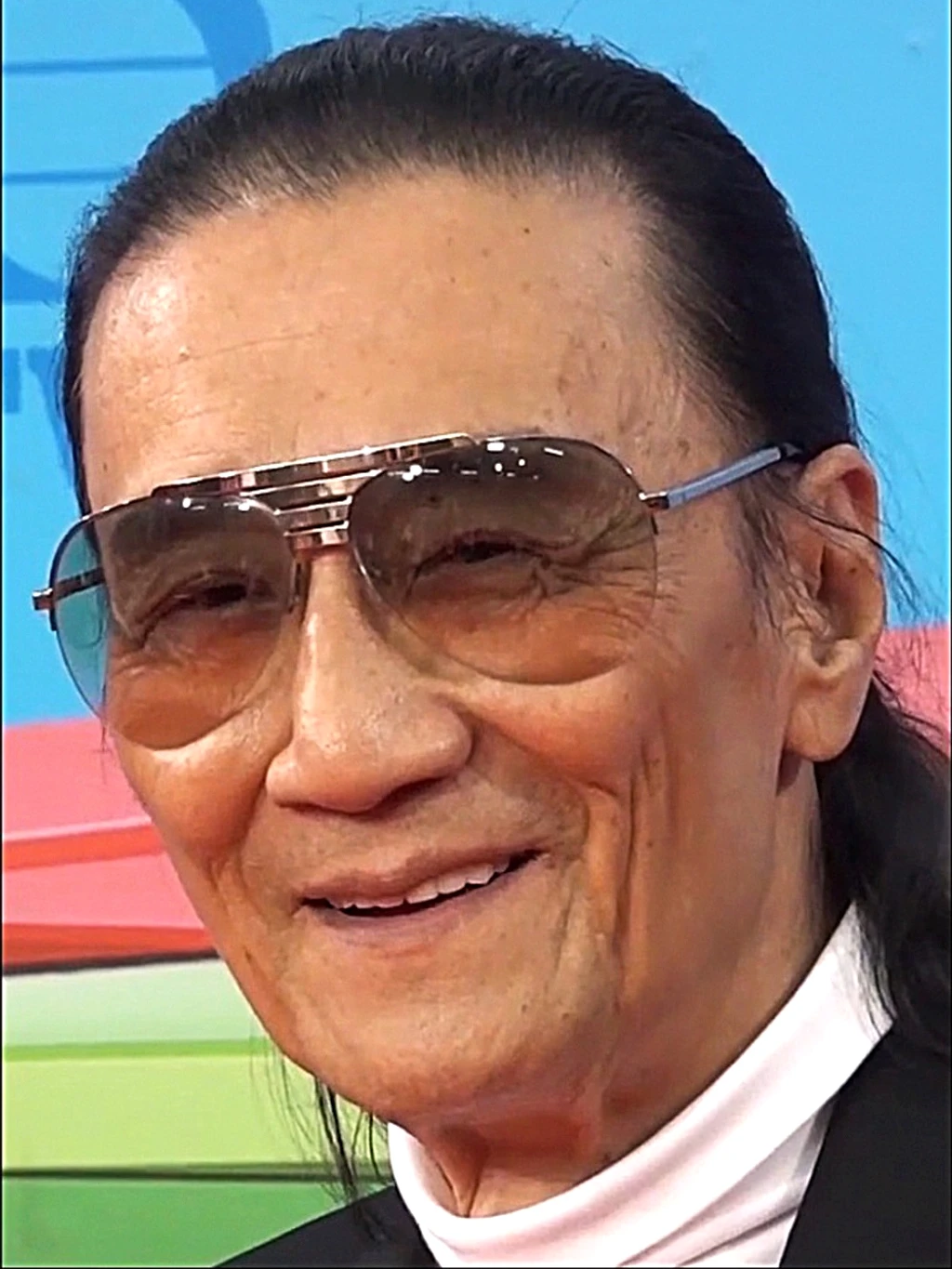
唱北京奥运会主题歌《我和你》的歌手刘欢去世,享年63岁
Liu Huan, Who Sang the 2008 Beijing Olympics Theme 'You and Me,' Dies at 63
3 min
What is on the HSK 6 word list?
In HSK 3.0, the exam from 13 December 2026, HSK 6 has 5,399 words. Of those, 1,800 are new at this level and the rest come from HSK 1–5. The old HSK 2.0 list had 5,000.
They cover chengyu, formal and classical register, and the layered vocabulary of serious written Chinese.
HSK 6 word list
All 5,334 words below, straight from the official HSK 3.0 syllabus. The 1,777 words new at HSK 6 come first, then earlier levels. The syllabus counts 5,399 entries because a few words are listed once per reading; each appears here once, with every reading.
Pinyin comes from the syllabus and definitions from CC-CEDICT. Tap any word to see its other senses without leaving the list. Words with a full Fluentide entry — character breakdown, usage notes, example sentences — link out from there.
Showing 5251–5300 of 5,334 · page 106 of 107
晚上wǎnshangHSK 1evening
- evening
- night
- CL:个
- in the evening
喂wèiHSK 1hey
- hey
- to feed (an animal, baby, invalid etc)
- to feed
- hello (when answering the phone)
- variant of 喂
问wènHSK 1to ask
- to ask
- to inquire
问题wèntíHSK 1question
- question
- problem
- issue
- topic
- CL:个
我wǒHSK 1I
我们wǒmenHSK 1we
- we
- us
- ourselves
- our
五wǔHSK 1five
午饭wǔfànHSK 1lunch
- lunch
- CL:份,顿,次,餐
喜欢xǐhuanHSK 1to like
- to like
- to be fond of
- to be happy
- to be pleased
- to tend to
下xiàHSK 1down
- down
- downwards
- below
- lower
- later
- next (week etc)
- second (of two parts)
- to decline
- to go down
- to arrive at (a decision, conclusion etc)
- measure word to show the frequency of an action
下班xiàbānHSK 1to finish work
- to finish work
- to get off work
- next service (train, bus etc)
下课xiàkèHSK 1to finish class
- to finish class
- to get out of class
- (fig.) (esp. of a sports coach) to be dismissed
- to be fired
下午xiàwǔHSK 1afternoon
- afternoon
- CL:个
- p.m.
下雨xià yǔHSK 1to rain
先生xiānshengHSK 1teacher
- teacher
- gentleman
- sir
- mister (Mr.)
- husband
- (dialect) doctor
- CL:位
现在xiànzàiHSK 1now
- now
- at present
- currently
想xiǎngHSK 1to think (about)
- to think (about)
- to think of
- to devise
- to think (that)
- to believe (that)
- to desire
- to want (to)
- to miss (feel wistful about the absence of)
小xiǎoHSK 1small
- small
- tiny
- few
- young
小朋友xiǎopéngyǒuHSK 1child
- child
- kid (used to refer to a child, or by an adult to address a child, or, in Taiwan, to refer to sb's own child)
小时xiǎoshíHSK 1hour
小学xiǎoxuéHSK 1elementary school
- elementary school
- primary school
小学生xiǎoxuéshēngHSK 1primary school student
- primary school student
- schoolchild
- CL:个,名
- (fig.) beginner
些xiēHSK 1classifier indicating a small amount or small number greater than 1: some, a few, several
- classifier indicating a small amount or small number greater than 1: some, a few, several
写xiěHSK 1to write
- to write
- used in 写意
谢谢xièxieHSK 1to thank
- to thank
- thanks
- thank you
新xīnHSK 1new
- new
- newly
- meso- (chemistry)
- surname Xin
- abbr. for Xinjiang 新疆
- abbr. for Singapore 新加坡
星期xīngqīHSK 1week
- week
- CL:个
- day of the week
- Sunday
星期日xīngqīrìHSK 1Sunday
- Sunday
星期天xīngqītiānHSK 1Sunday
- Sunday
休息xiūxiHSK 1rest
学xuéHSK 1to learn
- to learn
- to study
- to imitate
- science
- -ology
学生xuéshēngHSK 1student
- student
- schoolchild
学习xuéxíHSK 1to learn
- to learn
- to study
学校xuéxiàoHSK 1school
雪xuěHSK 1snow
- snow
- CL:场
- (literary) to wipe away (a humiliation etc)
- surname Xue
要yàoHSK 1to want
- to want
- to need
- to ask for
- will
- shall
- about to
- need to
- should
- if (same as 要是)
- (bound form) important
- (bound form) to demand
- to coerce
也yěHSK 1also
- also
- too
- as well
- (not ...) either
- (used after a verbal or nominal expression X to indicate that X is an extreme or unexpected case) even (X)
- (literary) particle having functions similar to 啊
- surname Ye
一yīHSK 1one
- one
- single
- a (article)
- as soon as
- entire
- whole
- all
- throughout
- "one" radical in Chinese characters (Kangxi radical 1)
- also pr. for greater clarity when spelling out numbers digit by digit
一半yíbànHSK 1half
- half
一点儿yìdiǎnrHSK 1erhua variant of 一点
- erhua variant of 一点
一下yíxiàHSK 1(after a verb) a bit
- (after a verb) a bit
- a little (indicating brief duration, or softening the tone, or suggesting giving sth a try)
- all at once
- suddenly
一些yìxiēHSK 1some
- some
- a few
- a little
- (following an adjective) slightly ...er
衣服yīfuHSK 1clothes
- clothes
- CL:件,套
医生yīshēngHSK 1doctor
- doctor
- medical practitioner
医院yīyuànHSK 1hospital
- hospital
- CL:所,家,座
椅子yǐziHSK 1chair
有yǒuHSK 1to have
- to have
- there is
- (bound form) having
- with
- -ful
- -ed
- -al (as in 有意 intentional)
有的yǒudeHSK 1(there are) some (who are...)
- (there are) some (who are...)
- some (exist)
有点儿yǒudiǎnrHSK 1slightly
- slightly
- a little
- somewhat
有些yǒuxiēHSK 1some
- some
- somewhat
- rather
- a bit
How to actually learn HSK 6 vocabulary
A word list is a checklist, not a method. Recognising a word on a page is a different skill from catching it at speed in a sentence — and the HSK listening section only tests the second one.
Read the list once, do not memorise it
You are looking for which words feel unfamiliar, not trying to learn them here.
Listen at your level daily
Fluentide's HSK 6 episodes are written inside this vocabulary band, so the words arrive in sentences instead of flashcards.
Look a word up only after you have heard it
A word you have already met in audio sticks in one reading. A word you meet cold takes many.
Come back to this list monthly
Use it as a progress check, not a study plan. The gaps you find are what to listen for next.
HSK 6 episodes to hear these words in
Every episode below is written inside the HSK 6 word band and read at HSK 6 speed. Press play — no account needed for the first few.
HSK 1 Chinese listening episodes







































































































































































































































HSK 2 Chinese listening episodes

HSK 3–4 Chinese listening episodes

Showing 12 of 250
HSK 5–6 Chinese listening episodes
Showing 12 of 251
The method in practice
Hear HSK 6 vocabulary in real Mandarin
Every HSK 6 episode is written inside this word band and read at HSK 6 speed, so words stick because you have heard them in a sentence. Full transcript, pinyin toggle, and line-by-line English on every episode. Five free episodes after a one-tap magic-link sign-in — no password, no payment.