

HSK 6 Vocabulary List: 5,399 Words (HSK 3.0)
In HSK 3.0, HSK 6 has 5,399 words in total, 1,800 of them new at this level. They cover chengyu, formal and classical register, and the layered vocabulary of serious written Chinese.
By Haoshan HongNative Mandarin speakerUpdated September 2026
Hear HSK 6 words in a real story
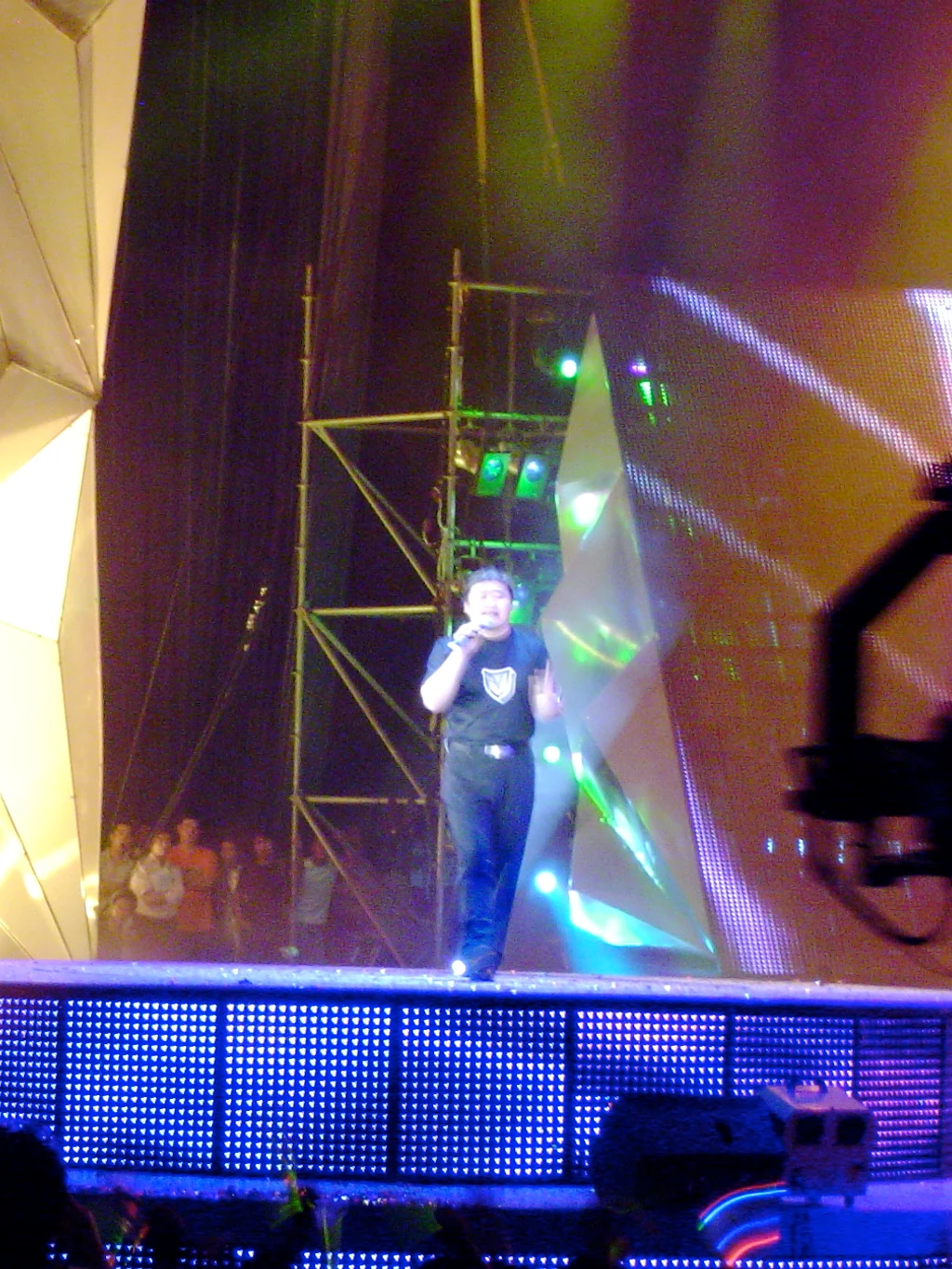
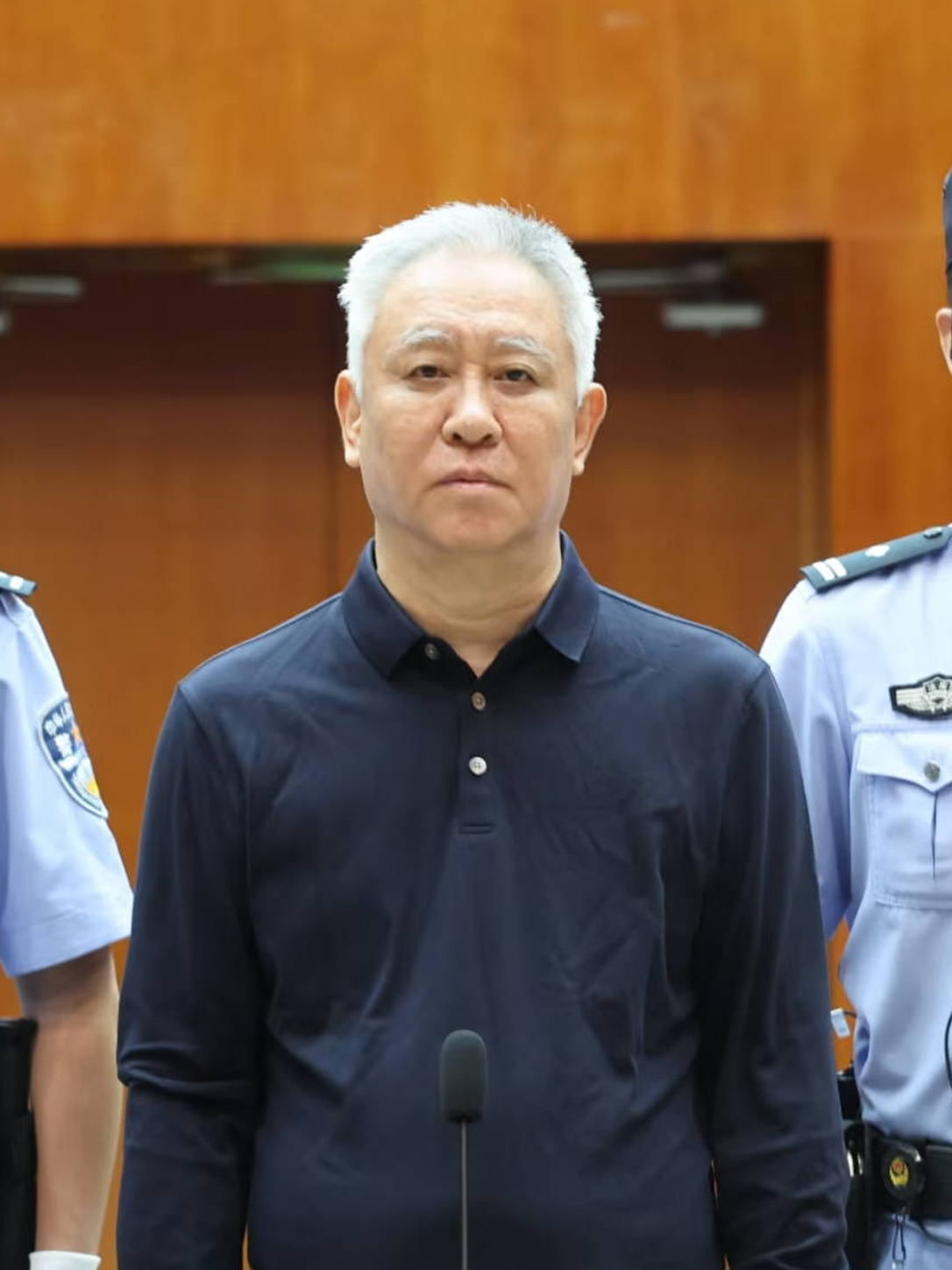
唱北京奥运会主题歌《我和你》的歌手刘欢去世,享年63岁
Liu Huan, Who Sang the 2008 Beijing Olympics Theme 'You and Me,' Dies at 63
3 min
What is on the HSK 6 word list?
In HSK 3.0, the exam from 13 December 2026, HSK 6 has 5,399 words. Of those, 1,800 are new at this level and the rest come from HSK 1–5. The old HSK 2.0 list had 5,000.
They cover chengyu, formal and classical register, and the layered vocabulary of serious written Chinese.
HSK 6 word list
All 5,334 words below, straight from the official HSK 3.0 syllabus. The 1,777 words new at HSK 6 come first, then earlier levels. The syllabus counts 5,399 entries because a few words are listed once per reading; each appears here once, with every reading.
Pinyin comes from the syllabus and definitions from CC-CEDICT. Tap any word to see its other senses without leaving the list. Words with a full Fluentide entry — character breakdown, usage notes, example sentences — link out from there.
Showing 5051–5100 of 5,334 · page 102 of 107
菜càiHSK 1vegetable
- vegetable
- greens (CL:棵)
- dish (of food) (CL:样,道,盘)
- (of one's skills etc) weak
- poor
- (coll.) (one's) type
茶cháHSK 1tea
- tea
- tea plant
- CL:杯,壶
唱chàngHSK 1to sing
- to sing
- to call loudly
- to chant
超市chāoshìHSK 1supermarket (abbr. for 超级市场)
- supermarket (abbr. for 超级市场)
- CL:家
车chēHSK 1car
- car
- vehicle
- CL:辆
- machine
- to shape with a lathe
- Kangxi radical 159
- war chariot (archaic)
- rook (in Chinese chess)
- rook (in chess)
- surname Che
吃chīHSK 1to eat
- to eat
- to consume
- to eat at (a cafeteria etc)
- to eradicate
- to destroy
- to absorb
- to suffer (shock, injury, defeat etc)
- variant of 吃
出租车chūzūchēHSK 1taxi
- taxi
- (Tw) rental car
穿chuānHSK 1to bore through
- to bore through
- to pierce
- to perforate
- to go through (e.g. a tunnel)
- to cross (e.g. a street)
- to thread
- to string together
- to wear
- to put on (clothes, shoes etc.)
- verb complement indicating thoroughness or completion
打电话dǎ diànhuàHSK 1to make a telephone call
- to make a telephone call
大dàHSK 1big
- big
- large
- great
- older (than another person)
- eldest (as in 大姐)
- greatly
- freely
- fully
- (dialect) father
- (dialect) uncle (father's brother)
- see 大夫
大家dàjiāHSK 1everyone
- everyone
- influential family
- great expert
大学dàxuéHSK 1university
- university
- college
- CL:所
大学生dàxuéshēngHSK 1university student
- university student
- college student
到dàoHSK 1to reach
- to reach
- to arrive
- to leave for
- to go to
- to (a place)
- until (a time)
- up to (a point)
- (verb complement indicating arriving at a place or reaching a point)
- considerate
- thoughtful
- thorough
的deHSK 1of
- of
- ~'s (possessive particle)
- (used after an attribute when it modifies a noun)
- (used at the end of a declarative sentence for emphasis)
- (used after a noun, verb or adjective to form a nominal expression, as in 皮革的 "one made of leather" or 跑堂儿的 "a waiter (literally, one who runs back and forth in a restaurant)" or 新的 "new one")
- also pr. or in poetry and songs
- a taxi
- a cab (abbr. for 的士)
- really and truly
- (bound form) bull's-eye
- target
弟弟dìdiHSK 1younger brother
- younger brother
- CL:个,位
第dìHSK 1(prefix indicating ordinal number, as in 第六 "sixth")
- (prefix indicating ordinal number, as in 第六 "sixth")
- (literary) grades in which successful candidates in the imperial examinations were placed
- (old) residence of a high official
- (literary) but
- however
- (literary) only
- just
点diǎnHSK 1to touch briefly
- to touch briefly
- to tap
- to mark with a dot
- to check off (on a list)
- to order (food etc)
- to select
- to mention
- to bring up (a topic or person)
- to hint at
- to imply
- to administer (eye medicine etc) in drops
- to light (a fire, a lamp etc)
- to ignite
- to nod (one's head) in agreement
- to beckon by moving (one's hand) up and down
- point
- dot
- spot
- speck
- dot stroke in Chinese characters
- (math.) decimal point
- point in time or space
- (after a number) o'clock
- a small amount
- a bit
- (after a verb or adjective) a bit more
- classifier for small amounts
电话diànhuàHSK 1telephone
- telephone
- CL:部
- phone call
- CL:通
- phone number
电脑diànnǎoHSK 1computer
- computer
- CL:台
电视diànshìHSK 1television
- television
- TV
- CL:台,部
电影diànyǐngHSK 1movie
- movie
- film
- CL:部
电影院diànyǐngyuànHSK 1cinema
- cinema
- movie theater
- CL:家,座
店diànHSK 1inn
- inn
- old-style hotel (CL:家)
- (bound form) shop
- store
东西dōngxiHSK 1east and west
- east and west
都dōuHSK 1all
- all
- both
- entirely
- (used for emphasis) even
- already
- (not) at all
- capital city
- metropolis
- surname Du
读dúHSK 1to read out
- to read out
- to read aloud
- to read
- to attend (school)
- to study (a subject in school)
- to pronounce
- comma
- phrase marked by pause
读书dúshūHSK 1to read a book
- to read a book
- to study
- to attend school
对duìHSK 1right
- right
- correct
- towards
- at
- for
- concerning
- regarding
- to treat (sb a certain way)
- to face
- (bound form) opposite
- facing
- matching
- to match together
- to adjust
- to fit
- to suit
- to answer
- to reply
- to add
- to pour in (a fluid)
- to check
- to compare
- classifier: couple
- pair
对不起duìbuqǐHSK 1I'm sorry
- I'm sorry
- excuse me
- I beg your pardon
- to let (sb) down
- to disappoint
多duōHSK 1many
- many
- much
- more
- a lot of
- too many
- in excess
- (after a numeral) ... odd
- how (to what extent) (Taiwan pr. )
- (bound form) multi-
- poly-
多少duōshaoHSK 1number
- number
- amount
- somewhat
儿子érziHSK 1son
二èrHSK 1two
- two
- 2
- (Beijing dialect) stupid
饭fànHSK 1cooked rice
- cooked rice
- CL:碗
- meal
- CL:顿
- (loanword) fan
- devotee
饭店fàndiànHSK 1restaurant
- restaurant
- hotel
- CL:家
房间fángjiānHSK 1room
飞机fēijīHSK 1airplane
- airplane
- CL:架
非常fēichángHSK 1very
- very
- really
- unusual
- extraordinary
分fēnHSK 1to divide
- to divide
- to separate
- to distribute
- to allocate
- to distinguish (good and bad)
- (bound form) branch of (an organization)
- sub- (as in 分局)
- fraction
- one tenth (of certain units)
- unit of length equivalent to 0.33 cm
- minute (unit of time)
- minute (angular measurement unit)
- a point (in sports or games)
- 0.01 yuan (unit of money)
- part
- share
- ingredient
- component
分钟fēnzhōngHSK 1minute
高兴gāoxìngHSK 1happy
- happy
- glad
- willing (to do sth)
- in a cheerful mood
哥哥gēgeHSK 1older brother
- older brother
- CL:个,位
歌gēHSK 1song (CL:首,支)
- song (CL:首,支)
- (bound form) to sing
- variant of 歌
个gèHSK 1(classifier used before a noun that has no specific classifier)
- (classifier used before a noun that has no specific classifier)
- (bound form) individual
- used in 自个儿
- variant of 个
给gěiHSK 1to
- to
- for
- for the benefit of
- to give
- to allow
- to do sth (for sb)
- (grammatical equivalent of 被)
- (grammatical equivalent of 把)
- (sentence intensifier)
- (bound form) to supply
- to provide
- (literary) sufficient
- abundant
工作gōngzuòHSK 1to work
- to work
- (of a machine) to operate
- job
- work
- task
- CL:个,份,项
公司gōngsīHSK 1company
- company
- firm
- corporation
- CL:家
狗gǒuHSK 1dog
贵guìHSK 1expensive
- expensive
- (bound form) highly valued
- precious
- (bound form) noble
- of high rank
- (prefix) (honorific) your
- short name for Guizhou 贵州
How to actually learn HSK 6 vocabulary
A word list is a checklist, not a method. Recognising a word on a page is a different skill from catching it at speed in a sentence — and the HSK listening section only tests the second one.
Read the list once, do not memorise it
You are looking for which words feel unfamiliar, not trying to learn them here.
Listen at your level daily
Fluentide's HSK 6 episodes are written inside this vocabulary band, so the words arrive in sentences instead of flashcards.
Look a word up only after you have heard it
A word you have already met in audio sticks in one reading. A word you meet cold takes many.
Come back to this list monthly
Use it as a progress check, not a study plan. The gaps you find are what to listen for next.
HSK 6 episodes to hear these words in
Every episode below is written inside the HSK 6 word band and read at HSK 6 speed. Press play — no account needed for the first few.

























































































































































































































HSK 5–6 Chinese listening episodes
Showing 12 of 251
The method in practice
Hear HSK 6 vocabulary in real Mandarin
Every HSK 6 episode is written inside this word band and read at HSK 6 speed, so words stick because you have heard them in a sentence. Full transcript, pinyin toggle, and line-by-line English on every episode. Five free episodes after a one-tap magic-link sign-in — no password, no payment.