

HSK 6 Vocabulary List: 5,399 Words (HSK 3.0)
In HSK 3.0, HSK 6 has 5,399 words in total, 1,800 of them new at this level. They cover chengyu, formal and classical register, and the layered vocabulary of serious written Chinese.
By Haoshan HongNative Mandarin speakerUpdated September 2026
Hear HSK 6 words in a real story

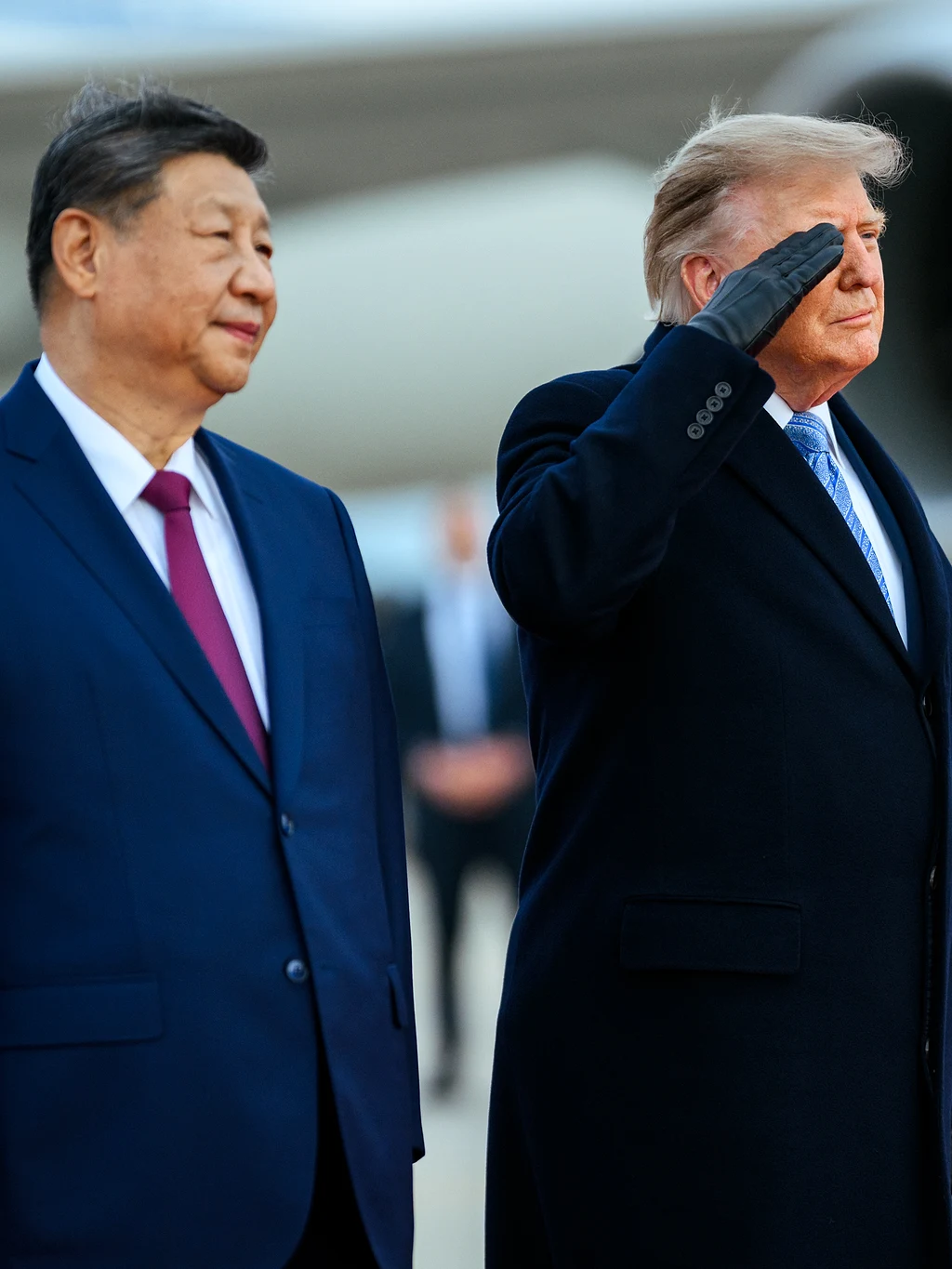
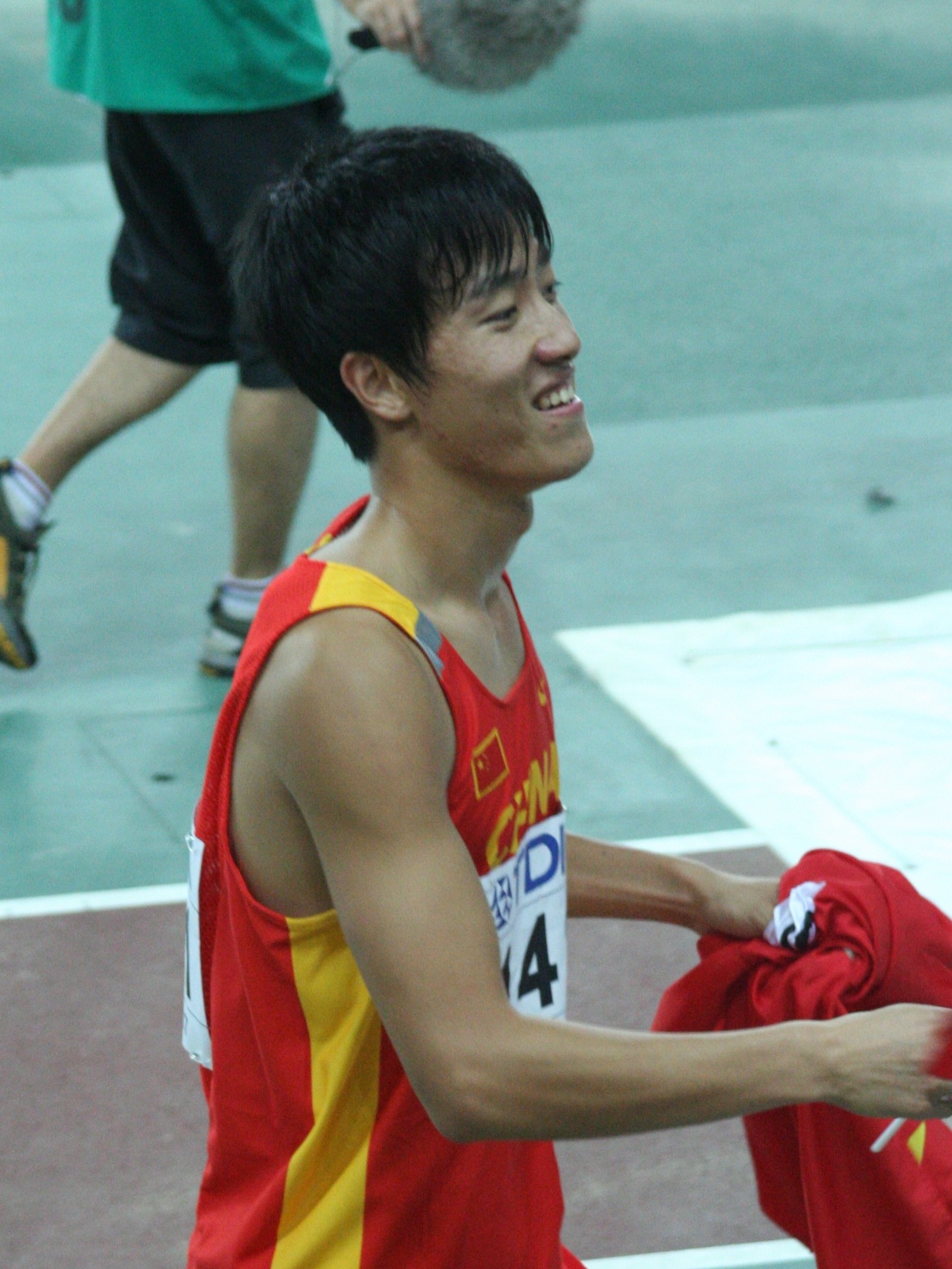
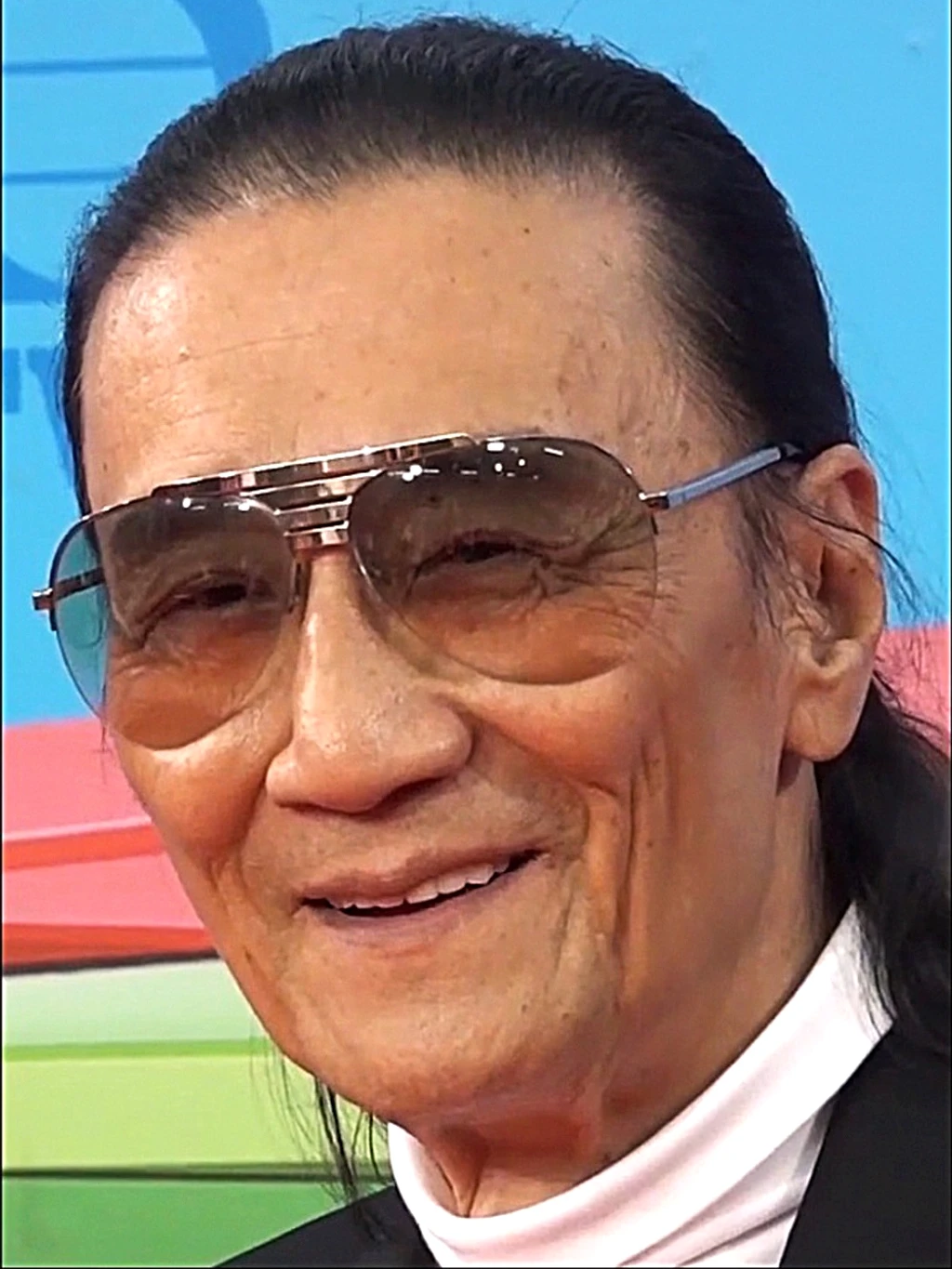
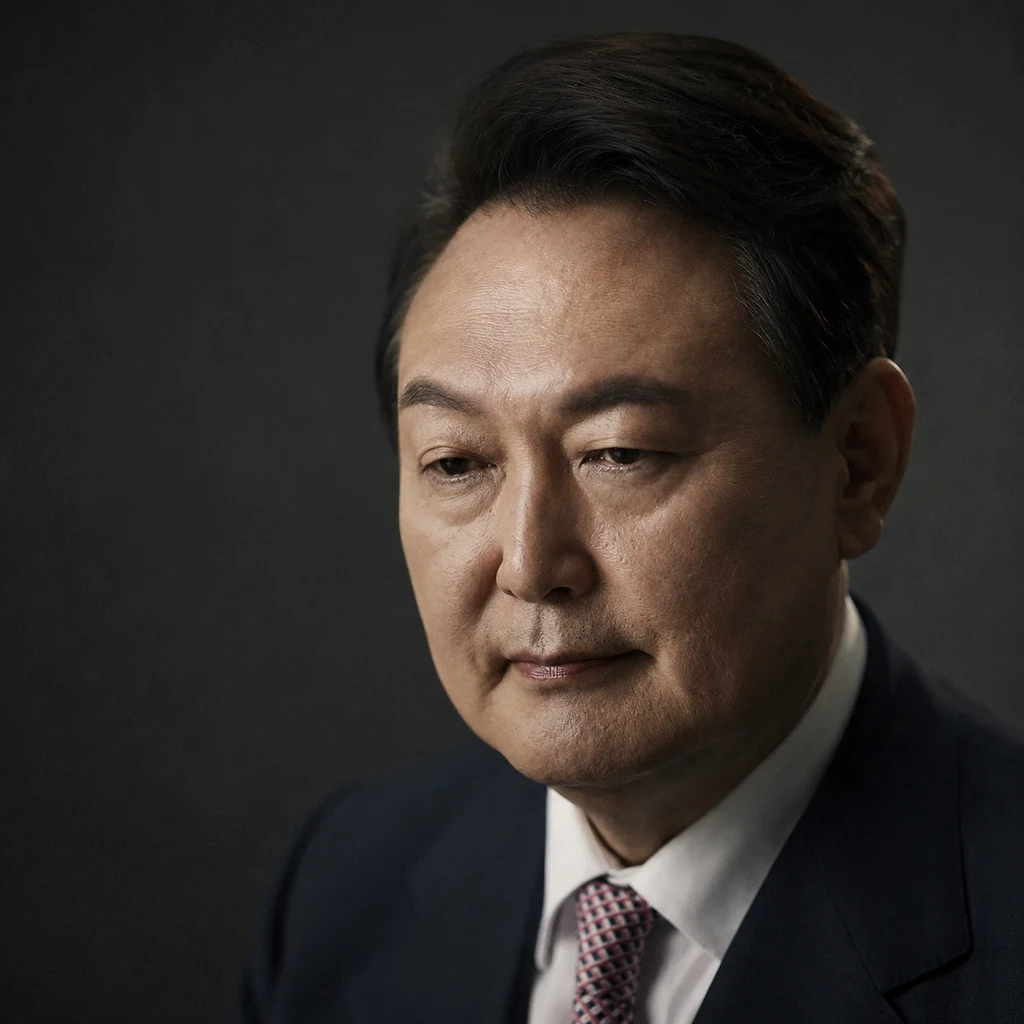
唱北京奥运会主题歌《我和你》的歌手刘欢去世,享年63岁
Liu Huan, Who Sang the 2008 Beijing Olympics Theme 'You and Me,' Dies at 63
3 min
What is on the HSK 6 word list?
In HSK 3.0, the exam from 13 December 2026, HSK 6 has 5,399 words. Of those, 1,800 are new at this level and the rest come from HSK 1–5. The old HSK 2.0 list had 5,000.
They cover chengyu, formal and classical register, and the layered vocabulary of serious written Chinese.
HSK 6 word list
All 5,334 words below, straight from the official HSK 3.0 syllabus. The 1,777 words new at HSK 6 come first, then earlier levels. The syllabus counts 5,399 entries because a few words are listed once per reading; each appears here once, with every reading.
Pinyin comes from the syllabus and definitions from CC-CEDICT. Tap any word to see its other senses without leaving the list. Words with a full Fluentide entry — character breakdown, usage notes, example sentences — link out from there.
Showing 5001–5050 of 5,334 · page 101 of 107
药yàoHSK 2leaf of the iris
- leaf of the iris
- medicine
- drug
- substance used for a specific purpose (e.g. poisoning, explosion, fermenting)
- CL:种,服,味
- to poison
- variant of 药
药店yàodiànHSK 2pharmacy
- pharmacy
- drugstore
爷爷yéyeHSK 2(coll.) paternal grandfather
- (coll.) paternal grandfather
- grandpa
一会儿yíhuìrHSK 2a moment
- a moment
- a while
- in a moment
- now...now...
- also pr.
一起yìqǐHSK 2(in) the same place
- (in) the same place
- together
- in company (with)
- altogether
- in total
- an instance of
- a case of (murder, accident, dispute etc)
已经yǐjīngHSK 2already
意思yìsiHSK 2idea
- idea
- opinion
- meaning
- wish
- desire
- interest
- fun
- token of appreciation, affection etc
- CL:个
- to give as a small token
- to do sth as a gesture of goodwill etc
因为yīnwèiHSK 2because
- because
- owing to
- on account of
阴yīnHSK 2overcast (weather)
- overcast (weather)
- cloudy
- shady
- Yin (the negative principle of Yin and Yang)
- negative (electric.)
- feminine
- moon
- implicit
- hidden
- genitalia
- surname Yin
- variant of 阴
游yóuHSK 2to swim
- to swim
- to walk
- to tour
- to roam
- to travel
- surname You
- variant of 游
游泳yóuyǒngHSK 2swimming
- swimming
- to swim
有时yǒushíHSK 2sometimes
- sometimes
- now and then
有意思yǒu yìsiHSK 2interesting
- interesting
- meaningful
- enjoyable
- fun
右yòuHSK 2(bound form) right
- (bound form) right
- right-hand side
- (bound form) (politics) right of center
- (bound form) (old) west
- (literary) the right side as the side of precedence
右边yòubianHSK 2right side
- right side
- right, to the right
鱼yúHSK 2fish (CL:条,尾)
- fish (CL:条,尾)
- used in the names of various aquatic animals that are not fish (including abalone 鲍鱼, alligators and crocodiles 鳄鱼 and octopi 章鱼)
- surname Yu
远yuǎnHSK 2far
- far
- distant
- remote
- (intensifier in a comparison) by far
- much (lower etc)
- to distance oneself from (classical)
运动yùndòngHSK 2to move
- to move
- to exercise
- sports
- exercise
- motion
- movement
- campaign
- CL:场
站zhànHSK 2station
- station
- to stand
- to halt
- to stop
- branch of a company or organization
- website
长cháng / zhǎngHSK 2long
- long
- (bound form) length
- (bound form) strong point
- forte
- (bound form) to be good at
- (literary) surplus
- spare (Taiwan pr. )
- chief
- head
- elder
- to grow
- to develop
- to increase
- to enhance
丈夫zhàngfuHSK 2husband
这么zhèmeHSK 2so much
- so much
- this much
- how much?
- this way
- like this
这样zhèyàngHSK 2this way
- this way
- like this
- so
- (before a noun) this kind of
- such
着zhe / zháoHSK 2aspect particle indicating action in progress or ongoing state
- aspect particle indicating action in progress or ongoing state
- a move in chess (Taiwan pr. )
- trick
- tactic
- (dialect) okay
- all right
- (dialect) to put in
- to add
- to touch
- to come in contact with
- to feel
- to be affected by
- to catch fire
- to burn
- (coll.) to fall asleep
- (after a verb) hitting the mark
- succeeding in
- to wear (clothes)
- to contact
- to use
- to apply
- variant of 着
- variant of 着
- variant of 着
- variant of 着
正zhèngHSK 2straight
- straight
- upright
- proper
- main
- principal
- to correct
- to rectify
- exactly
- just (at that time)
- right (in that place)
- (math.) positive
- first month of the lunar year
周zhōuHSK 2to make a circuit
- to make a circuit
- to circle
- circle
- circumference
- lap
- cycle
- complete
- all
- all over
- thorough
- to help financially
- week
- weekly
- surname Zhou
- Zhou Dynasty (1046–256 BC)
- variant of 周
准备zhǔnbèiHSK 2preparation
- preparation
- to prepare
- to intend
- to be about to
- reserve (fund)
自己zìjǐHSK 2oneself
- oneself
- (attributive) one's own
走zǒuHSK 2to walk
- to walk
- to go
- to run
- to move (of vehicle)
- to visit
- to leave
- to go away
- to die (euph.)
- from
- through
- away (in compound verbs, such as 撤走)
- to change (shape, form, meaning)
走路zǒulùHSK 2to walk
- to walk
- to go on foot
- to leave
- to depart
- (informal) to clear off
- to beat it
- (of sb who gets fired or resigns) to leave the job
- to get out
足球zúqiúHSK 2soccer
- soccer
- football
- a soccer ball
- a football
最zuìHSK 2(before an adjective or verb) to the highest degree
- (before an adjective or verb) to the highest degree
- (the) most ...
- -est
- (after 之) best or most extreme example (e.g. 世界之最 "the greatest in the world")
- variant of 最
- old variant of 最
左zuǒHSK 2left
- left
- the Left (politics)
- east
- unorthodox
- queer
- wrong
- differing
- opposite
- surname Zuo
- variant of 佐
左边zuǒbianHSK 2left
- left
- the left side
- to the left of
爱àiHSK 1to love
- to love
- to be fond of
- to like
- affection
- to be inclined (to do sth)
- to tend to (happen)
八bāHSK 1eight
爸爸bàbaHSK 1(coll.) father
- (coll.) father
- dad
- CL:位
吧baHSK 1(modal particle indicating suggestion or surmise)
- (modal particle indicating suggestion or surmise)
- ...right?
- ...OK?
- ...I presume.
- bar (loanword) (serving drinks, or providing Internet access etc)
- to puff (on a pipe etc)
- (onom.) bang
- (onom.) smack!
- abbr. for 贴吧
白天báitiānHSK 1daytime
- daytime
- during the day
- day
- CL:个
百bǎiHSK 1hundred
- hundred
- numerous
- all kinds of
- surname Bai
半bànHSK 1half
- half
- semi-
- incomplete
- (after a number) and a half
包子bāoziHSK 1baozi
- baozi
- bao (steamed stuffed bun)
杯子bēiziHSK 1cup
- cup
- glass
- CL:个,只
本běnHSK 1(bound form) root
- (bound form) root
- stem
- (bound form) origin
- source
- (bound form) one's own
- this
- (bound form) this
- the current (year etc)
- (bound form) original
- (bound form) inherent
- originally
- initially
- capital
- principal
- classifier for books, periodicals, files etc
边biānHSK 1side
- side
- edge
- margin
- border
- boundary
- CL:个
- simultaneously
- suffix of a noun of locality
便宜piányiHSK 1cheap
- cheap
- inexpensive
- a petty advantage
- to let sb off lightly
病bìngHSK 1illness
- illness
- CL:场
- disease
- to fall ill
- defect
不bùHSK 1no
- no
- not so
- (bound form) not
- un-
不客气bú kèqiHSK 1you're welcome
- you're welcome
- don't mention it
- impolite
- rude
- blunt
不要búyàoHSK 1don't!
- don't!
- must not
How to actually learn HSK 6 vocabulary
A word list is a checklist, not a method. Recognising a word on a page is a different skill from catching it at speed in a sentence — and the HSK listening section only tests the second one.
Read the list once, do not memorise it
You are looking for which words feel unfamiliar, not trying to learn them here.
Listen at your level daily
Fluentide's HSK 6 episodes are written inside this vocabulary band, so the words arrive in sentences instead of flashcards.
Look a word up only after you have heard it
A word you have already met in audio sticks in one reading. A word you meet cold takes many.
Come back to this list monthly
Use it as a progress check, not a study plan. The gaps you find are what to listen for next.
HSK 6 episodes to hear these words in
Every episode below is written inside the HSK 6 word band and read at HSK 6 speed. Press play — no account needed for the first few.


























































































































































































































HSK 5–6 Chinese listening episodes
Showing 12 of 251
The method in practice
Hear HSK 6 vocabulary in real Mandarin
Every HSK 6 episode is written inside this word band and read at HSK 6 speed, so words stick because you have heard them in a sentence. Full transcript, pinyin toggle, and line-by-line English on every episode. Five free episodes after a one-tap magic-link sign-in — no password, no payment.