

HSK 6 Vocabulary List: 5,399 Words (HSK 3.0)
In HSK 3.0, HSK 6 has 5,399 words in total, 1,800 of them new at this level. They cover chengyu, formal and classical register, and the layered vocabulary of serious written Chinese.
By Haoshan Hong · Native Mandarin speaker · Updated September 2026
Hear HSK 6 words in a real story

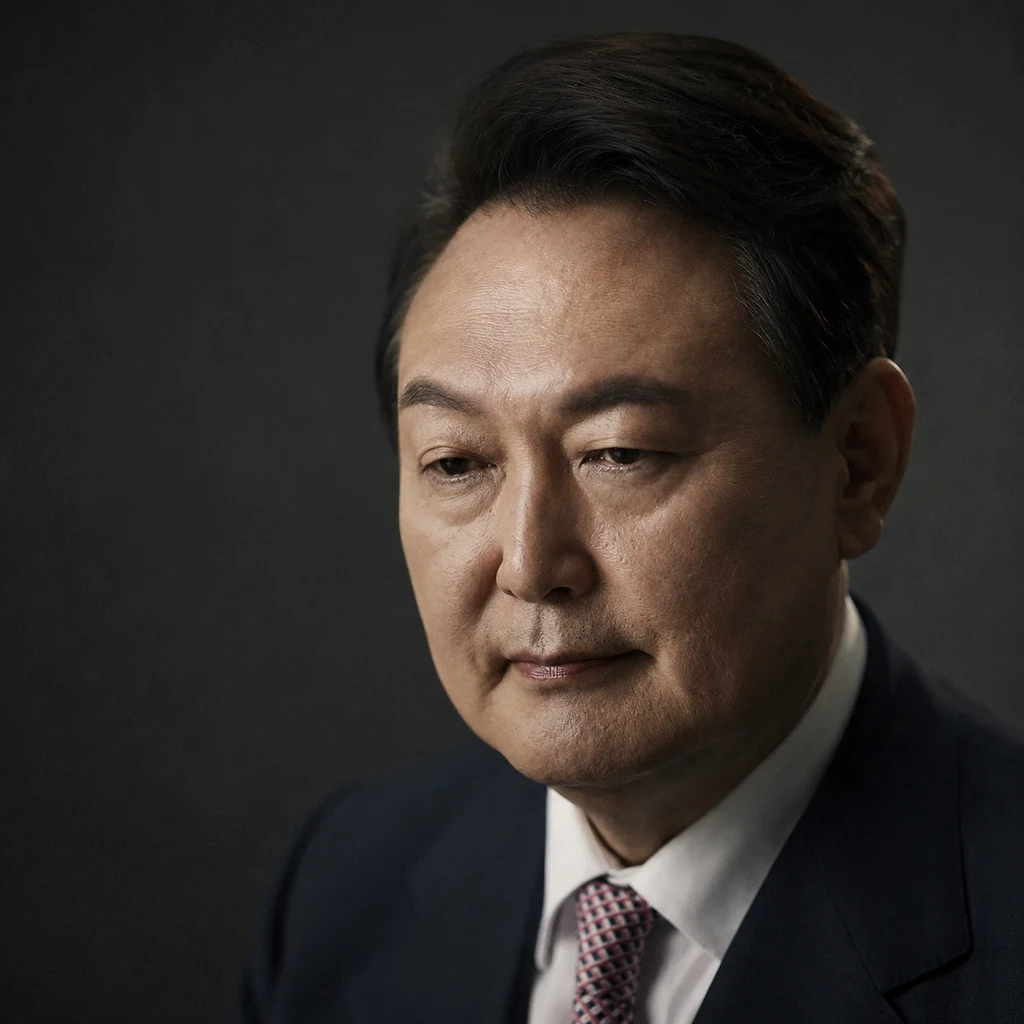
唱北京奥运会主题歌《我和你》的歌手刘欢去世,享年63岁
Liu Huan, Who Sang the 2008 Beijing Olympics Theme 'You and Me,' Dies at 63
3 min
What is on the HSK 6 word list?
In HSK 3.0, the exam from 13 December 2026, HSK 6 has 5,399 words. Of those, 1,800 are new at this level and the rest come from HSK 1–5. The old HSK 2.0 list had 5,000.
They cover chengyu, formal and classical register, and the layered vocabulary of serious written Chinese.
HSK 6 word list
All 5,334 words below, straight from the official HSK 3.0 syllabus. The 1,777 words new at HSK 6 come first, then earlier levels. The syllabus counts 5,399 entries because a few words are listed once per reading; each appears here once, with every reading.
Pinyin comes from the syllabus and definitions from CC-CEDICT. Tap any word to see its other senses without leaving the list. Words with a full Fluentide entry — character breakdown, usage notes, example sentences — link out from there.
Showing 1351–1400 of 5,334 · page 28 of 107
维生素wéishēngsùHSK 6vitamin
- vitamin
委屈wěiquHSK 6wronged
- wronged
- aggrieved
- to inconvenience
- to put (sb) at a disadvantage
- to do sb wrong
- sense of being wronged
委托wěituōHSK 6to entrust
- to entrust
- to trust
- to commission
为此wèicǐHSK 6for this reason
- for this reason
- with regards to this
- in this respect
- in order to do this
- to this end
为何wèihéHSK 6why
- why
为难wéinánHSK 6to feel embarrassed or awkward
- to feel embarrassed or awkward
- to make things difficult (for someone)
- to find things difficult (to do or manage)
为期wéiqīHSK 6(to be done) by (a certain date)
- (to be done) by (a certain date)
- lasting (a certain time)
为止wéizhǐHSK 6until
- until
- (used in combination with words like 到 or 至 in constructs of the form 到...到...为止)
未wèiHSK 6not yet
- not yet
- did not
- have not
- not
- 8th earthly branch: 1-3 p.m., 6th solar month (7th July-6th August), year of the Sheep
- ancient Chinese compass point: 210°
未必wèibìHSK 6not necessarily
- not necessarily
- maybe not
未成年人wèichéngniánrénHSK 6minor (i.e. person under 18)
- minor (i.e. person under 18)
味觉wèijuéHSK 6sense of taste
- sense of taste
- gustation
胃口wèikǒuHSK 6appetite
- appetite
- liking
温和wēnhéHSK 6mild
- mild
- gentle
- moderate
温柔wēnróuHSK 6gentle and soft
- gentle and soft
- tender
- sweet (commonly used to describe a girl or woman)
文档wéndàngHSK 6(computer) file
- (computer) file
- document
- documentation
文具wénjùHSK 6stationery
- stationery
- item of stationery (pen, pencil, eraser, pencil sharpener etc)
文科wénkēHSK 6liberal arts
- liberal arts
- humanities
文明wénmíngHSK 6civilized
- civilized
- civilization
- culture
- CL:个
文物wénwùHSK 6cultural relic
- cultural relic
- historical relic
- CL:件,个
文献wénxiànHSK 6reference material (used in scholarly study)
- reference material (used in scholarly study)
文艺wényìHSK 6literature and art
- literature and art
闻名wénmíngHSK 6well-known
- well-known
- famous
- renowned
- eminent
乌龟wūguīHSK 6tortoise
- tortoise
- cuckold
污水wūshuǐHSK 6sewage
- sewage
无所谓wúsuǒwèiHSK 6to be indifferent
- to be indifferent
- not to matter
- cannot be said to be
无疑wúyíHSK 6undoubtedly
- undoubtedly
- without doubt
- for sure
武器wǔqìHSK 6weapon
- weapon
- arms
- CL:种
物体wùtǐHSK 6object
- object
- body
- substance
误wùHSK 6mistake
- mistake
- error
- to miss
- to harm
- to delay
- to neglect
- mistakenly
误解wùjiěHSK 6to misunderstand
- to misunderstand
- misunderstanding
吸取xīqǔHSK 6to absorb
- to absorb
- to draw (a lesson, insight etc)
- to assimilate
习俗xísúHSK 6custom
- custom
- tradition
- local tradition
- convention
媳妇xífuHSK 6daughter-in-law
- daughter-in-law
- wife of a younger brother or relative of the younger generation
洗漱xǐshùHSK 6to wash the face and rinse the mouth
- to wash the face and rinse the mouth
喜剧xǐjùHSK 6a comedy
- a comedy
- CL:部,出
喜事xǐshìHSK 6happy occasion
- happy occasion
- wedding
戏曲xìqǔHSK 6Chinese opera
- Chinese opera
系列xìlièHSK 6series
- series
- set
细胞xìbāoHSK 6cell (biology)
- cell (biology)
细菌xìjūnHSK 6bacterium
- bacterium
- germ
细致xìzhìHSK 6delicate
- delicate
- fine
- careful
- meticulous
- painstaking
下单xiàdānHSK 6to place an order
- to place an order
- to order
下功夫xià gōngfuHSK 6variant of 下工夫
- variant of 下工夫
下线xiàxiànHSK 6to go offline
- to go offline
- (of a product) to roll off the assembly line
- downline (person below oneself in a pyramid scheme)
下旬xiàxúnHSK 6last third of the month
- last third of the month
吓xiàHSK 6to frighten
- to frighten
- to scare
- to scare
- to intimidate
- to threaten
- (interjection showing disapproval) tut-tut
- (interjection showing astonishment)
夏令营xiàlìngyíngHSK 6summer camp
- summer camp
先前xiānqiánHSK 6before
- before
- previously
鲜明xiānmíngHSK 6(of colors) bright
- (of colors) bright
- fresh and clear
- clear-cut
- distinct
How to actually learn HSK 6 vocabulary
A word list is a checklist, not a method. Recognising a word on a page is a different skill from catching it at speed in a sentence — and the HSK listening section only tests the second one.
Read the list once, do not memorise it
You are looking for which words feel unfamiliar, not trying to learn them here.
Listen at your level daily
Fluentide's HSK 6 episodes are written inside this vocabulary band, so the words arrive in sentences instead of flashcards.
Look a word up only after you have heard it
A word you have already met in audio sticks in one reading. A word you meet cold takes many.
Come back to this list monthly
Use it as a progress check, not a study plan. The gaps you find are what to listen for next.
HSK 6 episodes to hear these words in
Every episode below is written inside the HSK 6 word band and read at HSK 6 speed. Press play — no account needed for the first few.
HSK 1 Chinese listening episodes





































































































































































































































HSK 2 Chinese listening episodes

HSK 3–4 Chinese listening episodes

Showing 12 of 250
HSK 5–6 Chinese listening episodes
Showing 12 of 251
The method in practice
Hear HSK 6 vocabulary in real Mandarin
Every HSK 6 episode is written inside this word band and read at HSK 6 speed, so words stick because you have heard them in a sentence. Full transcript, pinyin toggle, and line-by-line English on every episode. Five free episodes after a one-tap magic-link sign-in — no password, no payment.