

HSK 6 Vocabulary List: 5,399 Words (HSK 3.0)
In HSK 3.0, HSK 6 has 5,399 words in total, 1,800 of them new at this level. They cover chengyu, formal and classical register, and the layered vocabulary of serious written Chinese.
By Haoshan Hong · Native Mandarin speaker · Updated September 2026
Hear HSK 6 words in a real story

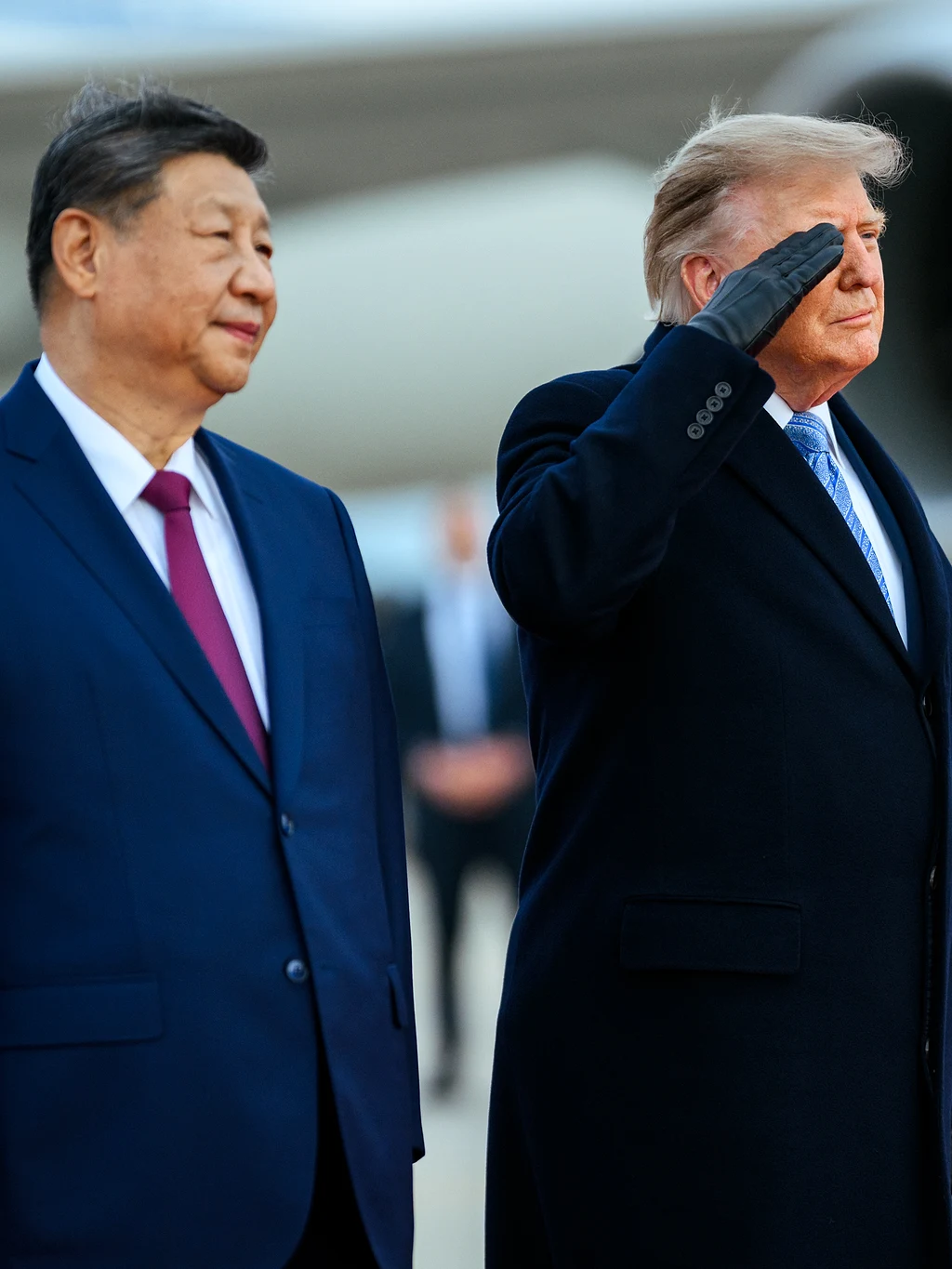
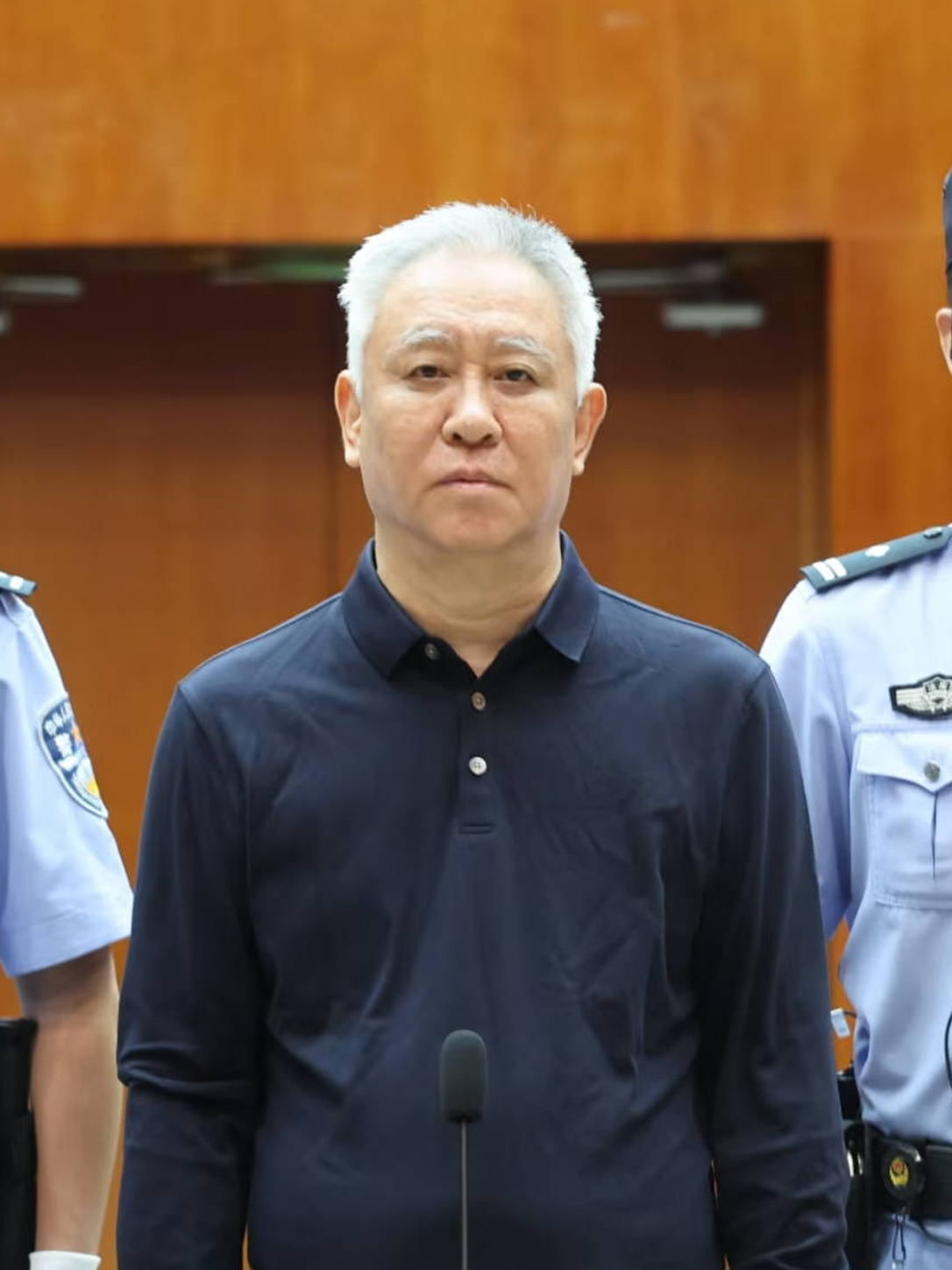
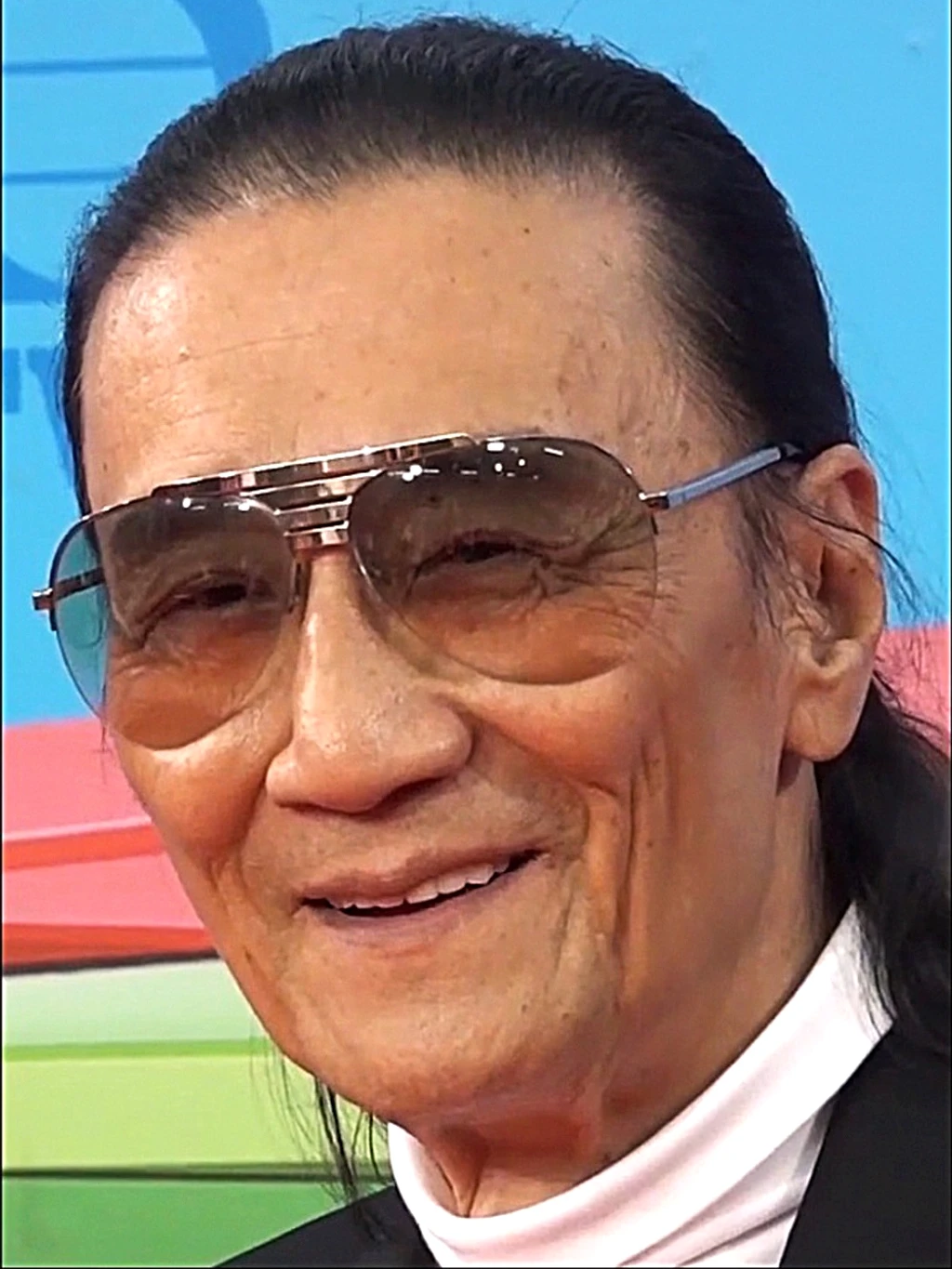
唱北京奥运会主题歌《我和你》的歌手刘欢去世,享年63岁
Liu Huan, Who Sang the 2008 Beijing Olympics Theme 'You and Me,' Dies at 63
3 min
What is on the HSK 6 word list?
In HSK 3.0, the exam from 13 December 2026, HSK 6 has 5,399 words. Of those, 1,800 are new at this level and the rest come from HSK 1–5. The old HSK 2.0 list had 5,000.
They cover chengyu, formal and classical register, and the layered vocabulary of serious written Chinese.
HSK 6 word list
All 5,334 words below, straight from the official HSK 3.0 syllabus. The 1,777 words new at HSK 6 come first, then earlier levels. The syllabus counts 5,399 entries because a few words are listed once per reading; each appears here once, with every reading.
Pinyin comes from the syllabus and definitions from CC-CEDICT. Tap any word to see its other senses without leaving the list. Words with a full Fluentide entry — character breakdown, usage notes, example sentences — link out from there.
Showing 1851–1900 of 5,334 · page 38 of 107
不良bùliángHSK 5bad
- bad
- harmful
- unhealthy
- (of a device, connection, material etc) defective
- faulty
不然bùránHSK 5not so
- not so
- no
- or else
- otherwise
- if not
- How about ...?
不幸búxìngHSK 5misfortune
- misfortune
- adversity
- unfortunate
- sad
- unfortunately
- CL:个
不要紧búyàojǐnHSK 5unimportant
- unimportant
- not serious
- it doesn't matter
- never mind
- it looks all right, but
不足bùzúHSK 5insufficient
- insufficient
- lacking
- deficiency
- not enough
- inadequate
- not worth
- cannot
- should not
步行bùxíngHSK 5to go on foot
- to go on foot
- to walk
裁判cáipànHSK 5(law) to judge
- (law) to judge
- to adjudicate
- verdict
- judgement
- (sports) to referee
- (sports) umpire
- referee
- judge
采访cǎifǎngHSK 5to interview
- to interview
- to gather news
- to hunt for and collect
- to cover
采取cǎiqǔHSK 5to adopt or carry out (measures, policies, course of action)
- to adopt or carry out (measures, policies, course of action)
- to take
采用cǎiyòngHSK 5to adopt
- to adopt
- to employ
- to use
彩色cǎisèHSK 5color
- color
- multicolored
参考cānkǎoHSK 5consultation
- consultation
- reference
- to consult
- to refer
参与cānyùHSK 5to participate (in sth)
- to participate (in sth)
餐饮cānyǐnHSK 5food and beverage
- food and beverage
- catering
- repast
藏cángHSK 5to conceal
- to conceal
- to hide away
- to harbor
- to store
- to collect
- storehouse
- depository
- Buddhist or Taoist scripture
- Tibetan ethnic group
- Tibet Autonomous Region (short name for 西藏自治区)
操作cāozuòHSK 5to work
- to work
- to operate
- to manipulate
册cèHSK 5book
- book
- booklet
- classifier for books
测cèHSK 5to survey
- to survey
- to measure
- to conjecture
测试cèshìHSK 5to test (machinery etc)
- to test (machinery etc)
- to test (a person's skill in a particular area)
- a test
- (computing) beta (version of software)
曾céngHSK 5once
- once
- already
- ever (in the past)
- former
- previously
- (past tense marker used before verb or clause)
- great- (grandfather, grandchild etc)
- surname Zeng
曾经céngjīngHSK 5once
- once
- already
- former
- previously
- ever
- (past tense marker used before verb or clause)
叉子chāziHSK 5fork
- fork
- CL:把
插chāHSK 5to insert
- to insert
- stick in
- pierce
- to take part in
- to interfere
- to interpose
- old variant of 插
差别chābiéHSK 5difference
- difference
- distinction
- disparity
差距chājùHSK 5disparity
- disparity
- gap
拆chāiHSK 5to tear open
- to tear open
- to tear down
- to tear apart
- to open
产chǎnHSK 5to give birth
- to give birth
- to reproduce
- to produce
- product
- resource
- estate
- property
- variant of 产
产量chǎnliàngHSK 5output
- output
产品chǎnpǐnHSK 5goods
- goods
- merchandise
- product
- CL:个
产业chǎnyèHSK 5industry
- industry
- estate
- property
- industrial
尝试chángshìHSK 5to try (to see what it's like or whether one can do it)
- to try (to see what it's like or whether one can do it)
常识chángshíHSK 5common sense
- common sense
- general knowledge
场所chǎngsuǒHSK 5location
- location
- place
超chāoHSK 5to exceed
- to exceed
- to overtake
- to surpass
- to transcend
- to pass
- to cross
- ultra-
- super-
超出chāochūHSK 5to exceed
- to exceed
- to overstep
- to go too far
- to encroach
超级chāojíHSK 5super-
- super-
- ultra-
- hyper-
超速chāosùHSK 5to exceed the speed limit
- to exceed the speed limit
- to speed
- high-speed
朝cháoHSK 5imperial or royal court
- imperial or royal court
- government
- dynasty
- reign of a sovereign or emperor
- court or assembly held by a sovereign or emperor
- to make a pilgrimage to
- facing
- towards
- morning
- abbr. for 朝鲜 Korea
吵chǎoHSK 5noisy
- noisy
- loud
- to quarrel
- to argue
- used in 吵吵
- Taiwan pr.
炒chǎoHSK 5to sauté
- to sauté
- to stir-fry
- to speculate (in real estate etc)
- to scalp
- to hype up
- to sack
- to fire (sb)
车祸chēhuòHSK 5traffic accident
- traffic accident
- car crash
- CL:起
车库chēkùHSK 5garage
- garage
车辆chēliàngHSK 5vehicle
- vehicle
车厢chēxiāngHSK 5carriage
- carriage
- CL:节
车主chēzhǔHSK 5vehicle owner
- vehicle owner
彻底chèdǐHSK 5thorough
- thorough
- thoroughly
- complete
沉chénHSK 5to submerge
- to submerge
- to immerse
- to sink
- to keep down
- to lower
- to drop
- deep
- profound
- heavy
- variant of 沉
沉默chénmòHSK 5taciturn
- taciturn
- uncommunicative
- silent
称chēngHSK 5to weigh
- to weigh
- to state
- to name
- name
- appellation
- to praise
- to fit
- to match
- to suit
- (coll.) to have
- to possess
- Taiwan pr.
- old variant of 秤
称为chēngwéiHSK 5to be called
- to be called
- to be known as
- to call it "..."
How to actually learn HSK 6 vocabulary
A word list is a checklist, not a method. Recognising a word on a page is a different skill from catching it at speed in a sentence — and the HSK listening section only tests the second one.
Read the list once, do not memorise it
You are looking for which words feel unfamiliar, not trying to learn them here.
Listen at your level daily
Fluentide's HSK 6 episodes are written inside this vocabulary band, so the words arrive in sentences instead of flashcards.
Look a word up only after you have heard it
A word you have already met in audio sticks in one reading. A word you meet cold takes many.
Come back to this list monthly
Use it as a progress check, not a study plan. The gaps you find are what to listen for next.
HSK 6 episodes to hear these words in
Every episode below is written inside the HSK 6 word band and read at HSK 6 speed. Press play — no account needed for the first few.
HSK 1 Chinese listening episodes
























































































































































































































HSK 2 Chinese listening episodes

HSK 3–4 Chinese listening episodes

Showing 12 of 250
HSK 5–6 Chinese listening episodes
Showing 12 of 251
The method in practice
Hear HSK 6 vocabulary in real Mandarin
Every HSK 6 episode is written inside this word band and read at HSK 6 speed, so words stick because you have heard them in a sentence. Full transcript, pinyin toggle, and line-by-line English on every episode. Five free episodes after a one-tap magic-link sign-in — no password, no payment.