

HSK 6 Vocabulary List: 5,399 Words (HSK 3.0)
In HSK 3.0, HSK 6 has 5,399 words in total, 1,800 of them new at this level. They cover chengyu, formal and classical register, and the layered vocabulary of serious written Chinese.
By Haoshan Hong · Native Mandarin speaker · Updated September 2026
Hear HSK 6 words in a real story

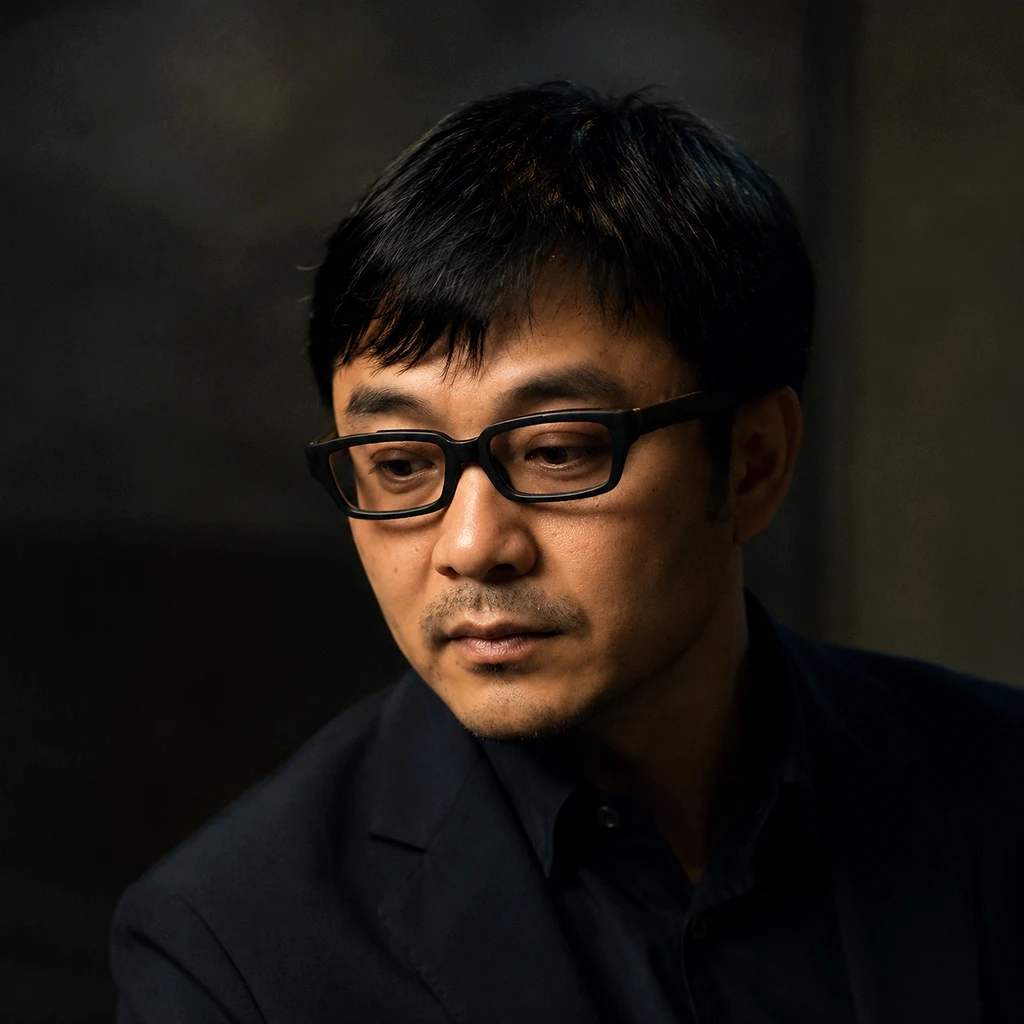
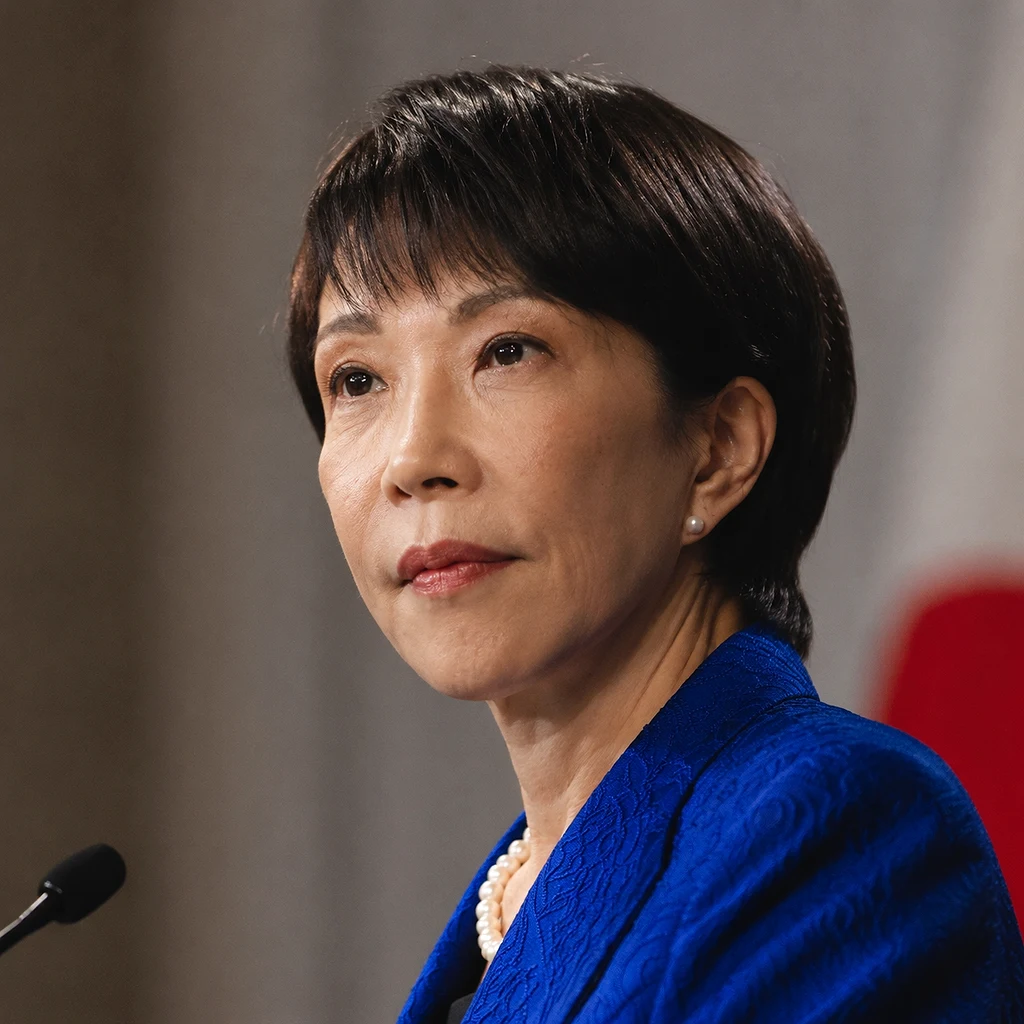
唱北京奥运会主题歌《我和你》的歌手刘欢去世,享年63岁
Liu Huan, Who Sang the 2008 Beijing Olympics Theme 'You and Me,' Dies at 63
3 min
What is on the HSK 6 word list?
In HSK 3.0, the exam from 13 December 2026, HSK 6 has 5,399 words. Of those, 1,800 are new at this level and the rest come from HSK 1–5. The old HSK 2.0 list had 5,000.
They cover chengyu, formal and classical register, and the layered vocabulary of serious written Chinese.
HSK 6 word list
All 5,334 words below, straight from the official HSK 3.0 syllabus. The 1,777 words new at HSK 6 come first, then earlier levels. The syllabus counts 5,399 entries because a few words are listed once per reading; each appears here once, with every reading.
Pinyin comes from the syllabus and definitions from CC-CEDICT. Tap any word to see its other senses without leaving the list. Words with a full Fluentide entry — character breakdown, usage notes, example sentences — link out from there.
Showing 2051–2100 of 5,334 · page 42 of 107
丢失diūshīHSK 5to lose
- to lose
- to misplace
动画dònghuàHSK 5animation
- animation
- cartoon
动人dòngrénHSK 5touching
- touching
- moving
动手dòngshǒuHSK 5to set about (a task)
- to set about (a task)
- to raise a hand to hit sb
- to touch
- to handle (typically used in cautioning sb *not* to touch sth)
冻dòngHSK 5to freeze
- to freeze
- to feel very cold
- aspic or jelly
洞dòngHSK 5cave
- cave
- hole
- zero (unambiguous spoken form when spelling out numbers)
- CL:个
- used in 洪洞 (the name of a place in Shanxi)
豆腐dòufuHSK 5tofu
- tofu
- bean curd
豆浆dòujiāngHSK 5soy milk
- soy milk
独立dúlìHSK 5independent
- independent
- independence
- to stand alone
独特dútèHSK 5unique
- unique
- distinctive
独自dúzìHSK 5alone
- alone
读音dúyīnHSK 5pronunciation
- pronunciation
- literary (rather than colloquial) pronunciation of a Chinese character
堵dǔHSK 5to block up (a road, pipe etc)
- to block up (a road, pipe etc)
- to stop up (a hole)
- (fig.) (of a person) choked up with anxiety or stress
- wall (literary)
- (classifier for walls)
度dùHSK 5to pass
- to pass
- to spend (time)
- measure
- limit
- extent
- degree of intensity
- degree (angles, temperature etc)
- kilowatt-hour
- classifier for events and occurrences
- to estimate
- Taiwan pr.
短处duǎnchùHSK 5shortcoming
- shortcoming
- defect
- fault
- one's weak points
短期duǎnqīHSK 5short-term
- short-term
断duànHSK 5to break
- to break
- to snap
- to cut off
- to give up or abstain from sth
- to judge
- (usu. used in the negative) absolutely
- definitely
- decidedly
堆duīHSK 5to pile up
- to pile up
- to heap up
- a mass
- pile
- heap
- stack
- large amount
队伍duìwuHSK 5ranks
- ranks
- troops
- queue
- line
- procession
- CL:个,支,条
对比duìbǐHSK 5to contrast
- to contrast
- contrast
- ratio
- CL:个
对待duìdàiHSK 5to treat
- to treat
- treatment
对手duìshǒuHSK 5opponent
- opponent
- rival
- competitor
- (well-matched) adversary
- match
对象duìxiàngHSK 5target
- target
- object
- partner
- boyfriend
- girlfriend
- CL:个
吨dūnHSK 5ton (loanword)
- ton (loanword)
- Taiwan pr.
朵duǒHSK 5flower
- flower
- earlobe
- fig. item on both sides
- classifier for flowers, clouds etc
- variant of 朵
躲duǒHSK 5to hide
- to hide
- to dodge
- to avoid
儿女érnǚHSK 5children
- children
- sons and daughters
- a young man and a young woman (in love)
二手èrshǒuHSK 5indirectly acquired
- indirectly acquired
- second-hand (information, equipment etc)
- assistant
二维码èrwéimǎHSK 52D barcode
- 2D barcode
- matrix code
- (esp.) QR code
发表fābiǎoHSK 5to issue
- to issue
- to publish
发布fābùHSK 5to release
- to release
- to issue
- to announce
- to distribute
发达fādáHSK 5well-developed
- well-developed
- flourishing
- to develop
- to promote
- to expand
- (literary) to achieve fame and fortune
- to prosper
发挥fāhuīHSK 5to display
- to display
- to exhibit
- to bring out implicit or innate qualities
- to express (a thought or moral)
- to develop (an idea)
- to elaborate (on a theme)
发明fāmíngHSK 5to invent
- to invent
- an invention
- CL:个
发起fāqǐHSK 5to originate
- to originate
- to initiate
- to launch (an attack, an initiative etc)
- to start
- to propose sth (for the first time)
发言fāyánHSK 5to make a speech
- to make a speech
- statement
- utterance
- CL:个
发音fāyīnHSK 5to pronounce
- to pronounce
- pronunciation
- to emit sound
罚fáHSK 5to punish
- to punish
- to penalize
- to fine
- variant of 罚
罚款fákuǎnHSK 5to fine
- to fine
- penalty
- fine (monetary)
法院fǎyuànHSK 5court of law
- court of law
- court
番茄fānqiéHSK 5tomato
- tomato
翻fānHSK 5to turn over
- to turn over
- to flip over
- to overturn
- to rummage through
- to translate
- to decode
- to double
- to climb over or into
- to cross
- variant of 翻
繁荣fánróngHSK 5prosperous
- prosperous
- booming
反fǎnHSK 5contrary
- contrary
- in reverse
- inside out or upside down
- to reverse
- to return
- to oppose
- opposite
- against
- anti-
- to rebel
- to use analogy
- instead
- abbr. for 反切 phonetic system
反而fǎn’érHSK 5on the contrary
- on the contrary
- instead
反复fǎnfùHSK 5repeatedly
- repeatedly
- over and over
- to upend
- unstable
- to come and go
- (of an illness) to return
反应fǎnyìngHSK 5to react
- to react
- to respond
- reaction
- response
- reply
- chemical reaction
- CL:个
反映fǎnyìngHSK 5to mirror
- to mirror
- to reflect
- mirror image
- reflection
- (fig.) to report
- to make known
- to render
反正fǎnzhèngHSK 5anyway
- anyway
- in any case
- to come over from the enemy's side
返回fǎnhuíHSK 5to return to
- to return to
- to come (or go) back
How to actually learn HSK 6 vocabulary
A word list is a checklist, not a method. Recognising a word on a page is a different skill from catching it at speed in a sentence — and the HSK listening section only tests the second one.
Read the list once, do not memorise it
You are looking for which words feel unfamiliar, not trying to learn them here.
Listen at your level daily
Fluentide's HSK 6 episodes are written inside this vocabulary band, so the words arrive in sentences instead of flashcards.
Look a word up only after you have heard it
A word you have already met in audio sticks in one reading. A word you meet cold takes many.
Come back to this list monthly
Use it as a progress check, not a study plan. The gaps you find are what to listen for next.
HSK 6 episodes to hear these words in
Every episode below is written inside the HSK 6 word band and read at HSK 6 speed. Press play — no account needed for the first few.
HSK 1 Chinese listening episodes









































































































































































































































HSK 2 Chinese listening episodes

HSK 3–4 Chinese listening episodes

Showing 12 of 250
HSK 5–6 Chinese listening episodes
Showing 12 of 251
The method in practice
Hear HSK 6 vocabulary in real Mandarin
Every HSK 6 episode is written inside this word band and read at HSK 6 speed, so words stick because you have heard them in a sentence. Full transcript, pinyin toggle, and line-by-line English on every episode. Five free episodes after a one-tap magic-link sign-in — no password, no payment.