

HSK 6 Vocabulary List: 5,399 Words (HSK 3.0)
In HSK 3.0, HSK 6 has 5,399 words in total, 1,800 of them new at this level. They cover chengyu, formal and classical register, and the layered vocabulary of serious written Chinese.
By Haoshan Hong · Native Mandarin speaker · Updated September 2026
Hear HSK 6 words in a real story

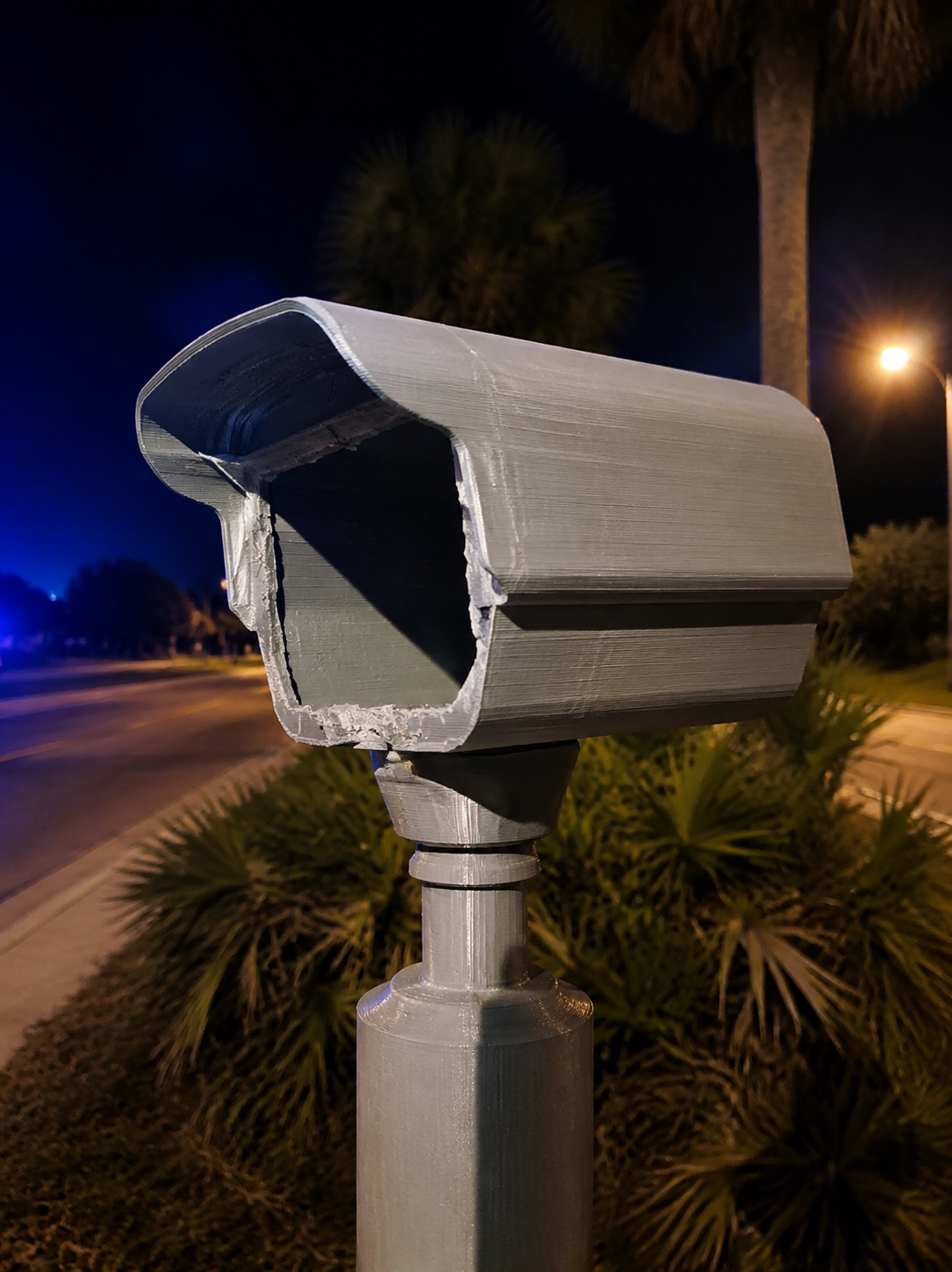
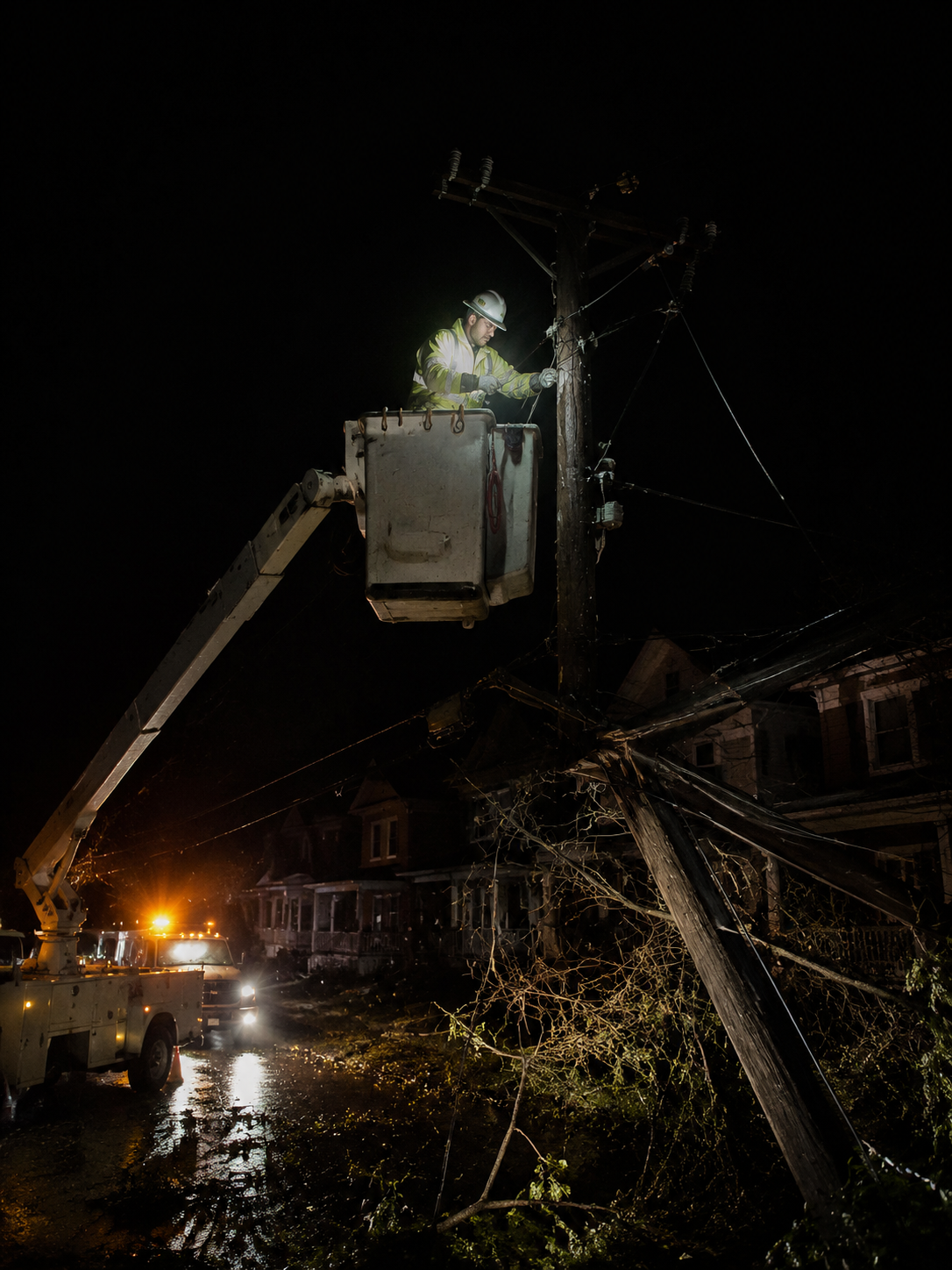
天上掉快递:亚马逊无人机让得州小城居民受不了
Boxes Falling From the Sky: Amazon's Delivery Drones Are Driving a Texas Suburb Up the Wall
3 min
What is on the HSK 6 word list?
In HSK 3.0, the exam from 13 December 2026, HSK 6 has 5,399 words. Of those, 1,800 are new at this level and the rest come from HSK 1–5. The old HSK 2.0 list had 5,000.
They cover chengyu, formal and classical register, and the layered vocabulary of serious written Chinese.
HSK 6 word list
All 5,334 words below, straight from the official HSK 3.0 syllabus. The 1,777 words new at HSK 6 come first, then earlier levels. The syllabus counts 5,399 entries because a few words are listed once per reading; each appears here once, with every reading.
Pinyin comes from the syllabus and definitions from CC-CEDICT. Tap any word to see its other senses without leaving the list. Words with a full Fluentide entry — character breakdown, usage notes, example sentences — link out from there.
Showing 2751–2800 of 5,334 · page 56 of 107
生物shēngwùHSK 5organism
- organism
- living creature
- life form
- (attributive) biological
- bio-
生肖shēngxiàoHSK 5one of the twelve animals symbolic of the earthly branches 地支
- one of the twelve animals symbolic of the earthly branches 地支
- animal from the Chinese zodiac
生长shēngzhǎngHSK 5to grow
- to grow
- to grow up
- to be brought up
省份shěngfènHSK 5province
- province
省会shěnghuìHSK 5provincial capital
- provincial capital
胜shèngHSK 5victory
- victory
- success
- to beat
- to defeat
- to surpass
- victorious
- superior to
- to get the better of
- better than
- surpassing
- superb (of vista)
- beautiful (scenery)
- wonderful (view)
- (Taiwan pr. ) able to bear
- equal to (a task)
胜利shènglìHSK 5victory
- victory
- CL:个
失恋shīliànHSK 5to lose one's love
- to lose one's love
- to break up (in a romantic relationship)
- to feel jilted
失眠shīmiánHSK 5to suffer from insomnia
- to suffer from insomnia
失误shīwùHSK 5lapse
- lapse
- mistake
- to make a mistake
- fault
- service fault (in volleyball, tennis etc)
失业shīyèHSK 5unemployment
- unemployment
- to lose one's job
诗shīHSK 5poem
- poem
- CL:首
- poetry
- verse
- abbr. for Shijing 诗经, the Book of Songs
诗人shīrénHSK 5bard
- bard
- poet
湿shīHSK 5moist
- moist
- wet
- variant of 湿
石头shítouHSK 5stone
- stone
- CL:块
时差shíchāHSK 5time difference
- time difference
- time lag
- jet lag
时常shíchángHSK 5often
- often
- frequently
时代shídàiHSK 5age
- age
- era
- epoch
- period (in one's life)
- CL:个
时刻shíkèHSK 5time
- time
- juncture
- moment
- period of time
- CL:个,段
- constantly
- always
时期shíqīHSK 5period
- period
- phase
- CL:个
实践shíjiànHSK 5practice
- practice
- to put into practice
- to live up to (a promise)
- to carry out (a project)
实力shílìHSK 5strength
- strength
实施shíshīHSK 5to implement
- to implement
- to carry out
实习shíxíHSK 5to practice
- to practice
- field work
- to intern
- internship
实现shíxiànHSK 5to achieve
- to achieve
- to implement
- to realize
- to bring about
实行shíxíngHSK 5to implement
- to implement
- to carry out
- to put into practice
实验shíyànHSK 5experiment
- experiment
- test
- CL:个,次
- experimental
- to experiment
实验室shíyànshìHSK 5laboratory
- laboratory
- CL:间
实用shíyòngHSK 5to apply in practice
- to apply in practice
- practical
- functional
- pragmatic
- applied (science)
食用shíyòngHSK 5to eat
- to eat
- to consume
- edible
使得shǐdeHSK 5usable
- usable
- serviceable
- feasible
- workable
- doable
- to make
- to cause
- to bring about
始终shǐzhōngHSK 5from beginning to end
- from beginning to end
- all along
市民shìmínHSK 5city resident
- city resident
- townspeople
式shìHSK 5type
- type
- form
- pattern
- style
事故shìgùHSK 5accident
- accident
- CL:桩,起,次
事件shìjiànHSK 5incident
- incident
- event
事实shìshíHSK 5fact
- fact
- CL:个
事物shìwùHSK 5thing
- thing
- object
事先shìxiānHSK 5in advance
- in advance
- before the event
- beforehand
- prior
事业shìyèHSK 5undertaking
- undertaking
- project
- activity
- (charitable, political or revolutionary) cause
- publicly funded institution, enterprise or foundation
- career
- occupation
- CL:个
视为shìwéiHSK 5to view as
- to view as
- to see as
- to consider to be
- to deem
试卷shìjuànHSK 5examination paper
- examination paper
- test paper
- CL:份,张
试验shìyànHSK 5experiment
- experiment
- test
- CL:次,个
- to experiment
- experimental
试用shìyòngHSK 5to try sth out
- to try sth out
- to be on probation
适当shìdàngHSK 5suitable
- suitable
- appropriate
适用shìyòngHSK 5to be applicable
- to be applicable
收获shōuhuòHSK 5to harvest
- to harvest
- to reap
- to gain
- crop
- harvest
- profit
- gain
- bonus
- reward
收集shōujíHSK 5to gather
- to gather
- to collect
收看shōukànHSK 5to watch (a TV program)
- to watch (a TV program)
手段shǒuduànHSK 5method
- method
- way
- means (of doing sth)
- skill
- ability
- trick
- wile
How to actually learn HSK 6 vocabulary
A word list is a checklist, not a method. Recognising a word on a page is a different skill from catching it at speed in a sentence — and the HSK listening section only tests the second one.
Read the list once, do not memorise it
You are looking for which words feel unfamiliar, not trying to learn them here.
Listen at your level daily
Fluentide's HSK 6 episodes are written inside this vocabulary band, so the words arrive in sentences instead of flashcards.
Look a word up only after you have heard it
A word you have already met in audio sticks in one reading. A word you meet cold takes many.
Come back to this list monthly
Use it as a progress check, not a study plan. The gaps you find are what to listen for next.
HSK 6 episodes to hear these words in
Every episode below is written inside the HSK 6 word band and read at HSK 6 speed. Press play — no account needed for the first few.
HSK 1 Chinese listening episodes







































































































































































































































HSK 2 Chinese listening episodes
HSK 3–4 Chinese listening episodes
Showing 12 of 250
HSK 5–6 Chinese listening episodes
Showing 12 of 250
The method in practice
Hear HSK 6 vocabulary in real Mandarin
Every HSK 6 episode is written inside this word band and read at HSK 6 speed, so words stick because you have heard them in a sentence. Full transcript, pinyin toggle, and line-by-line English on every episode. Five free episodes after a one-tap magic-link sign-in — no password, no payment.