

HSK 6 Vocabulary List: 5,399 Words (HSK 3.0)
In HSK 3.0, HSK 6 has 5,399 words in total, 1,800 of them new at this level. They cover chengyu, formal and classical register, and the layered vocabulary of serious written Chinese.
By Haoshan Hong · Native Mandarin speaker · Updated September 2026
Hear HSK 6 words in a real story

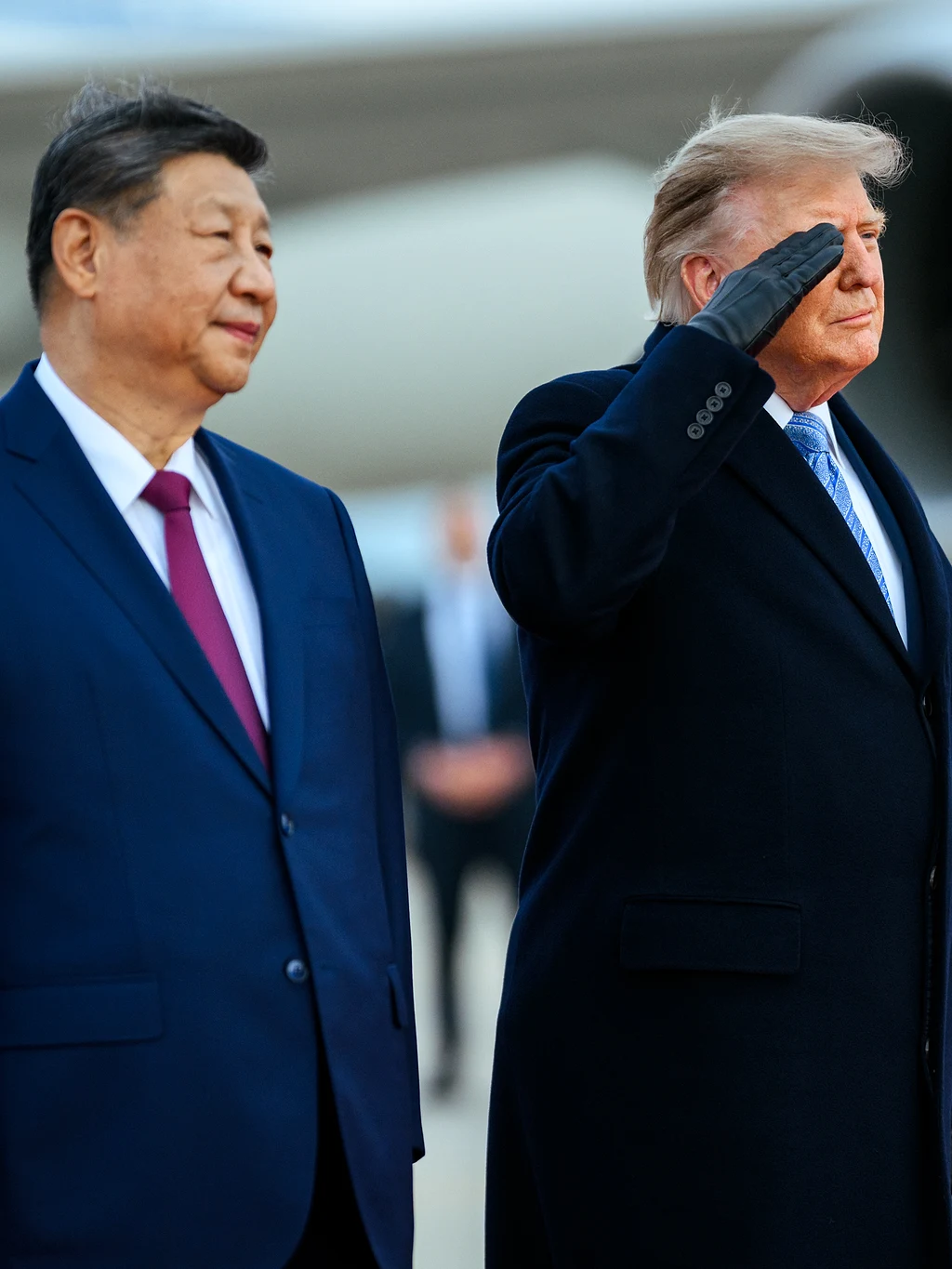
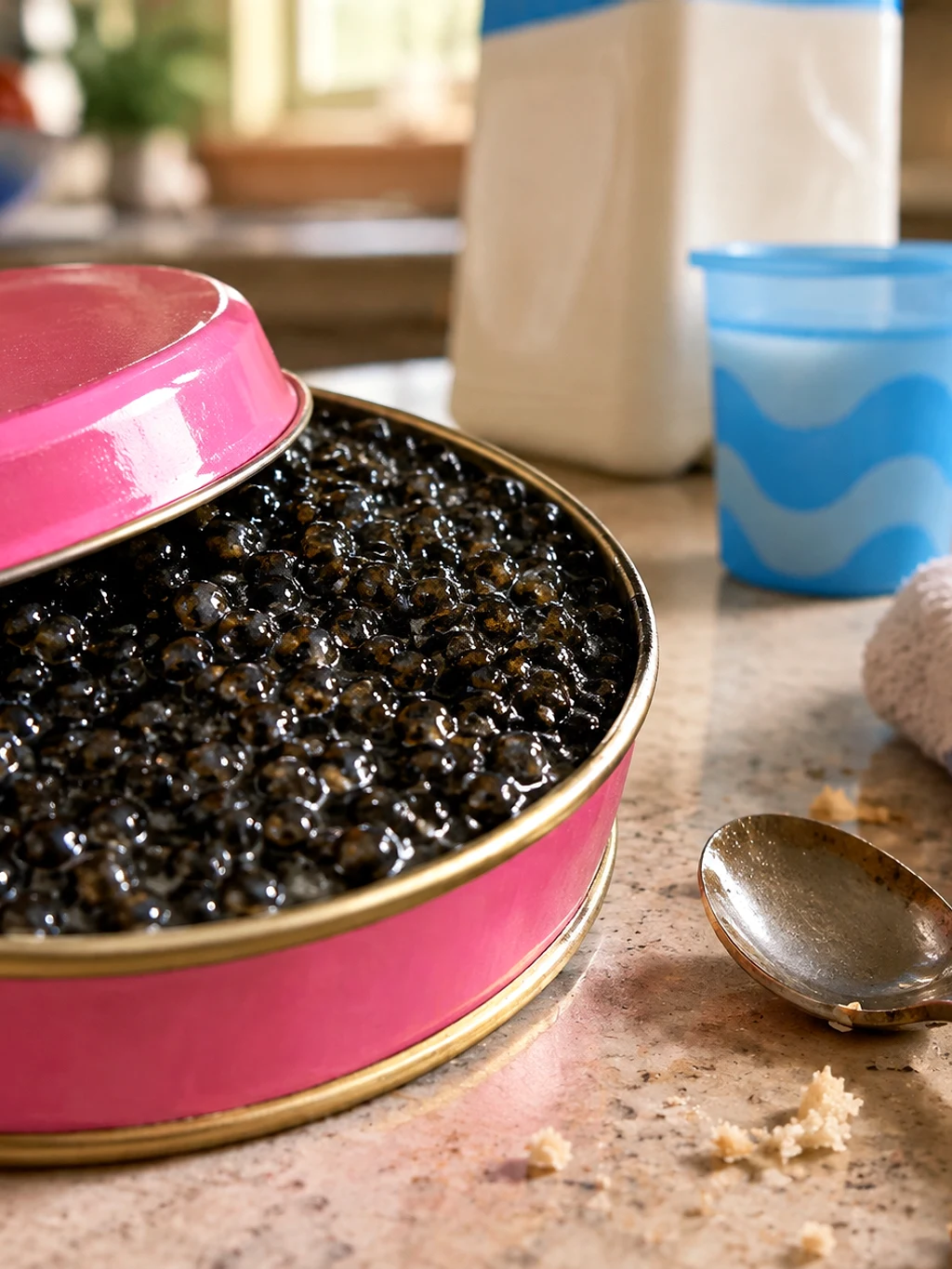
天上掉快递:亚马逊无人机让得州小城居民受不了
Boxes Falling From the Sky: Amazon's Delivery Drones Are Driving a Texas Suburb Up the Wall
3 min
What is on the HSK 6 word list?
In HSK 3.0, the exam from 13 December 2026, HSK 6 has 5,399 words. Of those, 1,800 are new at this level and the rest come from HSK 1–5. The old HSK 2.0 list had 5,000.
They cover chengyu, formal and classical register, and the layered vocabulary of serious written Chinese.
HSK 6 word list
All 5,334 words below, straight from the official HSK 3.0 syllabus. The 1,777 words new at HSK 6 come first, then earlier levels. The syllabus counts 5,399 entries because a few words are listed once per reading; each appears here once, with every reading.
Pinyin comes from the syllabus and definitions from CC-CEDICT. Tap any word to see its other senses without leaving the list. Words with a full Fluentide entry — character breakdown, usage notes, example sentences — link out from there.
Showing 2851–2900 of 5,334 · page 58 of 107
缩小suōxiǎoHSK 5to reduce
- to reduce
- to decrease
- to shrink
所suǒHSK 5actually
- actually
- place
- classifier for houses, small buildings, institutions etc
- that which
- particle introducing a relative clause or passive
- CL:个
锁suǒHSK 5to lock
- to lock
- to lock up
- a lock (CL:把)
- old variant of 锁
他人tārénHSK 5another person
- another person
- sb else
- other people
台灯táidēngHSK 5desk lamp
- desk lamp
- table lamp
台阶táijiēHSK 5steps
- steps
- flight of steps
- step (over obstacle)
- fig. way out of an embarrassing situation
- bench (geology)
太太tàitaiHSK 5married woman
- married woman
- Mrs.
- Madam
- wife
- CL:个,位
谈话tánhuàHSK 5to talk (with sb)
- to talk (with sb)
- to have a conversation
- talk
- conversation
- CL:次
桃táoHSK 5peach
- peach
套tàoHSK 5to cover
- to cover
- to encase
- cover
- sheath
- to overlap
- to interleave
- to model after
- to copy
- formula
- harness
- loop of rope
- (fig.) to fish for
- to obtain slyly
- classifier for sets, collections
- bend (of a river or mountain range, in place names)
- tau (Greek letter Ττ)
特产tèchǎnHSK 5special local product
- special local product
- (regional) specialty
特色tèsèHSK 5a characteristic
- a characteristic
- a distinctive feature or quality
特殊tèshūHSK 5special
- special
- particular
- unusual
- extraordinary
特有tèyǒuHSK 5specific (to)
- specific (to)
- characteristic (of)
- distinctive
特征tèzhēngHSK 5characteristic
- characteristic
- diagnostic property
- distinctive feature
- trait
疼痛téngtòngHSK 5pain
- pain
- (of a body part) to be painful
- to be sore
- to hurt
- (of a person) to be in pain
提倡tíchàngHSK 5to promote
- to promote
- to advocate
提交tíjiāoHSK 5to submit (a report etc)
- to submit (a report etc)
- to refer (a problem) to sb
提起tíqǐHSK 5to mention
- to mention
- to bring up
- (lit. and fig.) to lift
- to raise
- to initiate (legal proceedings)
提升tíshēngHSK 5to promote (to a higher-ranking position)
- to promote (to a higher-ranking position)
- to lift
- to hoist
- (fig.) to elevate
- to raise
- to improve
提问tíwènHSK 5to question
- to question
- to quiz
- to grill
题目tímùHSK 5subject
- subject
- title
- topic
- exercise or exam question (CL:道)
体会tǐhuìHSK 5to know from experience
- to know from experience
- to learn through experience
- to realize
- understanding
- experience
体力tǐlìHSK 5physical strength
- physical strength
- physical power
体现tǐxiànHSK 5to embody
- to embody
- to reflect
- to incarnate
体验tǐyànHSK 5to experience for oneself
- to experience for oneself
替tìHSK 5to substitute for
- to substitute for
- to take the place of
- to replace
- for
- on behalf of
- to stand in for
天空tiānkōngHSK 5sky
- sky
天上tiānshàngHSK 5the sky
- the sky
- the heavens
甜品tiánpǐnHSK 5dessert
- dessert
填tiánHSK 5to fill or stuff
- to fill or stuff
- (of a form etc) to fill in
挑tiāoHSK 5to carry on a shoulder pole
- to carry on a shoulder pole
- to choose
- to pick
- to nitpick
- to raise
- to dig up
- to poke
- to prick
- to incite
- to stir up
挑选tiāoxuǎnHSK 5to choose
- to choose
- to select
挑战tiǎozhànHSK 5to challenge
- to challenge
- to take on a challenge
- a challenge
跳高tiàogāoHSK 5(athletics) high jump
- (athletics) high jump
跳远tiàoyuǎnHSK 5long jump (athletics)
- long jump (athletics)
贴tiēHSK 5to stick
- to stick
- to paste
- to post (e.g. on a blog)
- to keep close to
- to fit snugly
- to subsidize
- allowance (e.g. money for food or housing)
- sticker
- classifier for sticking plaster: strip
铁路tiělùHSK 5railroad
- railroad
- railway
- CL:条
停留tíngliúHSK 5to stay somewhere temporarily
- to stay somewhere temporarily
- to stop over
通常tōngchángHSK 5regular
- regular
- usual
- normal
- usually
- normally
通行tōngxíngHSK 5to go through
- to go through
- to pass through
- to be in general use
同tóngHSK 5like
- like
- same
- similar
- together
- alike
- with
- used in 胡同
- used in 胡同
同情tóngqíngHSK 5to sympathize with
- to sympathize with
- sympathy
同一tóngyīHSK 5identical
- identical
- the same
统计tǒngjìHSK 5statistics
- statistics
- to count
- to add up
统一tǒngyīHSK 5to unify
- to unify
- to integrate
- unified
- integrated
痛苦tòngkǔHSK 5pain
- pain
- suffering
- painful
- CL:个
投tóuHSK 5to throw (sth in a specific direction: ball, javelin, grenade etc)
- to throw (sth in a specific direction: ball, javelin, grenade etc)
- to cast (a ballot)
- to cast (a glance, a shadow etc)
- to put in (money for investment, a coin to operate a slot machine)
- to send (a letter, a manuscript etc)
- to throw oneself into (a river, a well etc to commit suicide)
- to go to
- to seek refuge
- to place oneself into the hands of
- (coll.) to rinse (clothes) in water
投入tóurùHSK 5to throw into
- to throw into
- to put into
- to throw oneself into
- to participate in
- to invest in
- absorbed
- engrossed
突出tūchūHSK 5prominent
- prominent
- outstanding
- to give prominence to
- to protrude
- to project
How to actually learn HSK 6 vocabulary
A word list is a checklist, not a method. Recognising a word on a page is a different skill from catching it at speed in a sentence — and the HSK listening section only tests the second one.
Read the list once, do not memorise it
You are looking for which words feel unfamiliar, not trying to learn them here.
Listen at your level daily
Fluentide's HSK 6 episodes are written inside this vocabulary band, so the words arrive in sentences instead of flashcards.
Look a word up only after you have heard it
A word you have already met in audio sticks in one reading. A word you meet cold takes many.
Come back to this list monthly
Use it as a progress check, not a study plan. The gaps you find are what to listen for next.
HSK 6 episodes to hear these words in
Every episode below is written inside the HSK 6 word band and read at HSK 6 speed. Press play — no account needed for the first few.
HSK 1 Chinese listening episodes






























































































































































































































HSK 2 Chinese listening episodes
HSK 3–4 Chinese listening episodes
Showing 12 of 250
HSK 5–6 Chinese listening episodes
Showing 12 of 250
The method in practice
Hear HSK 6 vocabulary in real Mandarin
Every HSK 6 episode is written inside this word band and read at HSK 6 speed, so words stick because you have heard them in a sentence. Full transcript, pinyin toggle, and line-by-line English on every episode. Five free episodes after a one-tap magic-link sign-in — no password, no payment.