

HSK 6 Vocabulary List: 5,399 Words (HSK 3.0)
In HSK 3.0, HSK 6 has 5,399 words in total, 1,800 of them new at this level. They cover chengyu, formal and classical register, and the layered vocabulary of serious written Chinese.
By Haoshan Hong · Native Mandarin speaker · Updated September 2026
Hear HSK 6 words in a real story

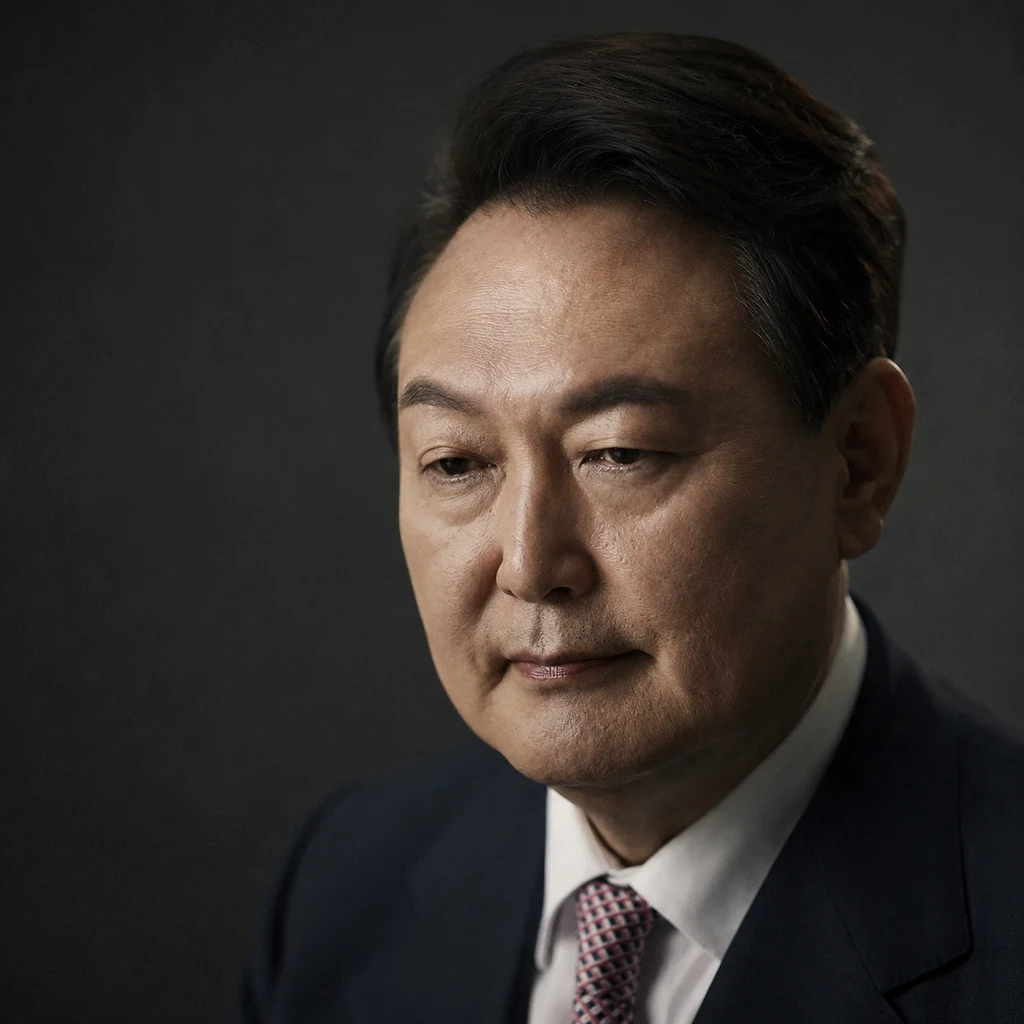
唱北京奥运会主题歌《我和你》的歌手刘欢去世,享年63岁
Liu Huan, Who Sang the 2008 Beijing Olympics Theme 'You and Me,' Dies at 63
3 min
What is on the HSK 6 word list?
In HSK 3.0, the exam from 13 December 2026, HSK 6 has 5,399 words. Of those, 1,800 are new at this level and the rest come from HSK 1–5. The old HSK 2.0 list had 5,000.
They cover chengyu, formal and classical register, and the layered vocabulary of serious written Chinese.
HSK 6 word list
All 5,334 words below, straight from the official HSK 3.0 syllabus. The 1,777 words new at HSK 6 come first, then earlier levels. The syllabus counts 5,399 entries because a few words are listed once per reading; each appears here once, with every reading.
Pinyin comes from the syllabus and definitions from CC-CEDICT. Tap any word to see its other senses without leaving the list. Words with a full Fluentide entry — character breakdown, usage notes, example sentences — link out from there.
Showing 1201–1250 of 5,334 · page 25 of 107
首要shǒuyàoHSK 6the most important
- the most important
- of chief importance
寿命shòumìngHSK 6life span
- life span
- life expectancy
- lifetime (of a machine)
受灾shòuzāiHSK 6disaster-stricken
- disaster-stricken
- to be hit by a natural calamity
书画shūhuàHSK 6painting and calligraphy
- painting and calligraphy
书籍shūjíHSK 6books
- books
- works
书面shūmiànHSK 6in writing
- in writing
- written
书写shūxiěHSK 6to write
- to write
输出shūchūHSK 6to output
- to output
- to deliver (energy, data, signals etc)
- to export (goods, services, technology etc)
输送shūsòngHSK 6to transport
- to transport
- to convey
- to deliver
属shǔHSK 6category
- category
- genus (taxonomy)
- family members
- dependents
- to belong to
- subordinate to
- affiliated with
- be born in the year of (one of the 12 animals)
- to be
- to prove to be
- to constitute
- to join together
- to fix one's attention on
- to concentrate on
薯片shǔpiànHSK 6fried potato chips
- fried potato chips
树立shùlìHSK 6to set up
- to set up
- to establish
竖shùHSK 6to erect
- to erect
- vertical
- vertical stroke (in Chinese characters)
- variant of 竖
数目shùmùHSK 6amount
- amount
- number
数字化shùzìhuàHSK 6to digitize
- to digitize
衰老shuāilǎoHSK 6to age
- to age
- to deteriorate with age
- old and weak
水稻shuǐdàoHSK 6rice
- rice
- paddy
- CL:株
水库shuǐkùHSK 6reservoir
- reservoir
- CL:座
水流shuǐliúHSK 6river
- river
- stream
水面shuǐmiànHSK 6water surface
- water surface
水泥shuǐníHSK 6cement
- cement
- CL:袋
瞬间shùnjiānHSK 6in an instant
- in an instant
- in a flash
思路sīlùHSK 6line of thought
- line of thought
- way of thinking
思念sīniànHSK 6to think of
- to think of
- to long for
- to miss
死亡sǐwángHSK 6to die
- to die
- death
松sōngHSK 6pine
- pine
- CL:棵
- loose
- to loosen
- to relax
- floss (dry, fluffy food product made from shredded, seasoned meat or fish, used as a topping or filling)
- surname Song
搜集sōujíHSK 6to gather
- to gather
- to collect
艘sōuHSK 6classifier for ships
- classifier for ships
- Taiwan pr.
素质sùzhìHSK 6inner quality
- inner quality
- basic essence
塑造sùzàoHSK 6to model
- to model
- to mold
- (fig.) to create (a character, a market, an image etc)
- (fig.) (literature) to portray (in words)
算了suànleHSK 6let it be
- let it be
- let it pass
- forget about it
算是suànshìHSK 6considered to be
- considered to be
- at last
虽suīHSK 6although
- although
- even though
岁数suìshuHSK 6age (number of years old)
- age (number of years old)
岁月suìyuèHSK 6years
- years
- time
损坏sǔnhuàiHSK 6to damage
- to damage
- to injure
损伤sǔnshāngHSK 6to harm
- to harm
- to damage
- to injure
- impairment
- loss
- disability
塔tǎHSK 6pagoda (abbr. for 塔婆, a loanword from Sanskrit stūpa)
- pagoda (abbr. for 塔婆, a loanword from Sanskrit stūpa)
- tower
- pylon (CL:座)
- (loanword) (pastry) tart
- old variant of 塔
踏实tāshiHSK 6firmly-based
- firmly-based
- steady
- steadfast
- to have peace of mind
- free from anxiety
- Taiwan pr.
台风táifēngHSK 6stage presence, poise
- stage presence, poise
台球táiqiúHSK 6billiards
- billiards
太空tàikōngHSK 6outer space
- outer space
太阳能tàiyángnéngHSK 6solar energy
- solar energy
谈论tánlùnHSK 6to discuss
- to discuss
- to talk about
谈判tánpànHSK 6to negotiate
- to negotiate
- negotiation
- talks
- conference
- CL:个
探索tànsuǒHSK 6to explore
- to explore
- to probe
探讨tàntǎoHSK 6to investigate
- to investigate
- to probe
汤圆tāngyuánHSK 6boiled or deep-fried balls of glutinous rice flour, usually eaten during Lantern Festival
- boiled or deep-fried balls of glutinous rice flour, usually eaten during Lantern Festival
糖果tángguǒHSK 6candy
- candy
- CL:粒
烫tàngHSK 6to scald
- to scald
- to burn (by scalding)
- to blanch (cooking)
- to heat (sth) up in hot water
- to perm
- to iron
- scalding hot
How to actually learn HSK 6 vocabulary
A word list is a checklist, not a method. Recognising a word on a page is a different skill from catching it at speed in a sentence — and the HSK listening section only tests the second one.
Read the list once, do not memorise it
You are looking for which words feel unfamiliar, not trying to learn them here.
Listen at your level daily
Fluentide's HSK 6 episodes are written inside this vocabulary band, so the words arrive in sentences instead of flashcards.
Look a word up only after you have heard it
A word you have already met in audio sticks in one reading. A word you meet cold takes many.
Come back to this list monthly
Use it as a progress check, not a study plan. The gaps you find are what to listen for next.
HSK 6 episodes to hear these words in
Every episode below is written inside the HSK 6 word band and read at HSK 6 speed. Press play — no account needed for the first few.
HSK 1 Chinese listening episodes































































































































































































































HSK 2 Chinese listening episodes

HSK 3–4 Chinese listening episodes

Showing 12 of 250
HSK 5–6 Chinese listening episodes
Showing 12 of 251
The method in practice
Hear HSK 6 vocabulary in real Mandarin
Every HSK 6 episode is written inside this word band and read at HSK 6 speed, so words stick because you have heard them in a sentence. Full transcript, pinyin toggle, and line-by-line English on every episode. Five free episodes after a one-tap magic-link sign-in — no password, no payment.