

HSK 6 Vocabulary List: 5,399 Words (HSK 3.0)
In HSK 3.0, HSK 6 has 5,399 words in total, 1,800 of them new at this level. They cover chengyu, formal and classical register, and the layered vocabulary of serious written Chinese.
By Haoshan Hong · Native Mandarin speaker · Updated September 2026
Hear HSK 6 words in a real story

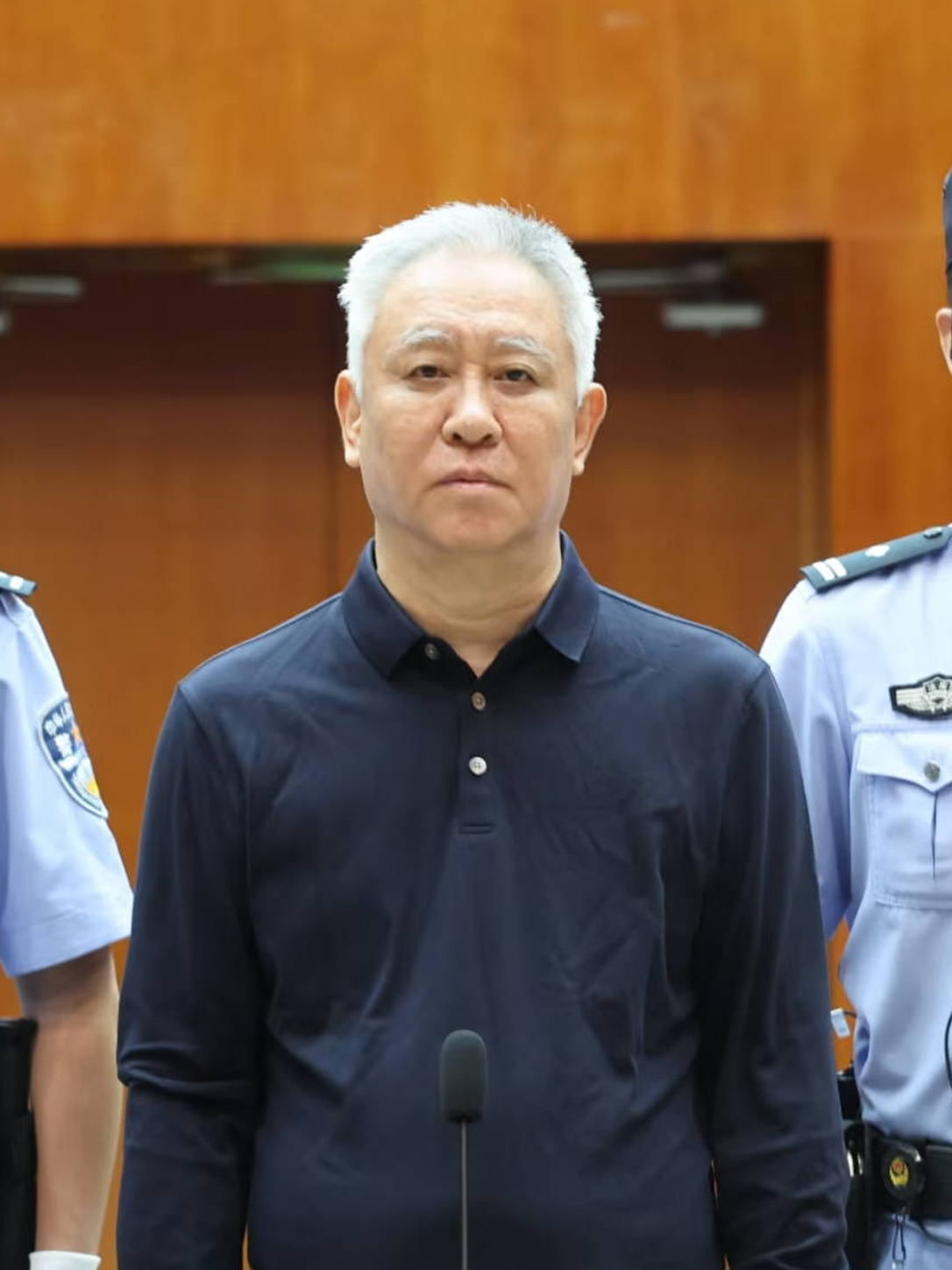
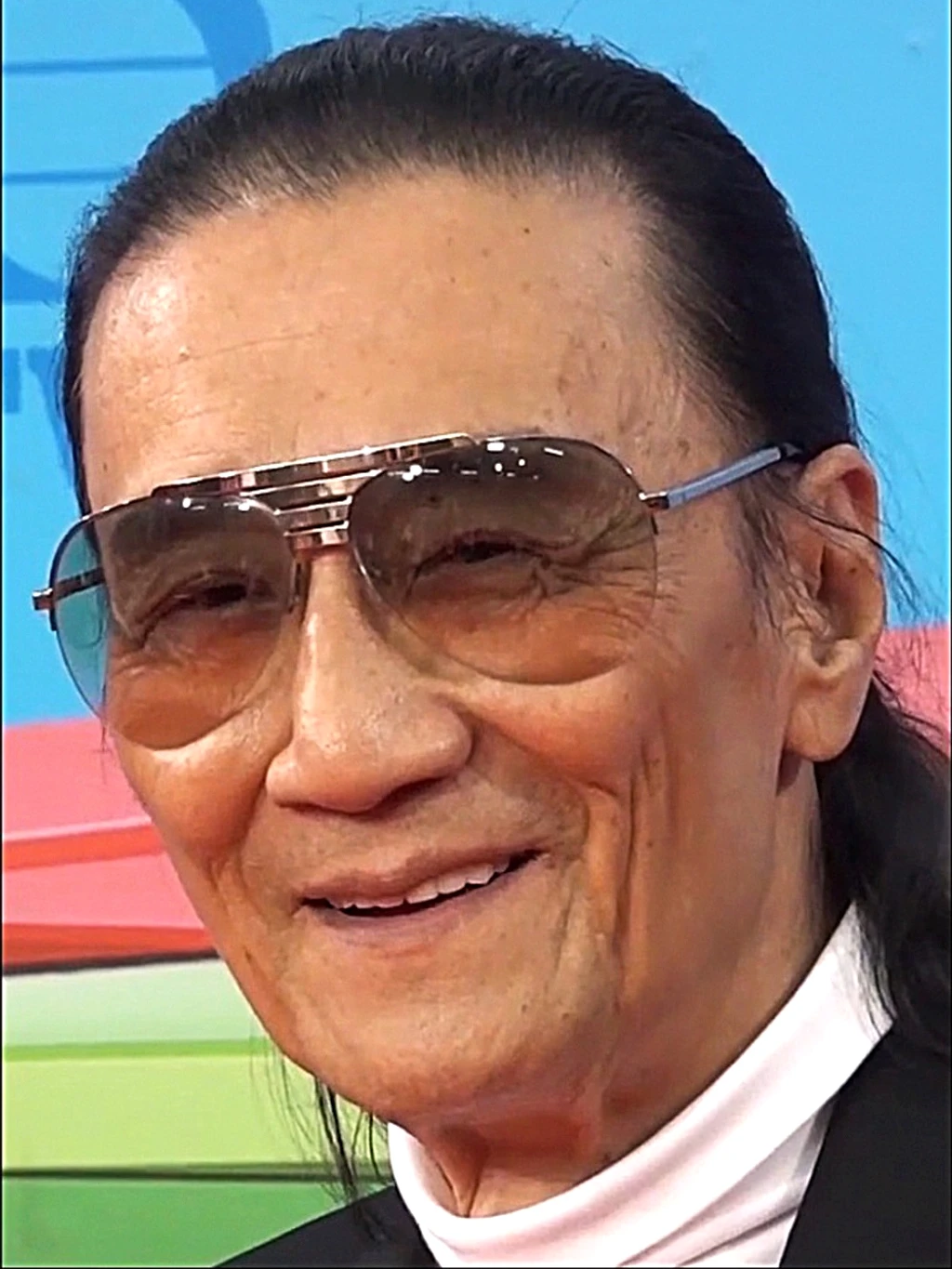
唱北京奥运会主题歌《我和你》的歌手刘欢去世,享年63岁
Liu Huan, Who Sang the 2008 Beijing Olympics Theme 'You and Me,' Dies at 63
3 min
What is on the HSK 6 word list?
In HSK 3.0, the exam from 13 December 2026, HSK 6 has 5,399 words. Of those, 1,800 are new at this level and the rest come from HSK 1–5. The old HSK 2.0 list had 5,000.
They cover chengyu, formal and classical register, and the layered vocabulary of serious written Chinese.
HSK 6 word list
All 5,334 words below, straight from the official HSK 3.0 syllabus. The 1,777 words new at HSK 6 come first, then earlier levels. The syllabus counts 5,399 entries because a few words are listed once per reading; each appears here once, with every reading.
Pinyin comes from the syllabus and definitions from CC-CEDICT. Tap any word to see its other senses without leaving the list. Words with a full Fluentide entry — character breakdown, usage notes, example sentences — link out from there.
Showing 1101–1150 of 5,334 · page 23 of 107
荣誉róngyùHSK 6honor
- honor
- credit
- glory
- (honorable) reputation
- honorary
容量róngliàngHSK 6capacity
- capacity
- volume
- quantitative (science)
融合rónghéHSK 6a mixture
- a mixture
- an amalgam
- fusion
- welding together
- to be in harmony with (nature)
- to harmonize with
- to fit in
融化rónghuàHSK 6to melt
- to melt
- to thaw
- to dissolve
- to blend into
- to combine
- to fuse
融入róngrùHSK 6to blend into
- to blend into
- to integrate
- to assimilate
- to merge
柔软róuruǎnHSK 6soft
- soft
入境rùjìngHSK 6to enter a country
- to enter a country
入门rùménHSK 6entrance door
- entrance door
- to enter a door
- to learn the basics of a subject
- introduction (to a subject)
- (attributive) entry-level
入选rùxuǎnHSK 6to be included among those selected for
- to be included among those selected for
弱点ruòdiǎnHSK 6weak point
- weak point
- failing
撒sǎHSK 6to let go
- to let go
- to cast
- to let loose
- to discharge
- to give expression to
- (coll.) to pee
- to scatter
- to sprinkle
- to spill
塞sāiHSK 6to plug
- to plug
- to stop up
- to stuff in
- (bound form) a stopper
- a cork
- (bound form) strategic stronghold
- (bound form) to block
- to obstruct
赛事sàishìHSK 6competition (e.g. sporting)
- competition (e.g. sporting)
散sǎn / sànHSK 6to scatter
- to scatter
- to break up (a meeting etc)
- to disperse
- to disseminate
- to dispel
- (coll.) to sack
- scattered
- loose
- to come loose
- to fall apart
- leisurely
- powdered medicine
- variant of 散
散发sànfāHSK 6to distribute
- to distribute
- to emit
- to give off
散文sǎnwénHSK 6(broadly) prose (as opposed to verse)
- (broadly) prose (as opposed to verse)
- (more narrowly) free-form literary prose, such as essays, sketches and reflections
嗓子sǎngziHSK 6throat
- throat
- voice
- CL:把
丧失sàngshīHSK 6to lose
- to lose
- to forfeit
扫描sǎomiáoHSK 6to scan
- to scan
杀shāHSK 6to kill
- to kill
- to slay
- to murder
- to attack
- to weaken
- to reduce
- (dialect) to smart
- (used after a verb) extremely
刹车shāchēHSK 6to brake (when driving)
- to brake (when driving)
- to stop
- to switch off
- to check (bad habits)
- a brake
鲨鱼shāyúHSK 6shark
- shark
筛选shāixuǎnHSK 6to filter
- to filter
山顶shāndǐngHSK 6hilltop
- hilltop
山峰shānfēngHSK 6(mountain) peak
- (mountain) peak
山坡shānpōHSK 6hillside
- hillside
闪shǎnHSK 6to dodge
- to dodge
- to duck out of the way
- to beat it
- shaken (by a fall)
- to sprain
- to pull a muscle
- lightning
- spark
- a flash
- to flash (across one's mind)
- to leave behind
- (Internet slang) (of a display of affection) "dazzlingly" saccharine
- surname Shan
闪电shǎndiànHSK 6lightning
- lightning
- CL:道
伤口shāngkǒuHSK 6wound
- wound
- cut
伤亡shāngwángHSK 6casualties
- casualties
- injuries and deaths
伤员shāngyuánHSK 6wounded person
- wounded person
商标shāngbiāoHSK 6trademark
- trademark
- logo
上当shàngdàngHSK 6taken in (by sb's deceit)
- taken in (by sb's deceit)
- to be fooled
- to be duped
上级shàngjíHSK 6higher authorities
- higher authorities
- superiors
- CL:个
上进shàngjìnHSK 6to make progress
- to make progress
- to do better
- fig. ambitious to improve oneself
- to move forwards
上市shàngshìHSK 6to hit the market (of a new product)
- to hit the market (of a new product)
- to float (a company on the stock market)
上述shàngshùHSK 6aforementioned
- aforementioned
- above-mentioned
上台shàngtáiHSK 6to rise to power (in politics)
- to rise to power (in politics)
- to go on stage (in the theater)
上旬shàngxúnHSK 6first third of a month
- first third of a month
少儿shào’érHSK 6child
- child
舌头shétouHSK 6tongue
- tongue
- CL:个
- enemy soldier captured for the purpose of extracting information
设想shèxiǎngHSK 6to imagine
- to imagine
- to assume
- to envisage
- tentative plan
- to have consideration for
社shèHSK 6(bound form) society
- (bound form) society
- organization
- agency
- (old) god of the land
射shèHSK 6to shoot
- to shoot
- to launch
- to allude to
- radio- (chemistry)
- old variant of 射
射击shèjīHSK 6to shoot
- to shoot
- to fire (a gun)
涉及shèjíHSK 6to involve
- to involve
- to relate to
- to concern
- to touch upon
摄像shèxiàngHSK 6to videotape
- to videotape
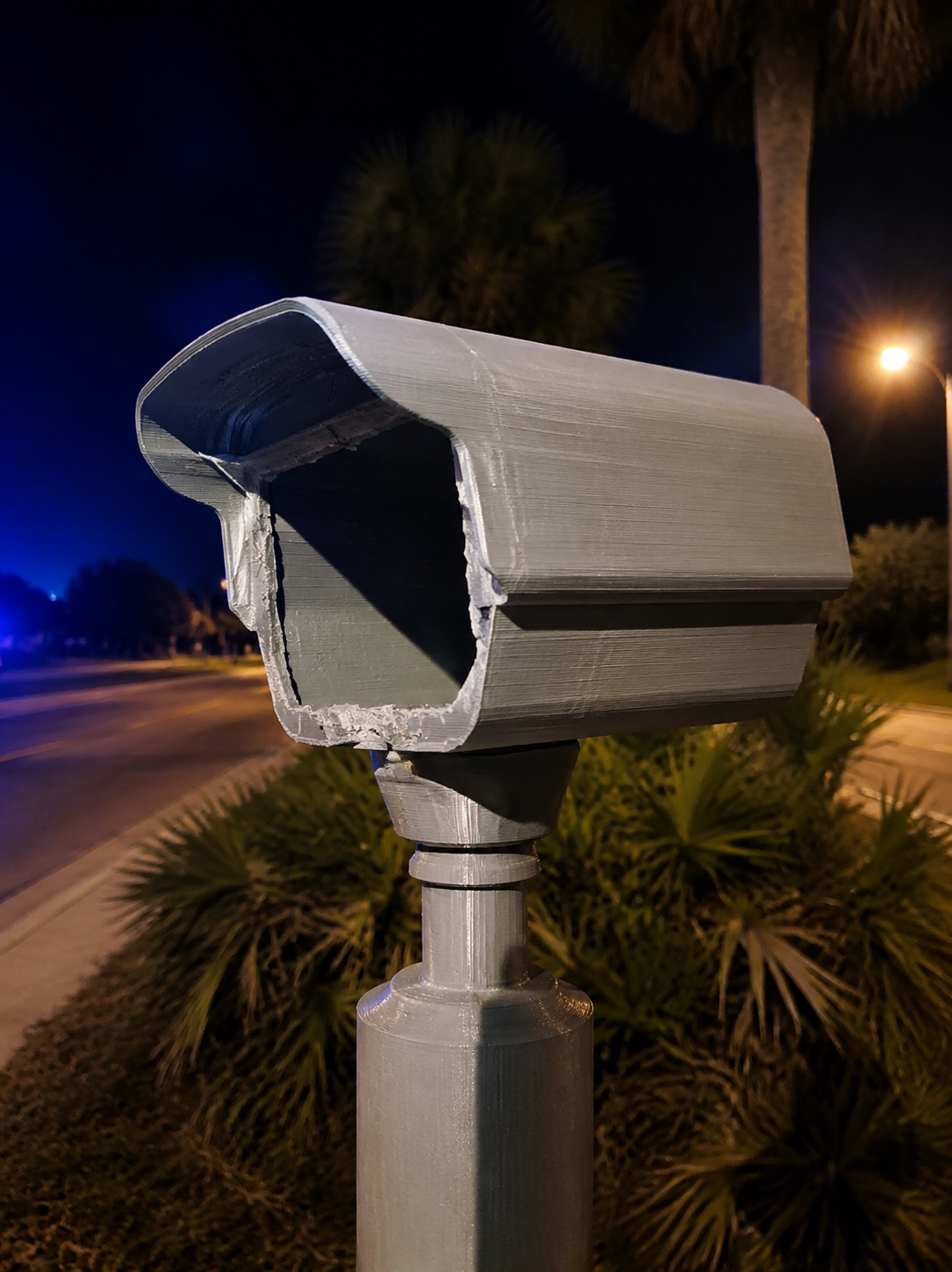
摄像头shèxiàngtóuHSK 6webcam
- webcam
- surveillance camera
身心shēnxīnHSK 6body and mind
- body and mind
- mental and physical
深夜shēnyèHSK 6very late at night
- very late at night
How to actually learn HSK 6 vocabulary
A word list is a checklist, not a method. Recognising a word on a page is a different skill from catching it at speed in a sentence — and the HSK listening section only tests the second one.
Read the list once, do not memorise it
You are looking for which words feel unfamiliar, not trying to learn them here.
Listen at your level daily
Fluentide's HSK 6 episodes are written inside this vocabulary band, so the words arrive in sentences instead of flashcards.
Look a word up only after you have heard it
A word you have already met in audio sticks in one reading. A word you meet cold takes many.
Come back to this list monthly
Use it as a progress check, not a study plan. The gaps you find are what to listen for next.
HSK 6 episodes to hear these words in
Every episode below is written inside the HSK 6 word band and read at HSK 6 speed. Press play — no account needed for the first few.
HSK 1 Chinese listening episodes

































































































































































































































HSK 2 Chinese listening episodes

HSK 3–4 Chinese listening episodes

Showing 12 of 250
HSK 5–6 Chinese listening episodes
Showing 12 of 251
The method in practice
Hear HSK 6 vocabulary in real Mandarin
Every HSK 6 episode is written inside this word band and read at HSK 6 speed, so words stick because you have heard them in a sentence. Full transcript, pinyin toggle, and line-by-line English on every episode. Five free episodes after a one-tap magic-link sign-in — no password, no payment.