

HSK 6 Vocabulary List: 5,399 Words (HSK 3.0)
In HSK 3.0, HSK 6 has 5,399 words in total, 1,800 of them new at this level. They cover chengyu, formal and classical register, and the layered vocabulary of serious written Chinese.
By Haoshan Hong · Native Mandarin speaker · Updated September 2026
Hear HSK 6 words in a real story

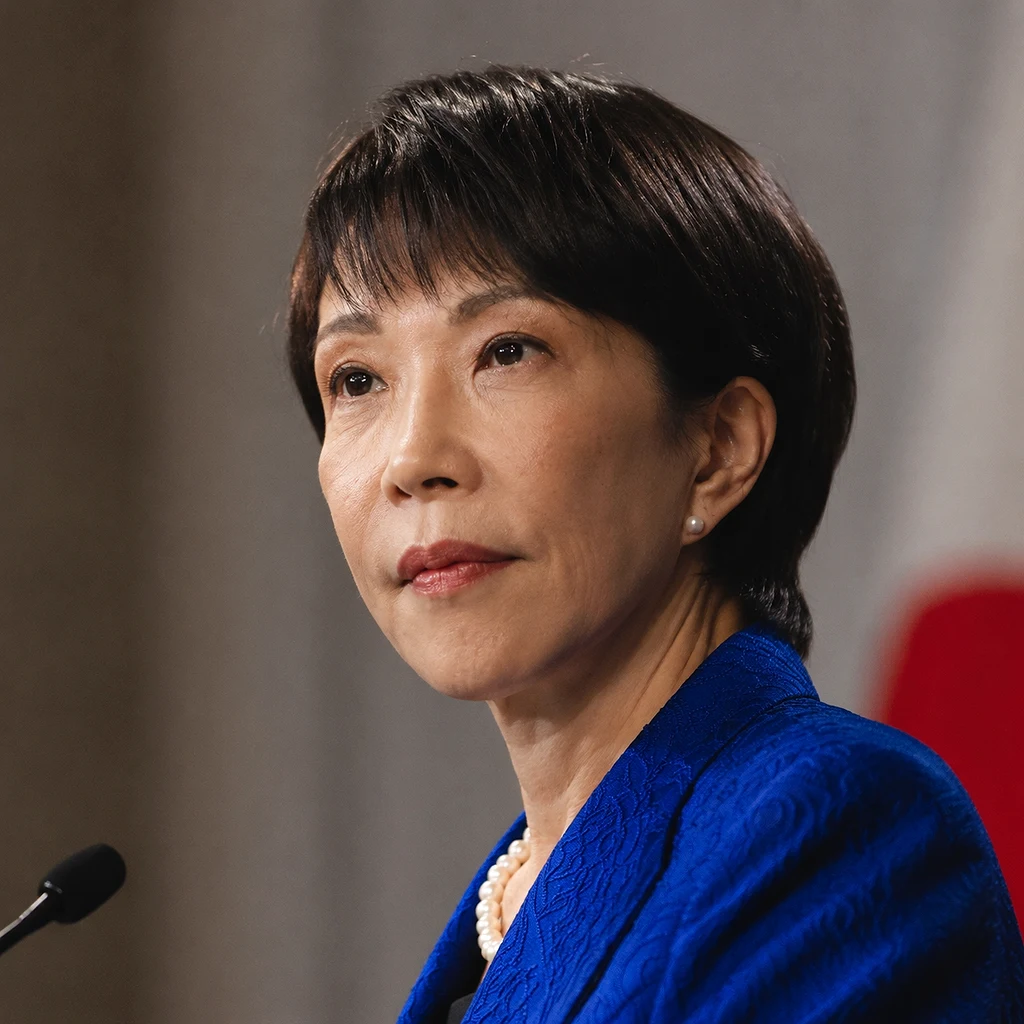
唱北京奥运会主题歌《我和你》的歌手刘欢去世,享年63岁
Liu Huan, Who Sang the 2008 Beijing Olympics Theme 'You and Me,' Dies at 63
3 min
What is on the HSK 6 word list?
In HSK 3.0, the exam from 13 December 2026, HSK 6 has 5,399 words. Of those, 1,800 are new at this level and the rest come from HSK 1–5. The old HSK 2.0 list had 5,000.
They cover chengyu, formal and classical register, and the layered vocabulary of serious written Chinese.
HSK 6 word list
All 5,334 words below, straight from the official HSK 3.0 syllabus. The 1,777 words new at HSK 6 come first, then earlier levels. The syllabus counts 5,399 entries because a few words are listed once per reading; each appears here once, with every reading.
Pinyin comes from the syllabus and definitions from CC-CEDICT. Tap any word to see its other senses without leaving the list. Words with a full Fluentide entry — character breakdown, usage notes, example sentences — link out from there.
Showing 1551–1600 of 5,334 · page 32 of 107
抑制yìzhìHSK 6to inhibit
- to inhibit
- to keep down
- to suppress
易于yìyúHSK 6very likely
- very likely
- prone to
益处yìchùHSK 6benefit
- benefit
因yīnHSK 6cause
- cause
- reason
- because
- old variant of 因
音节yīnjiéHSK 6syllable
- syllable
银yínHSK 6silver
- silver
- silver-colored
- relating to money or currency
银牌yínpáiHSK 6silver medal
- silver medal
- CL:枚
引yǐnHSK 6to draw (e.g. a bow)
- to draw (e.g. a bow)
- to pull
- to stretch sth
- to extend
- to lengthen
- to involve or implicate in
- to attract
- to lead
- to guide
- to leave
- to provide evidence or justification for
- old unit of distance equal to 10 丈, one-thirtieth of a km or 33.33 meters
引导yǐndǎoHSK 6to guide
- to guide
- to lead (around)
- to conduct
- to boot
- introduction
- primer
引发yǐnfāHSK 6to lead to
- to lead to
- to trigger
- to initiate
- to cause
- to evoke (emotions)
引入yǐnrùHSK 6to draw into
- to draw into
- to pull into
- to introduce
饮用水yǐnyòngshuǐHSK 6drinking water
- drinking water
- potable water
隐藏yǐncángHSK 6to hide
- to hide
- to conceal
- to mask
- to shelter
- to harbor (i.e. keep sth hidden)
- to hide oneself
- to lie low
- to nestle
- hidden
- implicit
- private
- covert
- recessed (lighting)
隐私yǐnsīHSK 6secrets
- secrets
- private business
- privacy
印yìnHSK 6to print
- to print
- to mark
- to engrave
- a seal
- a print
- a stamp
- a mark
- a trace
- image
- surname Yin
- abbr. for 印度, India
英雄yīngxióngHSK 6hero
- hero
- CL:个
婴儿yīng’érHSK 6infant
- infant
- baby
- CL:个
- lead (Pb)
影子yǐngziHSK 6shadow
- shadow
- reflection
- (fig.) hint
- indication
- influence
- CL:个
拥挤yōngjǐHSK 6crowded
- crowded
- to throng
- congestion
勇于yǒngyúHSK 6to dare to
- to dare to
- to be brave enough to
涌现yǒngxiànHSK 6to emerge in large numbers
- to emerge in large numbers
- to spring up
- to emerge prominently
用餐yòngcānHSK 6to eat a meal
- to eat a meal
用处yòngchùHSK 6usefulness
- usefulness
- CL:个
用功yònggōngHSK 6diligent
- diligent
- industrious (in one's studies)
- to study hard
- to make great effort
用人yòngrénHSK 6servant
- servant
- to employ sb for a job
- to manage people
- to be in need of staff
用心yòngxīnHSK 6motive
- motive
- intention
- to be diligent or attentive
- careful
优化yōuhuàHSK 6to optimize
- to optimize
- (corporate euphemism) to lay off staff
优先yōuxiānHSK 6to have priority
- to have priority
- to take precedence
优异yōuyìHSK 6exceptional
- exceptional
- outstandingly good
由来yóuláiHSK 6origin
- origin
犹如yóurúHSK 6similar to
- similar to
- like
游人yóurénHSK 6a tourist
- a tourist
有机yǒujīHSK 6organic
- organic
有劲yǒujìnHSK 6vigorous
- vigorous
- energetic
- interesting
- amusing
有序yǒuxùHSK 6regular
- regular
- orderly
- successive
- in order
于yúHSK 6to go
- to go
- to take
- sentence-final interrogative particle
- (of time or place) in
- at
- on
- (indicating any indirect relation) to
- toward
- vis-à-vis
- with regard to
- for
- (indicating a source) from
- out of
- (used in comparison) than
- (used in the passive voice) by
- surname Yu
- variant of 于
余额yú’éHSK 6balance (of an account, bill etc)
- balance (of an account, bill etc)
- surplus
- remainder
与其yǔqíHSK 6rather than... (used in expressions of the form 与其 + {verb1} + 不如 + {verb2} "rather than {verb1}, better to {verb2}")
- rather than... (used in expressions of the form 与其 + {verb1} + 不如 + {verb2} "rather than {verb1}, better to {verb2}")
羽绒服yǔróngfúHSK 6down jacket
- down jacket
- down coat
浴室yùshìHSK 6bathroom
- bathroom
- shower room (CL:间)
- bathhouse
预定yùdìngHSK 6to arrange in advance
- to arrange in advance
预料yùliàoHSK 6to forecast
- to forecast
- to anticipate
- expectation
预期yùqīHSK 6to expect
- to expect
- to anticipate
欲望yùwàngHSK 6desire
- desire
- longing
- appetite
- craving
元素yuánsùHSK 6element (key component of sth)
- element (key component of sth)
- (chemistry) element
- (math.) element (member of a set)
元宵yuánxiāoHSK 6Lantern Festival
- Lantern Festival
- night of the 15th of the first lunar month
- sticky rice dumplings
- see also 元夜
园林yuánlínHSK 6gardens
- gardens
- park
- landscape garden
原本yuánběnHSK 6originally
- originally
- the original
- original copy
- original version
原材料yuáncáiliàoHSK 6raw and semifinished materials
- raw and semifinished materials
原理yuánlǐHSK 6principle
- principle
- theory
How to actually learn HSK 6 vocabulary
A word list is a checklist, not a method. Recognising a word on a page is a different skill from catching it at speed in a sentence — and the HSK listening section only tests the second one.
Read the list once, do not memorise it
You are looking for which words feel unfamiliar, not trying to learn them here.
Listen at your level daily
Fluentide's HSK 6 episodes are written inside this vocabulary band, so the words arrive in sentences instead of flashcards.
Look a word up only after you have heard it
A word you have already met in audio sticks in one reading. A word you meet cold takes many.
Come back to this list monthly
Use it as a progress check, not a study plan. The gaps you find are what to listen for next.
HSK 6 episodes to hear these words in
Every episode below is written inside the HSK 6 word band and read at HSK 6 speed. Press play — no account needed for the first few.
HSK 1 Chinese listening episodes





































































































































































































































HSK 2 Chinese listening episodes

HSK 3–4 Chinese listening episodes

Showing 12 of 250
HSK 5–6 Chinese listening episodes
Showing 12 of 251
The method in practice
Hear HSK 6 vocabulary in real Mandarin
Every HSK 6 episode is written inside this word band and read at HSK 6 speed, so words stick because you have heard them in a sentence. Full transcript, pinyin toggle, and line-by-line English on every episode. Five free episodes after a one-tap magic-link sign-in — no password, no payment.