

HSK 6 Vocabulary List: 5,399 Words (HSK 3.0)
In HSK 3.0, HSK 6 has 5,399 words in total, 1,800 of them new at this level. They cover chengyu, formal and classical register, and the layered vocabulary of serious written Chinese.
By Haoshan Hong · Native Mandarin speaker · Updated September 2026
Hear HSK 6 words in a real story
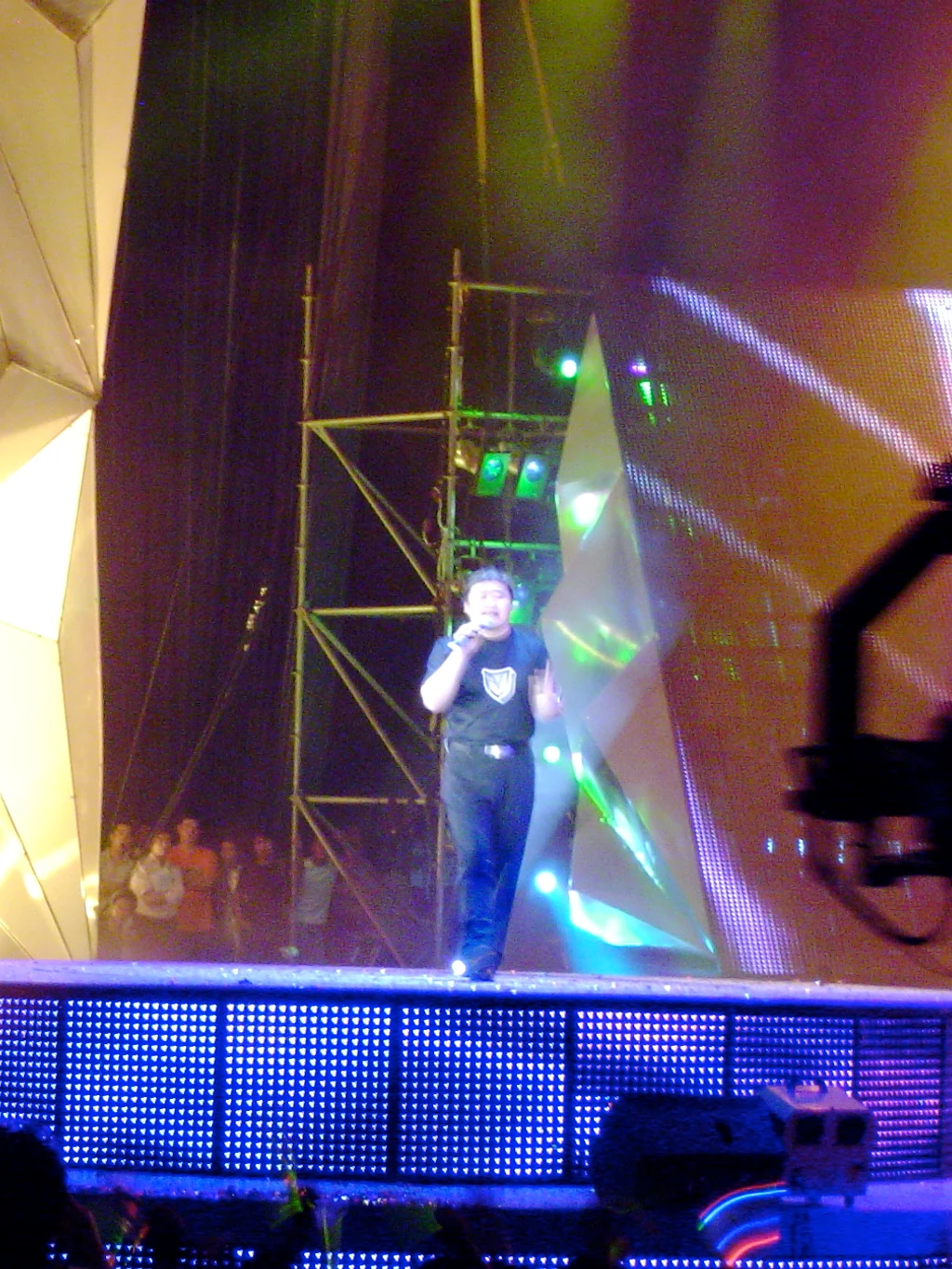
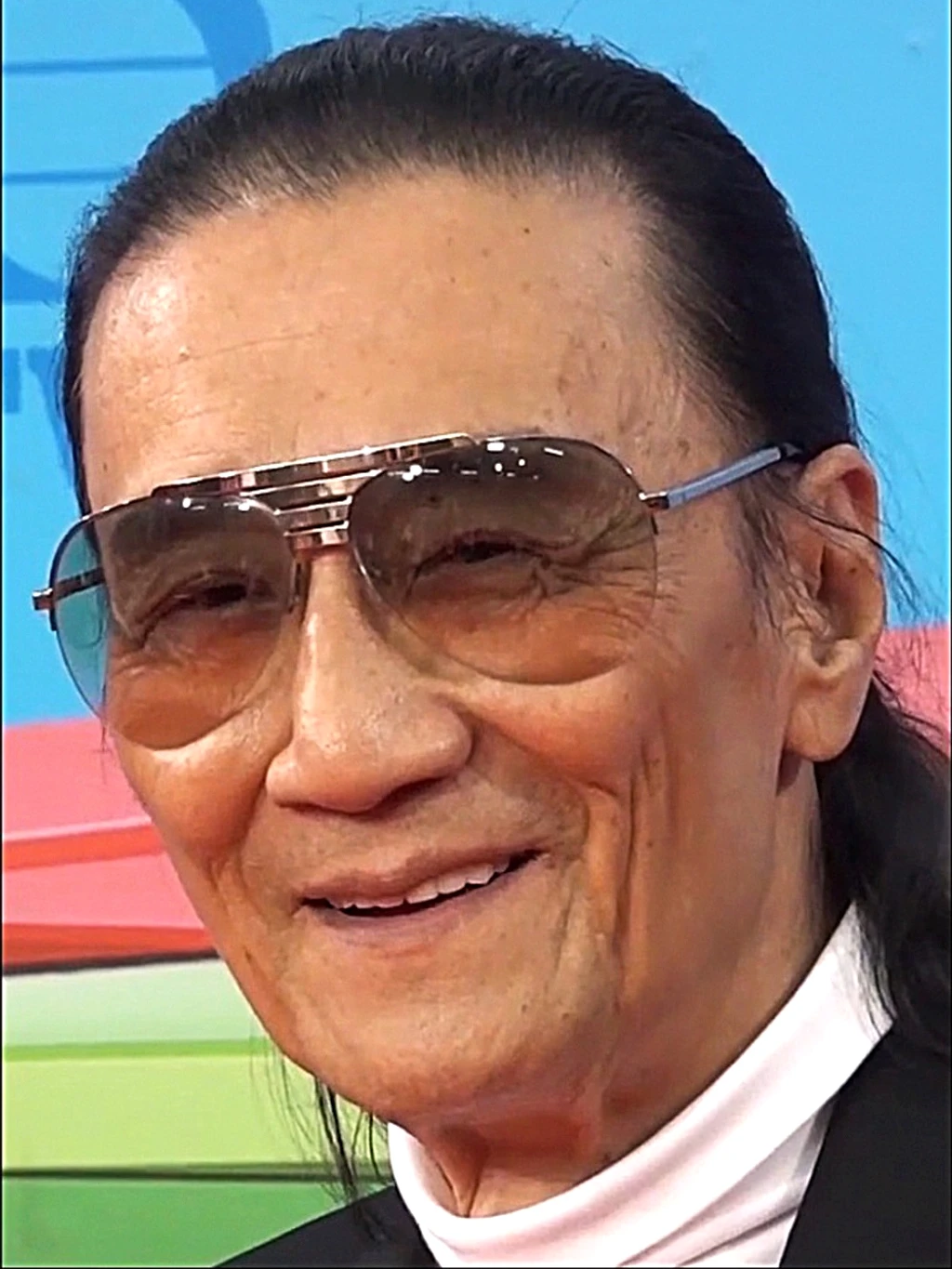
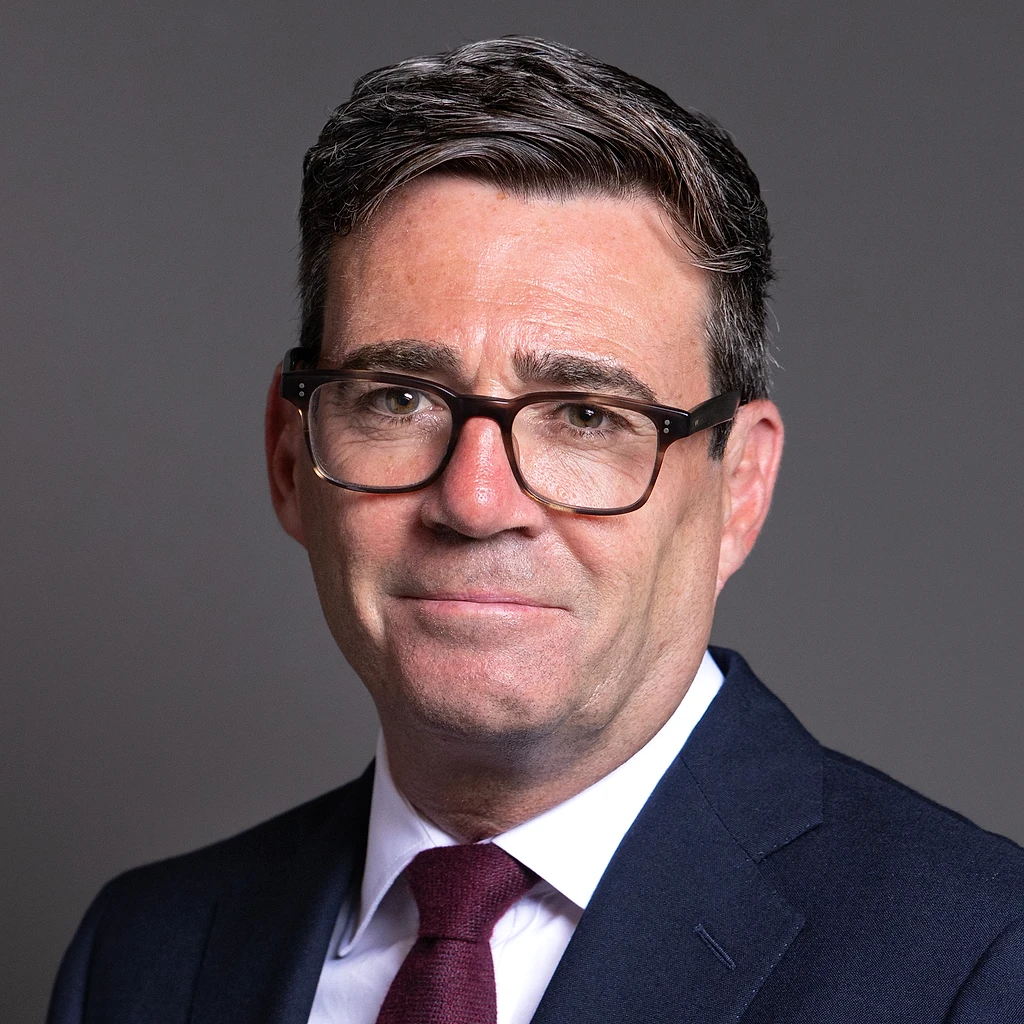
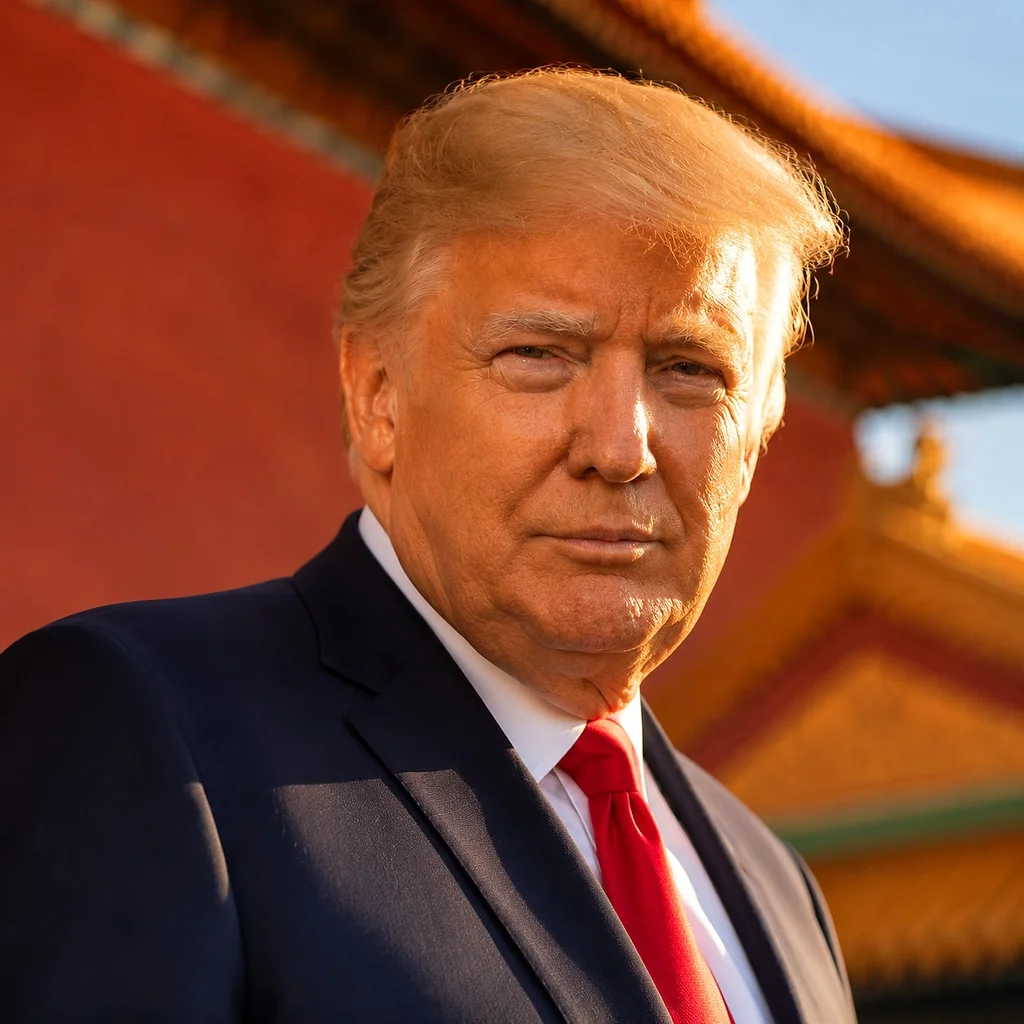
唱北京奥运会主题歌《我和你》的歌手刘欢去世,享年63岁
Liu Huan, Who Sang the 2008 Beijing Olympics Theme 'You and Me,' Dies at 63
3 min
What is on the HSK 6 word list?
In HSK 3.0, the exam from 13 December 2026, HSK 6 has 5,399 words. Of those, 1,800 are new at this level and the rest come from HSK 1–5. The old HSK 2.0 list had 5,000.
They cover chengyu, formal and classical register, and the layered vocabulary of serious written Chinese.
HSK 6 word list
All 5,334 words below, straight from the official HSK 3.0 syllabus. The 1,777 words new at HSK 6 come first, then earlier levels. The syllabus counts 5,399 entries because a few words are listed once per reading; each appears here once, with every reading.
Pinyin comes from the syllabus and definitions from CC-CEDICT. Tap any word to see its other senses without leaving the list. Words with a full Fluentide entry — character breakdown, usage notes, example sentences — link out from there.
Showing 1601–1650 of 5,334 · page 33 of 107
原料yuánliàoHSK 6raw material
- raw material
原始yuánshǐHSK 6first
- first
- original
- primitive
- original (document etc)
原先yuánxiānHSK 6originally
- originally
- original
- former
圆满yuánmǎnHSK 6satisfactory
- satisfactory
- consummate
- perfect
源于yuányúHSK 6has its origins in
- has its origins in
远程yuǎnchéngHSK 6remote
- remote
- long distance
- long range
远方yuǎnfāngHSK 6far away
- far away
- a distant location
约束yuēshùHSK 6to restrict
- to restrict
- to limit to
- to constrain
- restriction
- constraint
月光yuèguāngHSK 6moonlight
- moonlight
月球yuèqiúHSK 6the moon
- the moon
晕yūnHSK 6confused
- confused
- dizzy
- giddy
- to faint
- to swoon
- to lose consciousness
- to pass out
- dizzy
- halo
- ring around moon or sun
晕车yùnchēHSK 6to be carsick
- to be carsick
运送yùnsòngHSK 6to transport
- to transport
- to carry
运行yùnxíngHSK 6(of celestial bodies etc) to move along one's course
- (of celestial bodies etc) to move along one's course
- (fig.) to function
- to be in operation
- (of a train service etc) to operate
- to run
- (of a computer) to run
运营yùnyíngHSK 6to be in operation
- to be in operation
- to do business
- (of train, bus etc) to be in service
- operation
- service
杂záHSK 6mixed
- mixed
- miscellaneous
- various
- to mix
- variant of 杂
灾zāiHSK 6disaster
- disaster
- calamity
- variant of 灾
- old variant of 灾
灾害zāihàiHSK 6calamity
- calamity
- disaster
- CL:个
灾难zāinànHSK 6disaster
- disaster
- catastrophe
灾区zāiqūHSK 6disaster area
- disaster area
- stricken region
再三zàisānHSK 6over and over again
- over and over again
- again and again
再生zàishēngHSK 6to be reborn
- to be reborn
- to regenerate
- to be a second so-and-so (famous dead person)
- recycling
- regeneration
在意zàiyìHSK 6to care about
- to care about
- to mind
赞赏zànshǎngHSK 6to admire
- to admire
- to praise
- to appreciate
赞同zàntóngHSK 6to approve of
- to approve of
- to agree with (an opinion, action etc)
- to endorse
遭到zāodàoHSK 6to suffer
- to suffer
- to meet with (sth unfortunate)
遭受zāoshòuHSK 6to suffer
- to suffer
- to sustain (loss, misfortune)
遭遇zāoyùHSK 6to meet with
- to meet with
- to encounter (esp. misfortune or hardship)
- an experience (esp. adverse)
造型zàoxíngHSK 6to model
- to model
- to shape
- appearance
- style
- design
- form
- pose
噪声zàoshēngHSK 6noise
- noise
则zéHSK 6(literary) (conjunction used to express contrast with a previous clause) but
- (literary) (conjunction used to express contrast with a previous clause) but
- then
- (bound form) standard
- norm
- (bound form) principle
- (literary) to imitate
- to follow
- classifier for written items
扎zhāHSK 6to prick
- to prick
- to run or stick (a needle etc) into
- mug or jug used for serving beer (loanword from "jar")
- (of troops) to be stationed (at)
- Taiwan pr.
- to tie
- to bind
- classifier for flowers, banknotes etc: bundle
- Taiwan pr.
- used in 挣扎
- variant of 扎
- variant of 扎
粘zhānHSK 6to glue
- to glue
- to paste
- to adhere
- to stick to
- variant of 黏
粘贴zhāntiēHSK 6to stick
- to stick
- to affix
- to adhere
- to paste (as in "copy and paste")
- Taiwan pr.
- also written 黏贴
崭新zhǎnxīnHSK 6brand new
- brand new
占比zhànbǐHSK 6proportion
- proportion
- percentage
占据zhànjùHSK 6to occupy
- to occupy
- to hold
占有zhànyǒuHSK 6to have
- to have
- to own
- to hold
- to occupy
- to possess
- to account for (a high proportion etc)
战斗zhàndòuHSK 6to fight
- to fight
- to engage in combat
- struggle
- battle
- CL:场,次
战胜zhànshèngHSK 6to prevail over
- to prevail over
- to defeat
- to surmount
战争zhànzhēngHSK 6war
- war
- conflict
- CL:场,次
章zhāngHSK 6chapter
- chapter
- section
- clause
- movement (of symphony)
- seal
- badge
- regulation
- order
- surname Zhang
长辈zhǎngbèiHSK 6one's elders
- one's elders
- older generation
长短chángduǎnHSK 6length
- length
- accident
- mishap
- right and wrong
- good and bad
- merits and demerits
长寿chángshòuHSK 6longevity
- longevity
- long-lived
账单zhàngdānHSK 6bill
- bill
障碍zhàng’àiHSK 6barrier
- barrier
- obstruction
- hindrance
- impediment
- obstacle
招zhāoHSK 6to recruit
- to recruit
- to provoke
- to beckon
- to incur
- to infect
- contagious
- a move (chess)
- a maneuver
- device
- trick
- to confess
招待zhāodàiHSK 6to hold a reception
- to hold a reception
- to offer hospitality
- to entertain (guests)
- to serve (customers)
招生zhāoshēngHSK 6to enroll new students
- to enroll new students
- to get students
How to actually learn HSK 6 vocabulary
A word list is a checklist, not a method. Recognising a word on a page is a different skill from catching it at speed in a sentence — and the HSK listening section only tests the second one.
Read the list once, do not memorise it
You are looking for which words feel unfamiliar, not trying to learn them here.
Listen at your level daily
Fluentide's HSK 6 episodes are written inside this vocabulary band, so the words arrive in sentences instead of flashcards.
Look a word up only after you have heard it
A word you have already met in audio sticks in one reading. A word you meet cold takes many.
Come back to this list monthly
Use it as a progress check, not a study plan. The gaps you find are what to listen for next.
HSK 6 episodes to hear these words in
Every episode below is written inside the HSK 6 word band and read at HSK 6 speed. Press play — no account needed for the first few.
HSK 1 Chinese listening episodes


















































































































































































































HSK 2 Chinese listening episodes

HSK 3–4 Chinese listening episodes

Showing 12 of 250
HSK 5–6 Chinese listening episodes
Showing 12 of 251
The method in practice
Hear HSK 6 vocabulary in real Mandarin
Every HSK 6 episode is written inside this word band and read at HSK 6 speed, so words stick because you have heard them in a sentence. Full transcript, pinyin toggle, and line-by-line English on every episode. Five free episodes after a one-tap magic-link sign-in — no password, no payment.