

HSK 6 Vocabulary List: 5,399 Words (HSK 3.0)
In HSK 3.0, HSK 6 has 5,399 words in total, 1,800 of them new at this level. They cover chengyu, formal and classical register, and the layered vocabulary of serious written Chinese.
By Haoshan Hong · Native Mandarin speaker · Updated September 2026
Hear HSK 6 words in a real story

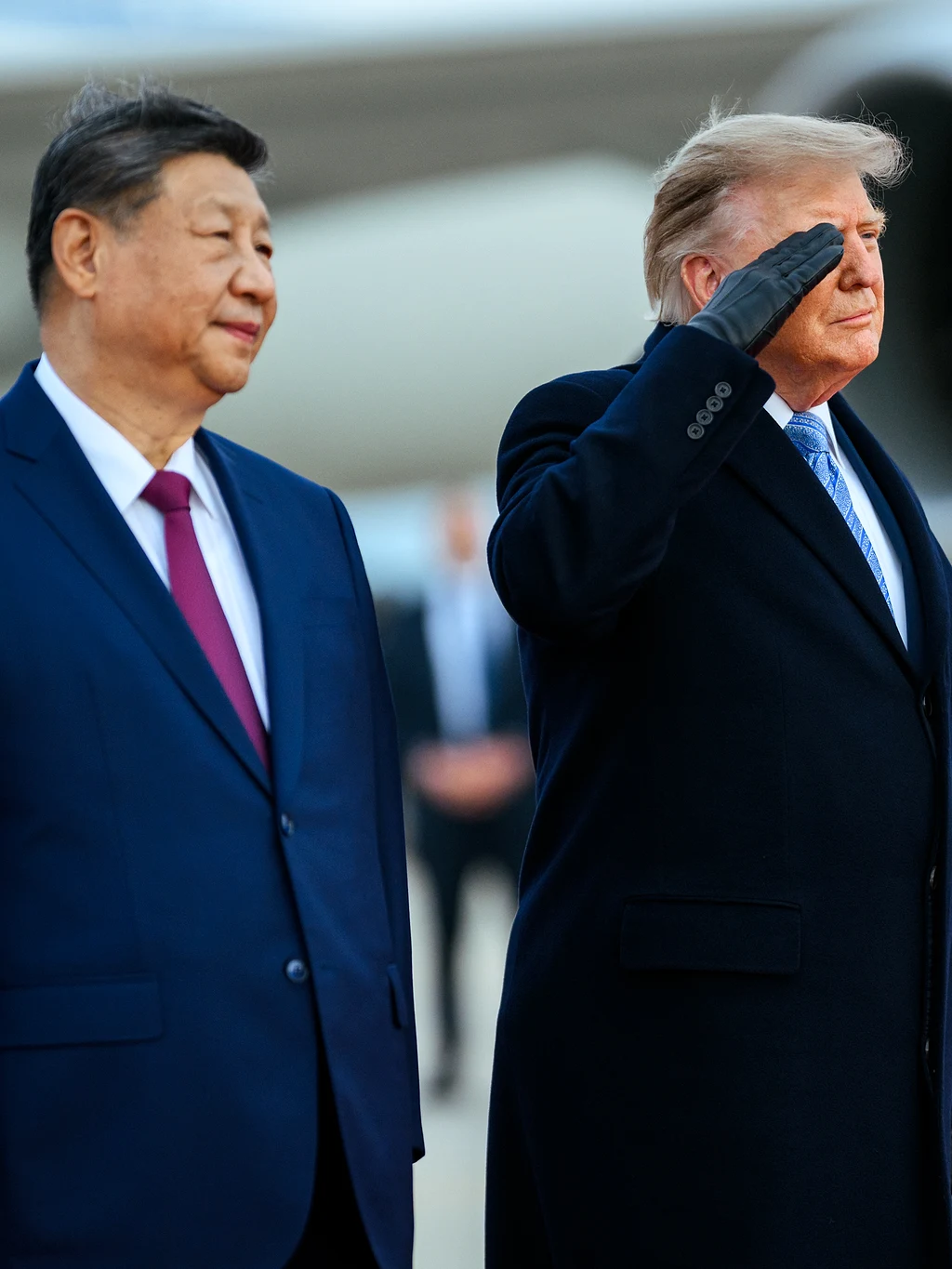
天上掉快递:亚马逊无人机让得州小城居民受不了
Boxes Falling From the Sky: Amazon's Delivery Drones Are Driving a Texas Suburb Up the Wall
3 min
What is on the HSK 6 word list?
In HSK 3.0, the exam from 13 December 2026, HSK 6 has 5,399 words. Of those, 1,800 are new at this level and the rest come from HSK 1–5. The old HSK 2.0 list had 5,000.
They cover chengyu, formal and classical register, and the layered vocabulary of serious written Chinese.
HSK 6 word list
All 5,334 words below, straight from the official HSK 3.0 syllabus. The 1,777 words new at HSK 6 come first, then earlier levels. The syllabus counts 5,399 entries because a few words are listed once per reading; each appears here once, with every reading.
Pinyin comes from the syllabus and definitions from CC-CEDICT. Tap any word to see its other senses without leaving the list. Words with a full Fluentide entry — character breakdown, usage notes, example sentences — link out from there.
Showing 2201–2250 of 5,334 · page 45 of 107
光明guāngmíngHSK 5light
- light
- radiance
- (fig.) bright (prospects etc)
- openhearted
光线guāngxiànHSK 5light ray
- light ray
- CL:条,道
- light
- illumination
- lighting (for a photograph)
广guǎngHSK 5wide
- wide
- numerous
- to spread
- "house on a cliff" radical in Chinese characters (Kangxi radical 53), occurring in 店, 序, 底 etc
- surname Guang
广场guǎngchǎngHSK 5public square
- public square
- plaza
广大guǎngdàHSK 5(of an area) vast or extensive
- (of an area) vast or extensive
- large-scale
- widespread
- (of people) numerous
广泛guǎngfànHSK 5wide
- wide
- broad
- extensive
- widespread
规律guīlǜHSK 5rule (e.g. of science)
- rule (e.g. of science)
- law of behavior
- regular pattern
- rhythm
- discipline
规模guīmóHSK 5scale
- scale
- scope
- extent
规则guīzéHSK 5rule
- rule
- regulation
- regular
- orderly
- fixed
柜子guìziHSK 5cupboard
- cupboard
- cabinet
贵姓guìxìngHSK 5what is your surname?
- what is your surname?
- (May I ask) your surname?
滚gǔnHSK 5to boil
- to boil
- to roll
- to take a hike
- Get lost!
锅guōHSK 5pot
- pot
- pan
- wok
- cauldron
- pot-shaped thing
- CL:口,只
国画guóhuàHSK 5traditional Chinese painting
- traditional Chinese painting
国庆guóqìngHSK 5National Day
- National Day
果然guǒránHSK 5really
- really
- sure enough
- as expected
- if indeed
果实guǒshíHSK 5fruit (produced by a plant)
- fruit (produced by a plant)
- (fig.) fruits (of success etc)
- results
- gains
过度guòdùHSK 5excessive
- excessive
- over-
- excess
- going too far
- extravagant
- intemperate
- overdue
过分guòfènHSK 5excessive
- excessive
- undue
- unduly
- overly
过敏guòmǐnHSK 5(medicine) allergic
- (medicine) allergic
- hypersensitive
- (fig.) oversensitive
- prone to overreact
过期guòqīHSK 5to be overdue
- to be overdue
- to exceed the time limit
- to expire (as in expiration date)
过于guòyúHSK 5excessively
- excessively
- too
哈hāHSK 5(interj.) ha!
- (interj.) ha!
- (onom. for laughter)
- (slang) to be infatuated with
- to adore
- (bound form) husky (dog) (abbr. for 哈士奇)
- a Pekinese
- a pug
- (dialect) to scold
- abbr. for 哈萨克斯坦, Kazakhstan
- abbr. for 哈尔滨, Harbin
海关hǎiguānHSK 5customs (i.e. border crossing inspection)
- customs (i.e. border crossing inspection)
- CL:个
海外hǎiwàiHSK 5overseas
- overseas
- abroad
海鲜hǎixiānHSK 5seafood
- seafood
含hánHSK 5to keep in the mouth
- to keep in the mouth
- to contain
含量hánliàngHSK 5content
- content
- quantity contained
含有hányǒuHSK 5to contain
- to contain
- including
汗水hànshuǐHSK 5sweat
- sweat
- perspiration
好评hǎopíngHSK 5favorable criticism
- favorable criticism
- positive evaluation
好奇hàoqíHSK 5inquisitive
- inquisitive
- curious
- inquisitiveness
- curiosity
好运hǎoyùnHSK 5good luck
- good luck
好转hǎozhuǎnHSK 5to improve
- to improve
- to take a turn for the better
- improvement
合héHSK 5to close
- to close
- to join
- to fit
- to be equal to
- whole
- together
- round (in battle)
- conjunction (astronomy)
- 1st note of pentatonic scale
- 100 ml
- one-tenth of a peck
- measure for dry grain equal to one-tenth of sheng 升 or liter, or one-hundredth dou 斗
- old variant of 盒
- variant of 合
合法héfǎHSK 5lawful
- lawful
- legitimate
- legal
合理hélǐHSK 5rational
- rational
- reasonable
- sensible
- fair
合同hétóngHSK 5contract
- contract
- agreement
- CL:份
合影héyǐngHSK 5group photo
- group photo
- to take a group photo
合作hézuòHSK 5to cooperate
- to cooperate
- to collaborate
- to work together
河流héliúHSK 5river
- river
- CL:条
盒饭héfànHSK 5meal in a partitioned box
- meal in a partitioned box
黑hēiHSK 5black
- black
- dark
- sinister
- secret
- shady
- illegal
- to hide (sth) away
- to vilify
- (loanword) to hack (computing)
- short name for Heilongjiang 黑龙江
红hóngHSK 5red
- red
- popular
- revolutionary
- bonus
- surname Hong
- used in 女红
猴子hóuziHSK 5monkey
后果hòuguǒHSK 5consequences
- consequences
- aftermath
厚度hòudùHSK 5thickness
- thickness
呼吸hūxīHSK 5to breathe
- to breathe
忽视hūshìHSK 5to neglect
- to neglect
- to overlook
- to disregard
- to ignore
胡同hútòngHSK 5lane
- lane
- alley
- CL:条
How to actually learn HSK 6 vocabulary
A word list is a checklist, not a method. Recognising a word on a page is a different skill from catching it at speed in a sentence — and the HSK listening section only tests the second one.
Read the list once, do not memorise it
You are looking for which words feel unfamiliar, not trying to learn them here.
Listen at your level daily
Fluentide's HSK 6 episodes are written inside this vocabulary band, so the words arrive in sentences instead of flashcards.
Look a word up only after you have heard it
A word you have already met in audio sticks in one reading. A word you meet cold takes many.
Come back to this list monthly
Use it as a progress check, not a study plan. The gaps you find are what to listen for next.
HSK 6 episodes to hear these words in
Every episode below is written inside the HSK 6 word band and read at HSK 6 speed. Press play — no account needed for the first few.
HSK 1 Chinese listening episodes









































































































































































































































HSK 2 Chinese listening episodes
HSK 3–4 Chinese listening episodes
Showing 12 of 250
HSK 5–6 Chinese listening episodes
Showing 12 of 250
The method in practice
Hear HSK 6 vocabulary in real Mandarin
Every HSK 6 episode is written inside this word band and read at HSK 6 speed, so words stick because you have heard them in a sentence. Full transcript, pinyin toggle, and line-by-line English on every episode. Five free episodes after a one-tap magic-link sign-in — no password, no payment.