

HSK 6 Vocabulary List: 5,399 Words (HSK 3.0)
In HSK 3.0, HSK 6 has 5,399 words in total, 1,800 of them new at this level. They cover chengyu, formal and classical register, and the layered vocabulary of serious written Chinese.
By Haoshan Hong · Native Mandarin speaker · Updated September 2026
Hear HSK 6 words in a real story

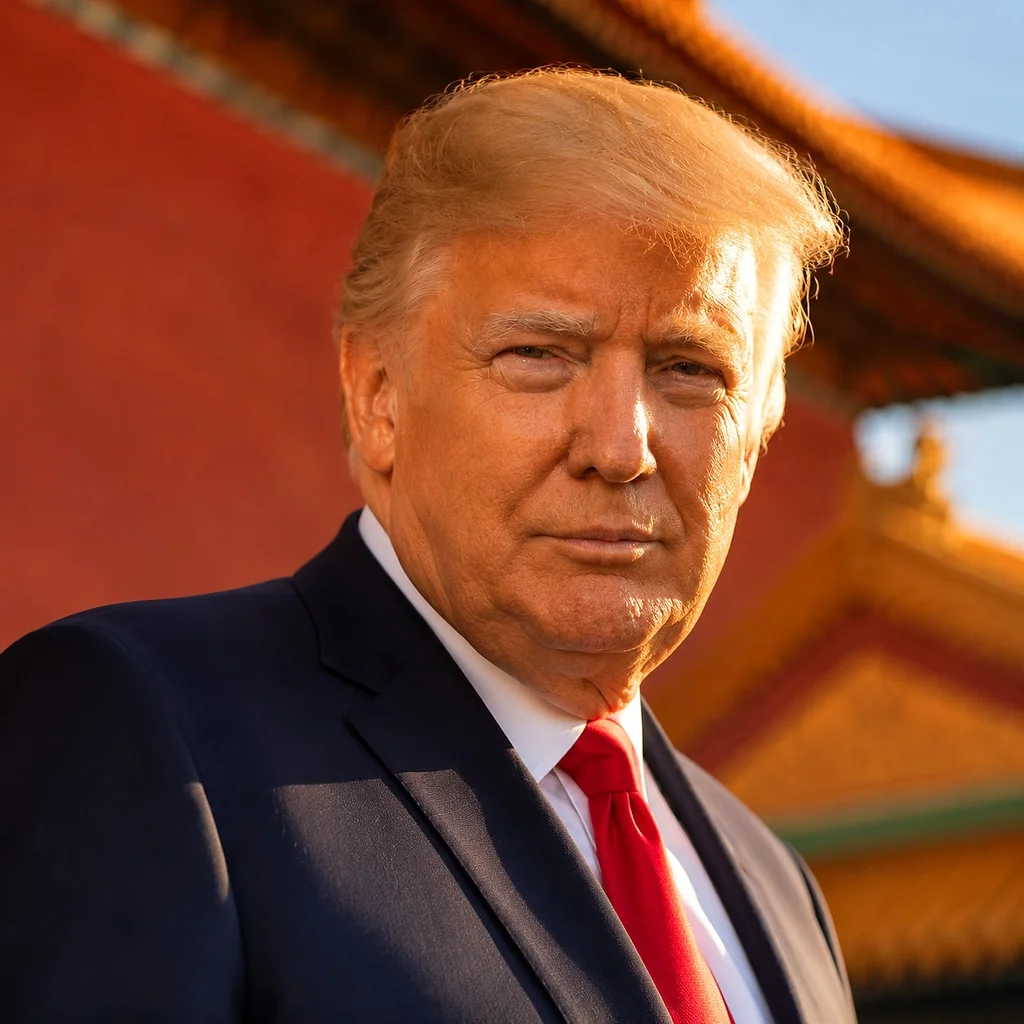
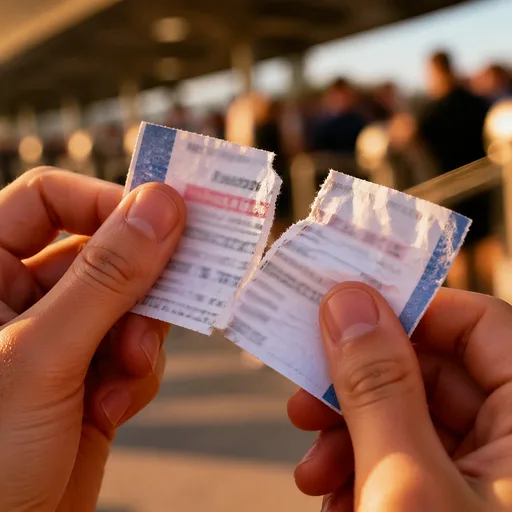
天上掉快递:亚马逊无人机让得州小城居民受不了
Boxes Falling From the Sky: Amazon's Delivery Drones Are Driving a Texas Suburb Up the Wall
3 min
What is on the HSK 6 word list?
In HSK 3.0, the exam from 13 December 2026, HSK 6 has 5,399 words. Of those, 1,800 are new at this level and the rest come from HSK 1–5. The old HSK 2.0 list had 5,000.
They cover chengyu, formal and classical register, and the layered vocabulary of serious written Chinese.
HSK 6 word list
All 5,334 words below, straight from the official HSK 3.0 syllabus. The 1,777 words new at HSK 6 come first, then earlier levels. The syllabus counts 5,399 entries because a few words are listed once per reading; each appears here once, with every reading.
Pinyin comes from the syllabus and definitions from CC-CEDICT. Tap any word to see its other senses without leaving the list. Words with a full Fluentide entry — character breakdown, usage notes, example sentences — link out from there.
Showing 3201–3250 of 5,334 · page 65 of 107
早已zǎoyǐHSK 5for a long time
- for a long time
- long since
- (dialect) in the past
造zàoHSK 5to make
- to make
- to build
- to manufacture
- to invent
- to fabricate
- to go to
- party (in a lawsuit or legal agreement)
- crop
- classifier for crops
造成zàochéngHSK 5to bring about
- to bring about
- to create
- to cause
增zēngHSK 5(bound form) to increase
- (bound form) to increase
- to augment
- to add to
增进zēngjìnHSK 5to promote
- to promote
- to enhance
- to further
- to advance (a cause etc)
增强zēngqiángHSK 5to increase
- to increase
- to strengthen
赠zèngHSK 5to give as a present
- to give as a present
- to repel
- to bestow an honorary title after death (old)
赠送zèngsòngHSK 5to present as a gift
- to present as a gift
炸zhá / zhàHSK 5to burst
- to burst
- to explode
- to blow up
- to bomb
- (coll.) to fly into a rage
- (coll.) to scamper off
- to scatter
- to deep fry
- (coll.) to blanch (a vegetable)
- Taiwan pr.
摘zhāiHSK 5to take
- to take
- to pick (flowers, fruit etc)
- to pluck
- to remove
- to take off (glasses, hat etc)
- to select
- to pick out
- to borrow money at a time of urgent need
窄zhǎiHSK 5narrow
- narrow
- narrow-minded
- badly off
展出zhǎnchūHSK 5to put on display
- to put on display
- to be on show
- to exhibit
展开zhǎnkāiHSK 5to unfold
- to unfold
- to spread out
- to open up
- to launch
- to carry out
展览zhǎnlǎnHSK 5to put on display
- to put on display
- to exhibit
- exhibition
- show
- CL:个,次
展示zhǎnshìHSK 5to reveal
- to reveal
- to display
- to show
- to exhibit
展现zhǎnxiànHSK 5to unfold before one's eyes
- to unfold before one's eyes
- to emerge
- to reveal
- to display
占zhànHSK 5to take possession of
- to take possession of
- to occupy
- to take up
- to observe
- to divine
- variant of 占
占线zhànxiànHSK 5busy (telephone line)
- busy (telephone line)
站台zhàntáiHSK 5platform (at a railway station)
- platform (at a railway station)
- (Tw) (of an influential person) to publicly endorse or campaign for (a candidate)
- (Tw) (dated) website
长处chángchùHSK 5good aspects
- good aspects
- strong points
长度chángdùHSK 5length
- length
长久chángjiǔHSK 5long-time
- long-time
- long-term
- lasting
- enduring
- permanent
- for a long time
长期chángqīHSK 5long-term
- long-term
- for a protracted period
长途chángtúHSK 5long distance
- long distance
- long-distance phone call (abbr. for 长途电话)
- long-distance coach (abbr. for 长途汽车)
长远chángyuǎnHSK 5long-term
- long-term
- long-range
涨zhǎngHSK 5to rise (of prices, rivers)
- to rise (of prices, rivers)
- to swell
- to distend
涨价zhǎngjiàHSK 5to appreciate (in value)
- to appreciate (in value)
- to increase in price
掌声zhǎngshēngHSK 5applause
- applause
- CL:阵
掌握zhǎngwòHSK 5to grasp (often fig.)
- to grasp (often fig.)
- to control
- to seize (initiative, opportunity, destiny)
- to master
- to know well
- to understand sth well and know how to use it
- fluency
账号zhànghàoHSK 5account number
- account number
- account
- username
账户zhànghùHSK 5(bank, computer etc) account
- (bank, computer etc) account
召开zhàokāiHSK 5to convene (a conference or meeting)
- to convene (a conference or meeting)
- to convoke
- to call together
折扣zhékòuHSK 5discount
- discount
哲学zhéxuéHSK 5philosophy
- philosophy
着凉zháoliángHSK 5to catch cold
- to catch cold
- Taiwan pr.
针对zhēnduìHSK 5to target
- to target
- to focus on
- to be aimed at or against
- in response to
珍贵zhēnguìHSK 5precious
- precious
珍惜zhēnxīHSK 5to treasure
- to treasure
- to value
- to cherish
真诚zhēnchéngHSK 5sincere
- sincere
- genuine
- true
真实zhēnshíHSK 5true
- true
- real
诊断zhěnduànHSK 5to diagnose
- to diagnose
阵zhènHSK 5disposition of troops
- disposition of troops
- wave
- spate
- burst
- spell
- short period of time
- classifier for events or states of short duration
争zhēngHSK 5to strive for
- to strive for
- to vie for
- to argue or debate
- deficient or lacking (dialect)
- how or what (literary)
争取zhēngqǔHSK 5to fight for
- to fight for
- to strive for
- to win over
挣zhèngHSK 5to struggle to get free
- to struggle to get free
- to strive to acquire
- to make (money)
- used in 挣扎
整齐zhěngqíHSK 5orderly
- orderly
- neat
- even
- tidy
整体zhěngtǐHSK 5whole
- whole
- entirety
- overall
- whole
- general
- on the whole
- overall
整整zhěngzhěngHSK 5whole
- whole
- full
正如zhèngrúHSK 5just as
- just as
- precisely as
证据zhèngjùHSK 5evidence
- evidence
- proof
- testimony
How to actually learn HSK 6 vocabulary
A word list is a checklist, not a method. Recognising a word on a page is a different skill from catching it at speed in a sentence — and the HSK listening section only tests the second one.
Read the list once, do not memorise it
You are looking for which words feel unfamiliar, not trying to learn them here.
Listen at your level daily
Fluentide's HSK 6 episodes are written inside this vocabulary band, so the words arrive in sentences instead of flashcards.
Look a word up only after you have heard it
A word you have already met in audio sticks in one reading. A word you meet cold takes many.
Come back to this list monthly
Use it as a progress check, not a study plan. The gaps you find are what to listen for next.
HSK 6 episodes to hear these words in
Every episode below is written inside the HSK 6 word band and read at HSK 6 speed. Press play — no account needed for the first few.
HSK 1 Chinese listening episodes








































































































































































































































HSK 2 Chinese listening episodes
HSK 3–4 Chinese listening episodes

Showing 12 of 250
HSK 5–6 Chinese listening episodes
Showing 12 of 250
The method in practice
Hear HSK 6 vocabulary in real Mandarin
Every HSK 6 episode is written inside this word band and read at HSK 6 speed, so words stick because you have heard them in a sentence. Full transcript, pinyin toggle, and line-by-line English on every episode. Five free episodes after a one-tap magic-link sign-in — no password, no payment.