

HSK 6 Vocabulary List: 5,000 Words
HSK 6 assumes 5,000 cumulative words — 2500 of them new at this level. They cover chengyu, formal and classical register, and the layered vocabulary of serious written Chinese.
By Haoshan HongNative Mandarin speakerUpdated July 2026
Hear HSK 6 words in a real story

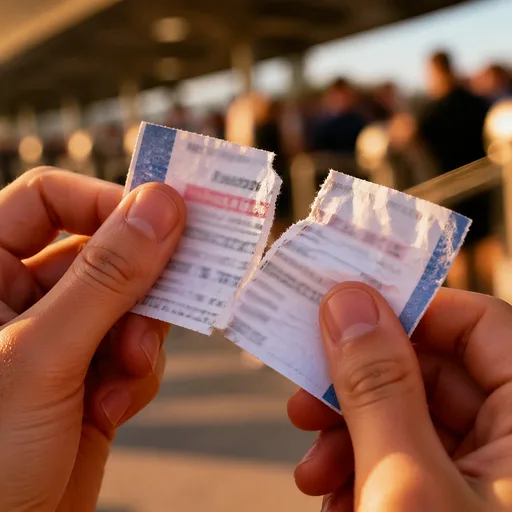
黄石公园热泉区清出280多顶帽子
Yellowstone Finds Over 280 Hats in Hot-Spring Areas
1 min
What is on the HSK 6 word list?
The HSK word lists are published and cumulative, which is what makes the exam a finite target. HSK 6 assumes 5,000 words in total — 2,500 of them introduced at this level.
They cover chengyu, formal and classical register, and the layered vocabulary of serious written Chinese.
HSK 6 word list
All 4,991 entries below, straight from the official Hanban HSK 2.0 list. The 2,500 words new at HSK 6 come first, then earlier levels.
Pinyin and definitions come from CC-CEDICT. Tap any word to see its other senses without leaving the list. Words with a full Fluentide entry — character breakdown, usage notes, example sentences — link out from there.
Showing 4501–4550 of 4,991 · page 91 of 100
会议huìyìHSK 3meeting
- meeting
- conference
- CL:场,届
或者huòzhěHSK 3or
- or
- possibly
- maybe
- perhaps
机会jīhuìHSK 3opportunity
- opportunity
- chance
- occasion
- CL:个
极jíHSK 3extremely
- extremely
- pole (geography, physics)
- utmost
- top
几乎jīhūHSK 3almost
- almost
- nearly
- practically
记得jìdeHSK 3to remember
季节jìjiéHSK 3time
- time
- season
- period
- CL:个
检查jiǎncháHSK 3inspection
- inspection
- to examine
- to inspect
- CL:次
简单jiǎndānHSK 3simple
- simple
- not complicated
见面jiànmiànHSK 3to meet
- to meet
- to see each other
- CL:次
健康jiànkāngHSK 3health
- health
- healthy
讲jiǎngHSK 3to speak
- to speak
- to explain
- to negotiate
- to emphasize
- to be particular about
- as far as sth is concerned
- speech
- lecture
角jiǎoHSK 3angle
- angle
- corner
- horn
- horn-shaped
- unit of money equal to 0.1 yuan, or 10 cents (a dime)
- CL:个
- role (theater)
- to compete
- ancient three legged wine vessel
- third note of pentatonic scale
- surname Jue
脚jiǎoHSK 3foot
- foot
- leg (of an animal or an object)
- base (of an object)
- CL:双,只
- classifier for kicks
- role (variant of 角)
教jiàoHSK 3(bound form) to teach
- (bound form) to teach
- to instruct
- a religion
- to cause (sb to do sth)
- to tell (sb to do sth)
- to teach
- to instruct
- surname Jiao
接jiēHSK 3to receive
- to receive
- to answer (the phone)
- to meet or welcome sb
- to connect
- to catch
- to join
- to extend
- to take one's turn on duty
- to take over for sb
街道jiēdàoHSK 3street
- street
- CL:条
- subdistrict
- residential district
节目jiémùHSK 3(TV or radio) program
- (TV or radio) program
- show
- item
- act
- segment
- number (on the program of a concert, variety show or cultural event)
- a planned activity (in one's schedule)
- CL:场,项,台,套,档
节日jiérìHSK 3holiday
- holiday
- festival
- CL:个
结婚jiéhūnHSK 3to marry
- to marry
- to get married
结束jiéshùHSK 3to end
- to end
- to finish
- to conclude
解决jiějuéHSK 3to solve
- to solve
- to resolve
- to settle (a problem)
- to eliminate
- to wipe out (an enemy, bandits etc)
借jièHSK 3to borrow
- to borrow
- (used in combination with 给 or 出 etc) to lend
- to make use of
- to avail oneself of
- (sometimes followed by 着) by
- with
- variant of 借
经常jīngchángHSK 3frequently
- frequently
- constantly
- regularly
- often
- day-to-day
- everyday
- daily
经过jīngguòHSK 3to pass
- to pass
- to go through
- process
- course
- CL:个
经理jīnglǐHSK 3manager
- manager
- director
- CL:个,位,名
久jiǔHSK 3(of a period of time) long
- (of a period of time) long
旧jiùHSK 3old
- old
- opposite: new 新
- former
- worn (with age)
举行jǔxíngHSK 3to hold (a meeting, ceremony etc)
- to hold (a meeting, ceremony etc)
句子jùziHSK 3sentence
- sentence
- CL:个
决定juédìngHSK 3to decide
- to decide
- to determine
- to make up one's mind
- decision (CL:个,项)
可爱kěàiHSK 3adorable
- adorable
- cute
- lovely
渴kěHSK 3thirsty
刻kèHSK 3quarter (hour)
- quarter (hour)
- moment
- to carve
- to engrave
- to cut
- oppressive
- classifier for short time intervals
客人kèrénHSK 3visitor
- visitor
- guest
- customer
空调kōngtiáoHSK 3air conditioning
- air conditioning
- air conditioner (including units that have a heating mode)
- CL:台
口kǒuHSK 3mouth
- mouth
- classifier for things with mouths (people, domestic animals, cannons, wells etc)
- classifier for bites or mouthfuls
哭kūHSK 3to cry
- to cry
- to weep
裤子kùziHSK 3trousers
- trousers
- pants
- CL:条
筷子kuàiziHSK 3chopsticks
- chopsticks
- CL:对,根,把,双
蓝lánHSK 3blue
- blue
- indigo plant
- surname Lan
老lǎoHSK 3prefix used before the surname of a person or a numeral indicating the order of birth of the children in a family or to indicate affection or familiarity
- prefix used before the surname of a person or a numeral indicating the order of birth of the children in a family or to indicate affection or familiarity
- old (of people)
- venerable (person)
- experienced
- of long standing
- always
- all the time
- of the past
- very
- outdated
- (of meat etc) tough
了解liǎojiěHSK 3to understand
- to understand
- to know about
- to learn about
- to find out
离开líkāiHSK 3to depart
- to depart
- to leave
礼物lǐwùHSK 3gift
- gift
- present
- CL:件,份
历史lìshǐHSK 3history
- history
- CL:门,段
脸liǎnHSK 3face
练习liànxíHSK 3to practice
- to practice
- exercise
- drill
- practice
- CL:个
辆liàngHSK 3classifier for vehicles
- classifier for vehicles
邻居línjūHSK 3neighbor
How to actually learn HSK 6 vocabulary
A word list is a checklist, not a method. Recognising a word on a page is a different skill from catching it at speed in a sentence — and the HSK listening section only tests the second one.
Read the list once, do not memorise it
You are looking for which words feel unfamiliar, not trying to learn them here.
Listen at your level daily
Fluentide's HSK 6 episodes are written inside this vocabulary band, so the words arrive in sentences instead of flashcards.
Look a word up only after you have heard it
A word you have already met in audio sticks in one reading. A word you meet cold takes many.
Come back to this list monthly
Use it as a progress check, not a study plan. The gaps you find are what to listen for next.
HSK 6 episodes to hear these words in
Every episode below is written inside the HSK 6 word band and read at HSK 6 speed. Press play — no account needed for the first few.





































































































































































































































HSK 5–6 Chinese listening episodes
Showing 12 of 246
The method in practice
Hear HSK 6 vocabulary in real Mandarin
Every HSK 6 episode is written inside this word band and read at HSK 6 speed, so words stick because you have heard them in a sentence. Full transcript, pinyin toggle, and line-by-line English on every episode. Five free episodes after a one-tap magic-link sign-in — no password, no payment.