

HSK 6 Vocabulary List: 5,399 Words (HSK 3.0)
In HSK 3.0, HSK 6 has 5,399 words in total, 1,800 of them new at this level. They cover chengyu, formal and classical register, and the layered vocabulary of serious written Chinese.
By Haoshan Hong · Native Mandarin speaker · Updated September 2026
Hear HSK 6 words in a real story

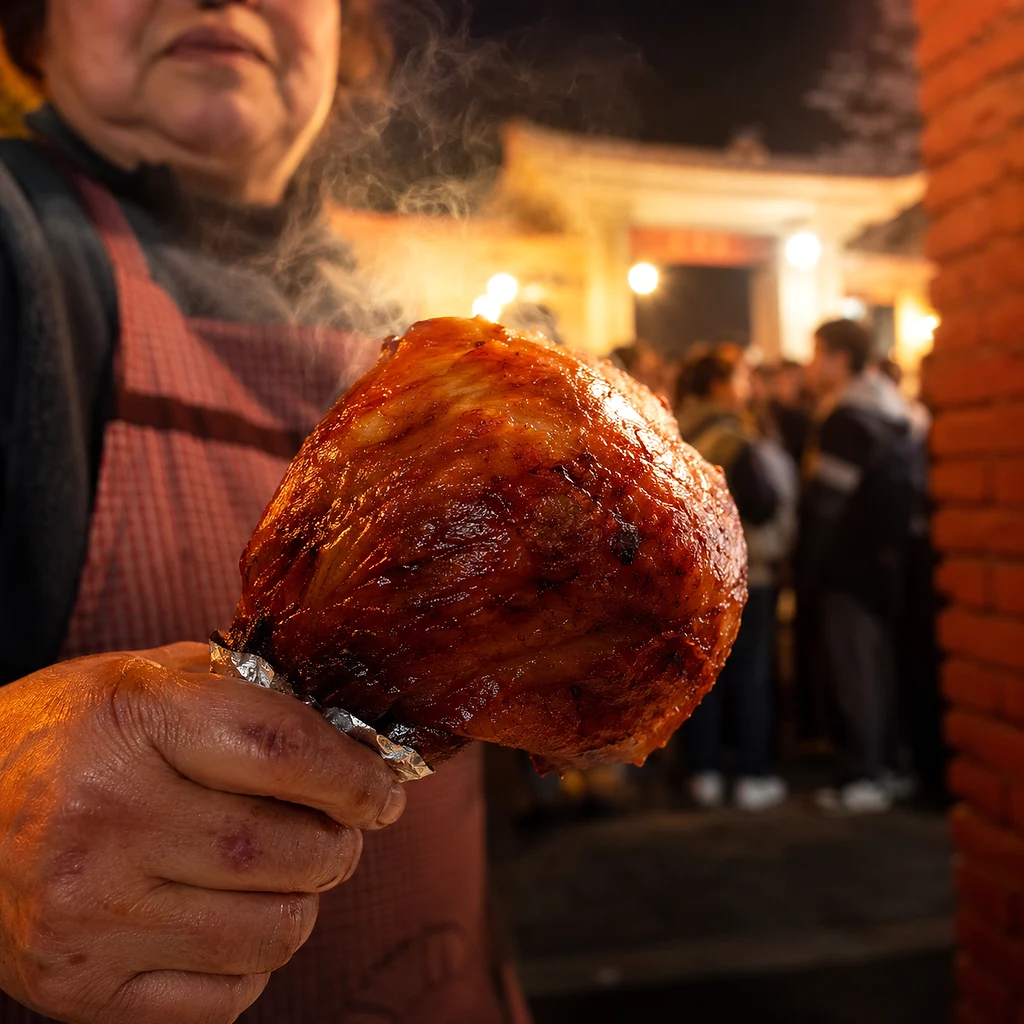
天上掉快递:亚马逊无人机让得州小城居民受不了
Boxes Falling From the Sky: Amazon's Delivery Drones Are Driving a Texas Suburb Up the Wall
3 min
What is on the HSK 6 word list?
In HSK 3.0, the exam from 13 December 2026, HSK 6 has 5,399 words. Of those, 1,800 are new at this level and the rest come from HSK 1–5. The old HSK 2.0 list had 5,000.
They cover chengyu, formal and classical register, and the layered vocabulary of serious written Chinese.
HSK 6 word list
All 5,334 words below, straight from the official HSK 3.0 syllabus. The 1,777 words new at HSK 6 come first, then earlier levels. The syllabus counts 5,399 entries because a few words are listed once per reading; each appears here once, with every reading.
Pinyin comes from the syllabus and definitions from CC-CEDICT. Tap any word to see its other senses without leaving the list. Words with a full Fluentide entry — character breakdown, usage notes, example sentences — link out from there.
Showing 3951–4000 of 5,334 · page 80 of 107
全球quánqiúHSK 4the whole world
- the whole world
- worldwide
- global
全身quánshēnHSK 4the whole body
- the whole body
- (typography) em
缺quēHSK 4deficiency
- deficiency
- lack
- scarce
- vacant post
- to run short of
缺点quēdiǎnHSK 4weak point
- weak point
- fault
- shortcoming
- disadvantage
- CL:个
缺少quēshǎoHSK 4lack
- lack
- shortage of
- shortfall
- to be short (of)
- to lack
却quèHSK 4but
- but
- yet
- however
- while
- to go back
- to decline
- to retreat
- nevertheless
- even though
- old variant of 却
确实quèshíHSK 4indeed
- indeed
- really
- reliable
- real
- true
然而rán’érHSK 4however
- however
- but
- yet
热闹rènaoHSK 4bustling with noise and excitement
- bustling with noise and excitement
- lively
人生rénshēngHSK 4life (one's time on earth)
- life (one's time on earth)
人数rénshùHSK 4number of people
- number of people
人员rényuánHSK 4staff
- staff
- crew
- personnel
- CL:个
任何rènhéHSK 4any
- any
- whatever
- whichever
任务rènwuHSK 4mission
- mission
- assignment
- task
- duty
- role
- CL:项
扔rēngHSK 4to throw
- to throw
- to throw away
仍réngHSK 4still
- still
- yet
- to remain
- (literary) frequently
- often
仍然réngránHSK 4still
- still
- as before
- yet
日常rìchángHSK 4day-to-day
- day-to-day
- daily
- everyday
日记rìjìHSK 4diary
- diary
- CL:则,本,篇
日期rìqīHSK 4date
- date
日子rìziHSK 4day
- day
- a (calendar) date
- days of one's life
入rùHSK 4to enter
- to enter
- to go into
- to join
- to become a member of
- (bound form) to conform to (as in 入时)
- (on product packaging, after {number n} + {classifier}) containing (n pieces) (from Japanese 入 "iri")
- abbr. for 入声
入口rùkǒuHSK 4entrance
- entrance
- to import
入学rùxuéHSK 4to enter a school or college
- to enter a school or college
- to go to school for the first time as a child
入住rùzhùHSK 4to check in (at a hotel etc)
- to check in (at a hotel etc)
- to move into (a house)
散步sànbùHSK 4to take a walk
- to take a walk
- to go for a walk
扫码sǎomǎHSK 4to scan a QR code or barcode
- to scan a QR code or barcode
森林sēnlínHSK 4forest
- forest
- CL:片
伤心shāngxīnHSK 4to grieve
- to grieve
- to be broken-hearted
- to feel deeply hurt
商量shāngliangHSK 4to consult
- to consult
- to talk over
- to discuss
商品shāngpǐnHSK 4commodity
- commodity
- goods
- merchandise
- CL:件
上门shàngménHSK 4to drop in
- to drop in
- to visit
- to lock a door
- (of a shop) to close
- to go and live with one's wife's family, in effect becoming a member of her family
稍shāoHSK 4somewhat
- somewhat
- a little
- used in 稍息
稍微shāowēiHSK 4a little bit
- a little bit
少见shǎojiànHSK 4rare
- rare
- seldom seen
- (formal) it's a rare pleasure to see you
少量shǎoliàngHSK 4a smidgen
- a smidgen
- a little bit
- a few
少年shàoniánHSK 4early youth
- early youth
- youngster
- (literary) youth
- young man
少数shǎoshùHSK 4small number
- small number
- few
- minority
社会shèhuìHSK 4society
摄氏度shèshìdùHSK 4°C (degrees Celsius)
- °C (degrees Celsius)
申请shēnqǐngHSK 4to apply for sth
- to apply for sth
- application form (CL:份)
身shēnHSK 4body
- body
- life
- oneself
- personally
- one's morality and conduct
- the main part of a structure or body
- pregnant
- classifier for sets of clothes: suit, twinset
- Kangxi radical 158
身份证shēnfènzhèngHSK 4identity card
- identity card
- ID
深shēnHSK 4(lit. and fig.) deep
- (lit. and fig.) deep
- old variant of 深
甚至shènzhìHSK 4even
- even
- so much so that
生shēngHSK 4to grow
- to grow
- to give birth
- to produce
- to be born
- to arise
- to occur
- to light (a fire)
- to live
- to be alive
- life
- raw
- uncooked
- unprocessed
- unfamiliar
- strange
- (bound form) student
- person engaged in a field
- (bound form) male role in traditional opera
- (bound form) life
- lifetime
- (bound form) means of livelihood
- (bound form) very
- intensely (as in 生疼)
- (bound form) in a forced manner (as in 生拉硬拽)
生命shēngmìngHSK 4life (as the characteristic of living beings)
- life (as the characteristic of living beings)
- living being
- creature (CL:条)
生意shēngyiHSK 4life force
- life force
- vitality
省shěngHSK 4to save
- to save
- to economize
- to be frugal
- to omit
- to delete
- to leave out
- province
- provincial capital
- a ministry (of the Japanese government)
- (bound form) to scrutinize
- (bound form) to reflect (on one's conduct)
- (bound form) to come to realize
- (bound form) to pay a visit (to one's parents or elders)
剩shèngHSK 4to remain
- to remain
- to be left
- to have as remainder
- variant of 剩
How to actually learn HSK 6 vocabulary
A word list is a checklist, not a method. Recognising a word on a page is a different skill from catching it at speed in a sentence — and the HSK listening section only tests the second one.
Read the list once, do not memorise it
You are looking for which words feel unfamiliar, not trying to learn them here.
Listen at your level daily
Fluentide's HSK 6 episodes are written inside this vocabulary band, so the words arrive in sentences instead of flashcards.
Look a word up only after you have heard it
A word you have already met in audio sticks in one reading. A word you meet cold takes many.
Come back to this list monthly
Use it as a progress check, not a study plan. The gaps you find are what to listen for next.
HSK 6 episodes to hear these words in
Every episode below is written inside the HSK 6 word band and read at HSK 6 speed. Press play — no account needed for the first few.
HSK 1 Chinese listening episodes










































































































































































































































HSK 2 Chinese listening episodes
HSK 3–4 Chinese listening episodes

Showing 12 of 250
HSK 5–6 Chinese listening episodes
Showing 12 of 250
The method in practice
Hear HSK 6 vocabulary in real Mandarin
Every HSK 6 episode is written inside this word band and read at HSK 6 speed, so words stick because you have heard them in a sentence. Full transcript, pinyin toggle, and line-by-line English on every episode. Five free episodes after a one-tap magic-link sign-in — no password, no payment.