

HSK 6 Vocabulary List: 5,399 Words (HSK 3.0)
In HSK 3.0, HSK 6 has 5,399 words in total, 1,800 of them new at this level. They cover chengyu, formal and classical register, and the layered vocabulary of serious written Chinese.
By Haoshan Hong · Native Mandarin speaker · Updated September 2026
Hear HSK 6 words in a real story

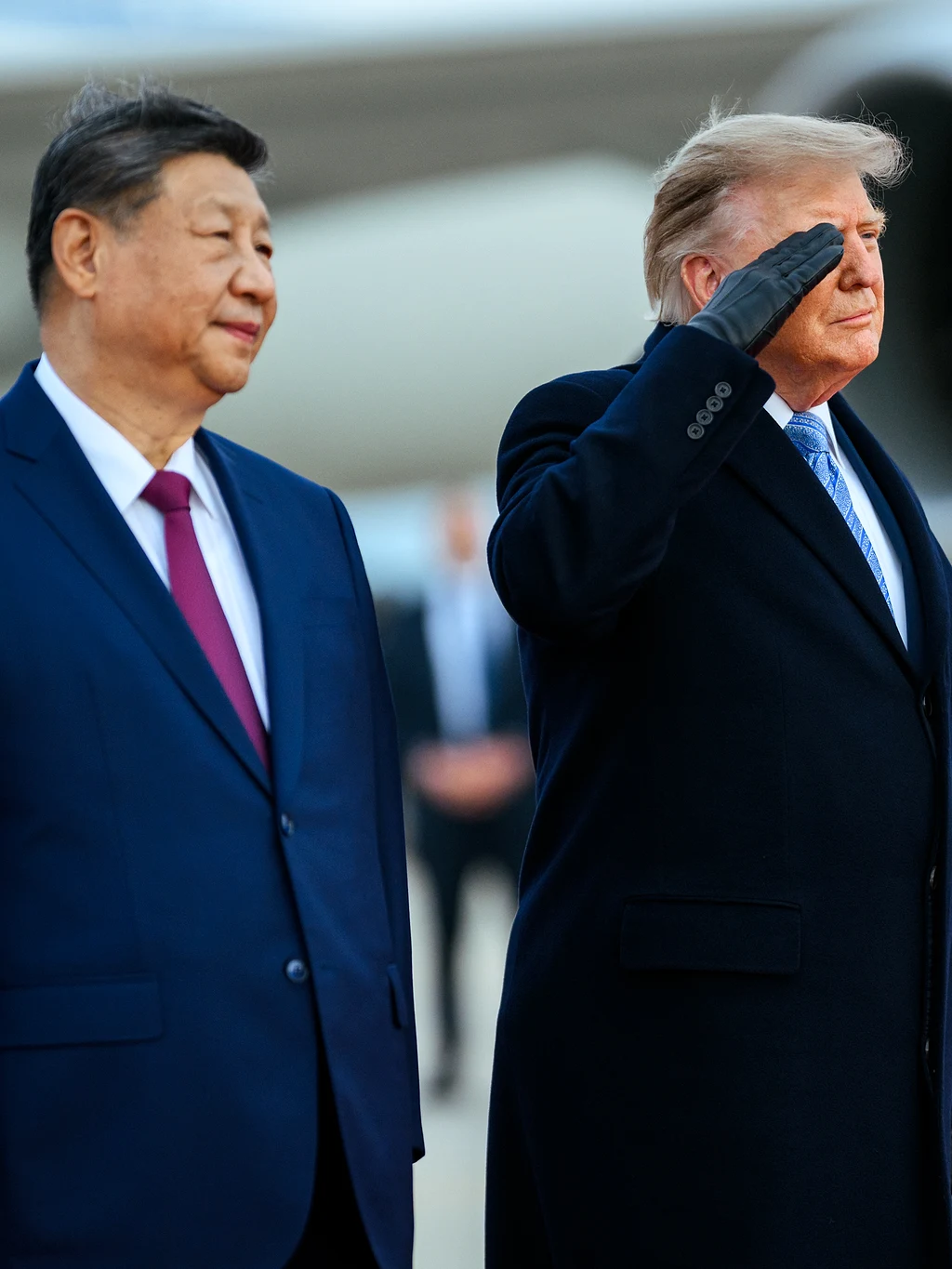
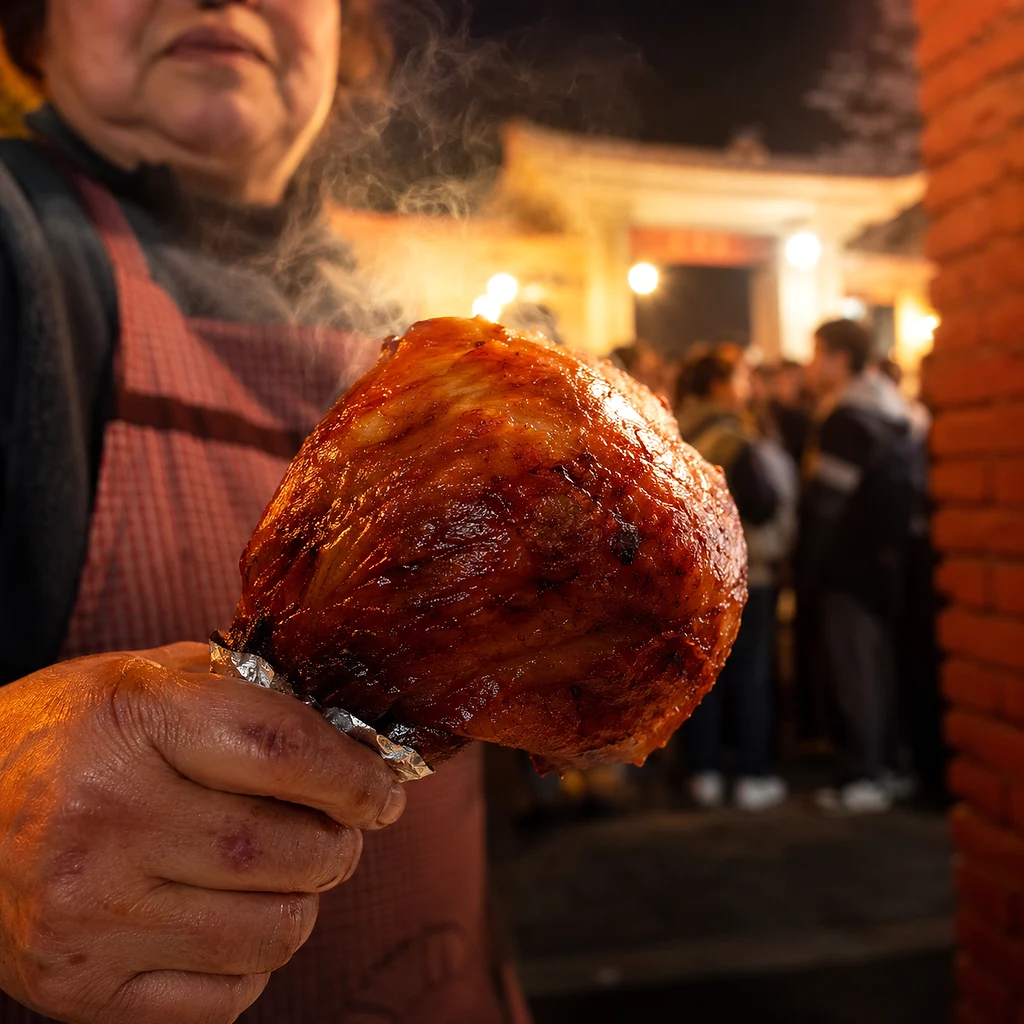
天上掉快递:亚马逊无人机让得州小城居民受不了
Boxes Falling From the Sky: Amazon's Delivery Drones Are Driving a Texas Suburb Up the Wall
3 min
What is on the HSK 6 word list?
In HSK 3.0, the exam from 13 December 2026, HSK 6 has 5,399 words. Of those, 1,800 are new at this level and the rest come from HSK 1–5. The old HSK 2.0 list had 5,000.
They cover chengyu, formal and classical register, and the layered vocabulary of serious written Chinese.
HSK 6 word list
All 5,334 words below, straight from the official HSK 3.0 syllabus. The 1,777 words new at HSK 6 come first, then earlier levels. The syllabus counts 5,399 entries because a few words are listed once per reading; each appears here once, with every reading.
Pinyin comes from the syllabus and definitions from CC-CEDICT. Tap any word to see its other senses without leaving the list. Words with a full Fluentide entry — character breakdown, usage notes, example sentences — link out from there.
Showing 3851–3900 of 5,334 · page 78 of 107
美好měihǎoHSK 4beautiful
- beautiful
- fine
美景měijǐngHSK 4beautiful scenery
- beautiful scenery
美丽měilìHSK 4beautiful
- beautiful
美食měishíHSK 4culinary delicacy
- culinary delicacy
- fine food
- gourmet food
梦mèngHSK 4dream (CL:场)
- dream (CL:场)
- (bound form) to dream
梦想mèngxiǎngHSK 4(fig.) to dream of
- (fig.) to dream of
- dream
密码mìmǎHSK 4cipher
- cipher
- secret code
- password
- PIN
免费miǎnfèiHSK 4free (of charge)
- free (of charge)
面对miànduìHSK 4to face
- to face
- to confront
面试miànshìHSK 4to be interviewed (as a candidate)
- to be interviewed (as a candidate)
- interview
秒miǎoHSK 4second (unit of time)
- second (unit of time)
- arc second (angular measurement unit)
- (coll.) instantly
民族mínzúHSK 4nationality
- nationality
- ethnic group
末mòHSK 4tip
- tip
- end
- final stage
- latter part
- inessential detail
- powder
- dust
- opera role of old man
- variant of 么
母女mǔnǚHSK 4mother and daughter
- mother and daughter
- mother-daughter
母亲mǔqīnHSK 4mother
母子mǔzǐHSK 4mother and child
- mother and child
- parent and subsidiary (companies)
- principal and interest
目标mùbiāoHSK 4target
- target
- goal
- objective
- CL:个
目的mùdìHSK 4purpose
- purpose
- aim
- goal
- target
- objective
目的地mùdìdìHSK 4destination (location)
- destination (location)
目前mùqiánHSK 4at the present time
- at the present time
- currently
耐心nàixīnHSK 4to be patient
- to be patient
- patience
男士nánshìHSK 4man
- man
- gentleman
男性nánxìngHSK 4the male sex
- the male sex
- a male
南部nánbùHSK 4southern part
- southern part
难道nándàoHSK 4don't tell me ...
- don't tell me ...
- could it be that...?
难受nánshòuHSK 4to feel unwell
- to feel unwell
- to suffer pain
- to be difficult to bear
难忘nánwàngHSK 4unforgettable
- unforgettable
内nèiHSK 4inside
- inside
- inner
- internal
- within
- interior
内容nèiróngHSK 4content
- content
- substance
- details
- CL:项
内心nèixīnHSK 4heart
- heart
- innermost being
- (math.) incenter
能否néng fǒuHSK 4whether one can
- whether one can
- whether it is possible
能够nénggòuHSK 4to be capable of
- to be capable of
- to be able to
- can
能力nénglìHSK 4capability
- capability
- ability
- CL:个
嗯ǹgHSK 4(a groaning sound)
- (a groaning sound)
- (nonverbal grunt as interjection)
- OK, yeah
- what?
- interjection indicating approval, appreciation or agreement
年底niándǐHSK 4the end of the year
- the end of the year
- year-end
年龄niánlíngHSK 4(a person's) age
- (a person's) age
- CL:把,个
农村nóngcūnHSK 4rural area
- rural area
- village
- CL:个
弄nòngHSK 4to do
- to do
- to manage
- to handle
- to play with
- to fool with
- to mess with
- to fix
- to toy with
- lane
- alley
- old variant of 弄
- variant of 弄
女性nǚxìngHSK 4woman
- woman
- the female sex
暖和nuǎnhuoHSK 4warm
- warm
- nice and warm
偶尔ǒu’ěrHSK 4occasionally
- occasionally
- once in a while
- sometimes
拍pāiHSK 4to pat
- to pat
- to clap
- to slap
- to swat
- to take (a photo)
- to shoot (a film)
- racket (sports)
- beat (music)
排páiHSK 4to arrange in order
- to arrange in order
- to line up
- to exclude
- to eliminate
- to repel
- to expel
- to discharge
- (literary) to push aside
- to force open
- to rehearse
- row
- line
- platoon
- (bound form) steak
- chop
- (bound form) raft
- classifier for rows or lines (of people or things)
排队páiduìHSK 4to line up
- to line up
排球páiqiúHSK 4volleyball
- volleyball
- CL:个
牌páiHSK 4signboard
- signboard
- plaque
- plate
- tablet (CL:块)
- brand
- trademark
- mahjong tile
- domino
- playing card (CL:张)
- (bound form) fixed pattern for lyrics or set melody in classical poetry or music (used in 词牌 and 曲牌)
牌子páiziHSK 4sign
- sign
- trademark
- brand
判断pànduànHSK 4to judge
- to judge
- to determine
- judgment
陪péiHSK 4to accompany
- to accompany
- to keep sb company
- to assist
- old variant of 赔
批评pīpíngHSK 4to criticize
- to criticize
- criticism
- CL:次,番
How to actually learn HSK 6 vocabulary
A word list is a checklist, not a method. Recognising a word on a page is a different skill from catching it at speed in a sentence — and the HSK listening section only tests the second one.
Read the list once, do not memorise it
You are looking for which words feel unfamiliar, not trying to learn them here.
Listen at your level daily
Fluentide's HSK 6 episodes are written inside this vocabulary band, so the words arrive in sentences instead of flashcards.
Look a word up only after you have heard it
A word you have already met in audio sticks in one reading. A word you meet cold takes many.
Come back to this list monthly
Use it as a progress check, not a study plan. The gaps you find are what to listen for next.
HSK 6 episodes to hear these words in
Every episode below is written inside the HSK 6 word band and read at HSK 6 speed. Press play — no account needed for the first few.
HSK 1 Chinese listening episodes




































































































































































































































HSK 2 Chinese listening episodes
HSK 3–4 Chinese listening episodes

Showing 12 of 250
HSK 5–6 Chinese listening episodes
Showing 12 of 250
The method in practice
Hear HSK 6 vocabulary in real Mandarin
Every HSK 6 episode is written inside this word band and read at HSK 6 speed, so words stick because you have heard them in a sentence. Full transcript, pinyin toggle, and line-by-line English on every episode. Five free episodes after a one-tap magic-link sign-in — no password, no payment.