

HSK 6 Vocabulary List: 5,399 Words (HSK 3.0)
In HSK 3.0, HSK 6 has 5,399 words in total, 1,800 of them new at this level. They cover chengyu, formal and classical register, and the layered vocabulary of serious written Chinese.
By Haoshan Hong · Native Mandarin speaker · Updated September 2026
Hear HSK 6 words in a real story

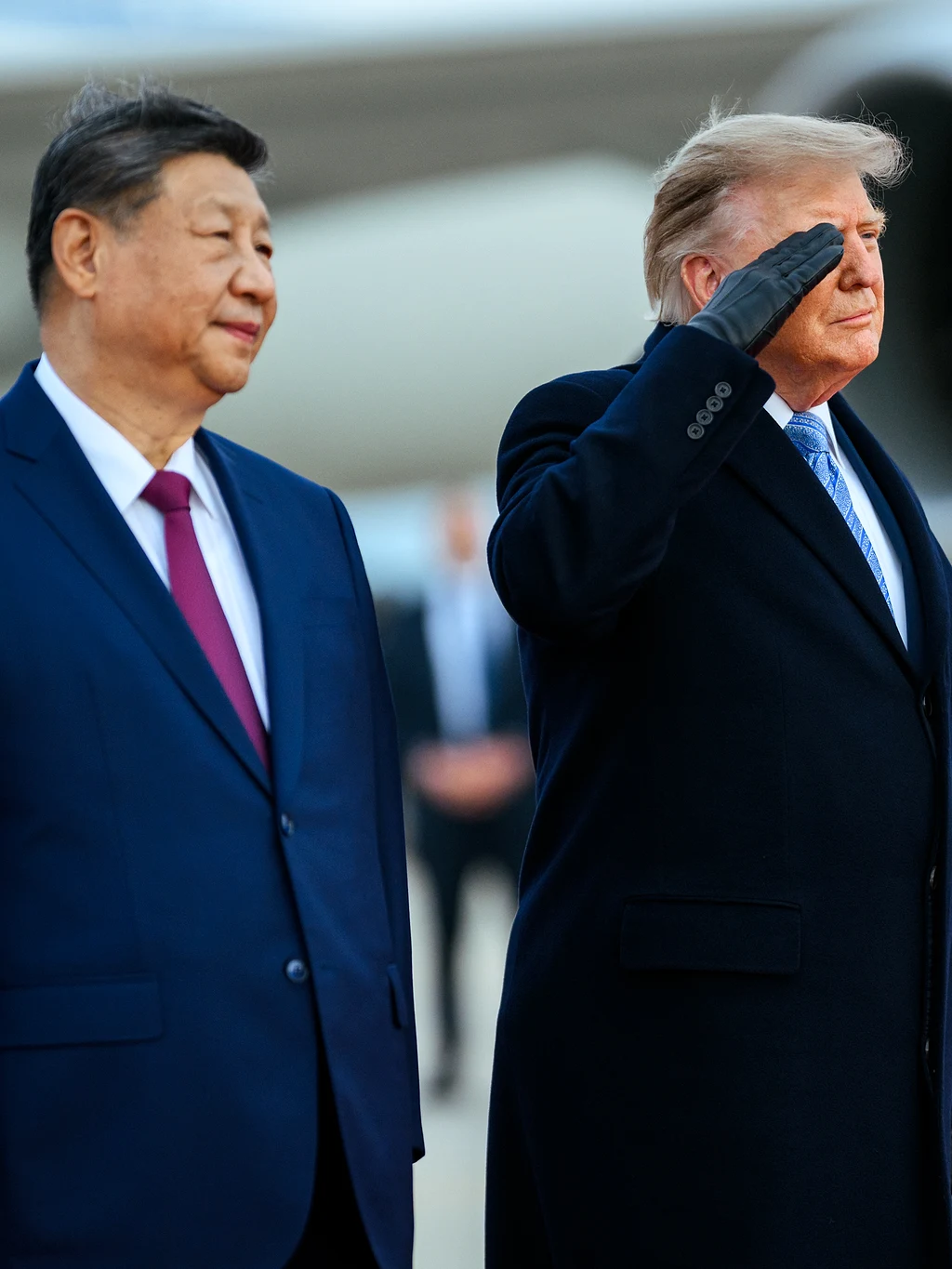
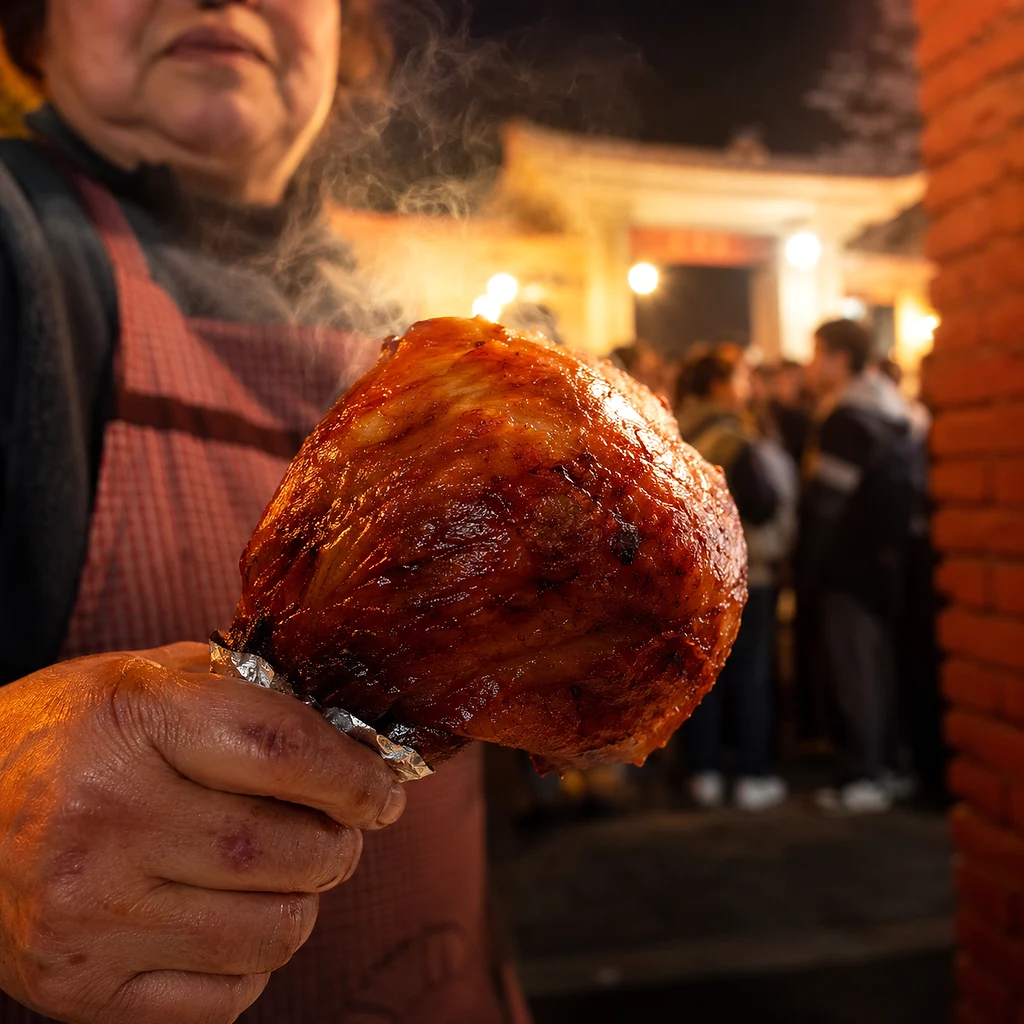
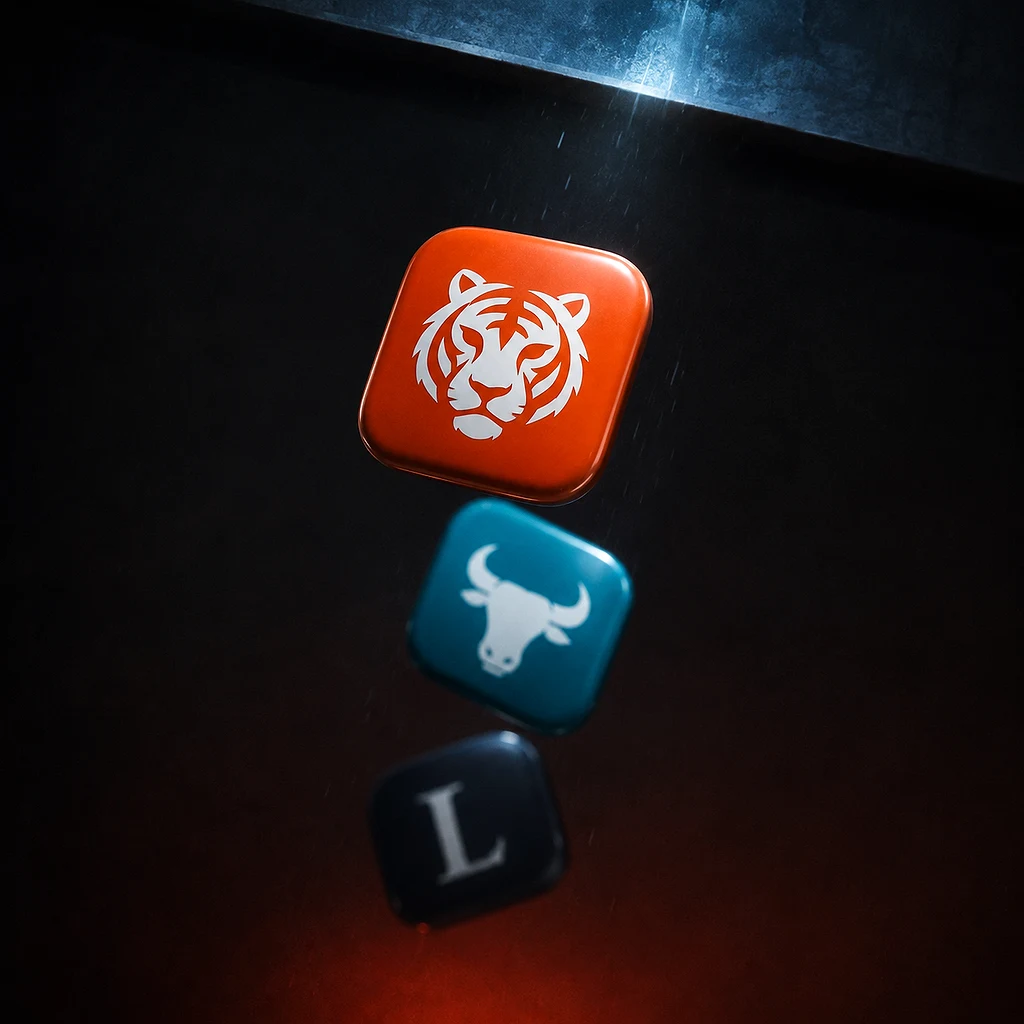
天上掉快递:亚马逊无人机让得州小城居民受不了
Boxes Falling From the Sky: Amazon's Delivery Drones Are Driving a Texas Suburb Up the Wall
3 min
What is on the HSK 6 word list?
In HSK 3.0, the exam from 13 December 2026, HSK 6 has 5,399 words. Of those, 1,800 are new at this level and the rest come from HSK 1–5. The old HSK 2.0 list had 5,000.
They cover chengyu, formal and classical register, and the layered vocabulary of serious written Chinese.
HSK 6 word list
All 5,334 words below, straight from the official HSK 3.0 syllabus. The 1,777 words new at HSK 6 come first, then earlier levels. The syllabus counts 5,399 entries because a few words are listed once per reading; each appears here once, with every reading.
Pinyin comes from the syllabus and definitions from CC-CEDICT. Tap any word to see its other senses without leaving the list. Words with a full Fluentide entry — character breakdown, usage notes, example sentences — link out from there.
Showing 3801–3850 of 5,334 · page 77 of 107
来不及láibujíHSK 4there's not enough time (to do sth)
- there's not enough time (to do sth)
- it's too late
来得及láidejíHSK 4to have enough time
- to have enough time
- can do it in time
- can still make it
懒lǎnHSK 4lazy
- lazy
- variant of 懒
浪费làngfèiHSK 4to waste
- to waste
- to squander
浪漫làngmànHSK 4romantic
- romantic
老虎lǎohǔHSK 4tiger
- tiger
- CL:只
老家lǎojiāHSK 4native place
- native place
- place of origin
- home state or region
老年lǎoniánHSK 4elderly
- elderly
- old age
- autumn of one's years
老是lǎoshìHSK 4always
- always
冷静lěngjìngHSK 4calm
- calm
- cool-headed
- dispassionate
- (of a place) deserted
- quiet
礼貌lǐmàoHSK 4courtesy
- courtesy
- politeness
- manners
- courteous
- polite
理发lǐfàHSK 4to get a haircut
- to get a haircut
- to have one's hair done
- to cut (sb's) hair
- to give (sb) a haircut
理解lǐjiěHSK 4to comprehend
- to comprehend
- to understand
理想lǐxiǎngHSK 4an ideal
- an ideal
- a dream
- ideal
- perfect
力气lìqiHSK 4physical strength
- physical strength
厉害lìhaiHSK 4(used to describe sb or sth that makes a very strong impression, whether favorable or unfavorable) terrible
- (used to describe sb or sth that makes a very strong impression, whether favorable or unfavorable) terrible
- intense
- severe
- devastating
- amazing
- awesome
- outstanding
- (of a person) stern
- strict
- harsh
- shrewd
- tough
- (of an animal) fierce
- (of a resemblance) striking
- (of liquor or chili pepper) strong
- (of bacteria) virulent
例如lìrúHSK 4for example
- for example
- for instance
- such as
例子lìziHSK 4case
- case
- (for) instance
- example
- CL:个
俩liǎHSK 4two (colloquial equivalent of 两个)
- two (colloquial equivalent of 两个)
- both
- some
- used in 伎俩
连liánHSK 4to link
- to link
- to join
- to connect
- continuously
- in succession
- including
- (used with 也, 都 etc) even
- company (military)
- surname Lian
联系liánxìHSK 4connection
- connection
- contact
- relation
- to get in touch with
- to integrate
- to link
- to touch
凉liángHSK 4cool
- cool
- cold
- to let sth cool down
- the five Liang of the Sixteen Kingdoms, namely: Former Liang 前凉 (314-376), Later Liang 后凉 (386-403), Northern Liang 北凉 (398-439), Southern Liang 南凉 (397-414), Western Liang 西凉 (400-421)
亮liàngHSK 4bright
- bright
- light
- to shine
- to flash
- loud and clear
- to show (one's passport etc)
- to make public (one's views etc)
量liáng / liàngHSK 4to measure
- to measure
- capacity
- quantity
- amount
- to estimate
- measure word
- abbr. for 量词, classifier (in Chinese grammar)
列lièHSK 4to arrange
- to arrange
- to line up
- file
- series
- (in data tables) column
- (Tw) row
零花钱línghuāqiánHSK 4pocket money
- pocket money
- allowance
零钱língqiánHSK 4change (of money)
- change (of money)
- small change
- pocket money
零食língshíHSK 4snack
- snack
- nibbles
零下líng xiàHSK 4below zero (esp. temperature)
- below zero (esp. temperature)
另lìngHSK 4other
- other
- another
- separate
- separately
另外lìngwàiHSK 4additional
- additional
- in addition
- besides
- separate
- other
- moreover
- furthermore
流liúHSK 4to flow
- to flow
- to disseminate
- to circulate or spread
- to move or drift
- to degenerate
- to banish or send into exile
- stream of water or sth resembling one
- class, rate or grade
流利liúlìHSK 4fluent
- fluent
流行liúxíngHSK 4(of a contagious disease etc) to spread
- (of a contagious disease etc) to spread
- to propagate
- (of a style of clothing, song etc) popular
- fashionable
留liúHSK 4to leave (a message etc)
- to leave (a message etc)
- to retain
- to stay
- to remain
- to keep
- to preserve
- old variant of 留
- old variant of 留
留下liúxiaHSK 4to leave behind
- to leave behind
- to stay behind
- to remain
- to keep
- not to let (sb) go
路过lùguòHSK 4to pass by
- to pass by
- to pass through
旅馆lǚguǎnHSK 4hotel
- hotel
- CL:家
旅客lǚkèHSK 4traveler
- traveler
- tourist
旅行lǚxíngHSK 4to travel
- to travel
- journey
- trip
- CL:趟,次
律师lǜshīHSK 4lawyer
- lawyer
乱luànHSK 4in confusion or disorder
- in confusion or disorder
- in a confused state of mind
- disorder
- upheaval
- riot
- illicit sexual relations
- to throw into disorder
- to mix up
- indiscriminate
- random
- arbitrary
落luò / làHSK 4to fall or drop
- to fall or drop
- (of the sun) to set
- (of a tide) to go out
- to lower
- to decline or sink
- to lag or fall behind
- to fall onto
- to rest with
- to get or receive
- to write down
- whereabouts
- settlement
- to leave out
- to be missing
- to leave behind or forget to bring
- to lag or fall behind
- colloquial reading for 落 in certain compounds
麻烦máfanHSK 4trouble
- trouble
- inconvenience
- inconvenient
- troublesome
- annoying
- to bother sb
- to put sb to trouble
馒头mántouHSK 4steamed bun
- steamed bun
满mǎnHSK 4to fill
- to fill
- full
- filled
- packed
- fully
- completely
- quite
- to reach the limit
- to satisfy
- satisfied
- contented
- Manchu ethnic group
毛巾máojīnHSK 4towel
- towel
- CL:条
毛衣máoyīHSK 4(wool) sweater
- (wool) sweater
- CL:件
帽子màoziHSK 4hat
- hat
- cap
- (fig.) label
- bad name
- CL:顶
美měiHSK 4beautiful
- beautiful
- very satisfactory
- good
- to beautify
- to be pleased with oneself
- (bound form) the Americas (abbr. for 美洲)
- (bound form) USA (abbr. for 美国)
How to actually learn HSK 6 vocabulary
A word list is a checklist, not a method. Recognising a word on a page is a different skill from catching it at speed in a sentence — and the HSK listening section only tests the second one.
Read the list once, do not memorise it
You are looking for which words feel unfamiliar, not trying to learn them here.
Listen at your level daily
Fluentide's HSK 6 episodes are written inside this vocabulary band, so the words arrive in sentences instead of flashcards.
Look a word up only after you have heard it
A word you have already met in audio sticks in one reading. A word you meet cold takes many.
Come back to this list monthly
Use it as a progress check, not a study plan. The gaps you find are what to listen for next.
HSK 6 episodes to hear these words in
Every episode below is written inside the HSK 6 word band and read at HSK 6 speed. Press play — no account needed for the first few.
HSK 1 Chinese listening episodes














































































































































































































HSK 2 Chinese listening episodes
HSK 3–4 Chinese listening episodes

Showing 12 of 250
HSK 5–6 Chinese listening episodes
Showing 12 of 250
The method in practice
Hear HSK 6 vocabulary in real Mandarin
Every HSK 6 episode is written inside this word band and read at HSK 6 speed, so words stick because you have heard them in a sentence. Full transcript, pinyin toggle, and line-by-line English on every episode. Five free episodes after a one-tap magic-link sign-in — no password, no payment.