

HSK 6 Vocabulary List: 5,399 Words (HSK 3.0)
In HSK 3.0, HSK 6 has 5,399 words in total, 1,800 of them new at this level. They cover chengyu, formal and classical register, and the layered vocabulary of serious written Chinese.
By Haoshan Hong · Native Mandarin speaker · Updated September 2026
Hear HSK 6 words in a real story

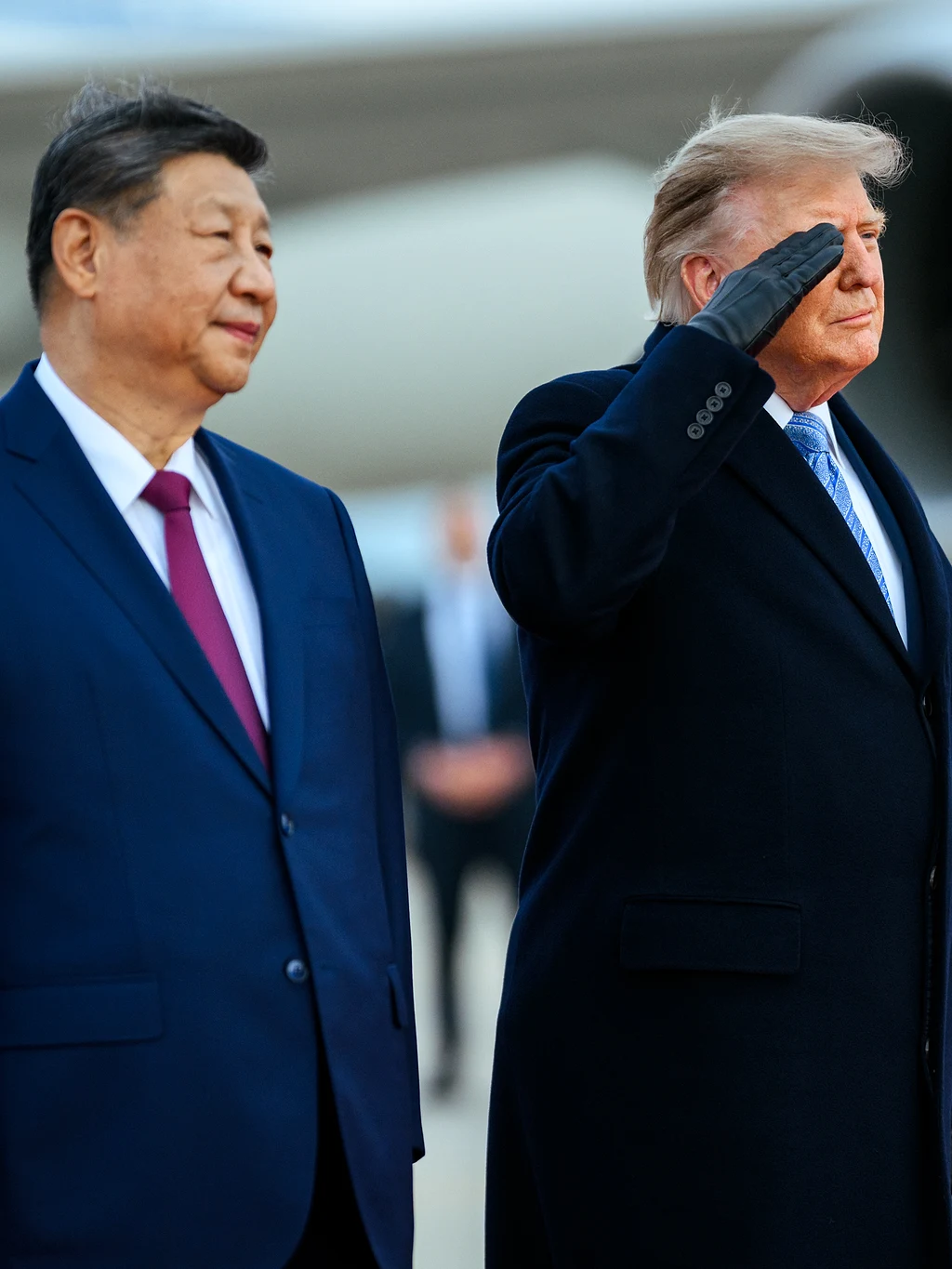
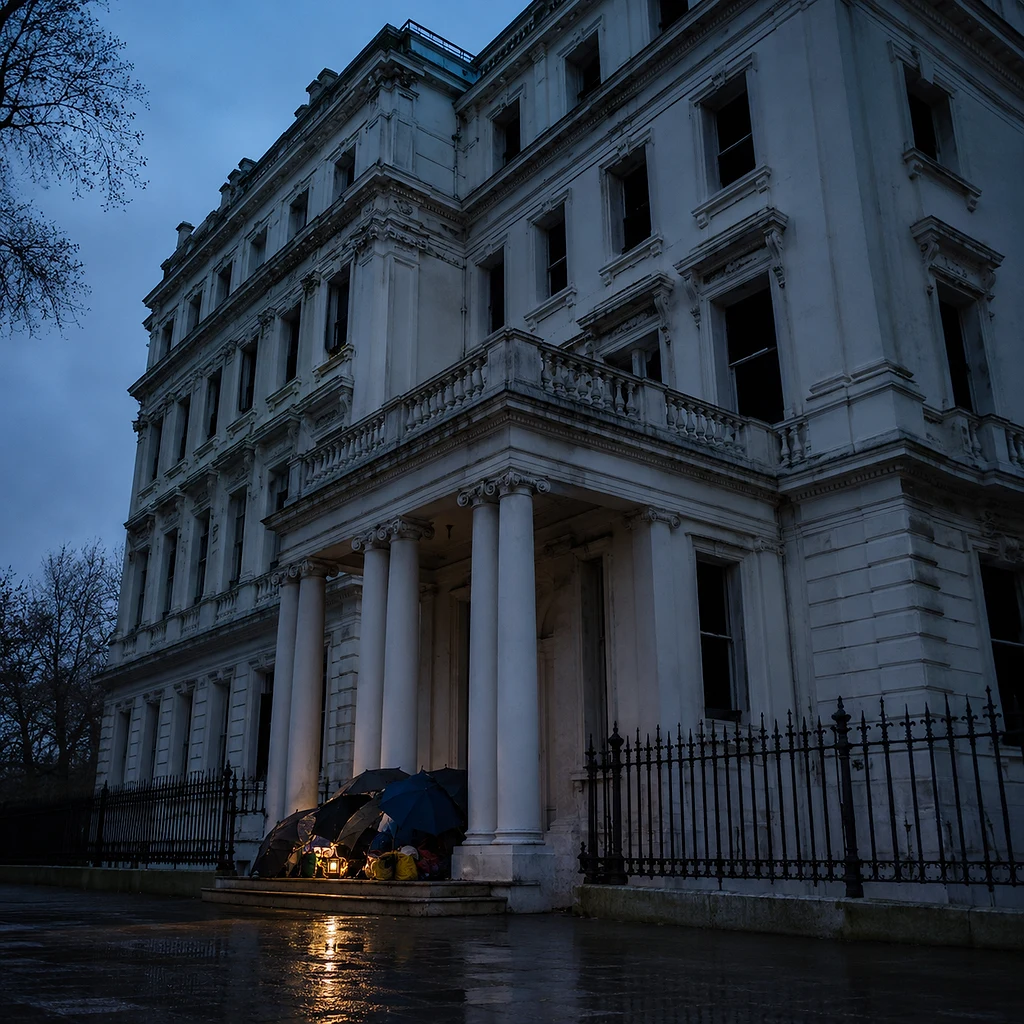
天上掉快递:亚马逊无人机让得州小城居民受不了
Boxes Falling From the Sky: Amazon's Delivery Drones Are Driving a Texas Suburb Up the Wall
3 min
What is on the HSK 6 word list?
In HSK 3.0, the exam from 13 December 2026, HSK 6 has 5,399 words. Of those, 1,800 are new at this level and the rest come from HSK 1–5. The old HSK 2.0 list had 5,000.
They cover chengyu, formal and classical register, and the layered vocabulary of serious written Chinese.
HSK 6 word list
All 5,334 words below, straight from the official HSK 3.0 syllabus. The 1,777 words new at HSK 6 come first, then earlier levels. The syllabus counts 5,399 entries because a few words are listed once per reading; each appears here once, with every reading.
Pinyin comes from the syllabus and definitions from CC-CEDICT. Tap any word to see its other senses without leaving the list. Words with a full Fluentide entry — character breakdown, usage notes, example sentences — link out from there.
Showing 3751–3800 of 5,334 · page 76 of 107
经历jīnglìHSK 4to experience
- to experience
- to go through
- experience (CL:段,次)
经验jīngyànHSK 4experience
- experience
- to go through
- to experience
精彩jīngcǎiHSK 4wonderful
- wonderful
- marvelous
- brilliant
景点jǐngdiǎnHSK 4tourist attraction
- tourist attraction
- scenic spot
景区jǐngqūHSK 4scenic area
- scenic area
景色jǐngsèHSK 4scenery
- scenery
- landscape
- view
警察jǐngcháHSK 4police
- police
- police officer
竞争jìngzhēngHSK 4to compete
- to compete
- competition
竟然jìngránHSK 4unexpectedly
- unexpectedly
- to one's surprise
- in spite of everything
- in that crazy way
- actually
- to go as far as to
镜子jìngziHSK 4mirror
- mirror
- CL:面,个
究竟jiūjìngHSK 4to go to the bottom of a matter
- to go to the bottom of a matter
- after all
- when all is said and done
- (in an interrogative sentence) finally
- outcome
- result
就是jiùshìHSK 4exactly
- exactly
- precisely
- only
- simply
- just
- (used correlatively with 也) even
- even if
举jǔHSK 4to lift
- to lift
- to hold up
- to cite
- to enumerate
- to act
- to raise
- to choose
- to elect
- act
- move
- deed
- variant of 举
举办jǔbànHSK 4to conduct
- to conduct
- to hold (an event)
举例jǔlìHSK 4to give an example
- to give an example
举行jǔxíngHSK 4to hold (a meeting, ceremony etc)
- to hold (a meeting, ceremony etc)
拒绝jùjuéHSK 4to refuse
- to refuse
- to decline
- to reject
剧院jùyuànHSK 4theater
- theater
- CL:家,座
距离jùlíHSK 4distance
- distance
- CL:个
- to be apart from
聚jùHSK 4to assemble
- to assemble
- to gather (transitive or intransitive)
- (chemistry) poly-
聚餐jùcānHSK 4to get together for a meal
- to get together for a meal
- to dine together
聚会jùhuìHSK 4party
- party
- gathering
- to meet
- to get together
开玩笑kāi wánxiàoHSK 4to play a joke
- to play a joke
- to make fun of
- to joke
看法kànfǎHSK 4way of looking at a thing
- way of looking at a thing
- view
- opinion
- CL:个
考虑kǎolǜHSK 4to think over
- to think over
- to consider
- consideration
考生kǎoshēngHSK 4exam candidate
- exam candidate
- student whose name has been put forward for an exam
烤kǎoHSK 4to roast
- to roast
- to grill
- to broil
- to bake
- to toast (bread)
- to warm oneself by a fire
科技kējìHSK 4science and technology
- science and technology
科学kēxuéHSK 4science
- science
- scientific knowledge
- scientific
- rational
- CL:门,个,种
棵kēHSK 4classifier for trees, cabbages, plants etc
- classifier for trees, cabbages, plants etc
可惜kěxīHSK 4it is a pity
- it is a pity
- what a pity
- unfortunately
克kèHSK 4to be able to
- to be able to
- to subdue
- to restrain
- to overcome
- gram
- Tibetan unit of land area, about 6 ares
- (Tw) abbr. for 克罗埃西亚, Croatia
- Ke (c. 2000 BC), seventh of the legendary Flame Emperors, 炎帝 descended from Shennong 神农 Farmer God
- to subdue
- to overthrow
- to restrain
- abbr. for 克罗地亚, Croatia
- variant of 克
- variant of 克
客气kèqiHSK 4polite
- polite
- courteous
- formal
- modest
客厅kètīngHSK 4living room
- living room
- sitting room
- CL:间
课程kèchéngHSK 4course
- course
- academic program
- CL:堂,节,门
课堂kètángHSK 4classroom (CL:间)
- classroom (CL:间)
- class session
肯定kěndìngHSK 4to be certain
- to be certain
- to be positive
- assuredly
- definitely
- to give recognition
- to affirm
- affirmative (answer)
空kōng / kòngHSK 4empty
- empty
- air
- sky
- in vain
- to empty
- vacant
- unoccupied
- space
- leisure
- free time
空气kōngqìHSK 4air
- air
- atmosphere
恐怕kǒngpàHSK 4fear
- fear
- to dread
- I'm afraid that...
- perhaps
- maybe
口语kǒuyǔHSK 4colloquial speech
- colloquial speech
- spoken language
- vernacular language
- slander
- gossip
- CL:门
苦kǔHSK 4bitter
- bitter
- hardship
- pain
- to suffer
- to bring suffering to
- painstakingly
快餐kuàicānHSK 4fast food
- fast food
- snack
- quick meal
快递kuàidìHSK 4express delivery
- express delivery
快速kuàisùHSK 4fast
- fast
- high-speed
- rapid
困kùnHSK 4to trap
- to trap
- to surround
- hard-pressed
- stranded
- destitute
- sleepy
- tired
困难kùnnanHSK 4difficult
- difficult
- challenging
- straitened circumstances
- difficult situation
垃圾lājīHSK 4trash
- trash
- refuse
- garbage
- (coll.) of poor quality
- Taiwan pr.
拉lāHSK 4to pull
- to pull
- to play (a bowed instrument)
- to drag
- to draw
- to chat
- (coll.) to empty one's bowels
- to make a cut in (sth)
- to slit
- to gash
- to slash
- used in 拉拉蛄
- variant of 落
辣làHSK 4hot (spicy)
- hot (spicy)
- pungent
- (of chili pepper, raw onions etc) to sting
- to burn
- old variant of 辣
How to actually learn HSK 6 vocabulary
A word list is a checklist, not a method. Recognising a word on a page is a different skill from catching it at speed in a sentence — and the HSK listening section only tests the second one.
Read the list once, do not memorise it
You are looking for which words feel unfamiliar, not trying to learn them here.
Listen at your level daily
Fluentide's HSK 6 episodes are written inside this vocabulary band, so the words arrive in sentences instead of flashcards.
Look a word up only after you have heard it
A word you have already met in audio sticks in one reading. A word you meet cold takes many.
Come back to this list monthly
Use it as a progress check, not a study plan. The gaps you find are what to listen for next.
HSK 6 episodes to hear these words in
Every episode below is written inside the HSK 6 word band and read at HSK 6 speed. Press play — no account needed for the first few.
HSK 1 Chinese listening episodes
































































































































































































































HSK 2 Chinese listening episodes
HSK 3–4 Chinese listening episodes

Showing 12 of 250
HSK 5–6 Chinese listening episodes
Showing 12 of 250
The method in practice
Hear HSK 6 vocabulary in real Mandarin
Every HSK 6 episode is written inside this word band and read at HSK 6 speed, so words stick because you have heard them in a sentence. Full transcript, pinyin toggle, and line-by-line English on every episode. Five free episodes after a one-tap magic-link sign-in — no password, no payment.