

HSK 6 Vocabulary List: 5,399 Words (HSK 3.0)
In HSK 3.0, HSK 6 has 5,399 words in total, 1,800 of them new at this level. They cover chengyu, formal and classical register, and the layered vocabulary of serious written Chinese.
By Haoshan Hong · Native Mandarin speaker · Updated September 2026
Hear HSK 6 words in a real story

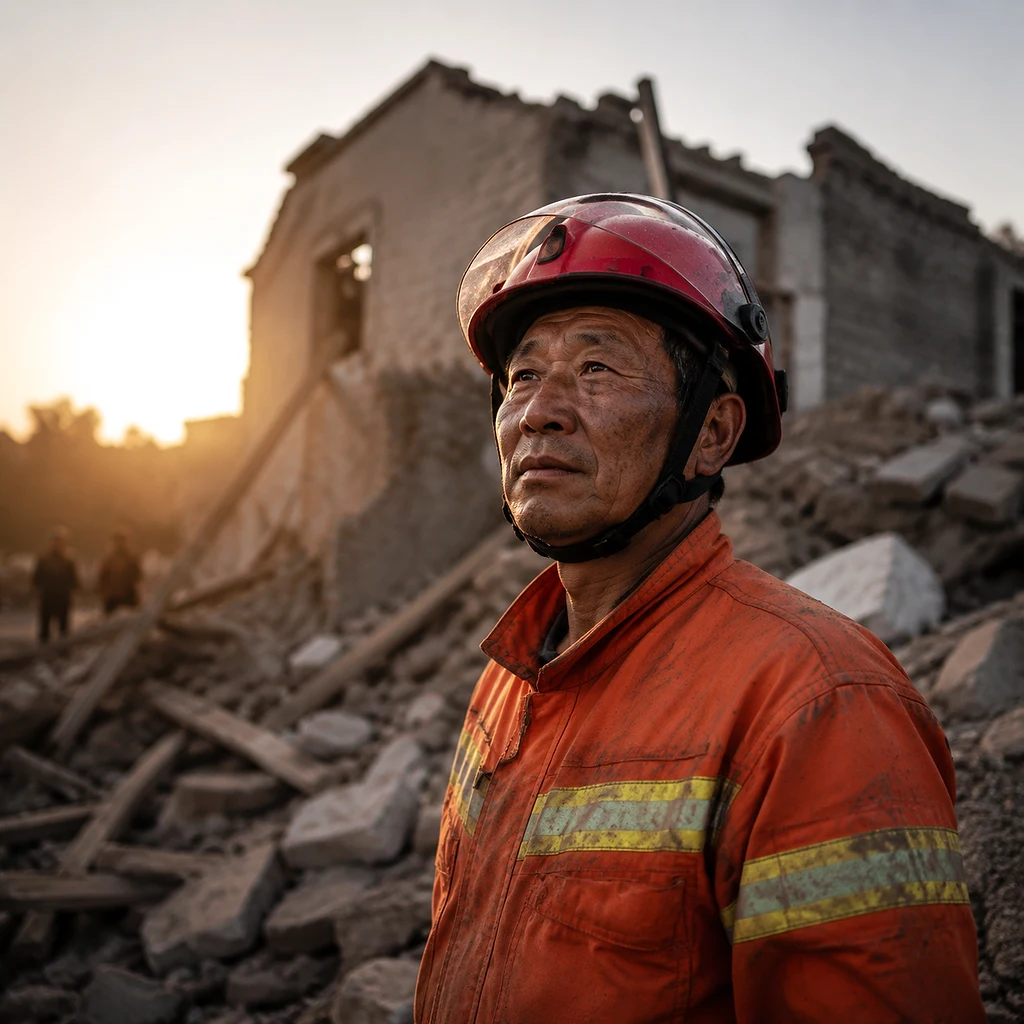
天上掉快递:亚马逊无人机让得州小城居民受不了
Boxes Falling From the Sky: Amazon's Delivery Drones Are Driving a Texas Suburb Up the Wall
3 min
What is on the HSK 6 word list?
In HSK 3.0, the exam from 13 December 2026, HSK 6 has 5,399 words. Of those, 1,800 are new at this level and the rest come from HSK 1–5. The old HSK 2.0 list had 5,000.
They cover chengyu, formal and classical register, and the layered vocabulary of serious written Chinese.
HSK 6 word list
All 5,334 words below, straight from the official HSK 3.0 syllabus. The 1,777 words new at HSK 6 come first, then earlier levels. The syllabus counts 5,399 entries because a few words are listed once per reading; each appears here once, with every reading.
Pinyin comes from the syllabus and definitions from CC-CEDICT. Tap any word to see its other senses without leaving the list. Words with a full Fluentide entry — character breakdown, usage notes, example sentences — link out from there.
Showing 3901–3950 of 5,334 · page 79 of 107
皮肤pífūHSK 4skin
- skin
- CL:层,块
皮鞋píxiéHSK 4leather shoes
- leather shoes
脾气píqiHSK 4character
- character
- temperament
- disposition
- bad temper
- CL:股
篇piānHSK 4sheet
- sheet
- piece of writing
- bound set of bamboo slips used for record keeping (old)
- classifier for written items: chapter, article
片piànHSK 4thin piece
- thin piece
- flake
- a slice
- film
- TV play
- to slice
- to carve thin
- partial
- incomplete
- one-sided
- classifier for slices, tablets, tract of land, area of water
- classifier for CDs, movies, DVDs etc
- used with numeral 一: classifier for scenario, scene, feeling, atmosphere, sound etc
- Kangxi radical 91
- disk
- sheet
乒乓球pīngpāngqiúHSK 4table tennis
- table tennis
- ping-pong
- table tennis ball
- CL:个
平常píngchángHSK 4ordinary
- ordinary
- common
- usually
- ordinarily
破pòHSK 4broken
- broken
- damaged
- worn out
- lousy
- rotten
- to break, split or cleave
- to get rid of
- to destroy
- to break with
- to defeat
- to capture (a city etc)
- to expose the truth of
葡萄pútaoHSK 4grape
葡萄酒pútaojiǔHSK 4(grape) wine
- (grape) wine
普遍pǔbiànHSK 4universal
- universal
- general
- widespread
- common
普通pǔtōngHSK 4common
- common
- ordinary
- general
- average
普通话pǔtōnghuàHSK 4Putonghua
- Putonghua
- standard Mandarin
期qīHSK 4a period of time
- a period of time
- phase
- stage
- classifier for issues of a periodical, courses of study
- time
- term
- period
- to hope
- Taiwan pr.
- period
- cycle
- variant of 期
期末qīmòHSK 4the end of a term or semester (in school)
- the end of a term or semester (in school)
期中qīzhōngHSK 4interim
- interim
- midterm
其次qícìHSK 4next
- next
- secondly
其中qízhōngHSK 4among
- among
- in
- included among these
起到qǐdàoHSK 4(in an expression of the form 起到 + … + 作用) to have (a (motivating etc) effect)
- (in an expression of the form 起到 + … + 作用) to have (a (motivating etc) effect)
- to play (a (stabilizing etc) role)
气qìHSK 4gas
- gas
- air
- smell
- weather
- to make angry
- to annoy
- to get angry
- vital energy
- qi
气候qìhòuHSK 4(meteorology) climate
- (meteorology) climate
- (fig.) climate
- prevailing conditions (in human affairs)
气温qìwēnHSK 4air temperature
- air temperature
汽水qìshuǐHSK 4soda pop
- soda pop
- carbonated soft drink
千克qiānkèHSK 4kilogram
- kilogram
千万qiānwànHSK 4ten million
- ten million
- countless
- many
- one must by all means
签证qiānzhèngHSK 4visa
- visa
- to issue a visa
前方qiánfāngHSK 4ahead
- ahead
- the front
前后qiánhòuHSK 4around
- around
- from beginning to end
- all around
- front and rear
强qiángHSK 4strong
- strong
- powerful
- better
- slightly more than
- vigorous
- violent
- best in their category, e.g. see 百强
- stubborn
- unyielding
- to force
- to compel
- to strive
- to make an effort
- surname Qiang
- variant of 强
- variant of 强
- variant of 强
敲qiāoHSK 4to hit
- to hit
- to strike
- to tap
- to rap
- to knock
- to rip sb off
- to overcharge
桥qiáoHSK 4bridge
- bridge
- CL:座
巧qiǎoHSK 4opportunely
- opportunely
- coincidentally
- as it happens
- skillful
- timely
巧克力qiǎokèlìHSK 4(loanword) chocolate
- (loanword) chocolate
- CL:块
亲戚qīnqiHSK 4a relative (i.e. family relation)
- a relative (i.e. family relation)
- CL:门,个,位
琴qínHSK 4guqin 古琴 (a type of zither)
- guqin 古琴 (a type of zither)
- musical instrument in general
- variant of 琴, guqin or zither
青年qīngniánHSK 4youth
- youth
- youthful years
- young person
- the young
轻qīngHSK 4light
- light
- easy
- gentle
- soft
- reckless
- unimportant
- frivolous
- small in number
- unstressed
- neutral
- to disparage
轻松qīngsōngHSK 4light
- light
- gentle
- relaxed
- effortless
- uncomplicated
- to relax
- to take things less seriously
情况qíngkuàngHSK 4circumstances
- circumstances
- state of affairs
- situation
- CL:种
庆祝qìngzhùHSK 4to celebrate
- to celebrate
球队qiúduìHSK 4sports team (basketball, soccer, football etc)
- sports team (basketball, soccer, football etc)
球迷qiúmíHSK 4fan (ball sports)
- fan (ball sports)
- CL:个
区qūHSK 4area
- area
- region
- district
- small
- distinguish
- CL:个
- surname Ou
区别qūbiéHSK 4difference
- difference
- to distinguish
- to discriminate
- to make a distinction
- CL:个
取qǔHSK 4to take
- to take
- to get
- to choose
- to fetch
取得qǔdéHSK 4to acquire
- to acquire
- to get
- to obtain
取消qǔxiāoHSK 4to cancel
- to cancel
- to call off
- to revoke
- to rescind
全quánHSK 4all
- all
- whole
- entire
- every
- complete
- surname Quan
全部quánbùHSK 4whole
- whole
- all
全都quándōuHSK 4all
- all
- without exception
How to actually learn HSK 6 vocabulary
A word list is a checklist, not a method. Recognising a word on a page is a different skill from catching it at speed in a sentence — and the HSK listening section only tests the second one.
Read the list once, do not memorise it
You are looking for which words feel unfamiliar, not trying to learn them here.
Listen at your level daily
Fluentide's HSK 6 episodes are written inside this vocabulary band, so the words arrive in sentences instead of flashcards.
Look a word up only after you have heard it
A word you have already met in audio sticks in one reading. A word you meet cold takes many.
Come back to this list monthly
Use it as a progress check, not a study plan. The gaps you find are what to listen for next.
HSK 6 episodes to hear these words in
Every episode below is written inside the HSK 6 word band and read at HSK 6 speed. Press play — no account needed for the first few.
HSK 1 Chinese listening episodes
































































































































































































































HSK 2 Chinese listening episodes
HSK 3–4 Chinese listening episodes

Showing 12 of 250
HSK 5–6 Chinese listening episodes
Showing 12 of 250
The method in practice
Hear HSK 6 vocabulary in real Mandarin
Every HSK 6 episode is written inside this word band and read at HSK 6 speed, so words stick because you have heard them in a sentence. Full transcript, pinyin toggle, and line-by-line English on every episode. Five free episodes after a one-tap magic-link sign-in — no password, no payment.