

HSK 6 Vocabulary List: 5,399 Words (HSK 3.0)
In HSK 3.0, HSK 6 has 5,399 words in total, 1,800 of them new at this level. They cover chengyu, formal and classical register, and the layered vocabulary of serious written Chinese.
By Haoshan Hong · Native Mandarin speaker · Updated September 2026
Hear HSK 6 words in a real story

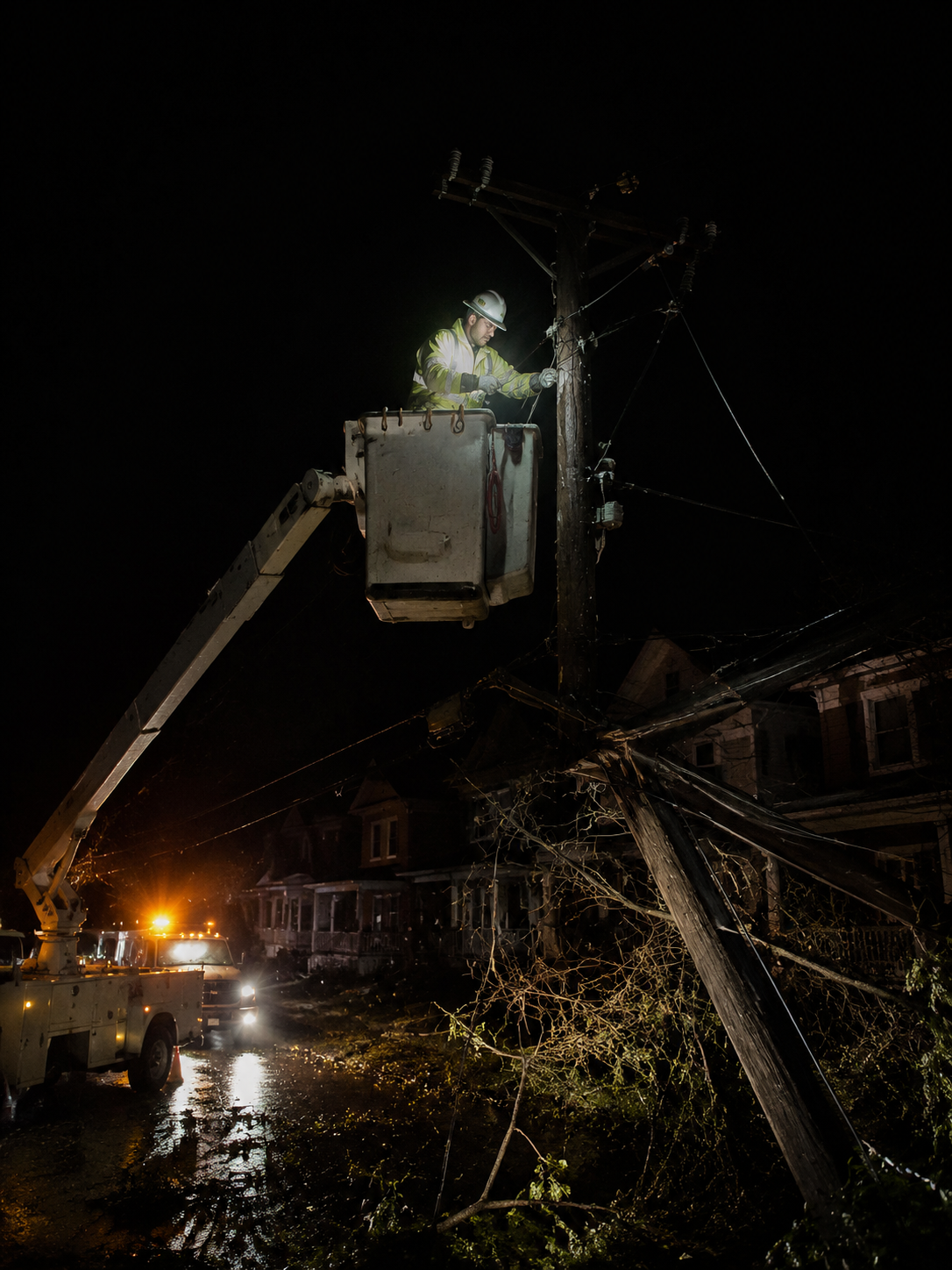
天上掉快递:亚马逊无人机让得州小城居民受不了
Boxes Falling From the Sky: Amazon's Delivery Drones Are Driving a Texas Suburb Up the Wall
3 min
What is on the HSK 6 word list?
In HSK 3.0, the exam from 13 December 2026, HSK 6 has 5,399 words. Of those, 1,800 are new at this level and the rest come from HSK 1–5. The old HSK 2.0 list had 5,000.
They cover chengyu, formal and classical register, and the layered vocabulary of serious written Chinese.
HSK 6 word list
All 5,334 words below, straight from the official HSK 3.0 syllabus. The 1,777 words new at HSK 6 come first, then earlier levels. The syllabus counts 5,399 entries because a few words are listed once per reading; each appears here once, with every reading.
Pinyin comes from the syllabus and definitions from CC-CEDICT. Tap any word to see its other senses without leaving the list. Words with a full Fluentide entry — character breakdown, usage notes, example sentences — link out from there.
Showing 3501–3550 of 5,334 · page 71 of 107
地址dìzhǐHSK 4address
登机dēngjīHSK 4to board a plane
- to board a plane
等到děngdàoHSK 4to wait until
- to wait until
- by the time when (sth is ready etc)
低dīHSK 4low
- low
- beneath
- to lower (one's head)
- to let droop
- to hang down
- to incline
低价dījiàHSK 4low price
- low price
低温dīwēnHSK 4low temperature
- low temperature
低于dīyúHSK 4to be lower than
- to be lower than
底dǐHSK 4bottom
- bottom
- base
- background
- foundation
- copy (of a manuscript or receipt etc) kept as a record
- (suffix) end of a year or month
- (math.) radix
- base (abbr. for 底数)
- (equivalent to 的 as possessive particle)
底下dǐxiaHSK 4the location below sth
- the location below sth
- afterwards
点名diǎnmíngHSK 4roll call
- roll call
- to mention sb by name
- (to call or praise or criticize sb) by name
点头diǎntóuHSK 4to nod
- to nod
电动车diàndòngchēHSK 4electric vehicle (commonly refers to e-bikes, scooters or electric cars)
- electric vehicle (commonly refers to e-bikes, scooters or electric cars)
电视剧diànshìjùHSK 4TV series
- TV series
- TV drama
- CL:部
调查diàocháHSK 4investigation
- investigation
- inquiry
- to investigate
- to survey
- survey
- (opinion) poll
- CL:项,个
掉diàoHSK 4to fall
- to fall
- to drop
- to lag behind
- to lose
- to go missing
- to reduce
- fall (in prices)
- to lose (value, weight etc)
- to wag
- to swing
- to turn
- to change
- to exchange
- to swap
- to show off
- to shed (hair)
- (used after certain verbs to express completion, fulfillment, removal etc)
订dìngHSK 4to agree
- to agree
- to conclude
- to draw up
- to subscribe to (a newspaper etc)
- to order
定dìngHSK 4to fix
- to fix
- to set
- to make definite
- to subscribe to (a newspaper etc)
- to book (tickets etc)
- to order (goods etc)
- to congeal
- to coagulate
- (literary) definitely
东部dōngbùHSK 4the east
- the east
- eastern part
动车dòngchēHSK 4(PRC) (D- or C-class) high-speed train
- (PRC) (D- or C-class) high-speed train
- power car
- multiple-unit train (abbr. for 动车组)
动作dòngzuòHSK 4movement
- movement
- motion
- action
- to act
- to move
读者dúzhěHSK 4reader
- reader
堵车dǔchēHSK 4traffic jam
- traffic jam
- (of traffic) to get congested
肚子dùziHSK 4belly
- belly
- abdomen
- stomach
- CL:个
度假dùjiàHSK 4to go on holidays
- to go on holidays
- to spend one's vacation
短信duǎnxìnHSK 4text message
- text message
- SMS
队duìHSK 4squadron
- squadron
- team
- group
- CL:个
队员duìyuánHSK 4team member
- team member
队长duìzhǎngHSK 4captain
- captain
- team leader
- CL:个
对方duìfāngHSK 4the other person
- the other person
- the other side
- the other party
对面duìmiànHSK 4opposite
- opposite
- across (the street etc)
- directly in front of one
- up ahead
- face to face
对于duìyúHSK 4regarding
- regarding
- as far as (sth) is concerned
- with regard to
顿dùnHSK 4to stop
- to stop
- to pause
- to arrange
- to lay out
- to kowtow
- to stamp (one's foot)
- at once
- classifier for meals, beatings, scoldings etc: time, bout, spell, meal
多么duōmeHSK 4how (wonderful etc)
- how (wonderful etc)
- what (a great idea etc)
- however (difficult it may be etc)
- (in interrogative sentences) how (much etc)
- to what extent
多数duōshùHSK 4majority
- majority
- most
多样duōyàngHSK 4diverse
- diverse
- diversity
- manifold
儿童értóngHSK 4child
- child
而érHSK 4and
- and
- as well as
- and so
- but (not)
- yet (not)
- (indicates causal relation)
- (indicates change of state)
- (indicates contrast)
发出fāchūHSK 4to issue (an order, decree etc)
- to issue (an order, decree etc)
- to send out
- to dispatch
- to produce (a sound)
- to let out (a laugh)
发送fāsòngHSK 4to transmit
- to transmit
- to dispatch
- to issue (an official document or credential)
法fǎHSK 4law
- law
- method
- way
- to emulate
- (Buddhism) dharma
- (abbr. for 法家) the Legalists
- (physics) farad (abbr. for 法拉)
- France
- French
- Taiwan pr.
- law
- variant of 法
- abbr. for 法国
- old variant of 法
法律fǎlǜHSK 4law
- law
- CL:条, 套, 个
翻译fānyìHSK 4to translate
- to translate
- to interpret
- translator
- interpreter
- translation
- interpretation
- CL:个,位,名
烦fánHSK 4to feel vexed
- to feel vexed
- to bother
- to trouble
- superfluous and confusing
- edgy
烦恼fánnǎoHSK 4to be worried
- to be worried
- to be distressed
- worries
反对fǎnduìHSK 4to oppose
- to oppose
- to be against
- to object to
方面fāngmiànHSK 4respect
- respect
- aspect
- field
- side
- CL:个
方式fāngshìHSK 4way
- way
- method
- manner
- mode
- pattern (of behavior etc)
- CL:种
房东fángdōngHSK 4landlord
- landlord
房租fángzūHSK 4rent for a room or house
- rent for a room or house
放弃fàngqìHSK 4to renounce
- to renounce
- to abandon
- to give up
How to actually learn HSK 6 vocabulary
A word list is a checklist, not a method. Recognising a word on a page is a different skill from catching it at speed in a sentence — and the HSK listening section only tests the second one.
Read the list once, do not memorise it
You are looking for which words feel unfamiliar, not trying to learn them here.
Listen at your level daily
Fluentide's HSK 6 episodes are written inside this vocabulary band, so the words arrive in sentences instead of flashcards.
Look a word up only after you have heard it
A word you have already met in audio sticks in one reading. A word you meet cold takes many.
Come back to this list monthly
Use it as a progress check, not a study plan. The gaps you find are what to listen for next.
HSK 6 episodes to hear these words in
Every episode below is written inside the HSK 6 word band and read at HSK 6 speed. Press play — no account needed for the first few.
HSK 1 Chinese listening episodes














































































































































































































































HSK 2 Chinese listening episodes
HSK 3–4 Chinese listening episodes

Showing 12 of 250
HSK 5–6 Chinese listening episodes
Showing 12 of 250
The method in practice
Hear HSK 6 vocabulary in real Mandarin
Every HSK 6 episode is written inside this word band and read at HSK 6 speed, so words stick because you have heard them in a sentence. Full transcript, pinyin toggle, and line-by-line English on every episode. Five free episodes after a one-tap magic-link sign-in — no password, no payment.