

HSK 6 Vocabulary List: 5,399 Words (HSK 3.0)
In HSK 3.0, HSK 6 has 5,399 words in total, 1,800 of them new at this level. They cover chengyu, formal and classical register, and the layered vocabulary of serious written Chinese.
By Haoshan Hong · Native Mandarin speaker · Updated September 2026
Hear HSK 6 words in a real story

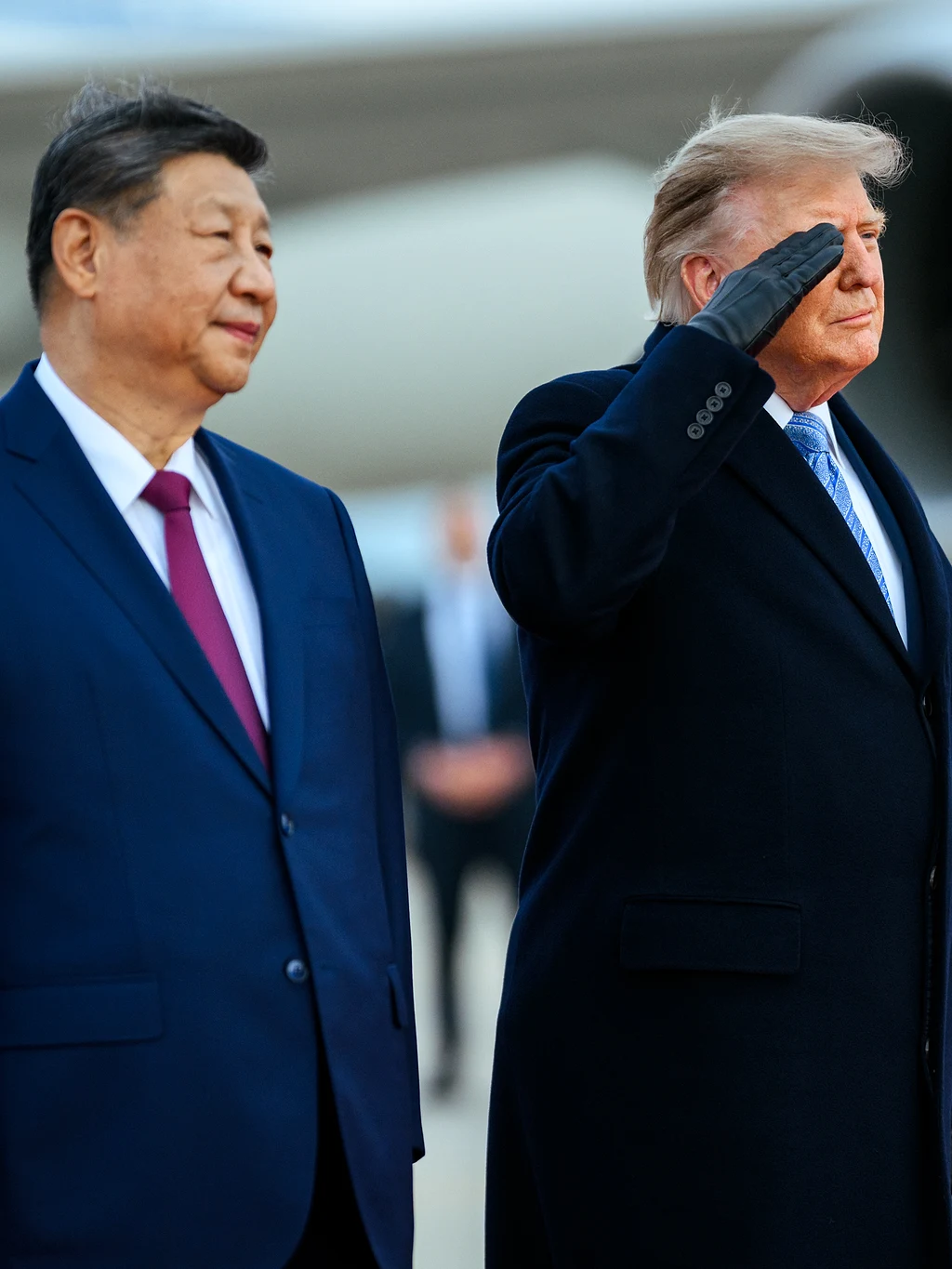
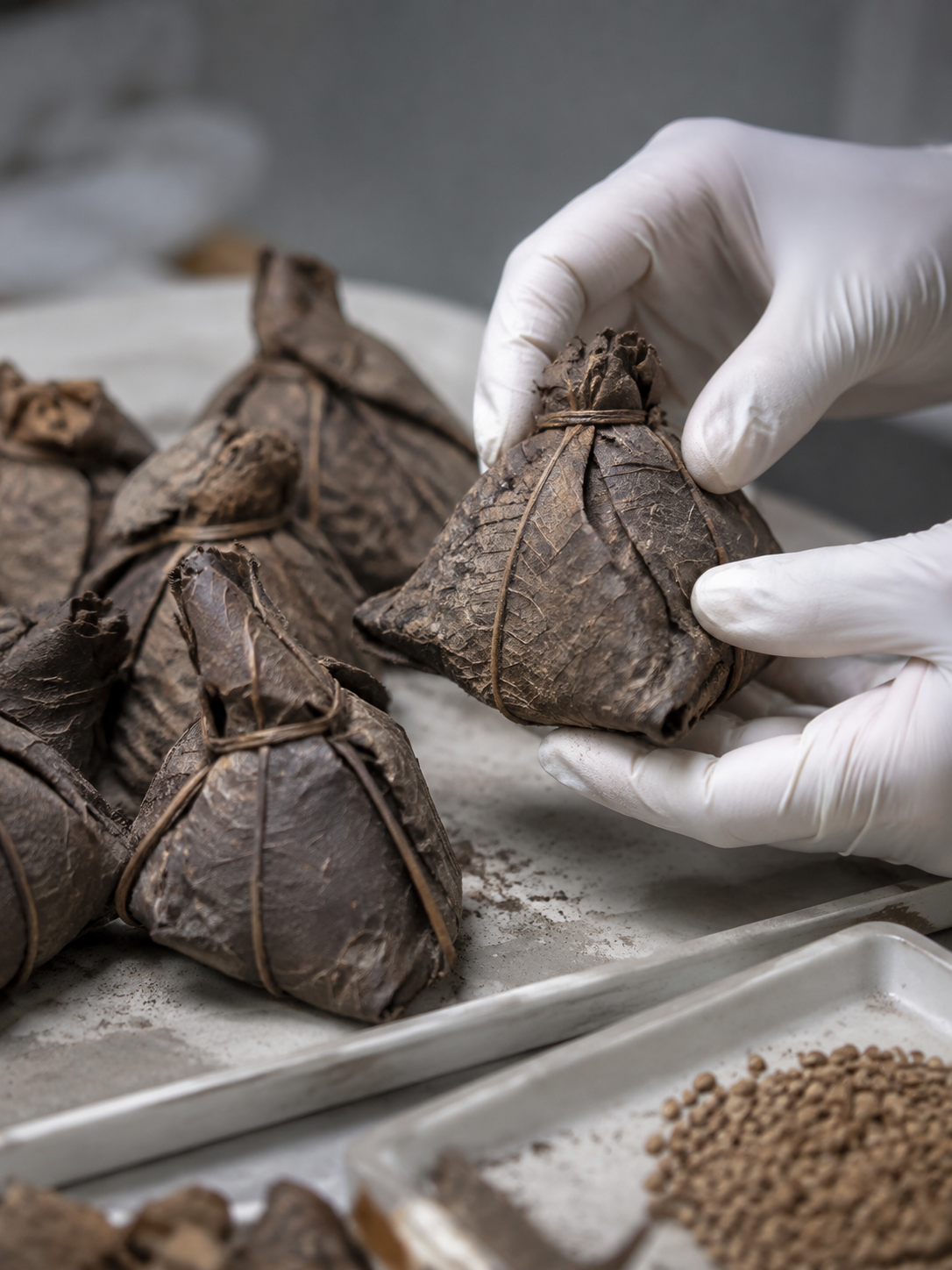
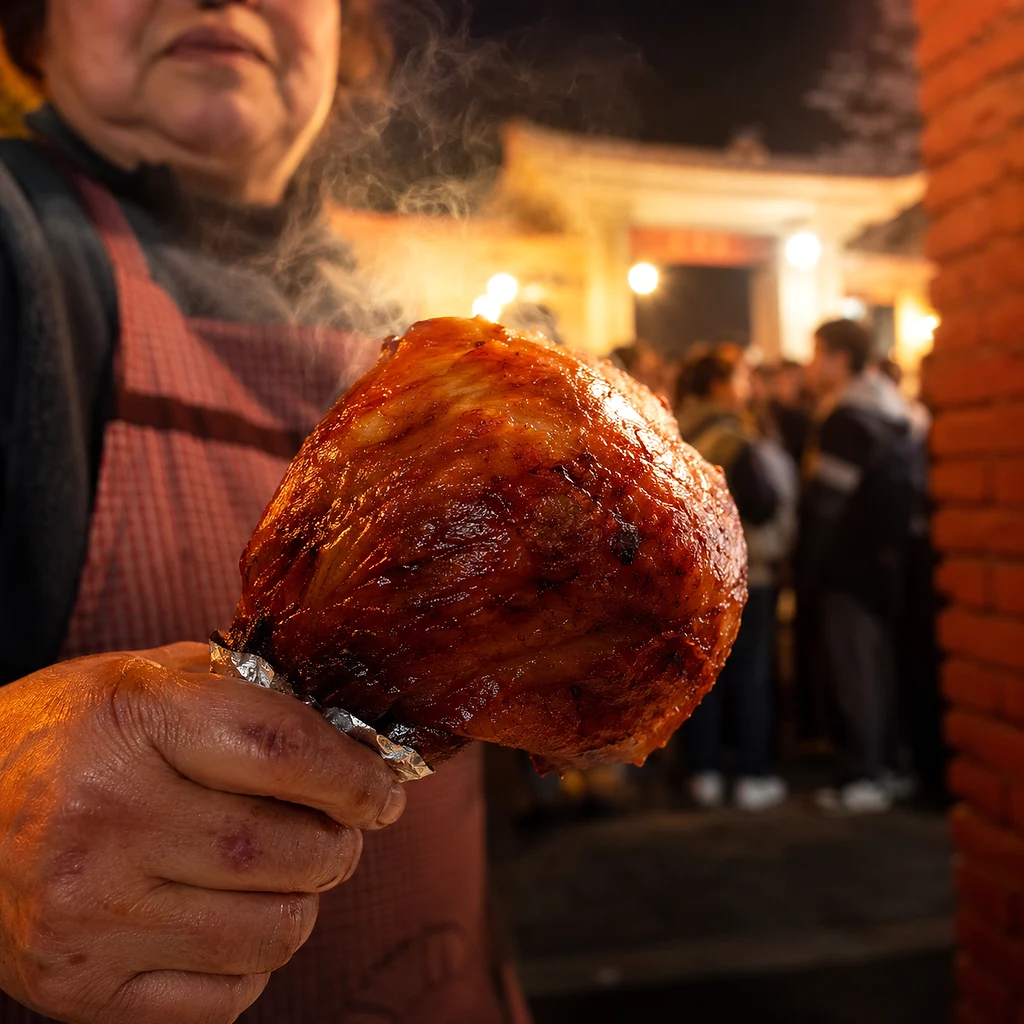
天上掉快递:亚马逊无人机让得州小城居民受不了
Boxes Falling From the Sky: Amazon's Delivery Drones Are Driving a Texas Suburb Up the Wall
3 min
What is on the HSK 6 word list?
In HSK 3.0, the exam from 13 December 2026, HSK 6 has 5,399 words. Of those, 1,800 are new at this level and the rest come from HSK 1–5. The old HSK 2.0 list had 5,000.
They cover chengyu, formal and classical register, and the layered vocabulary of serious written Chinese.
HSK 6 word list
All 5,334 words below, straight from the official HSK 3.0 syllabus. The 1,777 words new at HSK 6 come first, then earlier levels. The syllabus counts 5,399 entries because a few words are listed once per reading; each appears here once, with every reading.
Pinyin comes from the syllabus and definitions from CC-CEDICT. Tap any word to see its other senses without leaving the list. Words with a full Fluentide entry — character breakdown, usage notes, example sentences — link out from there.
Showing 3551–3600 of 5,334 · page 72 of 107
放松fàngsōngHSK 4to relax
- to relax
- to slacken
- to loosen
费fèiHSK 4to cost
- to cost
- to spend
- fee
- wasteful
- expenses
- surname Fei
费用fèiyongHSK 4cost
- cost
- expenditure
- expense
- CL:笔,个
分数fēnshùHSK 4(exam) grade
- (exam) grade
- mark
- score
- fraction
分为fēnwéiHSK 4to divide sth into (parts)
- to divide sth into (parts)
- to subdivide
份fènHSK 4classifier for gifts, newspaper, magazine, papers, reports, contracts etc
- classifier for gifts, newspaper, magazine, papers, reports, contracts etc
- variant of 分
丰富fēngfùHSK 4to enrich
- to enrich
- rich
- plentiful
- abundant
风景fēngjǐngHSK 4scenery
- scenery
- landscape
否则fǒuzéHSK 4otherwise
- otherwise
- if not
- or (else)
符合fúhéHSK 4in accordance with
- in accordance with
- to agree with
- to conform to
- to meet (a requirement)
- (physics) coincidence
幅fúHSK 4width
- width
- roll
- classifier for textiles or pictures
父母fùmǔHSK 4father and mother
- father and mother
- parents
父女fùnǚHSK 4father and daughter
- father and daughter
父亲fùqīnHSK 4father
- father
- also pr.
- CL:个
父子fùzǐHSK 4father and son
- father and son
付fùHSK 4to pay
- to pay
- to hand over to
- classifier for pairs or sets of things
- surname Fu
负责fùzéHSK 4to be responsible for
- to be responsible for
- to be in charge of
- to bear responsibility for
- conscientious
负责人fùzérénHSK 4person in charge
- person in charge
复印fùyìnHSK 4to photocopy
- to photocopy
- to duplicate a document
复杂fùzáHSK 4complicated
- complicated
- complex
改gǎiHSK 4to change
- to change
- to alter
- to transform
- to correct
改变gǎibiànHSK 4to change
- to change
- to alter
- to transform
赶gǎnHSK 4to overtake
- to overtake
- to catch up with
- to hurry
- to rush
- to try to catch (the bus etc)
- to drive (cattle etc) forward
- to drive (sb) away
- to avail oneself of (an opportunity)
- until
- by (a certain time)
赶紧gǎnjǐnHSK 4hurriedly
- hurriedly
- without delay
赶快gǎnkuàiHSK 4quickly
- quickly
- at once
赶上gǎnshàngHSK 4to keep up with
- to keep up with
- to catch up with
- to overtake
- to chance upon
- in time for
敢gǎnHSK 4to dare
- to dare
- daring
- (polite) may I venture
感gǎnHSK 4to feel
- to feel
- to move
- to touch
- to affect
- feeling
- emotion
- (suffix) sense of ~
感动gǎndòngHSK 4to move (sb)
- to move (sb)
- to touch (sb emotionally)
- moving
感觉gǎnjuéHSK 4feeling
- feeling
- impression
- sensation
- to feel
- to perceive
感情gǎnqíngHSK 4emotion
- emotion
- sentiment
- affection
- feelings between two persons
感人gǎnrénHSK 4touching
- touching
- moving
感受gǎnshòuHSK 4to sense
- to sense
- perception
- to feel (through the senses)
- to experience
- a feeling
- an impression
- an experience
感谢gǎnxièHSK 4to thank
- to thank
- to be grateful
干杯gānbēiHSK 4to drink a toast
- to drink a toast
- Cheers! (proposing a toast)
- Here's to you!
- Bottoms up!
- lit. dry cup
干活儿gànhuórHSK 4erhua variant of 干活
- erhua variant of 干活
钢琴gāngqínHSK 4piano
- piano
- CL:架,台
高价gāojiàHSK 4high price
- high price
高考gāokǎoHSK 4college entrance exam (especially as abbr. for 普通高等学校招生全国统一考试)
- college entrance exam (especially as abbr. for 普通高等学校招生全国统一考试)
- (Tw) entrance exam for senior government service posts (abbr. for 公务人员高等考试)
高速gāosùHSK 4high speed
- high speed
- expressway (abbr. for 高速公路)
高温gāowēnHSK 4high temperature
- high temperature
高于gāoyúHSK 4greater than
- greater than
- to exceed
胳膊gēboHSK 4arm
- arm
- CL:只,条,双
歌声gēshēngHSK 4singing voice
- singing voice
- fig. original voice of a poet
歌手gēshǒuHSK 4singer
- singer
各gèHSK 4each
各地gèdìHSK 4in all parts of (a country)
- in all parts of (a country)
- various regions
各个gègèHSK 4every
- every
- various
- separately, one by one
各位gèwèiHSK 4everybody
- everybody
- all (guests, colleagues etc)
- all of you
各种gèzhǒngHSK 4every kind of
- every kind of
- all kinds of
- various
How to actually learn HSK 6 vocabulary
A word list is a checklist, not a method. Recognising a word on a page is a different skill from catching it at speed in a sentence — and the HSK listening section only tests the second one.
Read the list once, do not memorise it
You are looking for which words feel unfamiliar, not trying to learn them here.
Listen at your level daily
Fluentide's HSK 6 episodes are written inside this vocabulary band, so the words arrive in sentences instead of flashcards.
Look a word up only after you have heard it
A word you have already met in audio sticks in one reading. A word you meet cold takes many.
Come back to this list monthly
Use it as a progress check, not a study plan. The gaps you find are what to listen for next.
HSK 6 episodes to hear these words in
Every episode below is written inside the HSK 6 word band and read at HSK 6 speed. Press play — no account needed for the first few.
HSK 1 Chinese listening episodes





























































































































































































































HSK 2 Chinese listening episodes
HSK 3–4 Chinese listening episodes

Showing 12 of 250
HSK 5–6 Chinese listening episodes
Showing 12 of 250
The method in practice
Hear HSK 6 vocabulary in real Mandarin
Every HSK 6 episode is written inside this word band and read at HSK 6 speed, so words stick because you have heard them in a sentence. Full transcript, pinyin toggle, and line-by-line English on every episode. Five free episodes after a one-tap magic-link sign-in — no password, no payment.