

HSK 6 Vocabulary List: 5,399 Words (HSK 3.0)
In HSK 3.0, HSK 6 has 5,399 words in total, 1,800 of them new at this level. They cover chengyu, formal and classical register, and the layered vocabulary of serious written Chinese.
By Haoshan Hong · Native Mandarin speaker · Updated September 2026
Hear HSK 6 words in a real story

天上掉快递:亚马逊无人机让得州小城居民受不了
Boxes Falling From the Sky: Amazon's Delivery Drones Are Driving a Texas Suburb Up the Wall
3 min
What is on the HSK 6 word list?
In HSK 3.0, the exam from 13 December 2026, HSK 6 has 5,399 words. Of those, 1,800 are new at this level and the rest come from HSK 1–5. The old HSK 2.0 list had 5,000.
They cover chengyu, formal and classical register, and the layered vocabulary of serious written Chinese.
HSK 6 word list
All 5,334 words below, straight from the official HSK 3.0 syllabus. The 1,777 words new at HSK 6 come first, then earlier levels. The syllabus counts 5,399 entries because a few words are listed once per reading; each appears here once, with every reading.
Pinyin comes from the syllabus and definitions from CC-CEDICT. Tap any word to see its other senses without leaving the list. Words with a full Fluentide entry — character breakdown, usage notes, example sentences — link out from there.
Showing 3451–3500 of 5,334 · page 70 of 107
词语cíyǔHSK 4word (general term including monosyllables through to short phrases)
- word (general term including monosyllables through to short phrases)
- term (e.g. technical term)
- expression
此cǐHSK 4this
- this
- these
此次cǐ cìHSK 4this time
- this time
此外cǐwàiHSK 4besides
- besides
- in addition
- moreover
- furthermore
从此cóngcǐHSK 4from now on
- from now on
- since then
- henceforth
从来cóngláiHSK 4always
- always
- at all times
- never (if used in negative sentence)
从中cóngzhōngHSK 4from among them
- from among them
- from it
粗cūHSK 4(of sth long) wide
- (of sth long) wide
- thick
- (of sth granular) coarse
- (of a voice) gruff
- (of sb's manner etc) rough
- crude
- careless
- rude
- remote
- distant
- variant of 粗
- variant of 粗
粗心cūxīnHSK 4careless
- careless
- thoughtless
村cūnHSK 4village
- village
- (dialect) to scold
- rustic
- boorish
- variant of 村
存cúnHSK 4to exist
- to exist
- to deposit
- to store
- to keep
- to survive
错过cuòguòHSK 4to miss (train, opportunity etc)
- to miss (train, opportunity etc)
错误cuòwùHSK 4mistaken
- mistaken
- false
- wrong
- error
- mistake
- CL:个
达到dádàoHSK 4to reach
- to reach
- to achieve
- to attain
答dáHSK 4to answer
- to answer
- to reply
- to respond
- bound form having the same meaning as the free word 答, used in 答应, 答理 etc
答案dá’ànHSK 4answer
- answer
- solution
- CL:个
答应dāyingHSK 4to answer
- to answer
- to respond
- to answer positively
- to agree
- to accept
- to promise
打败dǎbàiHSK 4to defeat
- to defeat
- to overpower
- to beat
- to be defeated
打工dǎgōngHSK 4to work a temporary or casual job
- to work a temporary or casual job
- (of students) to have a job outside of class time, or during vacation
打扰dǎrǎoHSK 4to disturb
- to disturb
- to bother
- to trouble
打印dǎyìnHSK 4to affix a seal
- to affix a seal
- to stamp
- to print out (with a printer)
打印机dǎyìnjīHSK 4printer
- printer
打招呼dǎ zhāohuHSK 4to greet sb by word or action
- to greet sb by word or action
- to give prior notice
打折dǎzhéHSK 4to give a discount
- to give a discount
打针dǎzhēnHSK 4to give or get an injection
- to give or get an injection
大巴dàbāHSK 4(coll.) large bus
- (coll.) large bus
- coach
- (abbr. for 大型巴士)
大大dàdàHSK 4greatly
- greatly
- enormously
- (dialect) dad
- uncle
大夫dàifuHSK 4doctor
- doctor
- physician
大量dàliàngHSK 4great amount
- great amount
- large quantity
- bulk
- numerous
- generous
- magnanimous
大赛dàsàiHSK 4grand contest
- grand contest
大厅dàtīngHSK 4hall
- hall
- concourse
- public lounge
- (hotel) lobby
大约dàyuēHSK 4approximately
- approximately
- probably
大自然dàzìránHSK 4nature (the natural world)
- nature (the natural world)
待dāi / dàiHSK 4to wait
- to wait
- to treat
- to deal with
- to need
- going to (do sth)
- about to
- intending to
- to stay
- to remain
袋子dàiziHSK 4bag
- bag
戴dàiHSK 4to put on or wear (glasses, hat, gloves etc)
- to put on or wear (glasses, hat, gloves etc)
- to respect
- to bear
- to support
- surname Dai
单位dānwèiHSK 4unit (of measure)
- unit (of measure)
- unit (group of people as a whole)
- work unit (place of employment, esp. in the PRC prior to economic reform)
- CL:个
弹tánHSK 4to pluck (a string)
- to pluck (a string)
- to play (a string instrument)
- to spring or leap
- to shoot (e.g. with a catapult)
- (of cotton) to fluff or tease
- to flick
- to flip
- to accuse
- to impeach
- elastic (of materials)
- crossball
- bullet
- shot
- shell
- ball
当dāng / dàngHSK 4(onom.) dong
- (onom.) dong
- ding dong (bell)
- to be
- to act as
- manage
- withstand
- when
- during
- ought
- should
- match equally
- equal
- same
- obstruct
- just at (a time or place)
- on the spot
- right
- just at
- at or in the very same...
- suitable
- adequate
- fitting
- proper
- to replace
- to regard as
- to think
- to pawn
- (coll.) to fail (a student)
当时dāngshíHSK 4then
- then
- at that time
刀dāoHSK 4knife
- knife
- blade
- single-edged sword
- cutlass (CL:把)
- (slang) (loanword) dollar
- classifier for sets of one hundred sheets (of paper)
- classifier for knife cuts or stabs
- (Internet slang) to bargain
- to ask for a small discount (esp. on second-hand marketplaces)
- (Internet slang) to knife (sb) (often used hyperbolically, as in 想刀他 "I could kill him!")
- surname Dao
导游dǎoyóuHSK 4tour guide
- tour guide
- guidebook
- to conduct a tour
到底dàodǐHSK 4finally
- finally
- in the end
- when all is said and done
- after all
- to the end
- to the last
到来dàoláiHSK 4to arrive
- to arrive
- arrival
- advent
倒dào / dǎoHSK 4to fall
- to fall
- to collapse
- to lie horizontally
- to fail
- to go bankrupt
- to overthrow
- to change (trains or buses)
- to move around
- to resell at a profit
- to invert
- to place upside down or frontside back
- to pour out
- to tip out
- to dump
- inverted
- upside down
- reversed
- to go backward
- contrary to what one might expect
- but
- yet
道dàoHSK 4road
- road
- path (CL:条,股)
- (bound form) way
- reason
- principle
- (bound form) a skill
- an art
- a specialization
- (Daoism) the Way
- the Dao
- to say (introducing a direct quotation, as in a novel)
- (bound form) to express
- to extend (polite words)
- classifier for long thin things (rivers, cracks, shadows etc), barriers (walls, doors etc), questions (in an exam etc), commands, courses in a meal, steps in a process
- (old) circuit (administrative division)
道路dàolùHSK 4road
- road
- path
- way
- CL:条
道歉dàoqiànHSK 4to apologize
- to apologize
得意déyìHSK 4proud of oneself
- proud of oneself
- pleased with oneself
- complacent
地球dìqiúHSK 4the earth
How to actually learn HSK 6 vocabulary
A word list is a checklist, not a method. Recognising a word on a page is a different skill from catching it at speed in a sentence — and the HSK listening section only tests the second one.
Read the list once, do not memorise it
You are looking for which words feel unfamiliar, not trying to learn them here.
Listen at your level daily
Fluentide's HSK 6 episodes are written inside this vocabulary band, so the words arrive in sentences instead of flashcards.
Look a word up only after you have heard it
A word you have already met in audio sticks in one reading. A word you meet cold takes many.
Come back to this list monthly
Use it as a progress check, not a study plan. The gaps you find are what to listen for next.
HSK 6 episodes to hear these words in
Every episode below is written inside the HSK 6 word band and read at HSK 6 speed. Press play — no account needed for the first few.
HSK 1 Chinese listening episodes
































































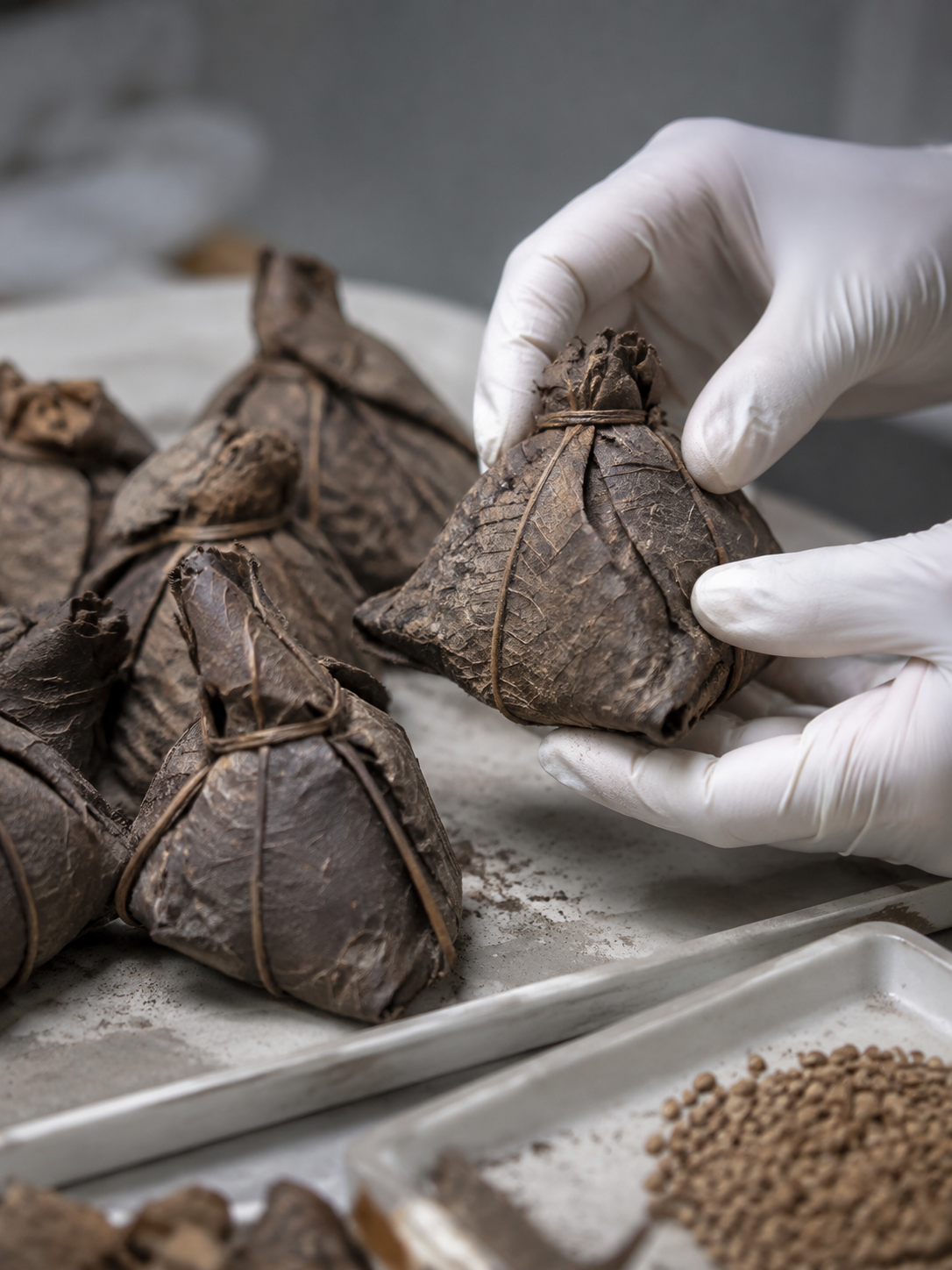







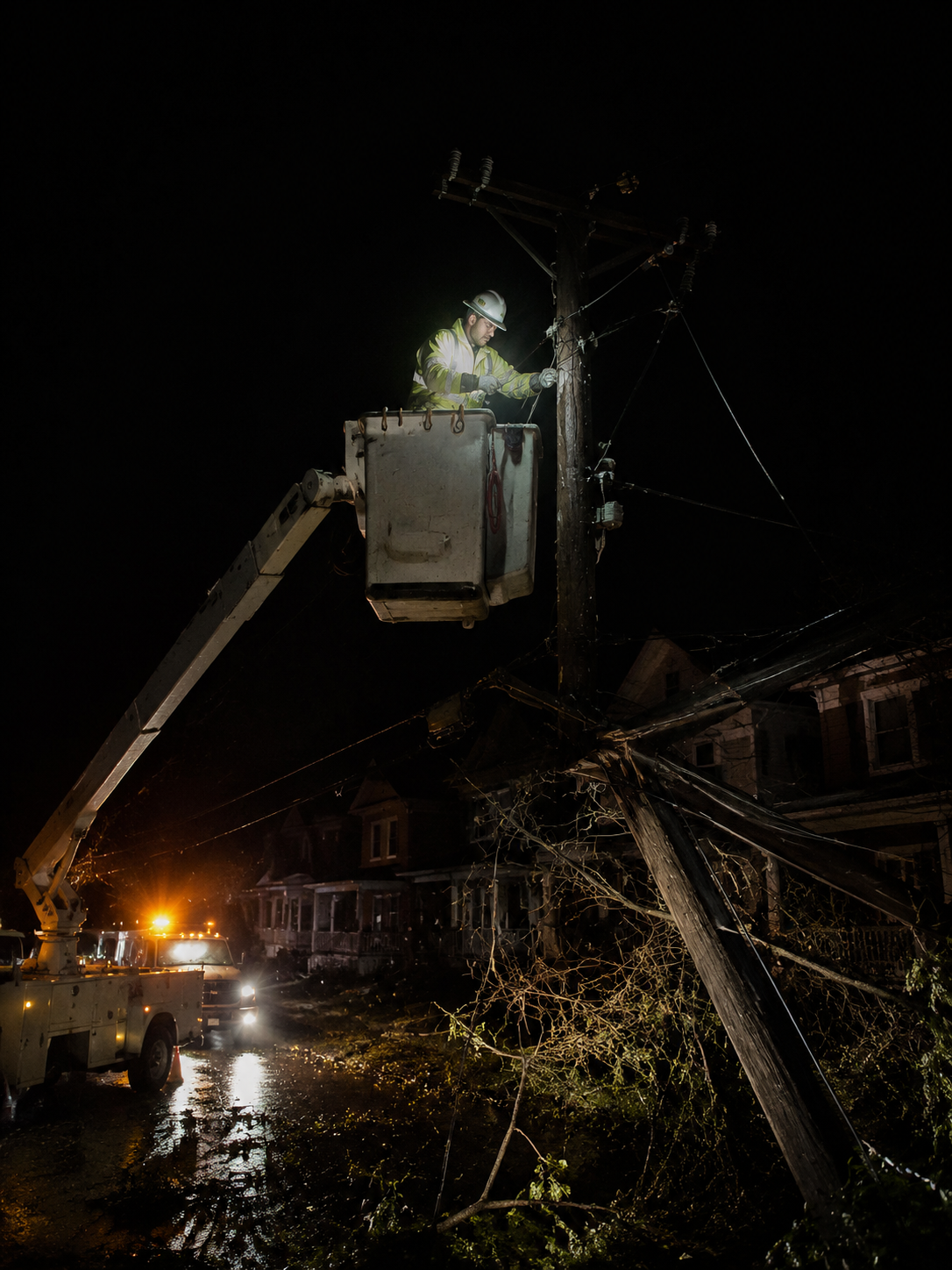











































































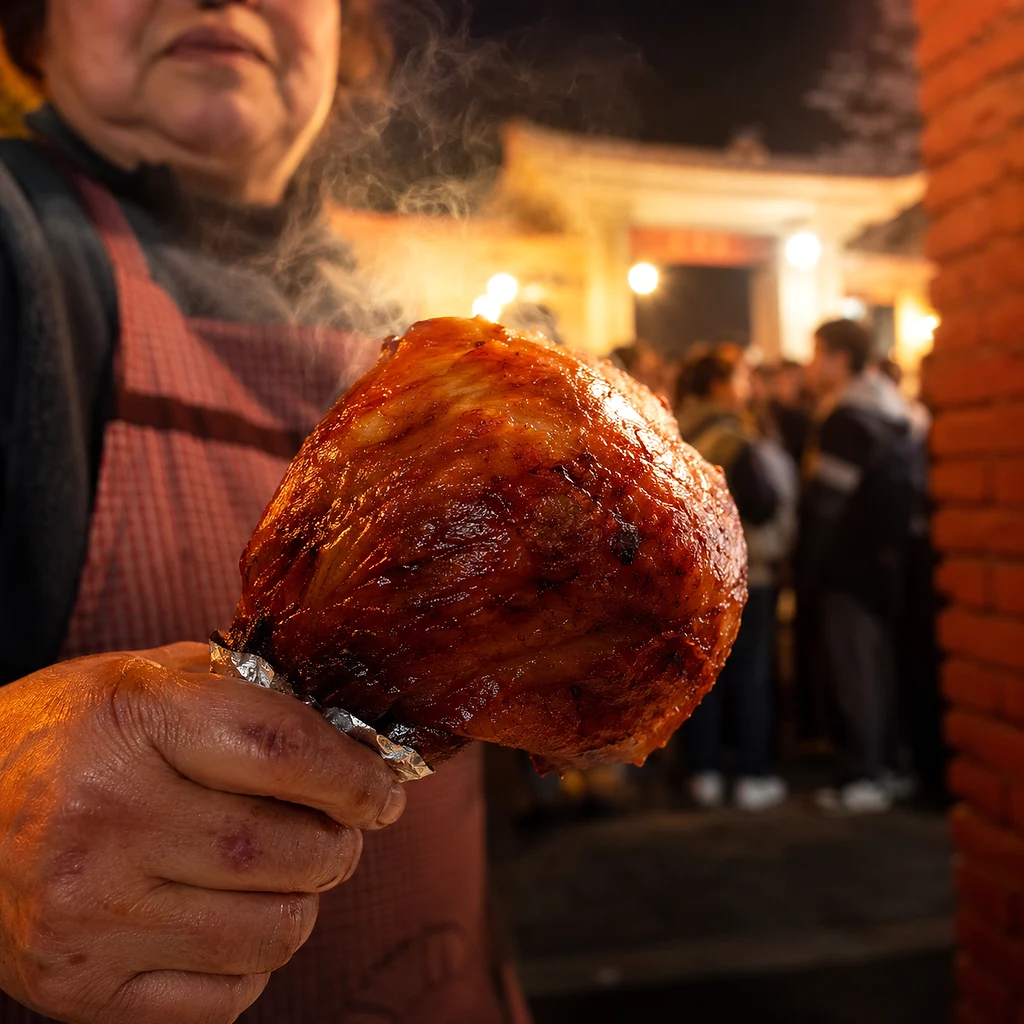























































































HSK 2 Chinese listening episodes
HSK 3–4 Chinese listening episodes

Showing 12 of 250
HSK 5–6 Chinese listening episodes
Showing 12 of 250
The method in practice
Hear HSK 6 vocabulary in real Mandarin
Every HSK 6 episode is written inside this word band and read at HSK 6 speed, so words stick because you have heard them in a sentence. Full transcript, pinyin toggle, and line-by-line English on every episode. Five free episodes after a one-tap magic-link sign-in — no password, no payment.