

HSK 6 Vocabulary List: 5,000 Words
HSK 6 assumes 5,000 cumulative words — 2500 of them new at this level. They cover chengyu, formal and classical register, and the layered vocabulary of serious written Chinese.
By Haoshan HongNative Mandarin speakerUpdated July 2026
Hear HSK 6 words in a real story

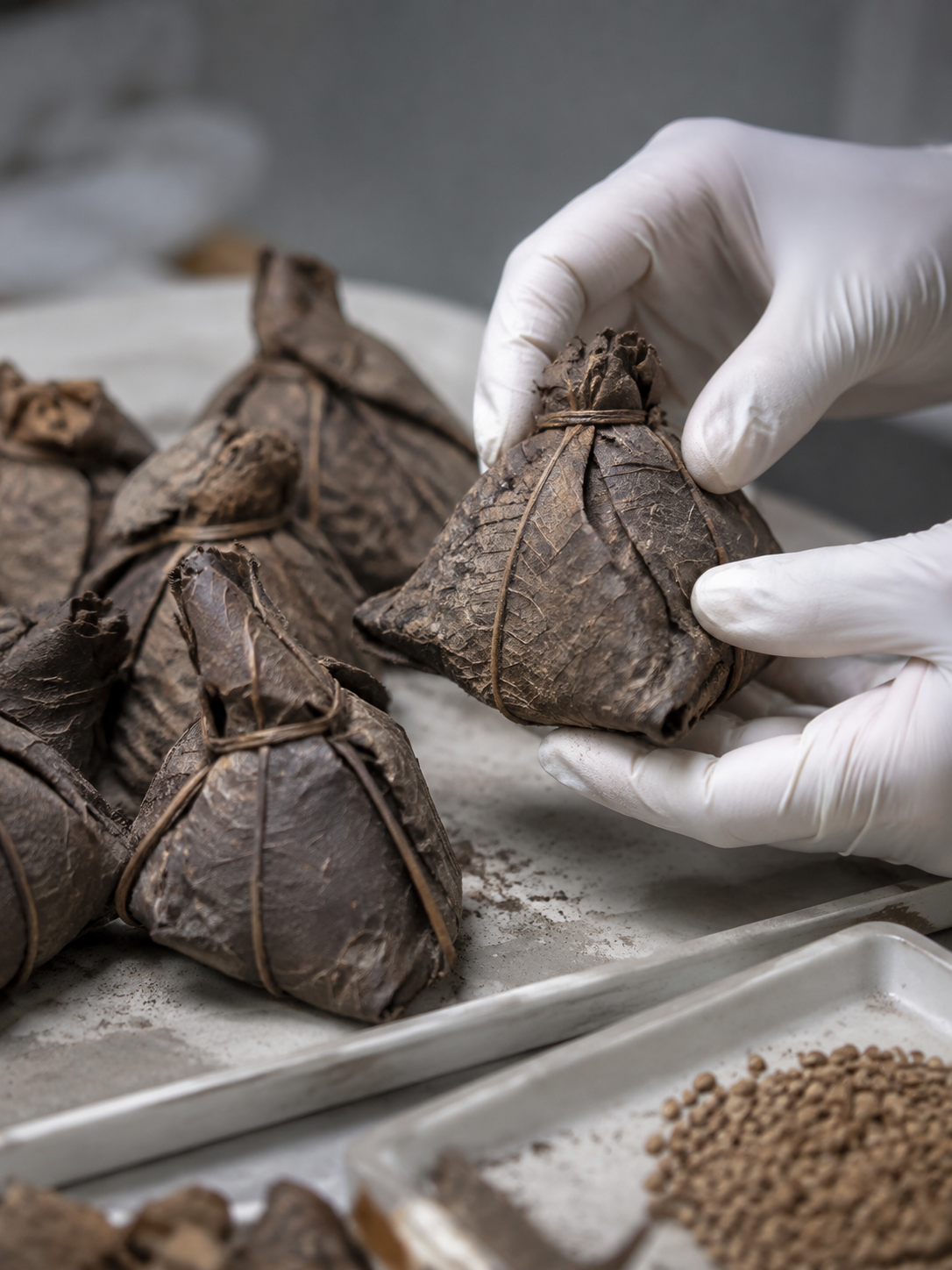
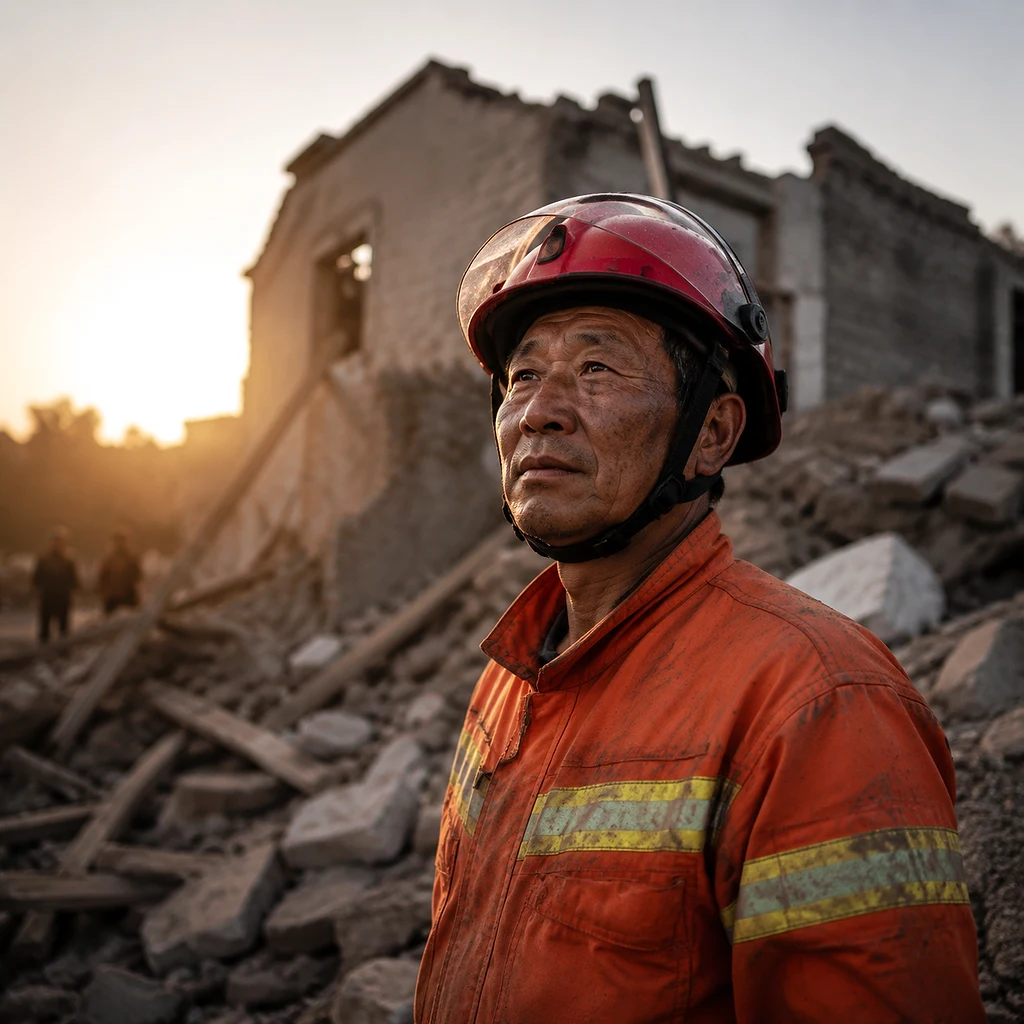
黄石公园热泉区清出280多顶帽子
Yellowstone Finds Over 280 Hats in Hot-Spring Areas
1 min
What is on the HSK 6 word list?
The HSK word lists are published and cumulative, which is what makes the exam a finite target. HSK 6 assumes 5,000 words in total — 2,500 of them introduced at this level.
They cover chengyu, formal and classical register, and the layered vocabulary of serious written Chinese.
HSK 6 word list
All 4,991 entries below, straight from the official Hanban HSK 2.0 list. The 2,500 words new at HSK 6 come first, then earlier levels.
Pinyin and definitions come from CC-CEDICT. Tap any word to see its other senses without leaving the list. Words with a full Fluentide entry — character breakdown, usage notes, example sentences — link out from there.
Showing 4701–4750 of 4,991 · page 95 of 100
便宜piányiHSK 2cheap
- cheap
- inexpensive
- a petty advantage
- to let sb off lightly
别biéHSK 2to leave
- to leave
- to part (from)
- (literary) to differentiate
- to distinguish
- (dialect) to turn away
- to turn aside
- to avert (one's face, gaze etc)
- (bound form) other
- another
- different
- don't ...!
- to fasten with a pin or clip
- to stick in
- to insert (in order to hinder movement)
- (noun suffix) category (as in 性别, 派别)
- to make sb change their ways, opinions etc
- surname Bie
唱歌chànggēHSK 2to sing a song
- to sing a song
出chūHSK 2to go out
- to go out
- to come out
- to arise
- to occur
- to produce
- to yield
- to go beyond
- to exceed
- (used after a verb to indicate an outward direction or a positive result)
- classifier for dramas, plays, operas etc
- variant of 出 (classifier for plays or chapters of classical novels)
穿chuānHSK 2to bore through
- to bore through
- to pierce
- to perforate
- to go through (e.g. a tunnel)
- to cross (e.g. a street)
- to thread
- to string together
- to wear
- to put on (clothes, shoes etc.)
- verb complement indicating thoroughness or completion
船chuánHSK 2boat
- boat
- vessel
- ship
- CL:条,艘,只
- variant of 船
次cìHSK 2next in sequence
- next in sequence
- second
- the second (day, time etc)
- secondary
- vice-
- sub-
- infra-
- inferior quality
- substandard
- order
- sequence
- hypo- (chemistry)
- classifier for enumerated events: time
从cóngHSK 2from
- from
- through
- via
- (bound form) to follow
- (bound form) to obey
- (bound form) to engage in (an activity)
- (used before a negative) ever
- (bound form) (Taiwan pr. ) retainer
- attendant
- (bound form) (Taiwan pr. ) assistant
- auxiliary
- subordinate
- (bound form) (Taiwan pr. ) related by common paternal grandfather or earlier ancestor
- surname Cong
- variant of 从
错cuòHSK 2mistake
- mistake
- wrong
- bad
- interlocking
- complex
- to grind
- to polish
- to alternate
- to stagger
- to miss
- to let slip
- to evade
- to inlay with gold or silver
- surname Cuo
打篮球dǎ lánqiúHSK 2打 (to hit) + 篮球 (basketball)
大家dàjiāHSK 2everyone
- everyone
- influential family
- great expert
但是dànshìHSK 2but
到dàoHSK 2to reach
- to reach
- to arrive
- to leave for
- to go to
- to (a place)
- until (a time)
- up to (a point)
- (verb complement indicating arriving at a place or reaching a point)
- considerate
- thoughtful
- thorough
得déHSK 2to obtain
- to obtain
- to get
- to gain
- to catch (a disease)
- proper
- suitable
- proud
- contented
- to allow
- to permit
- ready
- finished
- structural particle: used after a verb (or adjective as main verb), linking it to following phrase indicating effect, degree, possibility etc
- to have to
- must
- ought to
- to need to
- used in 得瑟
弟弟dìdiHSK 2younger brother
- younger brother
- CL:个,位
第一dìyīHSK 2first
- first
- most important
- primary
- foremost
懂dǒngHSK 2to understand
- to understand
- to comprehend
房间fángjiānHSK 2room
非常fēichángHSK 2very
- very
- really
- unusual
- extraordinary
服务员fúwùyuánHSK 2waiter
- waiter
- waitress
- attendant
- customer service personnel
- CL:个,位
高gāoHSK 2high
- high
- tall
- above average
- loud
- your (honorific)
- surname Gao
告诉gàosùHSK 2to press charges
- to press charges
- to file a complaint
哥哥gēgeHSK 2older brother
- older brother
- CL:个,位
给gěiHSK 2to
- to
- for
- for the benefit of
- to give
- to allow
- to do sth (for sb)
- (grammatical equivalent of 被)
- (grammatical equivalent of 把)
- (sentence intensifier)
- (bound form) to supply
- to provide
- (literary) sufficient
- abundant
公共汽车gōnggòngqìchēHSK 2bus
公斤gōngjīnHSK 2kilogram (kg)
- kilogram (kg)
公司gōngsīHSK 2company
- company
- firm
- corporation
- CL:家
贵guìHSK 2expensive
- expensive
- (bound form) highly valued
- precious
- (bound form) noble
- of high rank
- (prefix) (honorific) your
- short name for Guizhou 贵州
还háiHSK 2still
- still
- still in progress
- still more
- yet
- even more
- in addition
- fairly
- passably (good)
- as early as
- even
- also
- else
- to pay back
- to return
- surname Huan
孩子háiziHSK 2child
好吃hǎochīHSK 2tasty
- tasty
- delicious
号háoHSK 2(bound form) to wail
- (bound form) to wail
- to howl
- (literary) to call out
- to command
- (bound form) bugle
- trumpet
- (bound form) signal
- bugle call (e.g. 起床号)
- (bound form) mark
- sign
- to mark
- to label
- to assign a number
- (bound form) name
- appellation (e.g. 国号, 年号, 辽宁号)
- (after a numeral) number designation (e.g. 237號房間|237号房间 "Room 237")
- day of the month (e.g. 七号 "the 7th")
- (bound form) size
- type
- category (e.g. 五号电池)
- (TCM) to feel (the pulse) (used in 号脉)
- classifier for numbered people or items
黑hēiHSK 2black
- black
- dark
- sinister
- secret
- shady
- illegal
- to hide (sth) away
- to vilify
- (loanword) to hack (computing)
- short name for Heilongjiang 黑龙江
红hóngHSK 2red
- red
- popular
- revolutionary
- bonus
- surname Hong
- used in 女红
欢迎huānyíngHSK 2to welcome
- to welcome
- welcome
回答huídáHSK 2to reply
- to reply
- to answer
- reply
- answer
机场jīchǎngHSK 2airport
- airport
- airfield
- (slang) service provider for Shadowsocks or similar software for circumventing Internet censorship
- CL:家,处
鸡蛋jīdànHSK 2(chicken) egg
- (chicken) egg
- hen's egg
- CL:个,打
件jiànHSK 2item
- item
- component
- classifier for events, things, clothes etc
教室jiàoshìHSK 2classroom
- classroom
- CL:间
姐姐jiějieHSK 2older sister
- older sister
- CL:个
介绍jièshàoHSK 2to introduce (sb to sb)
- to introduce (sb to sb)
- to give a presentation
- to present (sb for a job etc)
- introduction
近jìnHSK 2near
- near
- close to
- approximately
进jìnHSK 2to go forward
- to go forward
- to advance
- to go in
- to enter
- to put in
- to submit
- to take in
- to admit
- (math.) base of a number system
- classifier for sections in a building or residential compound
就jiùHSK 2(after a suppositional clause) in that case
- (after a suppositional clause) in that case
- then
- (after a clause of action) as soon as
- immediately after
- (same as 就是) merely
- nothing else but
- simply
- just
- precisely
- exactly
- only
- as little as
- as much as
- as many as
- to approach
- to move towards
- to undertake
- to engage in
- (often followed by 着) taking advantage of
- (of food) to go with
- with regard to
- concerning
- (bound form) to reach
- to attain (as in 一蹴而就)
- (pattern: 就 ... 也 ...) even if ... still ...
- (pattern: 不 ... 就 ...) if not ... then must be ...
觉得juédeHSK 2to think that ...
- to think that ...
- to feel that ...
- to feel (uncomfortable etc)
咖啡kāfēiHSK 2(loanword) coffee
- (loanword) coffee
- CL:杯
开始kāishǐHSK 2to begin
- to begin
- to start
- beginning
- start
考试kǎoshìHSK 2to take an exam
- to take an exam
- exam
- CL:次
可能kěnéngHSK 2might (happen)
- might (happen)
- possible
- probable
- possibility
- probability
- maybe
- perhaps
- CL:个
How to actually learn HSK 6 vocabulary
A word list is a checklist, not a method. Recognising a word on a page is a different skill from catching it at speed in a sentence — and the HSK listening section only tests the second one.
Read the list once, do not memorise it
You are looking for which words feel unfamiliar, not trying to learn them here.
Listen at your level daily
Fluentide's HSK 6 episodes are written inside this vocabulary band, so the words arrive in sentences instead of flashcards.
Look a word up only after you have heard it
A word you have already met in audio sticks in one reading. A word you meet cold takes many.
Come back to this list monthly
Use it as a progress check, not a study plan. The gaps you find are what to listen for next.
HSK 6 episodes to hear these words in
Every episode below is written inside the HSK 6 word band and read at HSK 6 speed. Press play — no account needed for the first few.





























































































































































































































HSK 5–6 Chinese listening episodes
Showing 12 of 246
The method in practice
Hear HSK 6 vocabulary in real Mandarin
Every HSK 6 episode is written inside this word band and read at HSK 6 speed, so words stick because you have heard them in a sentence. Full transcript, pinyin toggle, and line-by-line English on every episode. Five free episodes after a one-tap magic-link sign-in — no password, no payment.